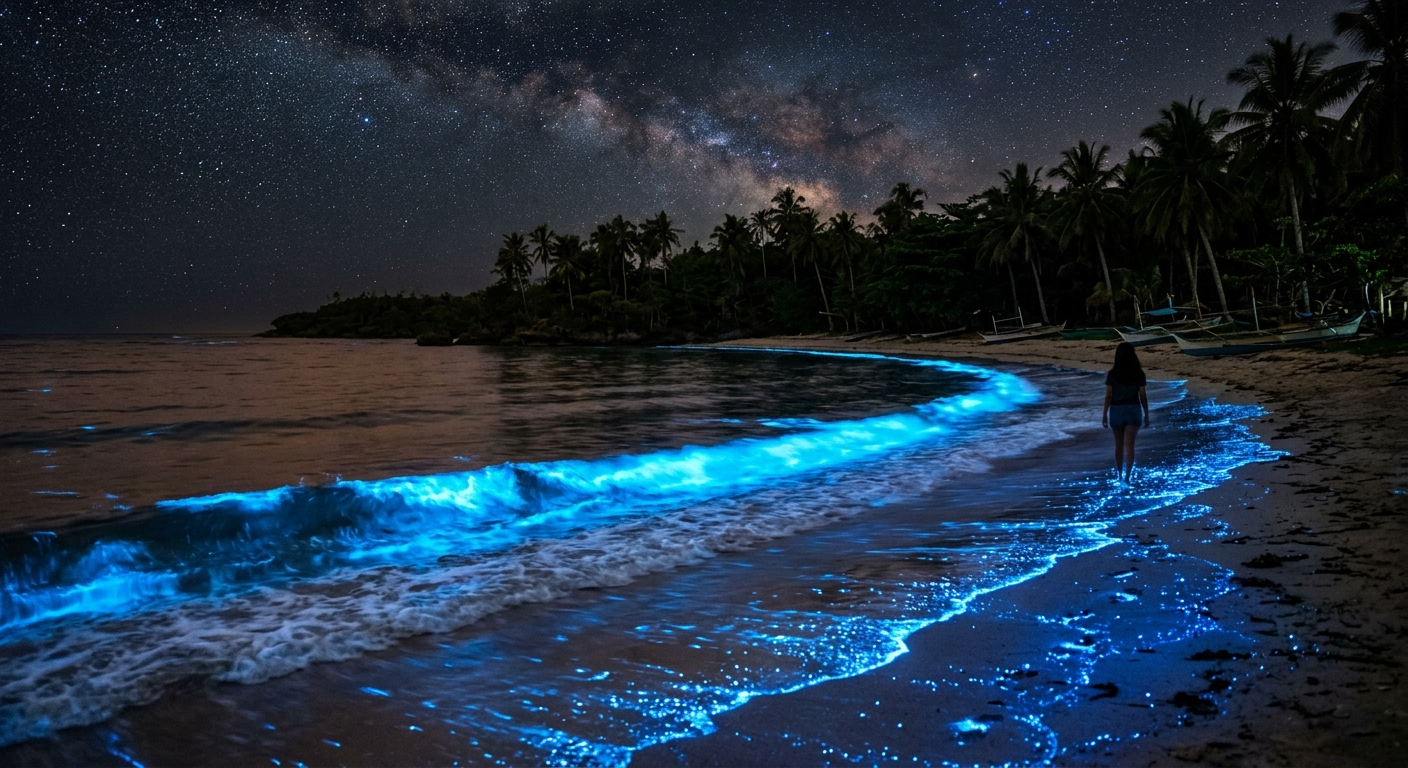
Siquijor Marine Magic: Experiencing the Bioluminescent Waters
Discover the magical bioluminescent waters of Siquijor Island. Complete guide to the glowing plankton phenomenon, best viewing spots, optimal timing, and tips for witnessing this natural light show.
The Living Light of Siquijor
When darkness falls over Siquijor and the last ferry departs from Larena port, something remarkable happens along the island’s southern and western shorelines. The ocean begins to glow. Not with artificial lights or neon signs, but with a living, breathing luminescence generated by millions of microscopic organisms suspended in the warm tropical water. These are dinoflagellates, single-celled marine plankton that emit a brilliant blue-green light when disturbed. The phenomenon is called bioluminescence, and Siquijor’s waters host some of the most accessible and reliable displays in the Philippines.
Unlike the famous bioluminescent bays of Puerto Rico or the Maldives, Siquijor’s version remains largely informal and undiscovered by mass tourism. There are no ticketed boardwalks, no hour-long guided kayak tours with LED-lit paddles, and no reservation systems. Instead, travelers who know when and where to look encounter this natural spectacle largely on their own terms, wading into black water where every movement triggers sparks of electric blue light.
Understanding Bioluminescence in Siquijor
The Science Behind the Glow
Bioluminescence in marine environments occurs when dinoflagellates, particularly species of Pyrodinium and Noctiluca, are mechanically disturbed. The organisms respond to stress by triggering a chemical reaction involving luciferin and luciferase enzymes that produces light. In practical terms, this means that every wave, every fish passing through, every footstep in shallow water triggers a flash of blue-green phosphorescence.
The phenomenon is more than a curiosity. Scientists studying bioluminescent bays note that high concentrations of dinoflagellates indicate healthy marine ecosystems, as these organisms require specific conditions to thrive: warm water, moderate salinity, and low pollution levels. Siquijor’s consistent bioluminescence is a quiet indicator of the island’s overall marine environmental quality.
Why Siquijor Offers Reliable Displays
Several factors make Siquijor particularly suited to bioluminescent observation:
Island Geography: Siquijor’s relatively sheltered position within the Visayas means less wave action than exposed coastlines, allowing dinoflagellate concentrations to build up rather than being dispersed by strong currents.
Warm Water Temperatures: Year-round water temperatures between 26 and 30 degrees Celsius provide ideal conditions for dinoflagellate populations.
Reduced Light Pollution: Outside San Juan and Siquijor town, street lighting is minimal. The darkness needed for bioluminescence observation is readily available just minutes from populated areas.
Low Tourist Volume: Unlike ticketed attractions that attract hundreds of visitors nightly, Siquijor’s informal viewing spots rarely see more than a handful of visitors. The plankton populations are not stressed by constant disturbance.
Best Locations for Bioluminescence Viewing
Coastal Areas with Consistent Displays
Paliton Beach and Surrounding Shore The western-facing coastline near Paliton Beach offers some of the most consistent viewing. The gradual sandy slope means visitors can stand in chest-deep water and observe the light displays from a stable position. During optimal conditions, swirling hand movements through the water produces trails of glowing particles that persist for several seconds.
Maite to San Juan Coast The stretch of coastline from Maite toward San Juan poblacion regularly displays bioluminescence, particularly in the shallow reef areas where wave action concentrates the organisms. After 9 PM when boat traffic subsides, visibility improves significantly.
Lazi and South Coast Shallows The southern coastline near Lazi, with its mangrove channels and shallow reef flats, provides protected areas where bioluminescent organisms concentrate. The trade-off is that these areas require local knowledge to access safely after dark.
Tubod and Marine Sanctuary Approach The approach channels to Tubod Marine Sanctuary occasionally display bioluminescence, particularly during outgoing tides when water flows through the reef channels.
Locations Requiring Local Guidance
Some of the most impressive displays occur in locations that are difficult to find without assistance:
Mangrove Channels Narrow mangrove waterways that are inaccessible by larger boats sometimes host extraordinary concentrations. The protected waters allow dinoflagellates to multiply without disturbance, and the dark canopy enhances visibility.
Remote Beach Coves Isolated coves along the southern and eastern coasts occasionally display brilliant displays, but accessing them requires a guide or very careful navigation after dark.
Optimal Timing for Bioluminescence Viewing
Seasonal Patterns
Bioluminescence in Siquijor occurs year-round, but intensity varies by season:
Peak Season (March to June): Water temperatures rise and calm conditions prevail. Dinoflagellate concentrations tend to be highest during these months, producing the most dramatic displays. This coincides with Siquijor’s dry and peak tourist season.
Shoulder Season (July to October): Summer monsoon patterns can increase wave action, which disperses some concentrations but also concentrates organisms in protected coves. Occasional heavy rain can temporarily reduce visibility by stirring sediment.
Low Season (November to February): Water temperatures drop slightly, but displays remain visible. The trade-off is that more frequent overcast skies reduce the darkness needed for optimal viewing. Fewer visitors mean more privacy.
Monthly Considerations
New Moon Periods: The darkest skies, typically lasting 3 to 5 days around each new moon, offer the best viewing conditions. The sky is dark enough that the bioluminescence appears more brilliant against the background.
Full Moon Periods: While the moon provides romantic ambiance for beach walks, bright moonlight reduces the apparent intensity of bioluminescence. Viewing is still possible but less dramatic.
Post-Rainfall: Following periods of heavy rainfall, runoff can temporarily reduce salinity in coastal waters and affect visibility. Wait 1 to 2 days after significant rain for conditions to stabilize.
Time-of-Day Considerations
The best viewing typically occurs between 9 PM and midnight:
- Earlier hours coincide with dinner time and evening boat activity
- After 9 PM, ferry and boat traffic subsides significantly
- Later than midnight, human activity and noise in popular areas decreases further but practical safety considerations increase
How to Experience Bioluminescence Safely
Essential Preparation
Physical Preparation: Wear water shoes or reef booties for entry and exit over rocky shorelines. Bring a swimsuit or shorts that can get wet. Dark-colored swimwear is preferable for photography but not required.
Lighting: Bring a headlamp or torch for the walk to the viewing point, but use it sparingly. Bright lights destroy night vision and can disturb other visitors. Once at the water’s edge, use red light mode if available, or minimize white light.
Companions: Never wade into dark water alone. Work in pairs or groups for safety. The ocean at night without landmarks is disorienting, and conditions can change quickly.
Water Awareness: Enter water gradually. Test the depth and bottom composition before committing. Shallow reef areas with mixed sand and coral can be walked through safely; deep drop-offs require more caution.
Environmental Ethics
Do Not Use Sunscreen Before Entering: Sunscreen chemicals significantly damage marine organisms including dinoflagellates. If you have applied sunscreen, wait at least 30 minutes or skip the water experience.
Avoid Touching or Collecting Marine Life: The bioluminescence is produced by organisms throughout the water column, not just at the surface. Touching coral, disturbing seagrass, or collecting specimens directly kills the organisms you came to see.
Minimize Splashing and Agitation: While some disturbance is necessary to see the light, excessive splashing creates unnecessary stress for organism populations. Gentle movement produces beautiful displays without overstimulating the organisms.
Pack Out All Waste: Carry a small bag for any trash. The same care for the underwater environment applies to the shoreline.
Safety Boundaries
When Not to Enter: Do not attempt to swim in bioluminescent areas during or after heavy rainfall when water quality is uncertain. Avoid areas near boat launches or active fishing activity. Strong currents can develop quickly even in seemingly calm conditions.
Swimming Limits: Stay in water depth where you can comfortably stand. Deep water swimming in darkness presents unnecessary risks. If you want to swim rather than wade, choose a calm night with minimal current.
Alcohol and Water: The combination of darkness, unfamiliar water conditions, and alcohol is dangerous. Save celebratory drinks for after the experience.
Photography Considerations
Capturing Bioluminescence on Camera
Photographing bioluminescence is challenging but achievable with the right approach:
Equipment Needed: A camera with manual exposure settings and a tripod or stable surface. Smartphone photography in night mode can capture some light but is limited in detail.
Camera Settings: Start with ISO 1600 to 3200, exposure of 5 to 30 seconds, and aperture as open as available (f/2.8 or lower). Experiment from these starting points. Focus should be manual and set to approximately infinity.
Technique: Set up your camera on a tripod. Use a remote trigger or self-timer to avoid camera shake. Take multiple exposures and review results. The best images typically come from exposures that capture both the water surface glow and the surrounding dark landscape.
Light Discipline: Photography requires repeated exposures while others in your group may want to experience the water without bright camera flashes. Coordinate with your group or wait for others to finish before setting up multi-minute exposures.
What Images Can and Cannot Capture
Photographs cannot fully convey the experience of seeing bioluminescence in person. The human eye perceives the glow as more brilliant and three-dimensional than camera sensors can capture. Images should be considered documentation rather than reproduction of the experience.
What to Expect: The Experience in Reality
The Sensory Reality
Entering bioluminescent water at night in Siquijor produces a genuinely unusual experience. The water is warm, dark, and initially seems ordinary. Then a hand movement sends trails of electric blue sparks through the water around your arm. A step forward produces rings of light that expand and fade. Small fish darting through the shallows leave brief luminous trails. The effect is not overwhelming or theatrical. It is quiet, subtle, and deeply satisfying.
Most travelers describe the experience as meditative rather than exciting. There is an intimacy to standing alone in warm dark water surrounded by invisible living organisms that respond to your presence with light.
Common Misconceptions
It Is Not Like Glowing Paint: Bioluminescence is not a solid glow. It appears as flashes and trails triggered by movement. Static water in a bucket will not glow.
It Is Not Bright Enough to Read By: The light is visible to dark-adapted eyes but not sufficient for reading or detailed navigation. Use standard lights for practical tasks.
It Is Not Always Present at Maximum Intensity: Bioluminescence varies in intensity night to night. Some nights it is spectacular; other nights it is subtle but still present. This is natural variation, not malfunction.
The Glow Does Not Last: Individual organism flashes last less than a second. What appears as lingering light is the cumulative effect of multiple organisms flashing in sequence as disturbed water moves past them.
Combining Bioluminescence with Other Activities
Evening Activity Sequencing
Sunset First: Plan an early evening beach session at Paliton or your preferred sunset location, ending with dinner at a nearby restaurant.
Bioluminescence After: Return to the beach after 9 PM for the bioluminescence experience. This works well when the same beach serves both purposes.
Stargazing Extension: After bioluminescence viewing, remaining on the beach provides excellent stargazing opportunity away from light pollution. Siquijor’s night sky during new moon periods is dramatically clear.
Multi-Night Strategy
Bioluminescence is best experienced on at least two nights:
Night 1: Scout and locate the best available display. Conditions vary, and your first night establishes what is accessible and observable.
Night 2: Return to your discovered locations with better preparation, understanding of conditions, and specific goals for the experience or photography.
Practical Information
Getting to Viewing Spots
Most bioluminescence viewing spots are accessible by tricycle after dark. Arrange transport through your accommodation or with a trusted driver who understands where you want to go. Some travelers rent bicycles for more independent access to areas within pedaling distance of their base.
Cost Considerations
Bioluminescence viewing is free. There are no entrance fees, tour costs, or equipment rentals required. The only costs are your transport to the viewing location and any preparation items you choose to purchase (water shoes, headlamp, etc.).
Guiding Services
Some local guides offer bioluminescence tours, particularly during peak season. A guide can locate the best current spots and provide safety oversight. Expect to pay PHP 500 to PHP 1,500 for a guided experience, negotiable based on group size and negotiation.
Final Thoughts
Siquijor’s bioluminescent waters represent one of the most accessible and authentic natural light displays in Southeast Asia. Unlike attractions that have been commercialized and packaged for mass tourism, the island’s glowing plankton remains genuinely informal. You find your own spots, at your own timing, with whatever level of guiding you prefer.
The experience rewards patience and darkness. It asks you to wait until the island quiets, to walk to quiet shores, to stand in warm water and move slowly. It asks you to embrace darkness rather than fill it with light, and to accept that some beauty is not designed for documentation but for direct experience.
Come prepared to be present in the moment. Turn off your phone. Let your eyes adjust. When you finally see the first sparks of blue light trail behind a hand movement, you will understand why travelers return to Siquijor specifically for this reason.
For more night activities, see our guide to Siquijor stargazing spots. For daytime water activities, explore our complete Siquijor snorkeling guide.
Related Attractions
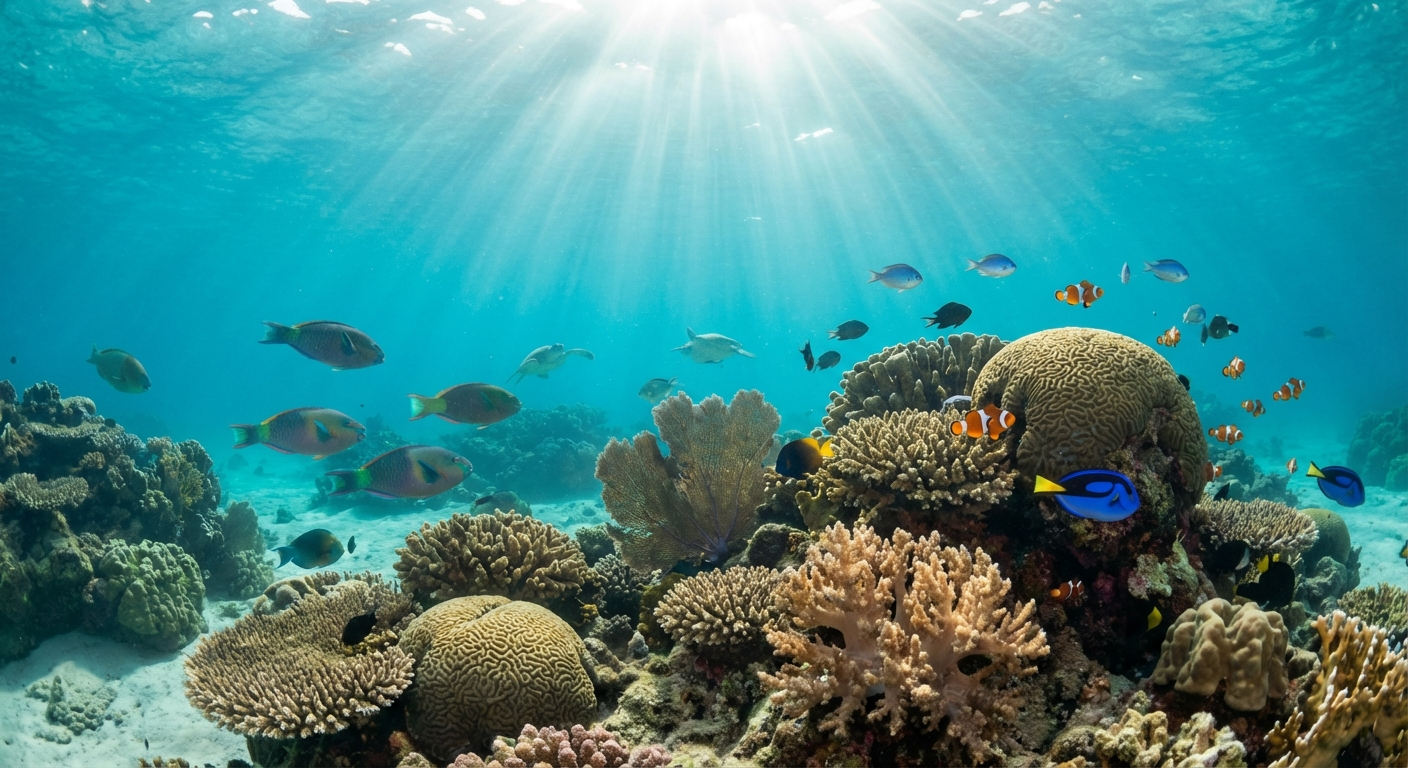
Siquijor Coral Gardens: Best Snorkeling and Reef Exploration Spots
Explore Siquijor's vibrant coral gardens and top snorkeling spots from Tubod Marine Sanctuary to Paliton reef. Complete guide to underwater exploration.
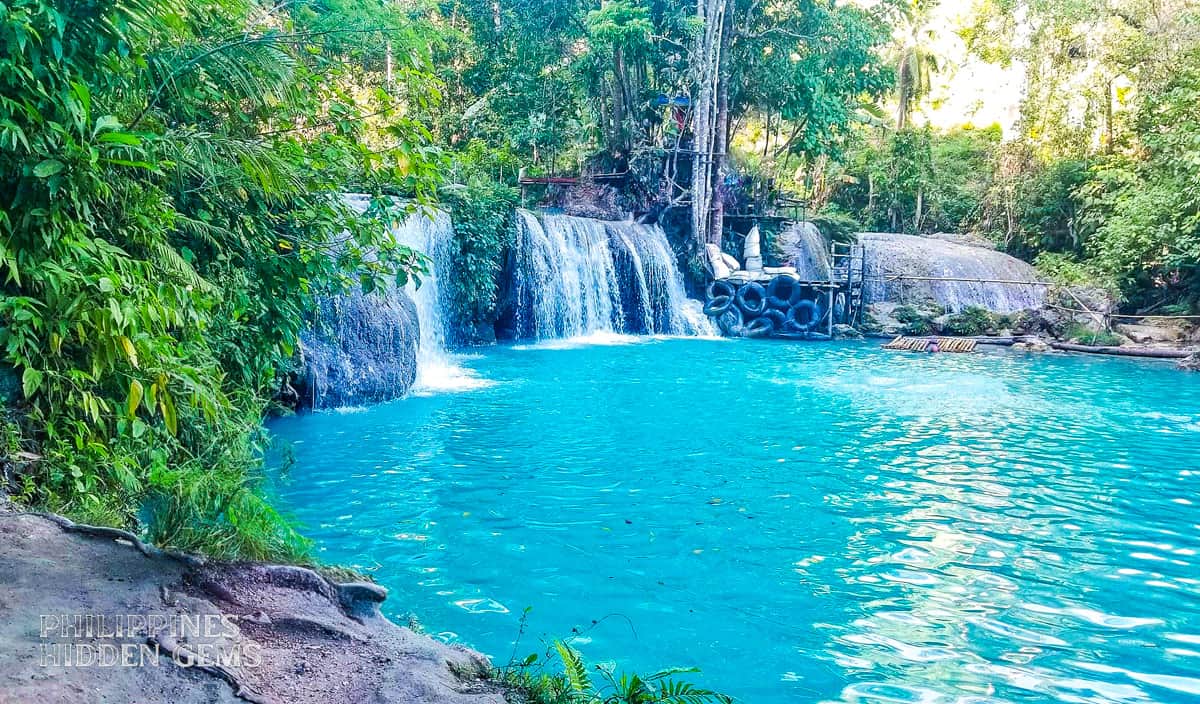
Cambugahay Falls: Siquijor's Most Beautiful Waterfall
Complete guide to visiting Cambugahay Falls - Siquijor's crown jewel featuring three tiers of turquoise water, rope swings, and natural pools.
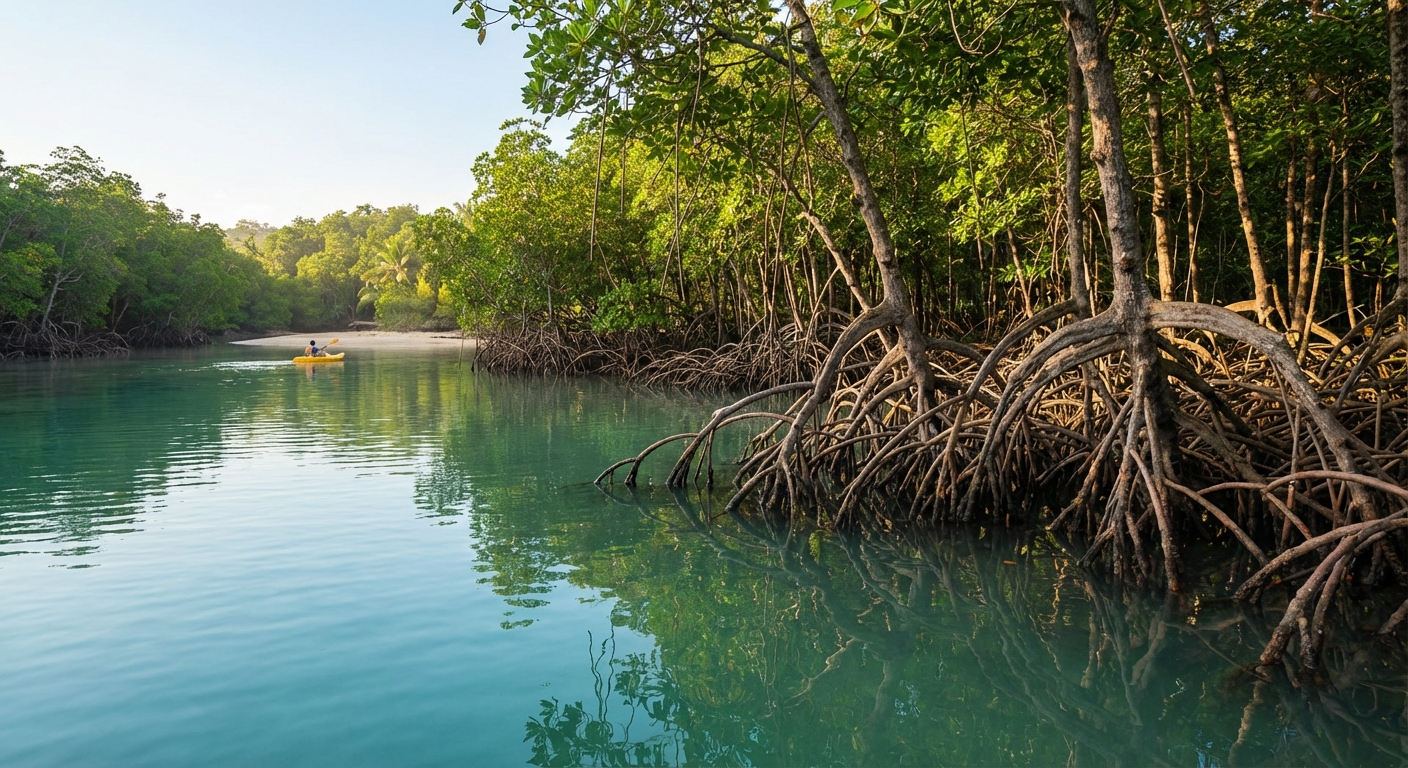
Siquijor Mangrove Forests: Kayaking and Nature Walks Through Coastal Ecosystems
Explore Siquijor's mangrove forests by kayak or on foot. Complete guide to the island's coastal ecosystems, best mangrove sites, wildlife, and eco-tourism opportunities.