Siquijor Coral Gardens: Best Snorkeling and Reef Exploration Spots
Explore Siquijor's vibrant coral gardens and top snorkeling spots from Tubod Marine Sanctuary to Paliton reef. Complete guide to underwater exploration.
Siquijor Island sits in the heart of the Visayan Sea, surrounded by some of the most biodiverse coral reef systems in the Philippines. While the island is famous for its waterfalls, centuries-old balete trees, and mystical folklore, the underwater world just off its shores rivals any top-tier snorkeling destination in Southeast Asia. From thriving marine sanctuaries to hidden reef flats accessible right from the beach, Siquijor’s coral gardens offer an extraordinary window into tropical marine life without the crowds that plague more popular Philippine dive spots.
Why Siquijor Is a Hidden Gem for Snorkeling
The Coral Triangle, the global epicenter of marine biodiversity, encompasses the waters surrounding Siquijor. This means the island benefits from an incredible concentration of coral species, reef fish, and marine invertebrates found nowhere else on Earth. Unlike heavily touristed spots like Moalboal or El Nido, Siquijor sees a fraction of the visitor traffic, which translates to healthier reefs, calmer waters, and a more intimate underwater experience.
The island’s coastline stretches roughly 102 kilometers, with coral formations fringing much of the western and southern shores. Several community-managed marine sanctuaries have been established over the past two decades, and the results are visible. Fish populations have rebounded, coral coverage has expanded, and species that were once rare in the area are now regularly spotted by snorkelers wading in from the shore.
Top Snorkeling Spots Around Siquijor
Tubod Marine Sanctuary
Located in the municipality of San Juan along the island’s western coast, Tubod Marine Sanctuary is widely considered the best snorkeling spot on Siquijor. The sanctuary covers a protected stretch of reef that begins just 10 to 15 meters from the shoreline, making it accessible even for beginners who prefer to stay in shallow water.
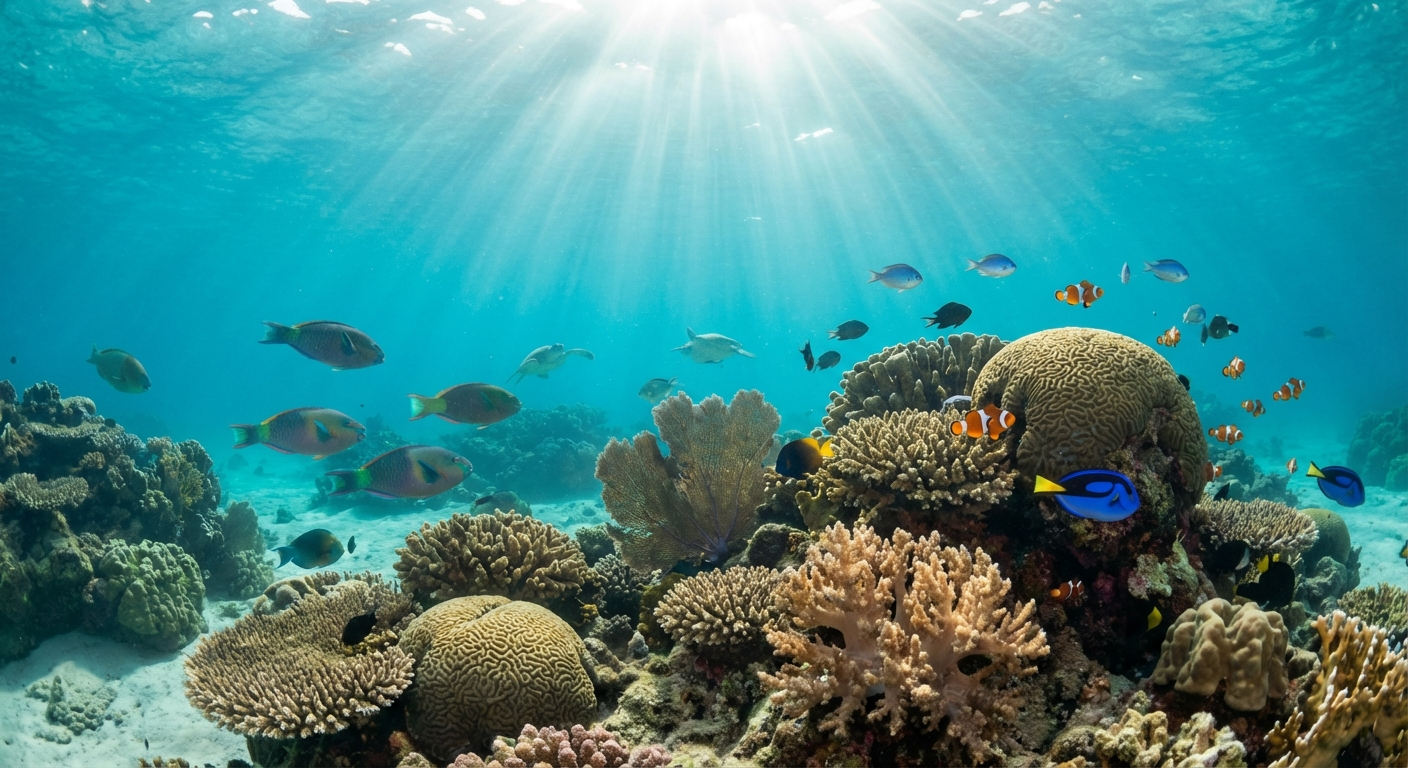
The coral here is remarkably healthy, with large table corals, staghorn formations, and soft corals creating a dense underwater landscape. Schools of sergeant majors, damselfish, and butterflyfish patrol the shallows, while larger species like parrotfish and wrasse cruise the reef edges. On a good day, you may spot juvenile blacktip reef sharks and sea turtles grazing on seagrass nearby.
Entrance fee: P50 per person. Getting there: Tubod is along the main coastal road in San Juan, about 15 minutes by motorbike from the Siquijor port. Look for the signage near the Tubod Beach Resort area. Tricycle fare from San Juan town proper runs about P50 to P80.
Paliton Beach Reef
Paliton Beach gained fame for its photogenic line of coconut palms leaning over white sand, but the reef system just offshore deserves equal attention. The snorkeling area sits about 30 to 50 meters from the beach, over a sandy bottom that transitions into a coral shelf dropping off to deeper water.
The reef here features a mix of hard and soft corals with excellent biodiversity. Anemones hosting families of clownfish are scattered across the reef flat, and the deeper edges attract schools of fusiliers, jacks, and occasionally reef squid. The water is typically calm during the morning hours, with visibility reaching 15 to 20 meters on clear days.
Entrance fee: Free, though some local caretakers may ask for a small voluntary donation of P20 to P50. Getting there: Paliton Beach is in San Juan, roughly 5 kilometers south of the town center. The access road is narrow, so motorbike or tricycle is the easiest option. Tricycle fare is around P50 from San Juan.
Caticugan Reef
On the southern coast near the town of Maria, Caticugan offers a less-visited but rewarding snorkeling experience. The reef here extends further from shore, so you may want to hire a local bangka (outrigger boat) to reach the best sections. Boatmen in the area typically charge P300 to P500 for a one- to two-hour snorkeling trip.
Caticugan’s reef is known for its impressive coral diversity, including massive porites corals estimated to be several decades old. The area is home to giant clams nestled among the coral heads, their mantles displaying vivid blues, greens, and purples. Triggerfish, moorish idols, and lionfish are common sightings, and lucky snorkelers may encounter green sea turtles resting on the reef.
Entrance fee: Free at the open reef; guided boat trips are charged per group. Getting there: Caticugan is about 30 minutes by motorbike from Siquijor town, heading south along the coastal road through Maria. Ask locals for the Caticugan fish sanctuary marker.
Sandugan Area
The Sandugan coastline on Siquijor’s northeastern shore provides a different snorkeling character. The reef here sits closer to the port town and features a broad, shallow reef flat that extends well offshore before dropping into deeper channels. This makes it ideal for leisurely snorkeling, as you can float over wide coral gardens in waist- to chest-deep water.
Sandugan is particularly good for spotting nudibranchs, sea stars, and small reef creatures that thrive in the shallows. The area also supports seagrass beds where juvenile fish hide, and hawksbill turtles are occasional visitors. Because this spot is close to the Siquijor port, it is convenient for travelers arriving by ferry who want to snorkel before heading to their accommodation.
Entrance fee: Free. Getting there: Sandugan is within walking distance of the Siquijor town port, about 1 to 2 kilometers north along the coast. A tricycle ride costs P30 to P50.
Salagdoong Offshore Reef
Salagdoong Beach in the municipality of Maria is famous for its cliff-jumping platforms, but the offshore reef accessible by bangka is a hidden treasure for snorkelers. The reef sits about 200 meters from the main beach, beyond the swimming area, and features a dramatic wall that drops from 3 meters to over 15 meters.
Snorkeling along this wall reveals dense coral growth, sea fans, and barrel sponges. Pelagic fish occasionally pass through the deeper water, and the wall itself hosts cleaning stations where you can observe wrasse picking parasites off larger fish. This is one of the more advanced snorkeling spots on the island due to the depth and occasional current, so it is best suited for confident swimmers.
Entrance fee: P30 for Salagdoong Beach access, plus P300 to P500 for a bangka to the offshore reef. Getting there: Salagdoong is about 20 minutes by motorbike from Maria town center. The road is paved and well-marked.
Marine Life You Will Encounter
Siquijor’s reefs support a staggering diversity of marine species. Even on a casual snorkeling session, you can expect to see dozens of fish species. Clownfish are among the most popular sightings, with several species of anemonefish found across different reef sites. Parrotfish are abundant and easy to identify by their beak-like mouths and vibrant coloring. Schools of anthias hover over coral heads in clouds of orange and pink, while moray eels peek out from crevices.
Green sea turtles and hawksbill turtles frequent several of the island’s reefs, particularly around Tubod and Caticugan. Giant clams, some measuring over half a meter across, are found embedded in the reef substrate at multiple sites. Keep an eye on the sandy patches between coral formations for blue-spotted stingrays and garden eels swaying in the current.
Best Time to Snorkel in Siquijor
The optimal window for snorkeling in Siquijor falls between March and May, when the seas are calmest and underwater visibility regularly exceeds 20 meters. The northeast monsoon (amihan) season from November through February can bring choppier waters, particularly on the eastern and northern coasts, though the western side around San Juan often remains sheltered.
June through October sees the southwest monsoon (habagat), which can reduce visibility and create swells on the western shores. However, calm days still occur frequently, and snorkeling remains possible year-round. Early morning sessions, between 6 AM and 9 AM, consistently offer the best conditions regardless of season, with flatter water and softer light that makes underwater colors more vivid.
Gear Rental and Guided Tours
Most beachfront resorts and guesthouses on Siquijor offer basic snorkeling gear for rent. A mask and snorkel set typically costs P100 to P200 per day, while fins add another P50 to P100. The quality of rental gear varies, so bringing your own mask is recommended for a proper seal and clear vision. Compact travel snorkel sets are available at shops in Dumaguete before you take the ferry over.
Several local operators offer guided snorkeling tours that combine multiple reef sites into a half-day or full-day excursion. These tours typically run P800 to P1,500 per person and include gear, a bangka, and a guide who knows where the best coral formations and marine life congregate. Multi-site tours usually cover Tubod, Paliton, and one southern reef, with a beach lunch included in the higher-priced packages.
For those who prefer exploring independently, every major snorkeling spot is accessible by renting a motorbike for P300 to P400 per day and riding the coastal road. The island’s circumference road is only about 72 kilometers, so reaching any reef site takes 30 minutes or less from most accommodations.
Marine Sanctuary Fees and Conservation Efforts
Siquijor’s marine sanctuaries operate under community-based management, with entrance fees funding reef monitoring, marker buoy maintenance, and local livelihood programs. Fees are modest, generally ranging from free to P100, and are collected by local wardens at each site.
These conservation programs have produced measurable results. Fish biomass inside sanctuaries has increased significantly compared to unprotected areas, and coral cover has improved in zones where destructive fishing practices were previously common. Visitors can support these efforts by paying the requested fees, avoiding contact with coral, and reporting any illegal fishing activity they observe.
It is important to use reef-safe sunscreen when snorkeling, as chemical sunscreens containing oxybenzone and octinoxate contribute to coral bleaching. Mineral-based sunscreens with zinc oxide or titanium dioxide are the preferred alternative. Several shops in San Juan and Siquijor town now stock reef-safe options.
Safety Tips for Snorkeling in Siquijor
Snorkeling in Siquijor is generally safe, but a few precautions will ensure a trouble-free experience. Always check with local boatmen or resort staff about current conditions before entering the water, as currents can shift with the tide and weather. Wear a rash guard or wetsuit top to protect against sun exposure and minor jellyfish stings, which are uncommon but possible during certain months.
Avoid stepping on the reef, both for your safety and the health of the coral. Fire coral and sea urchins can cause painful injuries, and standing on coral formations damages years of growth in an instant. Use a life vest if you are not a strong swimmer, as rental vests are available for P50 to P100 at most sanctuary entry points.
Stay aware of boat traffic, especially at popular spots like Salagdoong where bangkas operate near swimmers. A brightly colored snorkel or dive flag increases your visibility to boatmen. Finally, never snorkel alone. Pair up with a travel companion or join a guided group for safety.
Planning Your Siquijor Snorkeling Trip
Getting to Siquijor is straightforward. Regular ferries depart from Dumaguete in Negros Oriental, with the crossing taking 45 minutes to 1.5 hours depending on the vessel. From Cebu, ferries also run to Larena port on the island’s northern coast. Once on the island, motorbike rental is the most practical way to hop between snorkeling sites at your own pace.
Budget at least two to three days to explore the island’s best reefs without rushing. Combine morning snorkeling sessions with afternoon visits to Siquijor’s inland attractions like Cambugahay Falls or the enchanted balete tree for a well-rounded itinerary. Accommodation ranges from budget guesthouses at P500 per night to boutique beachfront resorts at P3,000 and above, with many located conveniently close to the top snorkeling spots in San Juan.
Siquijor’s coral gardens remain one of the Philippines’ best-kept underwater secrets. Whether you are a first-time snorkeler floating over shallow reef flats or an experienced freediver exploring offshore walls, the island delivers a marine experience that is rich, uncrowded, and deeply rewarding.
Related Attractions
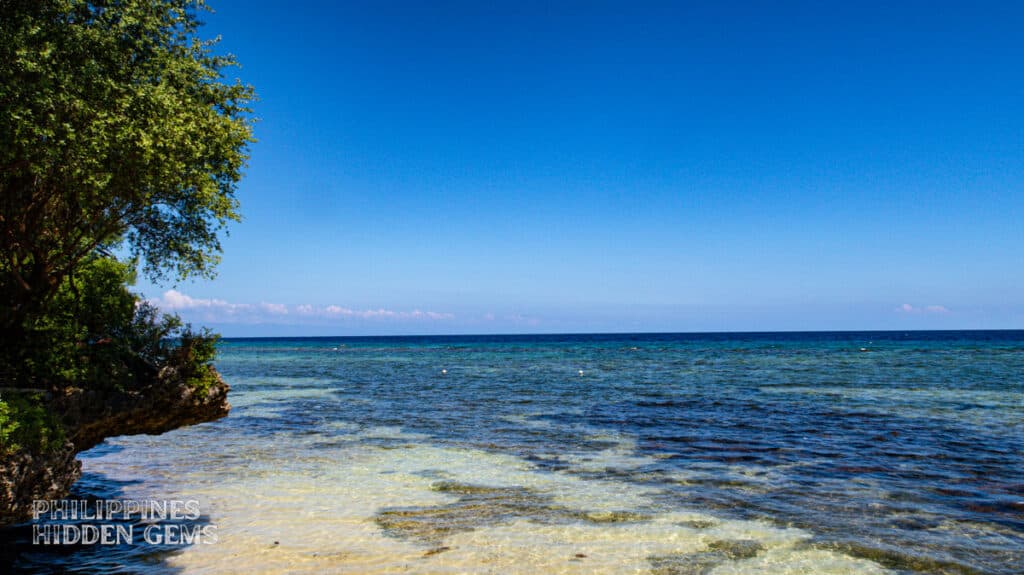
Snorkeling in Siquijor: Marine Sanctuaries & Best Spots
Discover Siquijor's best snorkeling spots - from Tubod Marine Sanctuary to hidden reefs. Complete guide to marine sanctuaries, turtle sightings, and underwater exploration.
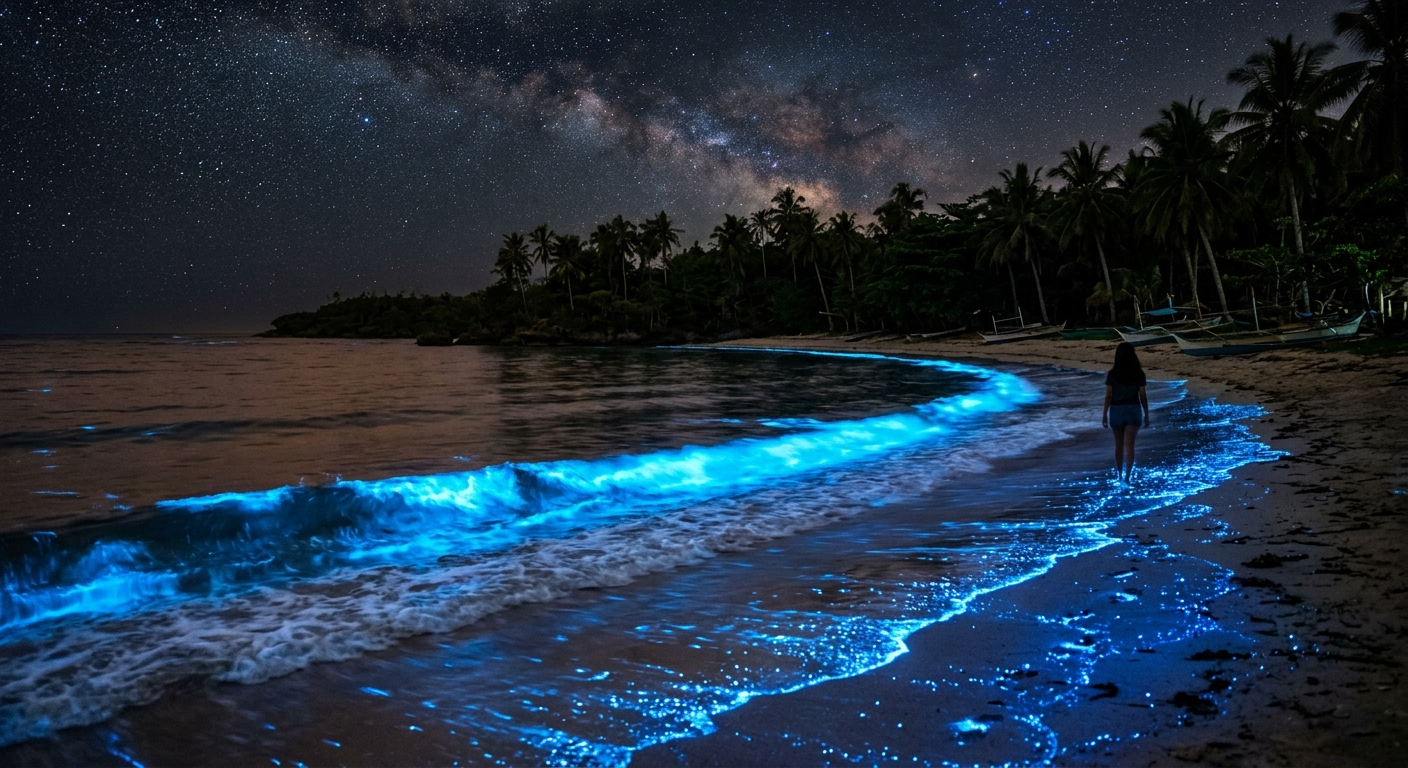
Siquijor Marine Magic: Experiencing the Bioluminescent Waters
Discover the magical bioluminescent waters of Siquijor Island. Complete guide to the glowing plankton phenomenon, best viewing spots, optimal timing, and tips for witnessing this natural light show.
Diving in Siquijor: Complete Scuba & Snorkeling Guide
Everything you need to know about diving in Siquijor - best dive sites, dive shops, marine life, and conditions for underwater exploration around the island.