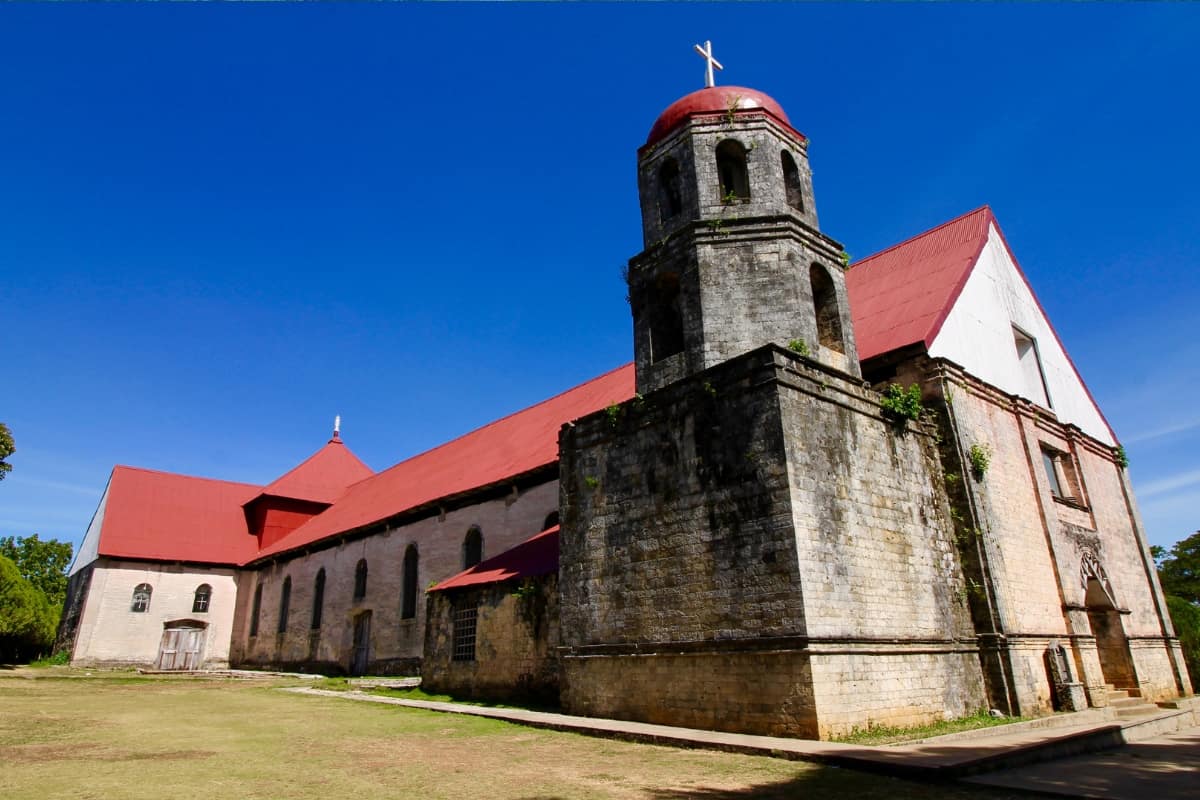
Siquijor Churches & Heritage Sites: Historic Tour Guide
Explore Siquijor's Spanish colonial heritage through its centuries-old churches, convents, and watchtowers. A complete guide to the island's historical landmarks.
Spanish Colonial Legacy
When Spanish missionaries arrived in Siquijor in the 16th century, they found an island they called “Isla del Fuego” (Island of Fire) due to the fireflies that lit up its shores. They also found resilient communities they would spend centuries trying to convert.
The churches that remain today are monuments to that era—built from coral stone, hardwood, and the labor of Filipino hands, they blend European ecclesiastical architecture with tropical practicality.
Must-Visit Heritage Sites
1. San Isidro Labrador Church & Convent (Lazi) ⭐
The crown jewel of Siquijor’s heritage sites, this complex is considered one of the most significant Spanish colonial religious structures in the Philippines.
The Church:
- Built: 1857-1884 (27 years to complete)
- Style: Baroque architecture
- Material: Coral stone blocks
- Features: Bell tower, ornate facade, wooden interior
The Convent:
- One of the largest convents in Asia
- Massive wooden structure
- Original hardwood floors (centuries old)
- Two-story design with wide hallways
Details:
| Info | Detail |
|---|---|
| Location | Lazi town center |
| Entry | Free (donations appreciated) |
| Hours | 6:00 AM - 6:00 PM |
| Mass | 6:00 AM daily, 8:00 AM Sunday |
| UNESCO | Tentative list since 1993 |
What to Notice:
- The coral stone facade weathered by centuries
- Original wooden floors inside the convent
- The massive roof beams (single trees)
- Spanish-era religious artifacts
- The peaceful courtyard gardens
Photography:
- Best light: 7:00-9:00 AM
- Exterior shots from the plaza
- Interior allowed (no flash during mass)
2. St. Francis of Assisi Church (Siquijor Town)
The main church of the capital town, with a history dating back to the earliest Spanish contact.
History:
- Original structure: 1783
- Rebuilt multiple times after fires and typhoons
- Current structure: Mid-1800s restoration
Architecture:
- Simpler than Lazi Church
- Coral stone construction
- Prominent bell tower
- Clean, whitewashed interior
Details:
| Info | Detail |
|---|---|
| Location | Siquijor Town plaza |
| Entry | Free |
| Hours | 6:00 AM - 7:00 PM |
| Mass | Multiple daily |
Nearby:
- Town plaza and park
- Local government buildings
- Markets and restaurants
3. Cang-Isok House
The oldest house in Siquijor, now a small museum offering a window into 19th-century island life.
The House:
- Built: 1880s
- Style: Traditional Filipino-Spanish bahay na bato
- Material: Coral stone foundation, hardwood upper floor
- Condition: Preserved but aging
What You’ll See:
- Original furniture and household items
- Period photographs
- Traditional tools and implements
- Family heirlooms
Details:
| Info | Detail |
|---|---|
| Location | Near Lazi Church |
| Entry | ₱20-50 donation |
| Hours | Irregular (knock if closed) |
| Duration | 20-30 minutes |
4. Spanish Watchtowers (Baluarte)
Several watchtowers dot Siquijor’s coastline, remnants of the Spanish colonial defense system against Moro raiders.
Paliton Watchtower:
- Best preserved
- Near Paliton Beach
- Coral stone construction
- Offers coastal views
Other Towers:
- Tubod Tower (partially ruined)
- San Juan Tower (remnants)
Historical Context: These towers were part of the “baluarte” system—a network of coastal fortifications across the Visayas designed to warn communities of approaching Moro pirates from Mindanao.
5. Lazi Bell Tower
Separate from the main church, this bell tower stands as an independent structure in the Lazi complex.
Features:
- Three-story coral stone tower
- Original bells still in place
- Accessible to visitors (when open)
- Panoramic views from top
Church Etiquette
Dress Code
- Required: Cover shoulders and knees
- Bring: Light cardigan or sarong for coverage
- Avoid: Tank tops, short shorts, beachwear
During Visits
- Remove hats inside
- Speak softly
- Don’t interrupt mass or prayers
- Ask before photographing people
- Turn off phone sounds
Photography
- Generally allowed outside of mass
- No flash inside
- Don’t photograph parishioners without consent
- Be discreet and respectful
Historic Architecture Tour
Half-Day Heritage Route
Morning Itinerary:
| Time | Stop | Duration |
|---|---|---|
| 8:00 AM | St. Francis Church (Siquijor) | 30 min |
| 9:00 AM | Drive to Lazi | 20 min |
| 9:30 AM | San Isidro Labrador Church | 45 min |
| 10:15 AM | Lazi Convent | 30 min |
| 11:00 AM | Cang-Isok House | 30 min |
| 11:45 AM | Lunch in Lazi | - |
Afternoon Extension:
- Balete Tree (20 min)
- Cambugahay Falls (1.5 hrs)
- Paliton Watchtower (15 min)
Understanding the Architecture
Building Materials
Coral Stone:
- Harvested from shallow reefs
- Cut into blocks
- Mixed with lime mortar
- Now protected (no longer harvested)
Hardwood:
- Molave, narra, ipil trees
- Extremely durable
- Some beams are single trees
- Termite-resistant
Roofing:
- Originally nipa palm or tile
- Now corrugated metal (preservation)
- Traditional tiles visible on some structures
Architectural Features
Baroque Elements:
- Ornate facades
- Bell towers (campanarios)
- Arched windows and doorways
- Religious sculptural details
Tropical Adaptations:
- High ceilings for airflow
- Wide eaves for rain protection
- Open courtyards
- Thick walls for cooling
The Churches of Each Municipality
| Municipality | Church | Notable Feature |
|---|---|---|
| Siquijor | St. Francis of Assisi | Central location, oldest parish |
| Lazi | San Isidro Labrador | Largest, most ornate |
| San Juan | St. John the Baptist | Seaside setting |
| Maria | Sta. Maria | Mountain backdrop |
| Enrique Villanueva | St. James | Quiet, authentic |
| Larena | St. Vincent Ferrer | Port town church |
Religious Calendar
Major Celebrations
Fiesta Schedule:
| Month | Celebration | Location |
|---|---|---|
| January | Santo Niño | Island-wide |
| March/April | Holy Week | All churches |
| May | Flores de Mayo | All churches |
| September | Patronal Fiestas | Various |
| December | Christmas Season | All churches |
Holy Week Special: The Aninag Festival coincides with Holy Week, making this the most culturally significant time to visit Siquijor’s churches.
Preservation Challenges
Siquijor’s heritage sites face ongoing challenges:
Threats:
- Tropical climate deterioration
- Termite and pest damage
- Limited restoration funding
- Earthquakes (2013 Bohol quake caused damage)
- Inappropriate repairs
Conservation Efforts:
- National Museum oversight
- Local heritage advocacy groups
- Church-led maintenance
- Tourism revenue supporting upkeep
How Visitors Help:
- Entrance donations support maintenance
- Respectful visits encourage preservation
- Tourism revenue creates economic incentive
- Awareness builds support for conservation
Photography Guide
Best Times
| Site | Optimal Time | Why |
|---|---|---|
| Lazi Church | 7:00-9:00 AM | Soft light on facade |
| Lazi Convent | Morning | Interior light through windows |
| Siquijor Church | Late afternoon | Plaza atmosphere |
| Watchtowers | Sunset | Dramatic coastal light |
Tips for Great Shots
- Use a wide-angle lens for interiors
- Shoot at low ISO for detail
- Include human elements for scale
- Capture architectural details
- Wait for good light rather than forcing shots
Combining Heritage with Other Attractions
Heritage + Nature Day
Morning: Church tour (Siquijor → Lazi) Midday: Lunch at Lazi Afternoon: Cambugahay Falls Evening: Sunset at Paliton Beach
Heritage + Mystical Day
Morning: Lazi Church complex Midday: Balete Tree Afternoon: Visit with local healer (arrange in advance) Evening: Dinner and reflection
Practical Information
What to Bring
- Modest clothing or cover-ups
- Camera (phone is fine)
- Small bills for donations
- Water
- Hat for sun protection
Best Days to Visit
- Weekday mornings (quiet, good light)
- Sunday morning (experience mass)
- During fiestas (festive, crowded)
Time Needed
- Quick visit: 2-3 hours
- Thorough tour: Half day
- With photography: Full day
Final Thoughts
Siquijor’s churches are more than tourist attractions—they’re living centers of community faith, repositories of artistic heritage, and physical links to centuries of Philippine history. Visit them not as monuments but as sacred spaces that continue to serve their original purpose.
The coral stone walls have witnessed generations of births, weddings, and funerals. The wooden floors bear the polish of countless feet walking to prayer. When you enter these spaces, you join a continuity that stretches back centuries and forward into an uncertain but hopeful future.
Continue your cultural exploration with our guide to Siquijor’s Legends and Folklore.
Related Attractions
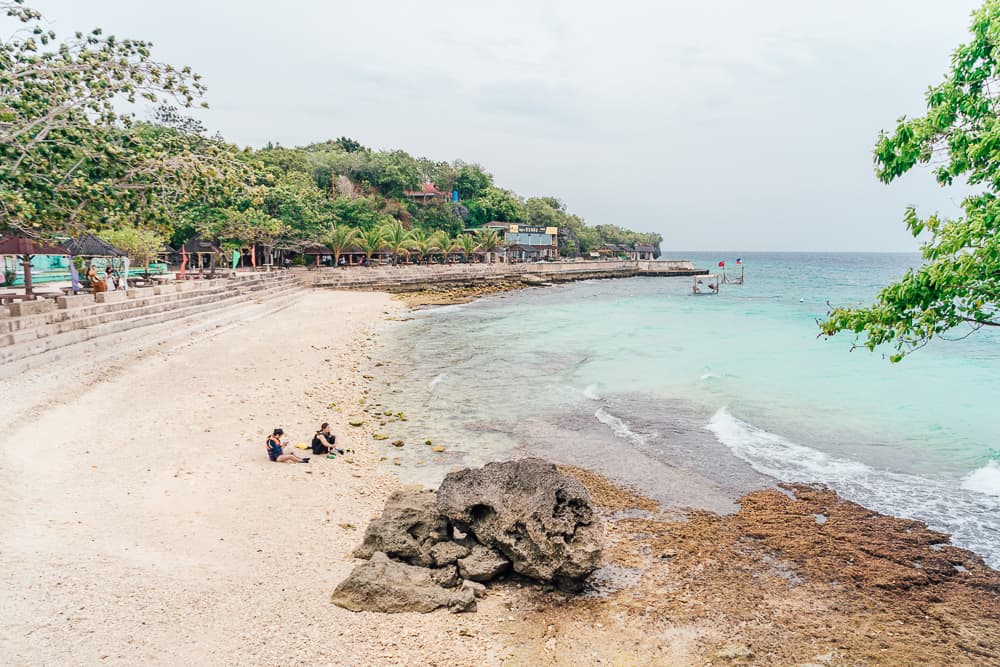
Cliff Jumping in Siquijor: Best Spots for Thrill Seekers
Complete guide to Siquijor's best cliff jumping and adventure spots - from Salagdoong Beach's famous platforms to the Mediterranean-vibes of Pitogo Cliff.
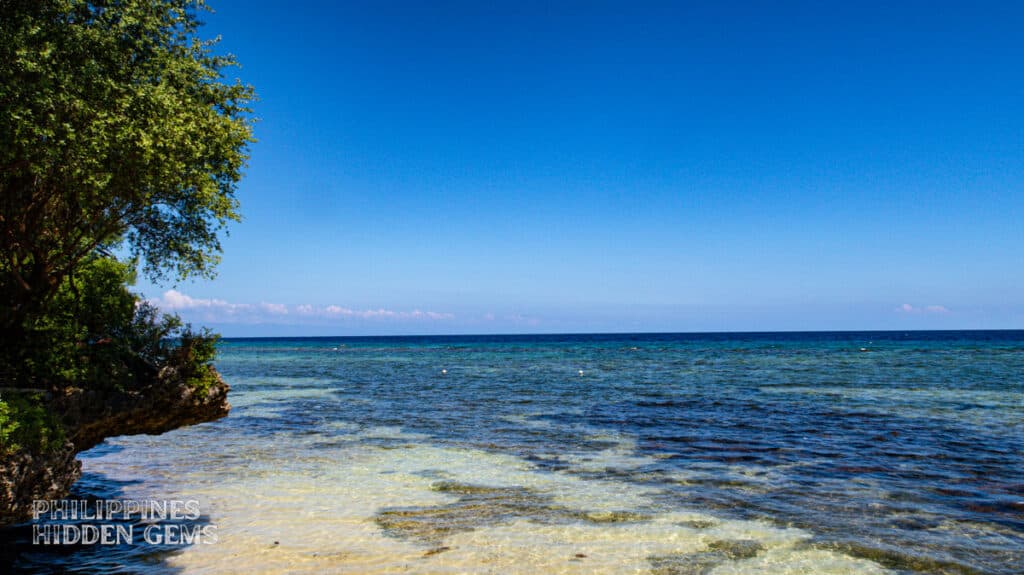
Snorkeling in Siquijor: Marine Sanctuaries & Best Spots
Discover Siquijor's best snorkeling spots - from Tubod Marine Sanctuary to hidden reefs. Complete guide to marine sanctuaries, turtle sightings, and underwater exploration.
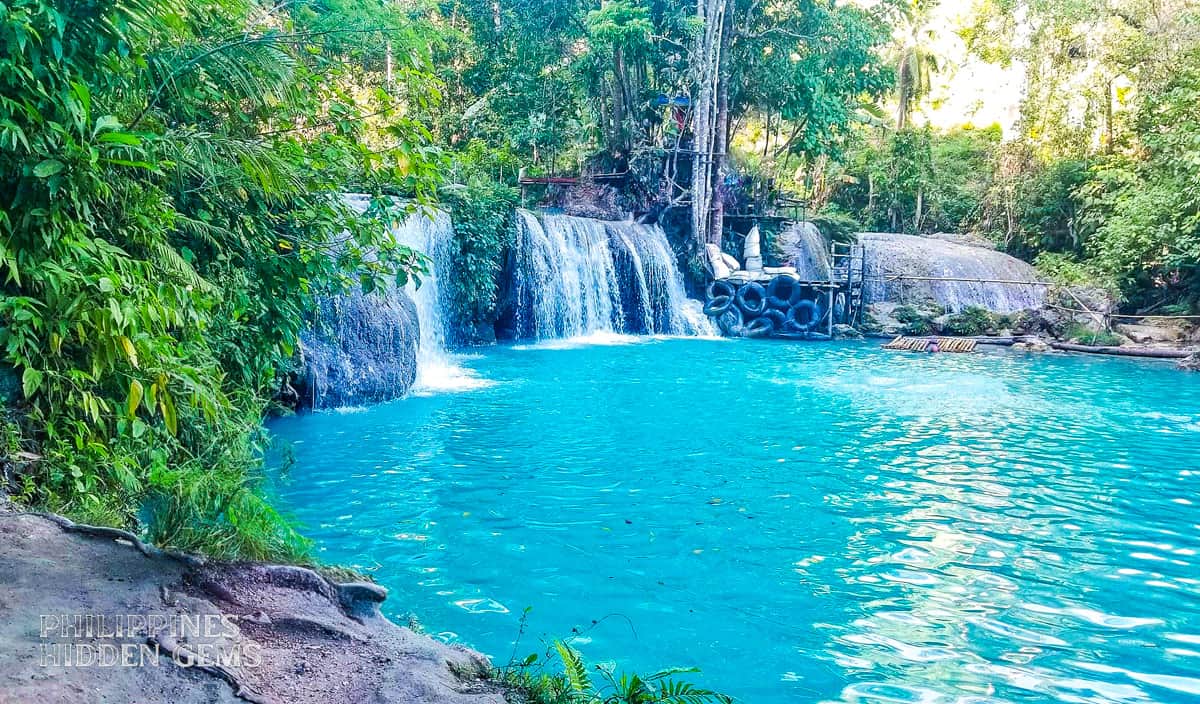
Cambugahay Falls: Siquijor's Most Beautiful Waterfall
Complete guide to visiting Cambugahay Falls - Siquijor's crown jewel featuring three tiers of turquoise water, rope swings, and natural pools.