The Mystic Island: Legends & Folklore of Siquijor
Explore the fascinating myths, legends, and folklore that earned Siquijor its reputation as the Philippines' 'Island of Fire' and mystical healing center.
The Island of Fire: Origin of the Name
When Spanish colonizers first approached Siquijor by ship in the 16th century, they witnessed an extraordinary sight: the entire island appeared to be glowing with an ethereal fire. Terrified and mesmerized, they called it the “Island of Fire” (Isla del Fuego).
The explanation? Millions of fireflies illuminating the molave trees that once covered the island’s coastline. To the arriving Spaniards, unfamiliar with such natural phenomena, it seemed nothing short of supernatural.
This first impression set the tone for centuries of mystical associations that would follow.
Understanding Siquijor’s Mystical Reputation
Before we explore the legends, it’s important to understand what makes Siquijor different. The island’s reputation stems from three interconnected factors:
- Isolation: Until modern ferries, Siquijor was difficult to reach, allowing unique practices to develop undisturbed
- Healing traditions: The island became known for traditional medicine and faith healing
- Misunderstanding: Outsiders often confused healing practices with “witchcraft”
The Healers: Mananambal and Mambabarang
Who Are the Mananambal?
The mananambal (also spelled mananambál) are traditional healers who have practiced for generations in Siquijor. They use a combination of:
- Herbal medicine: Locally gathered plants and roots
- Spiritual healing: Prayer, ritual, and energy work
- Folk remedies: Traditional techniques passed down through families
These healers are highly respected within their communities. They treat everything from physical ailments to spiritual concerns, and visitors from across the Philippines seek their services.
The Mambabarang Myth
Where there are healers, superstition creates their opposite: the mambabarang or mangkukulam. These are the supposed practitioners of “dark magic” that outsiders whisper about.
In reality, belief in mambabarang is similar to beliefs in witches found in cultures worldwide. It’s a way of explaining misfortune, illness, or conflict. Most Siquijodnons will tell you that while the stories exist, actual malicious practitioners are extremely rare—if they exist at all.
The truth: The vast majority of traditional practitioners in Siquijor are healers focused on helping people, not harming them.
Famous Legends of Siquijor
The Balete Tree Spirits
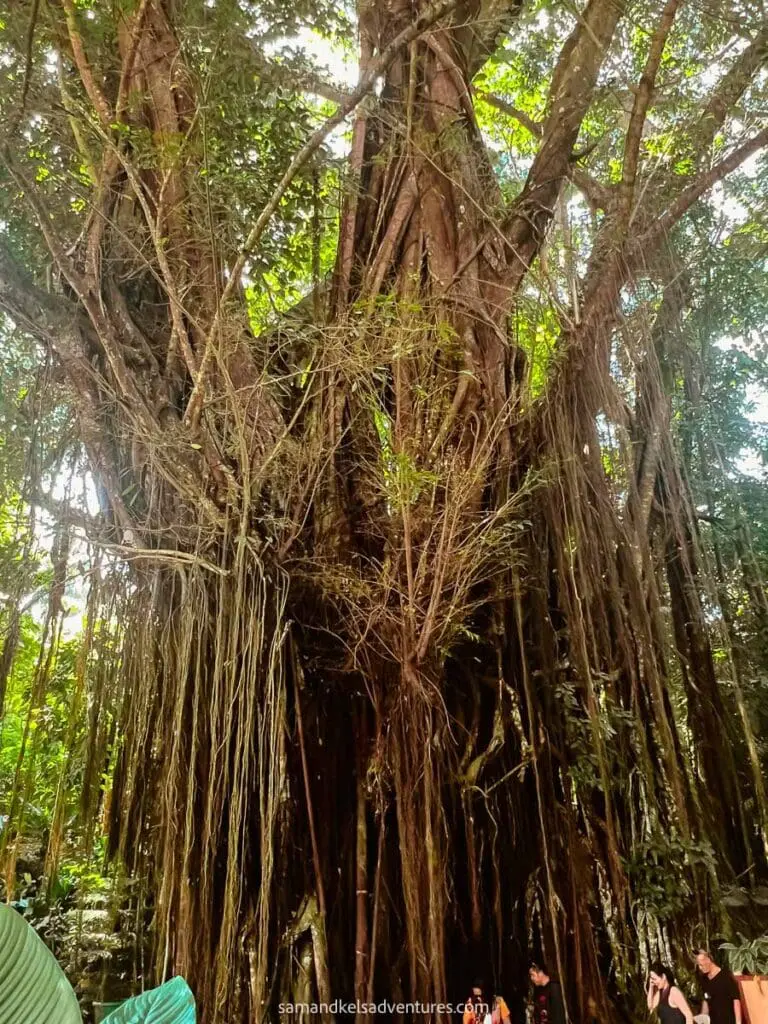
The ancient balete trees (strangler figs) found throughout Siquijor are said to be home to spirits and elementals. The most famous is the 400-year-old Balete Tree in Lazi, where:
- Engkanto (nature spirits) are believed to dwell in the roots
- Visitors must ask permission before approaching
- Offerings are sometimes left to appease the spirits
The fish spa at the base of this tree adds to its mystical reputation—the fish that nibble your feet are seen by some as the spirits’ helpers.
Love Potions and Gayuma
Perhaps the most commercialized legend is that of gayuma—love potions and charms. Visitors often seek these as souvenirs or, sometimes, with serious intent.
Traditional gayuma ingredients might include:
- Special oils
- Herbal mixtures
- Blessed objects
- Written prayers
Reality check: Most “love potions” sold to tourists are harmless herbal mixtures or scented oils. They’re more placebo than potion, but they make excellent souvenirs!
The Aswang Legend
No discussion of Philippine folklore is complete without the aswang—shape-shifting creatures that appear in stories throughout the country. Siquijor’s association with healing traditions unfortunately led outsiders to connect the island with aswang myths.
Important to know:
- Aswang legends exist throughout the Philippines, not just Siquijor
- Siquijodnons don’t appreciate their island being stereotyped this way
- The island is completely safe—this is folklore, not reality
The Healing Festival: Aninag
Every Holy Week, Siquijor hosts the Aninag Festival, when healers gather to replenish their supplies and perform rituals. The festival offers a rare glimpse into traditional practices:
What Happens During Aninag
- Herb gathering: Healers collect medicinal plants under specific conditions
- Oil brewing: Traditional healing oils are prepared
- Rituals: Prayers and ceremonies are conducted
- Gatherings: Healers share knowledge and techniques
This is the most authentic time to experience Siquijor’s healing traditions, though it’s important to approach with respect rather than as entertainment.
Separating Myth from Reality
What’s Real
- Traditional healers exist and practice regularly
- Herbal medicine is effective for many conditions
- Spiritual beliefs are genuine and important to the community
- The island’s history is unique and worthy of respect
What’s Exaggerated
- Siquijor is not a “dark” or dangerous place
- There are no more supernatural occurrences here than anywhere else
- Most tourists never encounter anything strange
- The island is one of the safest in the Philippines
Experiencing Siquijor’s Mystical Side Respectfully
If you’re interested in exploring this aspect of Siquijor culture:
Do:
- Approach with genuine curiosity and respect
- Ask permission before photographing healers or rituals
- Accept that some things may not be shared with outsiders
- Support local healers fairly (don’t haggle excessively)
- Keep an open mind without expecting supernatural experiences
Don’t:
- Treat healing traditions as entertainment
- Mock or dismiss beliefs you don’t understand
- Take photos without consent
- Expect “witch doctors” or spooky experiences
- Spread stereotypes about the island
Why the Mystical Reputation Persists
In an age of Instagram and TikTok, Siquijor’s mystical reputation has actually grown. Why?
- It’s good for tourism: Mystery attracts visitors
- It’s genuinely fascinating: The cultural practices are unique
- It’s part of identity: Siquijodnons take pride in their heritage
- Modern life craves mystery: We’re drawn to places that feel different
The Real Magic of Siquijor
After spending time on the island, most visitors discover that its true magic has nothing to do with witchcraft or supernatural powers. Instead, they find:
- A slower pace of life that feels healing in itself
- Genuine community warmth from welcoming locals
- Pristine natural beauty that seems almost otherworldly
- Traditional knowledge about plants and healing
- A connection to history and ancestral practices
Perhaps that’s the real lesson of Siquijor’s legends: the magic isn’t in potions or spells—it’s in the island’s ability to make visitors slow down, reconnect with nature, and remember that there’s more to the world than what we can easily explain.
“Siquijor is not haunted by witches. It’s enchanted by nature.” — Local saying
Whether you believe in the supernatural or not, Siquijor offers a unique window into Philippine folklore and traditional healing practices. Come with respect, leave with understanding, and you’ll discover that the island’s true magic is very real indeed.
Related Culture & History
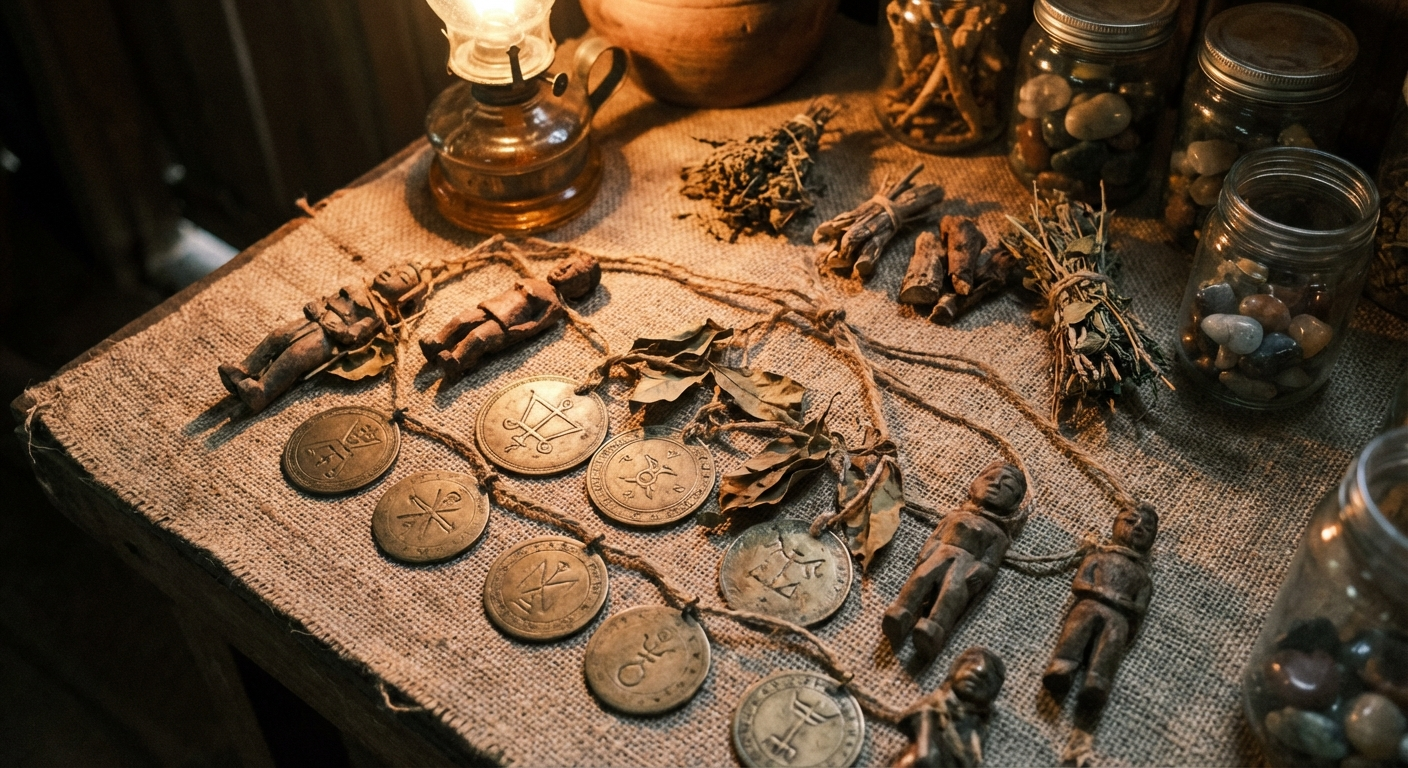
Siquijor Anting-Anting: The Island's Tradition of Protective Amulets and Talismans
Explore the deep-rooted tradition of anting-anting in Siquijor. From protective amulets to handcrafted talismans, discover how this practice shapes island culture and belief.
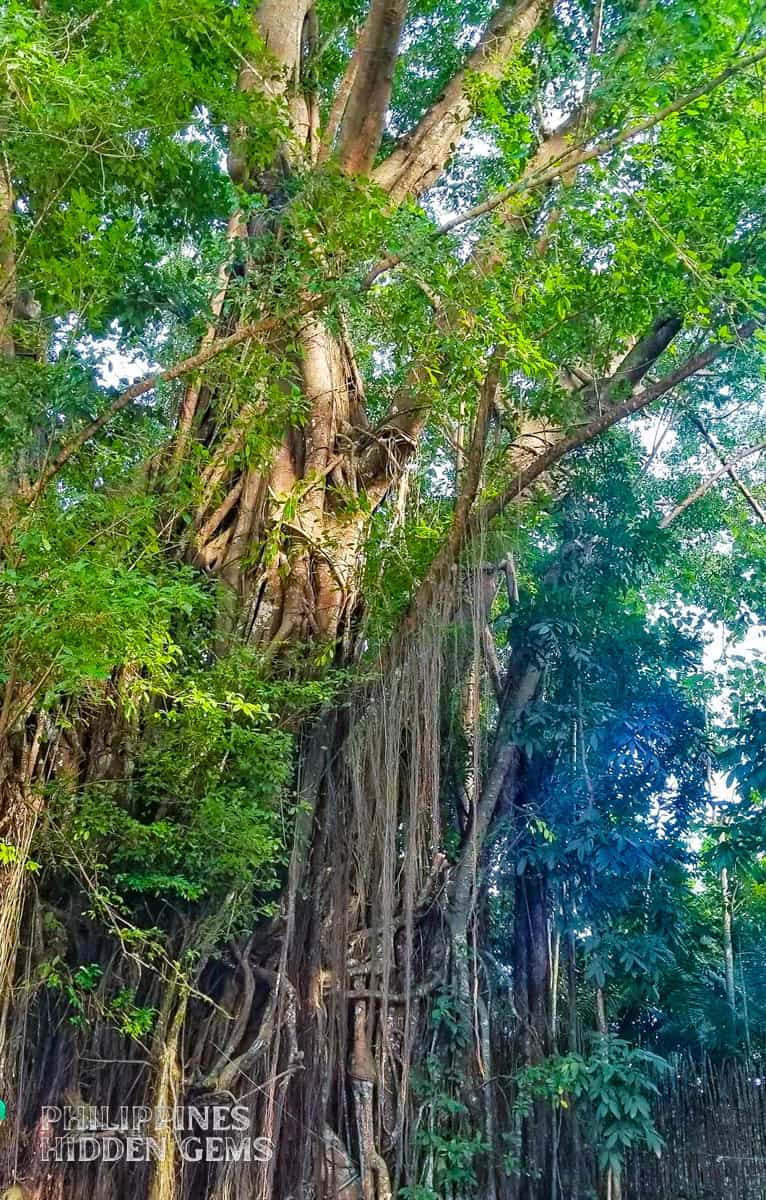
Siquijor's Mananambal: A Respectful Guide to Healing Traditions
Understanding Siquijor's traditional healers (mananambal), their practices, history, and how visitors can respectfully engage with this living cultural heritage.
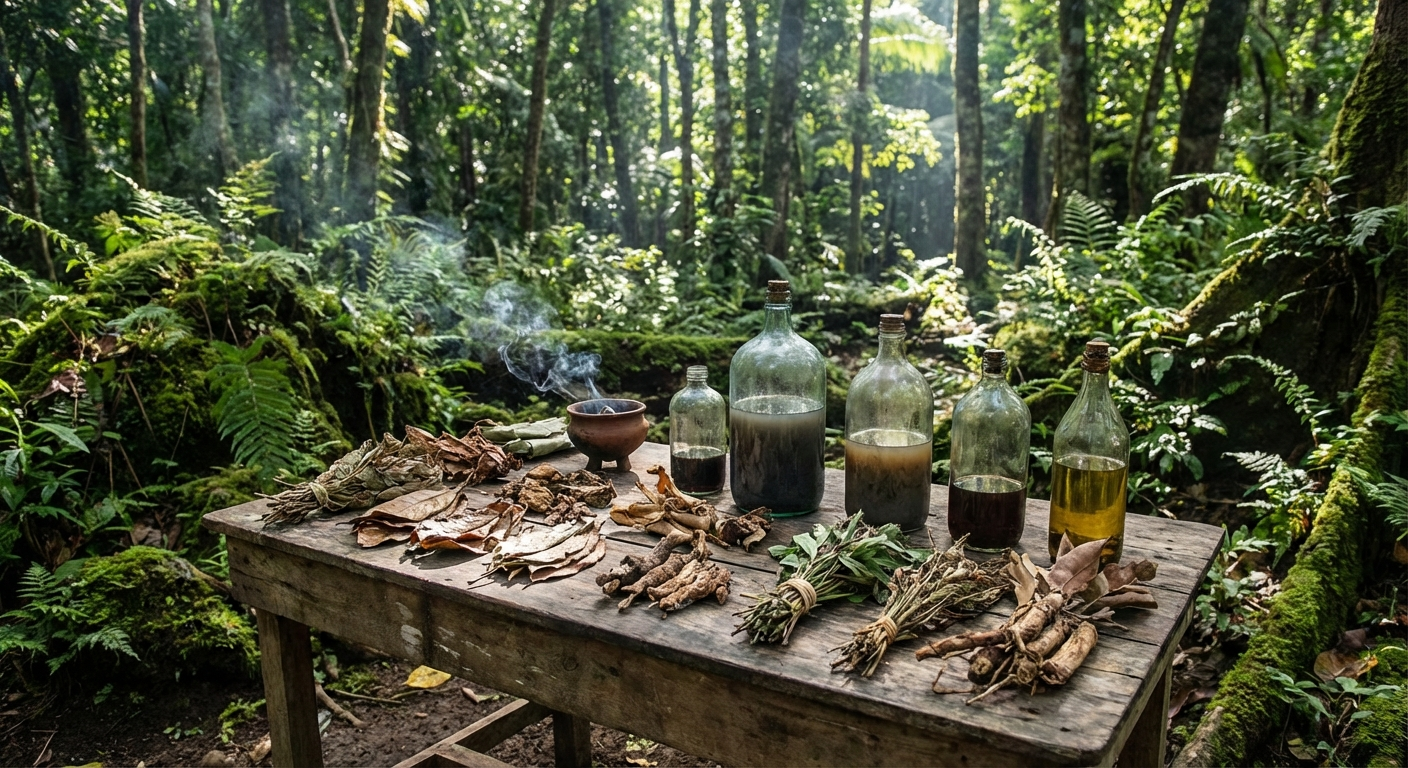
Siquijor Love Potions: The Truth Behind the Island's Legendary Gayuma
Explore the history and traditions of Siquijor's famous love potions (gayuma). Learn about ingredients, rituals, and how to respectfully experience this cultural heritage.