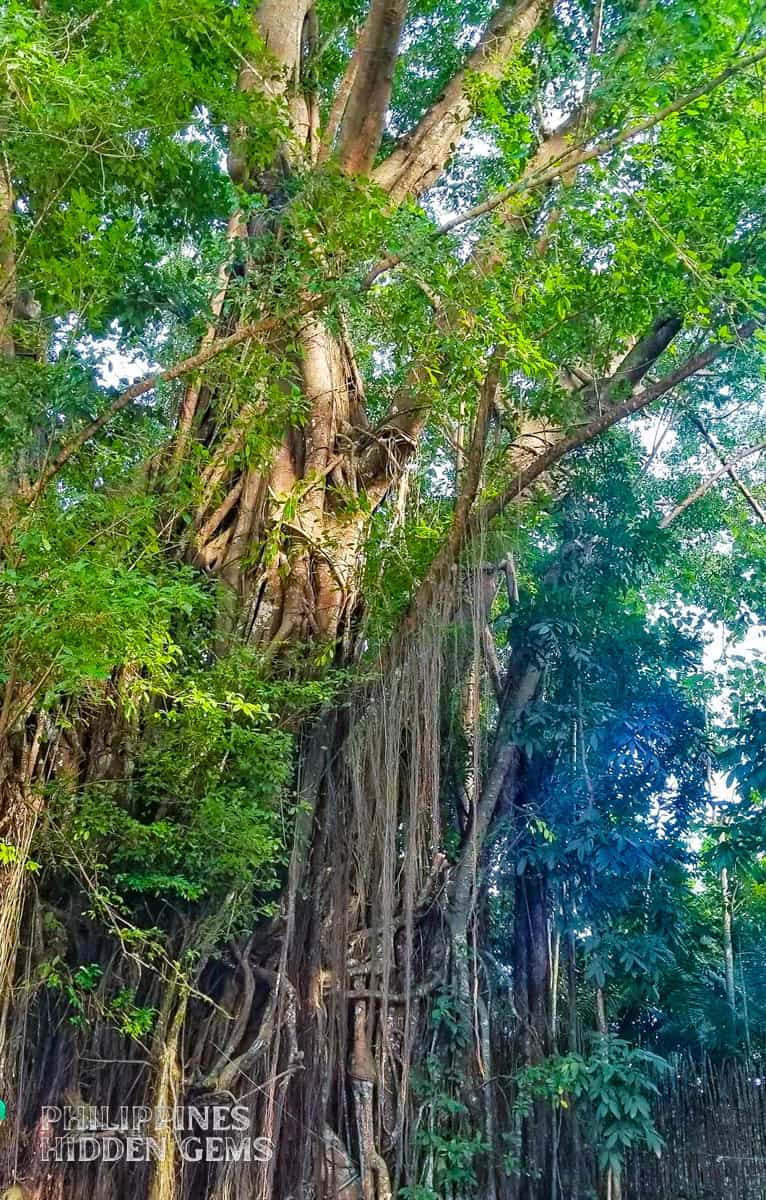
Siquijor's Mananambal: A Respectful Guide to Healing Traditions
Understanding Siquijor's traditional healers (mananambal), their practices, history, and how visitors can respectfully engage with this living cultural heritage.
Understanding the Mananambal
The word mananambal (also spelled mananambál) comes from the Cebuano word “tambal” meaning medicine or cure. A mananambal is someone who heals—a traditional healer who has practiced their craft for generations in Siquijor.
These are not the “witch doctors” of sensationalized media. They are respected community members, keepers of ancestral knowledge, and practitioners of traditional medicine that has helped their communities for centuries.
Who Are the Healers?
Profile of a Mananambal
Most mananambal share common characteristics:
Background:
- Usually from families with healing lineages
- Often elderly (knowledge takes decades to accumulate)
- Respected community elders
- Deeply religious (typically Catholic)
- Connected to the land and local plants
Training:
- Apprenticeship with family members or established healers
- Years of learning plant identification and preparation
- Development of spiritual/intuitive abilities
- Continuous practice and refinement
Specializations:
- Some focus on physical ailments
- Others specialize in spiritual healing
- Many practitioners work with both
- Each healer has unique methods and recipes
The Practice of Healing
Types of Healing Offered
1. Herbal Medicine (Tambal) The foundation of mananambal practice is detailed knowledge of medicinal plants.
Practitioners use:
- Roots, barks, and leaves
- Flowers and fruits
- Specific preparation methods
- Dosing based on experience
Common preparations:
- Teas and decoctions
- Poultices and compresses
- Oils and liniments
- Baths and washes
2. Spiritual Healing Beyond physical remedies, mananambal address spiritual concerns:
- Orasyon (prayer healing)
- Hilot (therapeutic massage with spiritual elements)
- Removal of “bad air” or negative energy
- Protection rituals
- Blessing and spiritual cleansing
3. The Healing Oil (Lana) The most famous product of Siquijor healers is lana—a medicinal oil brewed from secret combinations of herbs.
Uses include:
- Muscle pain and arthritis
- Skin conditions
- General wellness
- Spiritual protection
- “Counteracting” hexes or bad luck
The Healing Festival: Aninag
Every Holy Week, Siquijor holds the Aninag Festival when healers gather in San Antonio village to:
- Collect medicinal herbs (believed most potent during Holy Week)
- Brew the year’s supply of healing oils
- Perform rituals and prayers
- Share knowledge among practitioners
- Welcome visitors seeking healing
This is the most accessible time to witness traditional healing practices. However, it’s crucial to approach with respect rather than treating it as entertainment.
What Healers Treat
Physical Conditions
Mananambal commonly address:
- Musculoskeletal pain
- Skin conditions
- Digestive issues
- Respiratory complaints
- General fatigue
- “Undiagnosed” ailments
Spiritual Concerns
Equally important in local belief:
- Bad luck or misfortune
- Relationship problems
- Spiritual “attacks”
- Unexplained illness
- Depression or anxiety (framed spiritually)
- Protection needs
Important Disclaimer
Traditional healing should complement, not replace, modern medicine. Mananambal themselves often advise seeking hospital care for serious conditions.
The Healing Session
What Happens During a Visit
If you visit a mananambal, here’s what to expect:
1. Initial Consultation
- Discussion of your concerns
- Questions about your life and circumstances
- Physical examination (for physical complaints)
- “Reading” of your condition (various methods)
2. Diagnosis
- The healer explains what they perceive
- This may include physical and spiritual components
- They’ll suggest a treatment approach
3. Treatment
- May include prayer (orasyon)
- Massage (hilot)
- Application of oils or remedies
- Burning of herbs or incense
- Provision of items to take home
4. Follow-Up Instructions
- How to use any remedies provided
- Prayers or rituals to perform
- Behavioral recommendations
- Return visit scheduling
Duration
Sessions vary from 30 minutes to several hours depending on the condition and healer.
Finding a Mananambal
The Challenge
Unlike tourist attractions, healers aren’t listed in guidebooks. They live in communities and serve primarily local people.
How to Connect
1. Ask Locally
- Hotel staff may have contacts
- Tricycle drivers often know
- Local residents can direct you
2. Visit During Aninag
- Holy Week (March/April)
- Healers gather publicly in San Antonio
- Most accessible time
3. Guided Experiences Some tour operators arrange respectful visits:
- Pre-arranged with healer’s consent
- Cultural context provided
- Translation assistance
Where to Look
Traditional healing is concentrated in:
- San Antonio (central, most accessible)
- Mountain barangays of Maria
- Rural areas island-wide
Visiting Respectfully
Approach Guidelines
Before You Go:
- Reflect on your intentions
- Research to understand context
- Prepare questions thoughtfully
- Have cash for offerings/payment
During Your Visit:
- Dress modestly
- Speak softly and respectfully
- Listen more than you speak
- Follow the healer’s lead
- Accept that some things aren’t explained
- Be patient with language barriers
Regarding Photography:
- Always ask permission first
- Many healers prefer no photos
- Never photograph rituals without consent
- Don’t share healer locations publicly
Payment & Etiquette
How Healing Is “Paid For”
Traditional mananambal don’t have price lists. The practice often operates on:
Donation System:
- You give what you can/feel appropriate
- ₱200-500 is a common range for tourists
- Higher for extensive treatments
- Some healers refuse payment entirely
Offerings:
- Candles or incense
- Food items
- Household goods
- Cash donation
What’s Appropriate
- Ask your guide or connection for advice
- Start modest, offer more if moved to
- Express gratitude verbally
- Return visit is the highest compliment
The Healing Oil (Lana)
What It Is
Lana is medicinal oil brewed from a secret combination of:
- Local herbs and plants
- Tree barks and roots
- Other natural ingredients
- Prayer and ritual
Each healer’s recipe is unique, passed down through family lines.
Uses
Traditional Applications:
- Muscle pain and arthritis
- Sprains and bruises
- Skin conditions
- Headaches (applied to temples)
- General wellness massage
Spiritual Uses:
- Protection from negative energy
- Counteracting “hexes”
- Blessing and purification
Buying Lana
Where:
- Directly from healers (most authentic)
- Siquijor Town market
- Some souvenir shops
- During Aninag Festival
Price: ₱100-500 depending on size and source
What to Know:
- Market vendors sell “mass-produced” versions
- Authentic healer-made oil costs more
- Ask about ingredients and intended use
- It’s a complement to—not replacement for—medical treatment
Common Misunderstandings
What People Get Wrong
“They’re witch doctors” → They’re healers, not practitioners of dark arts
“They can cure anything” → They’re not miracle workers and don’t claim to be
“It’s all fake for tourists” → Healing traditions predate tourism by centuries
“The whole island does this” → It’s a specialized practice, not universal
“It’s primitive medicine” → It’s traditional knowledge deserving respect
The Reality
Mananambal practice a form of traditional medicine found throughout the world—combining herbal knowledge, spiritual belief, and community healing. Whether you believe in its efficacy or not, it deserves the same respect as any cultural practice.
Integration with Modern Life
How Traditions Persist
Today’s mananambal exist alongside:
- Modern hospitals and clinics
- Pharmaceutical medicines
- Educated younger generations
- Tourism and outside influence
Many islanders use both traditional and modern medicine, seeing them as complementary rather than contradictory.
Challenges
Declining Practitioners:
- Younger generations pursue different careers
- Traditional knowledge at risk of being lost
- Fewer apprentices learning the craft
Commercialization:
- Tourism creates demand for “authentic” experiences
- Some exploitation of traditions
- Pressure to perform for outsiders
Skepticism:
- Modern education challenges traditional beliefs
- Young people may not value ancestral knowledge
- Practices risk becoming “folklore” rather than living tradition
Your Role as a Visitor
How Visitors Can Help
Positive Actions:
- Approach with genuine respect
- Compensate fairly for time and knowledge
- Don’t pressure for performances or explanations
- Share accurate information about practices
- Support preservation efforts
What to Avoid:
- Treating healing traditions as entertainment
- Exploiting practitioners for content
- Spreading sensationalized stories
- Dismissing practices you don’t understand
Final Thoughts
The mananambal of Siquijor represent a living link to ancestral knowledge that has sustained communities for generations. They’re not tourist attractions or exotic curiosities—they’re practicing practitioners of a healing tradition that continues to evolve.
Whether you visit seeking healing, cultural understanding, or simple curiosity, approach with the recognition that you’re witnessing something precious: a tradition that has survived colonization, modernization, and the relentless pressure of change.
The healers will be here long after the tourists go home, continuing their quiet work of mending bodies and spirits, brewing oils under the Holy Week moon, and passing knowledge to the next generation—if anyone is willing to learn.
For more on Siquijor’s mystical reputation, read our guide to Legends and Folklore. To time your visit with the healing festival, see our Aninag Festival Guide.
Related Culture & History
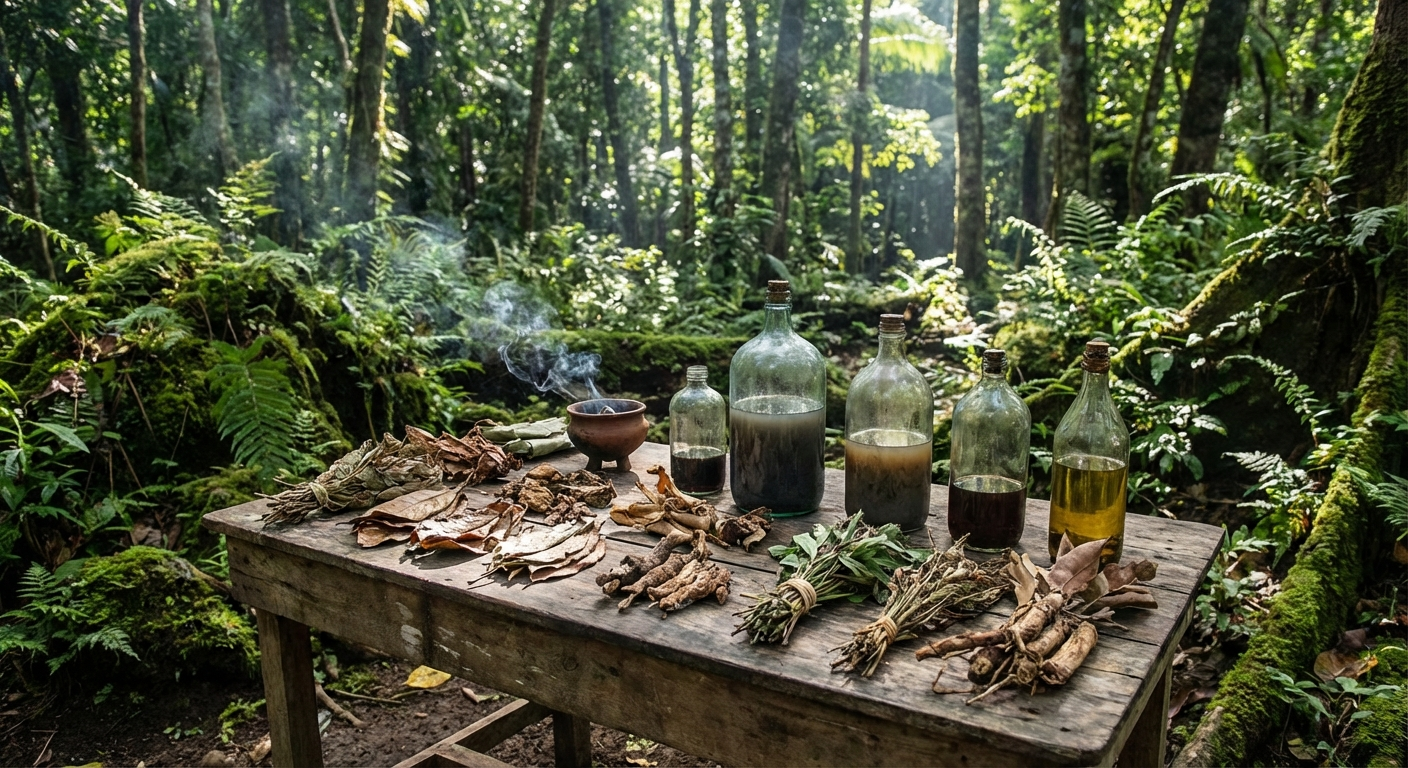
Siquijor Love Potions: The Truth Behind the Island's Legendary Gayuma
Explore the history and traditions of Siquijor's famous love potions (gayuma). Learn about ingredients, rituals, and how to respectfully experience this cultural heritage.
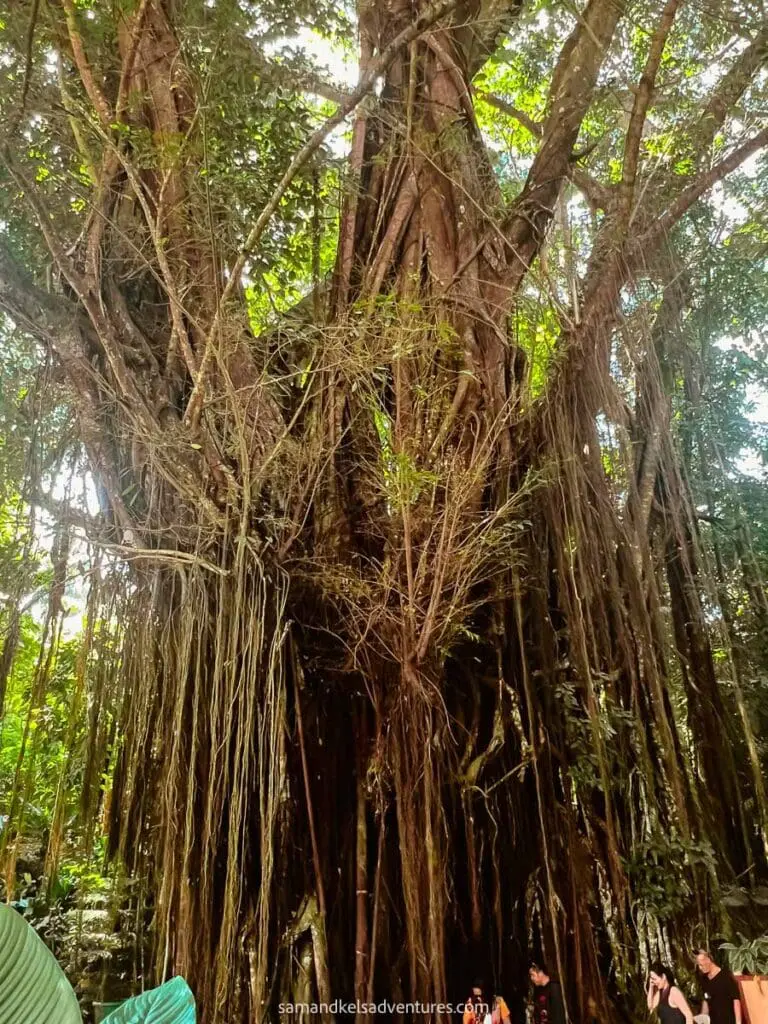
The Mystic Island: Legends & Folklore of Siquijor
Explore the fascinating myths, legends, and folklore that earned Siquijor its reputation as the Philippines' 'Island of Fire' and mystical healing center.
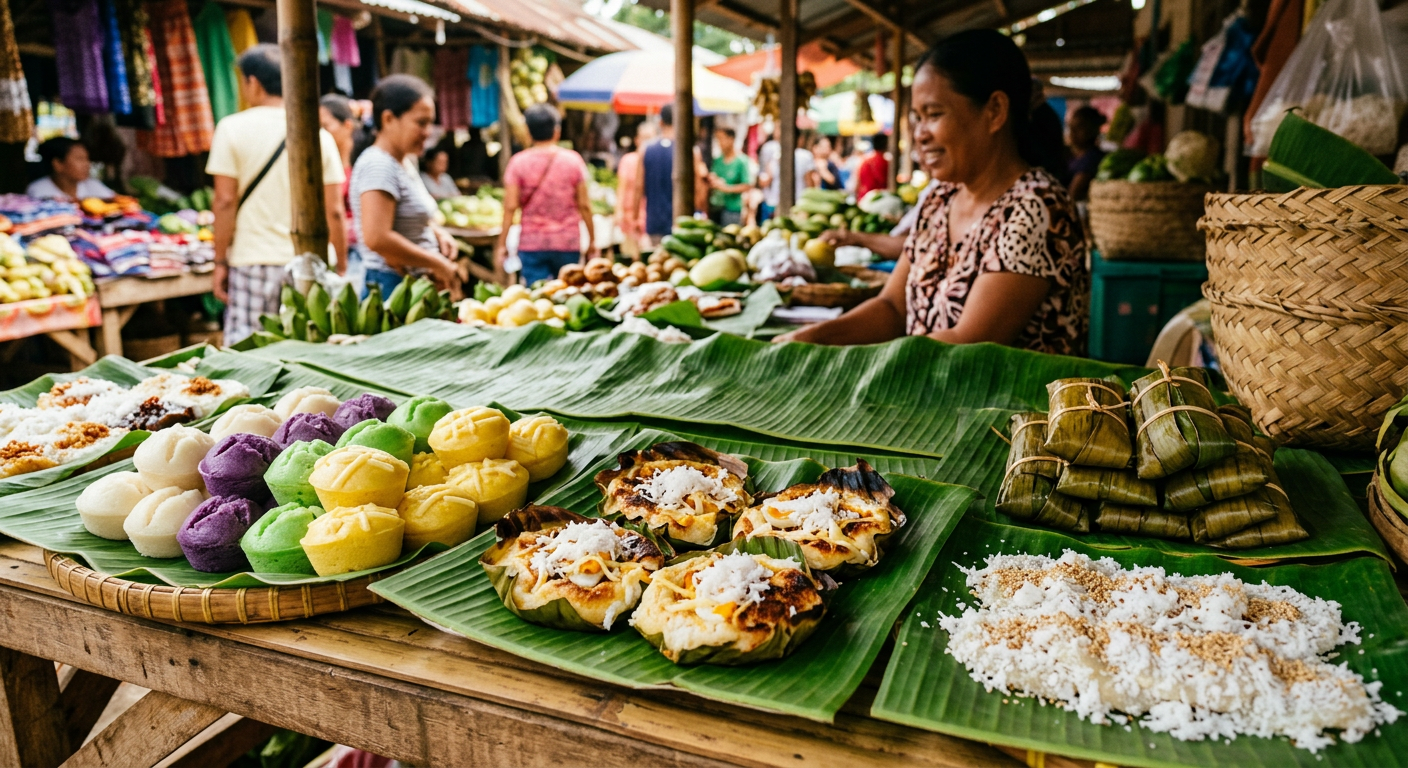
Siquijor Kakanin Guide: Traditional Rice Cakes and Sweets of the Mystic Island
Explore the traditional kakanin and rice cakes of Siquijor Island. From bibingka and suman to puto and palitaw, discover where to find authentic Filipino sweets made using generations-old recipes.