Siquijor Love Potions: The Truth Behind the Island's Legendary Gayuma
Explore the history and traditions of Siquijor's famous love potions (gayuma). Learn about ingredients, rituals, and how to respectfully experience this cultural heritage.
Long before Siquijor became known for its turquoise waters and Instagram-worthy waterfalls, the island carried a different reputation entirely. Across the Philippines, the name Siquijor was whispered alongside words like “kulam,” “barang,” and most famously, “gayuma” — the Visayan term for love potion. It is a reputation that has followed the island for centuries, one that its residents have had a complicated relationship with, and one that today has become an unexpected draw for curious travelers from around the world.
But what is the truth behind Siquijor’s legendary love potions? Are they genuine folk medicine rooted in botanical knowledge, tourist novelties bottled for sale, or something more complex that defies easy categorization? The answer, like most things on this island, is layered.
What Is Gayuma?
The word “gayuma” comes from Visayan languages and broadly translates to love potion or love charm. In Filipino folk tradition, gayuma refers to any preparation — herbal, ritual, or otherwise — intended to attract love, strengthen romantic bonds, or inspire affection from a specific person.
Gayuma is not unique to Siquijor. Versions of love magic exist throughout the Philippines, from the oil-based “pampaswerte” sold in Manila’s Quiapo market to the prayer-based rituals practiced in parts of Mindanao. What makes Siquijor’s gayuma distinct is the island’s concentrated tradition of folk healing and the deep botanical knowledge that underlies it.
In Siquijor, gayuma is typically prepared by a mananambal (traditional healer) using a combination of local herbs, bark, roots, and oils. The preparation often involves prayers or “oraciones” (Latin-derived prayer formulas passed down through generations) and is sometimes timed to lunar cycles — particularly the full moon, when the island’s healing traditions are believed to be most potent.
The Ingredients: Botany Meets Belief
A traditional Siquijor gayuma is not a single standardized recipe. Different healers use different formulations, and the specific ingredients can vary based on the healer’s lineage, the client’s needs, and what plants are available seasonally. However, several ingredients appear consistently across preparations:
Common Gayuma Components
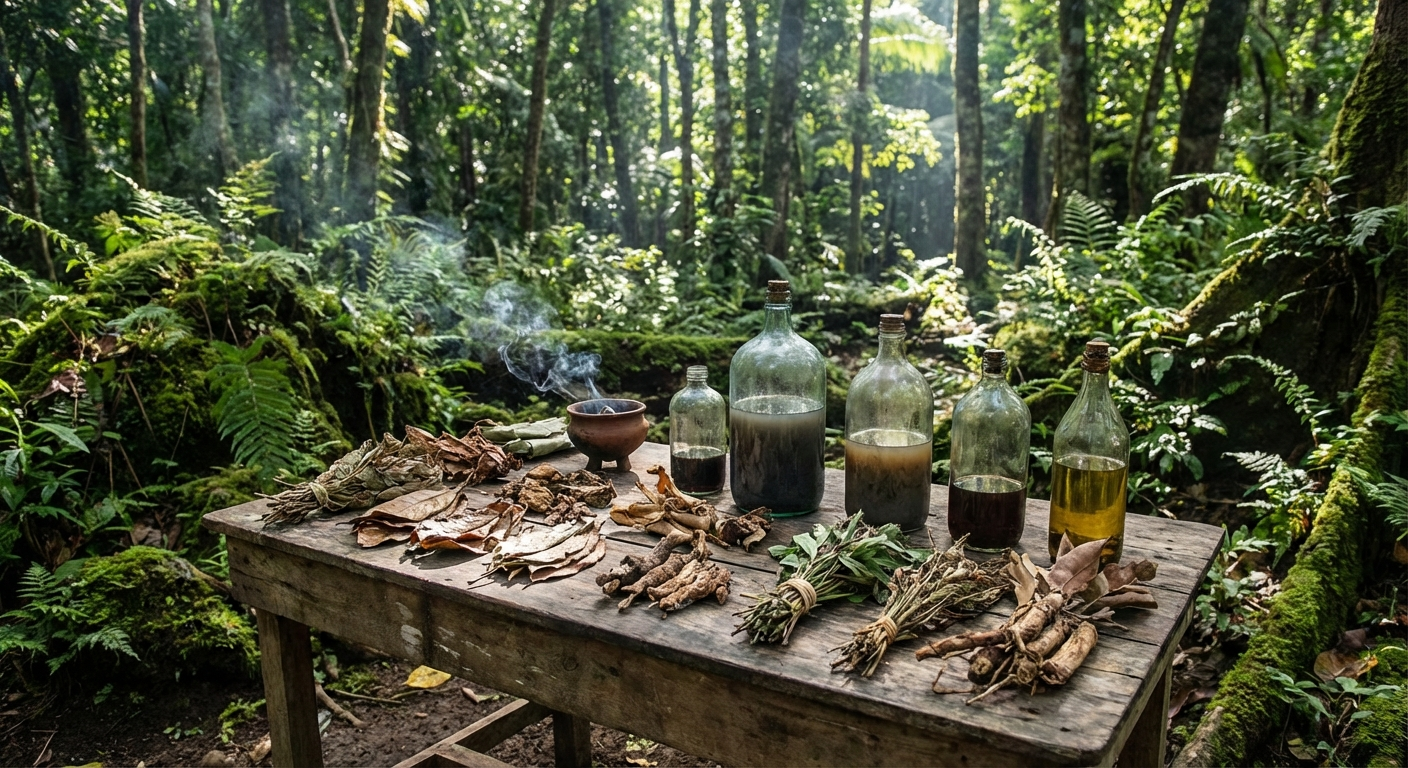
Luyong-luyong (Sarcostemma secamone) — Perhaps the most iconic gayuma ingredient, this vine grows throughout Siquijor’s forests. Healers extract its sap, which has a milky, slightly viscous quality. In folk belief, luyong-luyong is considered the primary “attractant” in any love preparation.
Makabuhay (Tinospora rumphii) — The name literally translates to “can give life.” This bitter vine is used across the Philippines in traditional medicine for fever and digestive complaints. In gayuma, it represents vitality and the life force of attraction.
Tuba-tuba (Jatropha curcas) — The oil from tuba-tuba seeds is sometimes used as a base for liquid gayuma preparations. The plant itself is associated with cleansing and protection in Siquijor folk medicine.
Coconut oil — Serves as the carrier medium for many gayuma preparations. Virgin coconut oil from Siquijor’s abundant coconut palms is infused with other botanical ingredients over a period of days or weeks.
Various barks and roots — Individual healers guard their specific combinations closely. These additional ingredients are often harvested from the old-growth forest areas around Mount Bandilaan, and their identification represents knowledge passed directly from teacher to student.
The Role of Oraciones
The herbal ingredients are only one component. Siquijor healers emphasize that the prayers spoken over the preparation are equally important — some would say more important than the physical ingredients. These oraciones are typically recited in a mixture of Latin, Visayan, and sometimes Spanish, reflecting the island’s layered colonial and pre-colonial spiritual heritage.
The prayers are considered proprietary. A healer who shares their oraciones loses their power, according to tradition. This secrecy has helped preserve the oral traditions but has also made academic study of the practice challenging.
Historical Context: Why Siquijor?
Siquijor’s association with folk magic has roots that predate Spanish colonization. When Spanish expeditions first arrived at the island in 1565, they reportedly saw the island glowing from a distance due to the bioluminescence of fireflies clustered in its molave trees. They called it “Isla del Fuego” — Island of Fire. This eerie first impression established Siquijor as a place of mystery in the colonial imagination.
The Spanish missionaries who followed found an island population with deeply embedded animist traditions. Unlike on larger Philippine islands where colonial suppression was more thorough, Siquijor’s small size and relative isolation allowed many pre-colonial practices to survive, often blending with Catholic elements in a syncretic fashion.
By the 19th century, Siquijor had become known throughout the Visayas as a center for folk healing. People from neighboring islands — Cebu, Bohol, Negros — would make the sea crossing specifically to consult Siquijor’s healers. Love potions were one of the most requested preparations, but healers also treated physical ailments, performed divination, and conducted protective rituals.
The 20th century brought roads, electricity, and modern medicine to Siquijor, but the healing traditions proved remarkably resilient. The annual healing festival on Mount Bandilaan, held during Holy Week, continues to draw both practitioners and observers.
The Modern Gayuma Experience
Today, Siquijor’s gayuma tradition exists on a spectrum from deeply authentic to openly commercial. Understanding this spectrum helps visitors navigate the experience respectfully.
Traditional Healers
A small number of practicing mananambal on the island continue to prepare gayuma and other traditional remedies in the manner they learned from their predecessors. These healers typically live in rural barangays (villages), often in the interior or along less-developed stretches of coast. Consultations are usually arranged through local contacts or tour guides who have established relationships with specific healers.
A visit to a traditional healer is not a quick tourist transaction. It typically involves a conversation about your intentions, a period of prayer, and the preparation itself, which can take 30 minutes to over an hour. Payment is usually by donation rather than fixed price, though PHP 500 to PHP 1,000 is a common range.
Tour Operator Experiences
Several Siquijor tour operators now offer “love potion tours” or “healing experiences” as part of their itineraries. These tours typically combine a visit to a healer with stops at other culturally significant sites, such as the Old Enchanted Balete Tree and the Capilay Spring Park.
The quality of these tours varies significantly. The best ones work with genuine healers and provide cultural context that helps visitors understand what they are witnessing. Less thoughtful versions treat the experience as entertainment, which can feel disrespectful to the tradition and unsatisfying for visitors seeking something genuine.
Market and Souvenir Products
Small bottles labeled “gayuma” or “love potion” are sold at markets, souvenir shops, and roadside stands throughout Siquijor. These typically contain scented oil with herbs and cost PHP 50 to PHP 200. While they make for amusing souvenirs, they bear little resemblance to the preparations made by traditional healers.
These commercial products are not controversial — most Siquijor residents view them with good humor — but they should not be confused with the genuine article.
Respectful Engagement: A Visitor’s Guide
Siquijor’s gayuma tradition is a living cultural practice, not a theme park attraction. Approaching it with respect benefits everyone involved: it honors the healers, enriches your experience, and supports the continuation of the tradition. Here are guidelines for respectful engagement:
Do
- Ask permission before photographing any healing session or preparation. Many healers prefer not to be photographed during work, as they believe it can interfere with the spiritual component.
- Listen more than you speak. The healers have knowledge that spans generations. Even if you are skeptical about the metaphysical claims, the botanical knowledge alone is remarkable.
- Offer fair compensation. Even when healers say payment is voluntary, their time and knowledge have value. PHP 500 to PHP 1,000 is a reasonable donation for a personal consultation.
- Go with a knowledgeable guide. A local guide who has a genuine relationship with the healer can facilitate the experience and provide translation and cultural context.
Do Not
- Do not mock or trivialize the practice, even lightheartedly. What may seem quaint or amusing to outsiders represents a genuine spiritual tradition for practitioners.
- Do not pressure healers to perform for cameras or speed up their process.
- Do not assume all “healing tour” operators are offering the same experience. Research and ask for recommendations from your accommodation.
- Do not harvest plants from the forest without guidance. Several gayuma ingredients are harvested sustainably by healers who understand regeneration cycles. Random collection by visitors disrupts this.
The Science Question
Western visitors often ask whether Siquijor love potions “actually work.” This question, while understandable, may miss the point.
From a pharmacological perspective, some gayuma ingredients have documented bioactive properties. Certain essential oils and plant compounds are known to have mild psychoactive or mood-altering effects. The placebo effect and the power of ritual and expectation are also well-documented phenomena in psychology and medicine.
From the perspective of the tradition itself, the question of whether gayuma “works” is inseparable from the broader cosmology in which it exists. For healers and many of their clients, the effectiveness of gayuma depends on factors beyond chemistry: the sincerity of intention, the alignment of spiritual forces, and the relationship between healer and recipient.
Perhaps the most honest answer is that gayuma, like many folk practices worldwide, operates in a space that Western empiricism does not fully map. Its persistence over centuries, despite modernization and the availability of alternatives, suggests it meets human needs that go beyond what can be measured in a laboratory.
Gayuma and Contemporary Siquijor
The island’s relationship with its mystical reputation has evolved considerably in recent years. Where older generations sometimes felt stigmatized by the association with witchcraft and potions, younger Siquijodnons increasingly view the healing traditions as a unique cultural asset.
Tourism has played a role in this shift. Visitors who arrive specifically to learn about the island’s traditions bring economic benefit and external validation. The “love potion experience” has become one of Siquijor’s signature tourist activities, alongside waterfall chasing and cliff jumping.
At the same time, there is tension between commercialization and preservation. As demand for gayuma experiences grows, the risk of dilution increases. The challenge for Siquijor is finding a balance that allows the tradition to be shared without being stripped of its meaning.
Several local initiatives are working on this balance. Cultural tourism programs developed in partnership with healers aim to create sustainable models where visitors get meaningful experiences and practitioners receive fair compensation while maintaining control over how their traditions are presented.
Where to Experience Gayuma in Siquijor
While specific healer recommendations change over time as practitioners age and new ones emerge, the following areas are traditionally associated with healing practices:
- San Antonio, Siquijor town — Several well-known healers live in this barangay, and it is one of the most accessible locations for visitors.
- Mount Bandilaan area — The mountain has deep spiritual significance and is the site of the annual healing festival. Healers in this area tend to be more traditional and less accustomed to tourists.
- Lazi municipality — The southern part of the island retains strong folk traditions, and healers here often work in relative obscurity compared to those in more touristed areas.
For the most authentic experience, ask your accommodation host for a personal recommendation. Long-term residents and local guesthouse owners often have relationships with healers and can arrange introductions that no tour booking website can replicate.
Beyond the Love Potion
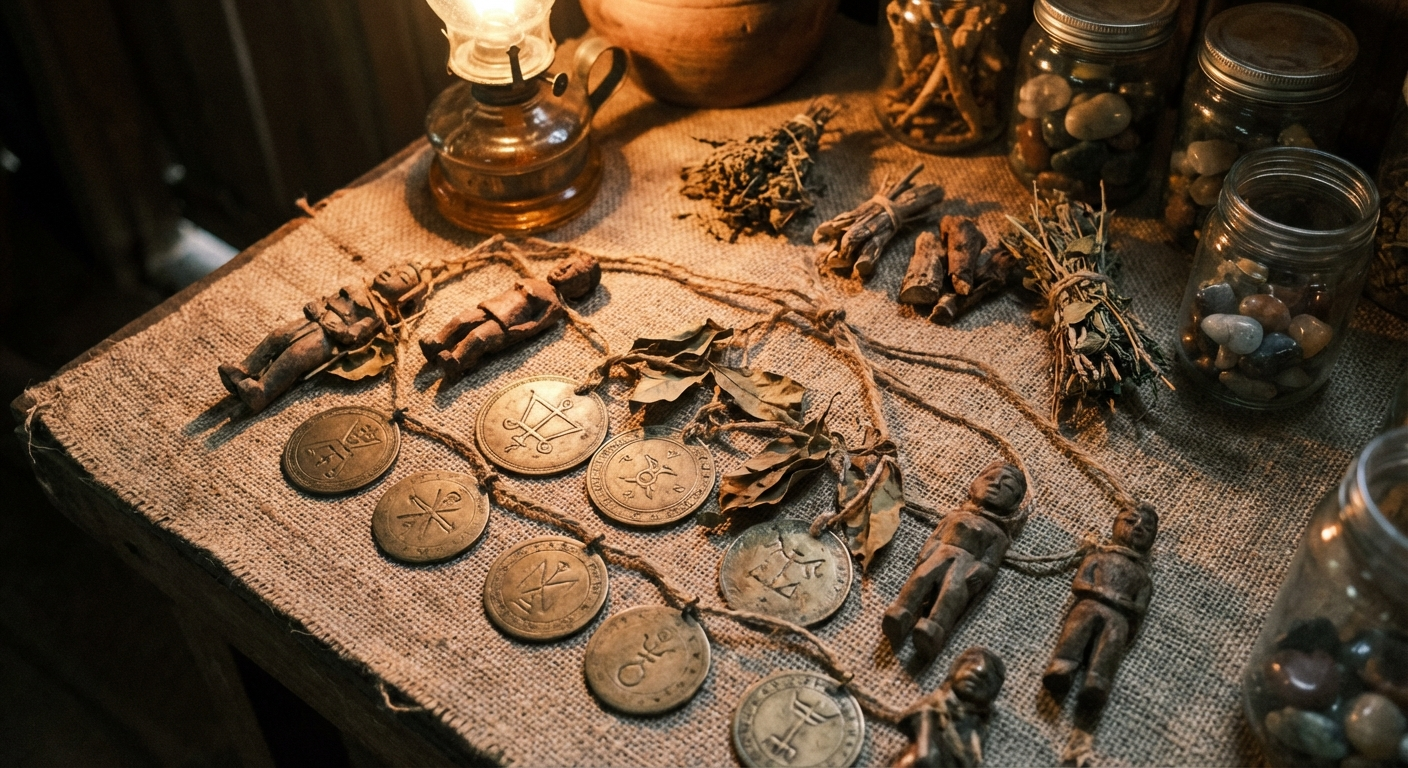
Gayuma may be Siquijor’s most famous folk preparation, but it represents only a fraction of the island’s healing traditions. Mananambal also prepare remedies for physical ailments, protective amulets (anting-anting), and cleansing rituals (tawas). Understanding gayuma in isolation misses the broader context of a comprehensive traditional healing system that addresses body, spirit, and social relationships.
For visitors drawn to Siquijor by the romance of the love potion legend, the deeper reward often lies in discovering this broader tradition. The gayuma is the door, but what lies behind it — a living culture of botanical knowledge, spiritual practice, and community healing — is far more fascinating than any single potion could be.
Whether you arrive on the island as a skeptic or a believer, Siquijor’s gayuma tradition offers something valuable: a reminder that the human desire for love and connection has inspired extraordinary creativity across every culture, and that on one small island in the Philippine Visayas, that creativity continues to thrive.
Related Culture & History
Siquijor's Mananambal: A Respectful Guide to Healing Traditions
Understanding Siquijor's traditional healers (mananambal), their practices, history, and how visitors can respectfully engage with this living cultural heritage.
The Mystic Island: Legends & Folklore of Siquijor
Explore the fascinating myths, legends, and folklore that earned Siquijor its reputation as the Philippines' 'Island of Fire' and mystical healing center.
Siquijor Anting-Anting: The Island's Tradition of Protective Amulets and Talismans
Explore the deep-rooted tradition of anting-anting in Siquijor. From protective amulets to handcrafted talismans, discover how this practice shapes island culture and belief.