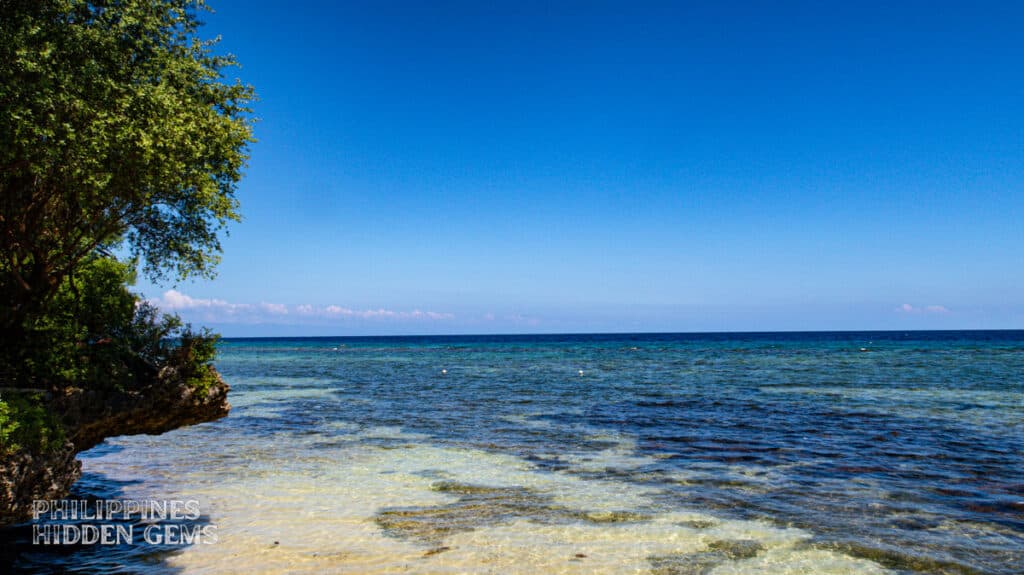
Snorkeling in Siquijor: Marine Sanctuaries & Best Spots
Discover Siquijor's best snorkeling spots - from Tubod Marine Sanctuary to hidden reefs. Complete guide to marine sanctuaries, turtle sightings, and underwater exploration.
Siquijor’s Underwater World
Beneath Siquijor’s turquoise waters lies a thriving marine ecosystem that rivals more famous Philippine dive destinations. Thanks to community-managed marine sanctuaries and relatively low tourism pressure, the island’s reefs remain healthy and vibrant—home to sea turtles, colorful reef fish, and impressive coral formations.
The best part? You don’t need scuba certification to experience it. Siquijor’s snorkeling spots offer incredible visibility and shallow reefs accessible to anyone who can swim.
Top Snorkeling Spots
1. Tubod Marine Sanctuary (Best Overall)
The Crown Jewel of Siquijor Snorkeling
Located in San Juan near Coco Grove Beach Resort, Tubod Marine Sanctuary is widely considered the best snorkeling spot on the island. Protected since 2001, the sanctuary has developed into a thriving reef ecosystem.
What You’ll See:
- Abundant coral formations (table, brain, staghorn varieties)
- Schools of tropical fish (damselfish, butterflyfish, parrotfish)
- Regular sea turtle sightings
- Giant clams in the shallows
- Anemones with clownfish
Why It’s Special: Unlike many “sanctuaries” that are marine parks in name only, Tubod is genuinely protected and monitored. The difference shows—fish are abundant and unafraid, coral coverage is excellent, and you’ll likely spot turtles casually grazing.
Practical Details:
- Location: San Juan, near Coco Grove Beach Resort
- Entrance Fee: ₱100 per person
- Rental Gear: Available (₱150 for mask, snorkel, fins)
- Guide: Optional but helpful (₱200-300)
- Best Time: 9-11 AM for calm conditions and good visibility
Access: Walk in from the beach or the Coco Grove Resort area. No boat needed—the reef starts just meters from shore.
Tips:
- High tide is better for swimming over the reef without touching coral
- The sanctuary staff are helpful and can point out sea turtles
- Bring waterproof camera—this is where you’ll get your best underwater shots
- Stay within marked buoys to ensure you’re in the protected area
2. Paliton Beach Reef
Sunset Beach with Surprise Snorkeling
Paliton Beach is famous for sunsets, but fewer visitors realize there’s decent snorkeling off its northern end. The reef here isn’t as developed as Tubod but offers easy, accessible snorkeling combined with Siquijor’s prettiest beach.
What You’ll See:
- Smaller coral formations
- Colorful reef fish
- Sea urchins (be careful!)
- Occasional sea turtle
Why It Works: The convenience factor is high. If you’re staying in San Juan or spending time at Paliton for sunset, you can combine beach time with snorkeling without traveling to a separate location.
Practical Details:
- Location: San Juan, Paliton Beach
- Entrance Fee: Free
- Rental Gear: Sometimes available from nearby resorts
- Best Time: Mid-morning before waves pick up
Tips:
- Snorkel from the right (north) end of the beach for best coral
- Be mindful of sea urchins in rocky areas
- Tide matters—high tide gives more room to swim without touching bottom
- Combine with sunset viewing for a full afternoon
3. Solangon Beach / Sandugan Area
Local Favorite, Few Tourists
The Sandugan and Solangon areas along San Juan’s coast offer several small marine protected areas and house reefs that see far fewer visitors than Tubod.
What You’ll See:
- Similar fish species to Tubod
- Smaller but healthy coral patches
- More privacy and solitude
- Natural, uncommercial atmosphere
Why Choose It: If Tubod feels too busy (rare, but possible on peak days), or you want a more “discovery” feel, these areas deliver good snorkeling without crowds.
Practical Details:
- Location: San Juan, Sandugan area
- Entrance Fee: Varies (₱50-100)
- Rental Gear: Limited—bring your own
- Best Time: Morning
Tips:
- Ask at your accommodation for specific access points
- Less infrastructure means bringing your own gear is essential
- Water shoes helpful for rocky entry points
4. Salagdoong Beach
Cliff Jumping Meets Snorkeling
Salagdoong is primarily known for its cliff diving platforms, but the crystal-clear cove below also offers excellent snorkeling. The protected cove creates calm conditions with good visibility.
What You’ll See:
- Clear water with excellent visibility
- Rocky reef habitat
- Variety of reef fish
- Interesting underwater rock formations
Why It Works: If you’re making the long drive for cliff jumping, bring snorkel gear and get double value. The water clarity is exceptional.
Practical Details:
- Location: Maria municipality
- Entrance Fee: ₱50 (includes cliff access)
- Rental Gear: Limited availability
- Best Time: Morning before cliff jumpers stir up the water
Tips:
- Swim away from the cliff jumping zone for best snorkeling
- The cove is relatively deep—comfortable swimming ability needed
- Combine with cliff jumping for a full adventure day
5. Apo Island Day Trip (World-Class)
The Bucket List Snorkel Experience
While technically not in Siquijor, Apo Island is just 30 minutes by boat and offers world-class snorkeling and diving. If you have time for one day trip, this is it.
What You’ll See:
- Large sea turtles (virtually guaranteed)
- Massive schools of fish
- Pristine coral gardens
- Dramatic underwater topography
- Possible sightings of rays and reef sharks
Why It’s Unmissable: Apo Island is internationally recognized as a marine conservation success story. The protected sanctuary has thriving populations of sea turtles that are famously unafraid of snorkelers. Swimming alongside multiple turtles is a nearly guaranteed experience.
Practical Details:
- Location: Off the coast of Negros Oriental (via Dumaguete)
- Cost: ₱3,500-5,000 per person for full-day tour from Siquijor
- Includes: Boat transfer, entrance fees, snorkel gear, lunch
- Duration: Full day (depart ~7 AM, return ~4 PM)
How to Book:
- Through your accommodation
- San Juan dive shops
- Tour operators in Siquijor Town
Tips:
- Book at least one day ahead
- Weather conditions affect whether boats run—flexible dates help
- The boat ride can be rough during southwest monsoon
- Bring motion sickness medication if prone to seasickness
For complete details, see our Apo Island Day Trip Guide.
Seasonal Considerations
Best Time to Snorkel
Peak Season (February-May):
- Calmest seas
- Best visibility (20-30 meters)
- Lowest rainfall
- Warmest water (28-30°C)
- Most reliable boat trips to Apo Island
Shoulder Season (November-January, June):
- Generally good conditions
- Occasional rain doesn’t significantly impact underwater visibility
- Fewer crowds
- Water remains warm
Monsoon Season (July-October):
- Rougher seas, especially on exposed coasts
- Reduced visibility after rains
- Apo Island trips frequently cancelled
- Southern/protected coasts still snorkelable
Tide Considerations
- High Tide: Better for reef snorkeling (more water between you and coral)
- Low Tide: Some areas too shallow; risk of touching coral
- Check tide tables and ask locals for advice
Snorkeling Equipment Guide
What to Bring
Essential (Bring Your Own):
- Mask: Proper fit is crucial; rental masks often leak
- Snorkel: Dry-top snorkels prevent water entry
- Reef-safe sunscreen: Regular sunscreen kills coral
Recommended:
- Fins: Cover more area with less effort
- Rash guard: Sun protection without sunscreen
- Underwater camera: GoPro or waterproof housing
- Waterproof bag: Protect valuables on shore
Optional:
- Floatation vest: For less confident swimmers
- Water shoes: For rocky entry points
Rental Availability
| Location | Mask/Snorkel | Fins | Quality |
|---|---|---|---|
| Tubod Marine Sanctuary | Yes (₱150) | Yes | Decent |
| Dive shops in San Juan | Yes | Yes | Good |
| Most beaches | Limited | Rare | Variable |
| Apo Island tours | Included | Included | Good |
Recommendation: Bring your own mask and snorkel. The fit and hygiene difference is significant, and compact travel snorkel sets cost ₱500-1,500.
Marine Life Guide
Common Sightings
Fish Species:
- Clownfish (in anemones)
- Parrotfish (rainbow colors)
- Butterflyfish (yellow/black patterns)
- Damselfish (territorial, blue/orange)
- Surgeonfish (blue tang)
- Groupers (in crevices)
- Trumpetfish (long, thin)
- Moorish idols (distinctive shape)
Other Marine Life:
- Sea turtles (green and hawksbill)
- Giant clams
- Sea cucumbers
- Starfish
- Sea urchins (don’t step on!)
- Nudibranchs (colorful sea slugs)
Turtle Spotting Tips
Sea turtles are the headline attraction. To maximize your chances:
- Go to Tubod: Highest concentration near the sanctuary
- Morning visits: Turtles are often feeding on seagrass
- Stay calm and quiet: Splashing frightens them
- Keep distance: 2-3 meters minimum
- Never chase or touch: Illegal and harmful
Responsible Snorkeling
The Rules
Do:
- Use reef-safe sunscreen (mineral-based, no oxybenzone)
- Maintain distance from marine life
- Stay horizontal and use fins to avoid kicking coral
- Take only photos, leave only bubbles
- Support marine sanctuary fees (they fund protection)
Don’t:
- Touch or stand on coral (takes decades to regrow)
- Chase or touch sea turtles (illegal and stressful for animals)
- Feed fish (disrupts natural behavior)
- Collect shells, coral, or marine life
- Use anchors on coral (ensure boats use moorings)
Why It Matters
Siquijor’s reefs are healthier than many Philippine islands precisely because of lower tourism pressure and community protection efforts. Your responsible behavior helps keep it that way.
Snorkeling vs. Diving
When Snorkeling is Enough
Siquijor’s snorkeling is excellent because:
- Healthy reefs in shallow water (2-8 meters)
- Sea turtles frequent shallow areas
- Good visibility from surface
- No certification or equipment needed
- More flexible and spontaneous
When to Consider Diving
Diving offers:
- Deeper reef exploration
- Wall dives with dramatic drop-offs
- Better chance for larger marine life
- Extended underwater time
- Night diving experiences
For diving information, see our Complete Diving Guide.
Planning Your Snorkel Day
Half-Day Itinerary (Morning)
7:00 AM: Early breakfast 8:00 AM: Arrive at Tubod Marine Sanctuary 8:30-11:00 AM: Snorkeling (peak conditions) 11:30 AM: Lunch at nearby San Juan restaurant Afternoon: Beach time at Paliton, explore other sites
Full-Day Itinerary
7:00 AM: Depart for Apo Island tour 8:00 AM: Boat to Apo Island 9:00 AM - 2:00 PM: Snorkeling multiple sites, lunch on island 3:00 PM: Return boat 4:00 PM: Back in Siquijor 5:00 PM: Sunset at Paliton Beach
Frequently Asked Questions
Do I need to know how to swim?
Basic swimming ability is recommended. Life vests are available at most spots, and calm sanctuary waters are forgiving, but you should be comfortable in the water.
Can I see turtles without scuba diving?
Yes! Siquijor’s sea turtles frequent shallow waters, especially in marine sanctuaries. Tubod and Apo Island offer reliable turtle sightings while snorkeling.
Is reef-safe sunscreen really necessary?
Yes. Studies show oxybenzone and octinoxate (common sunscreen ingredients) cause coral bleaching and damage even in small concentrations. Look for mineral-based (zinc oxide, titanium dioxide) sunscreens labeled “reef-safe.”
What if I wear glasses?
Options include:
- Prescription snorkel masks (order before your trip)
- Contact lenses with a regular mask
- Masks with corrective lens inserts
- Accept some blur (many fish are still visible!)
When is the water too rough to snorkel?
If waves are breaking on the beach and visibility looks poor, conditions aren’t ideal. Sheltered spots like Salagdoong’s cove may still be calm when open coasts are rough.
Can I snorkel if I can’t put my face in water?
Consider a floating vest and just observe from the surface. Water clarity in Siquijor is exceptional, and you can see a surprising amount just floating and looking down.
Final Thoughts
Siquijor’s underwater world is one of its best-kept secrets. While visitors flock to Cambugahay Falls and cliff jumping spots, the marine sanctuaries offer equally impressive—and arguably more magical—experiences.
Swimming alongside a sea turtle, watching a parrotfish crunch coral, or floating above a technicolor reef: these moments stay with you. The best part is how accessible it all is. No certification, no expensive equipment, no complicated logistics—just a mask, snorkel, and a few hours of your time.
Protect what you experience, and Siquijor’s reefs will continue amazing visitors for generations to come.
Ready for more underwater adventure? Explore our Diving Guide or plan an Apo Island Day Trip.
Related Attractions
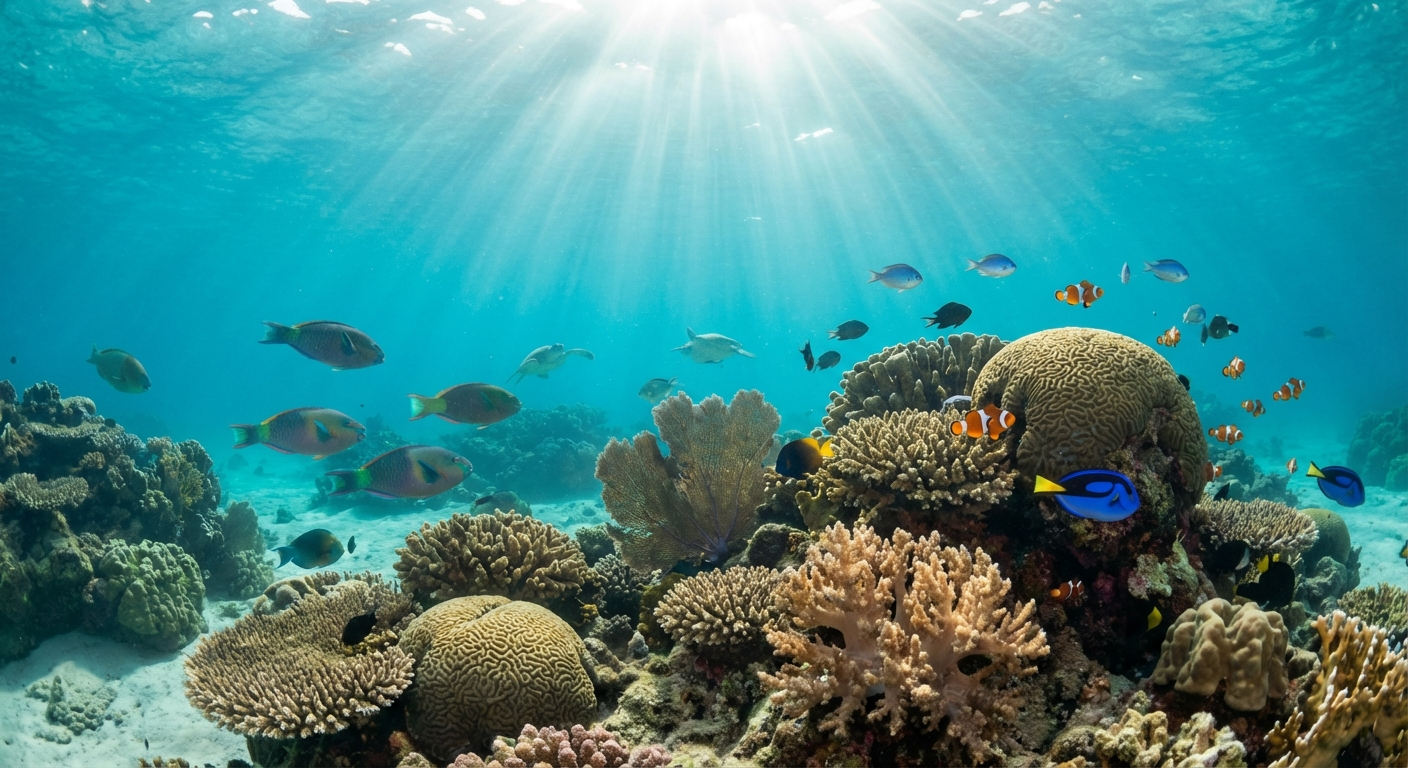
Siquijor Coral Gardens: Best Snorkeling and Reef Exploration Spots
Explore Siquijor's vibrant coral gardens and top snorkeling spots from Tubod Marine Sanctuary to Paliton reef. Complete guide to underwater exploration.
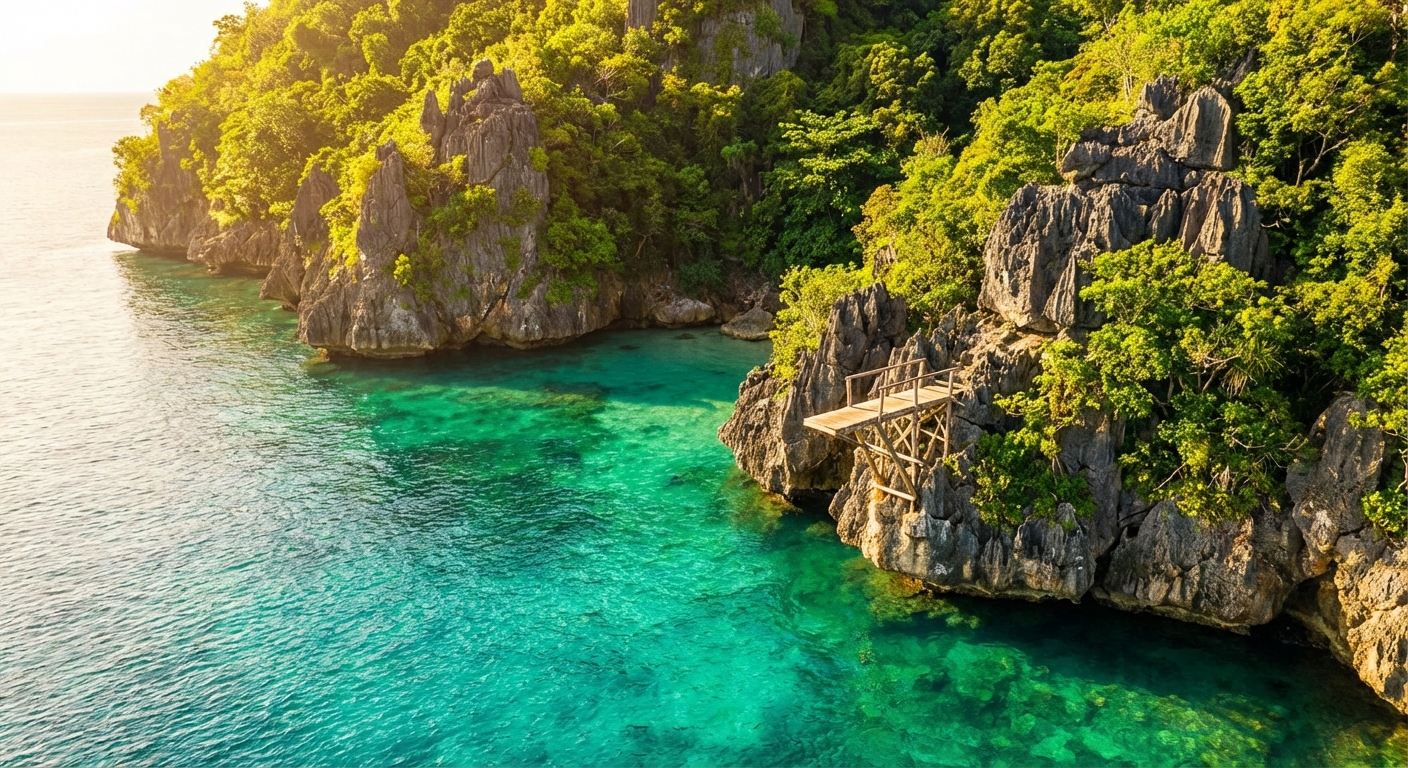
Salagdoong Beach: Complete Guide to Siquijor's Adventure Beach
Everything you need to know about Salagdoong Beach in Maria, Siquijor - cliff jumping, swimming, facilities, entrance fees, and tips for the best visit.
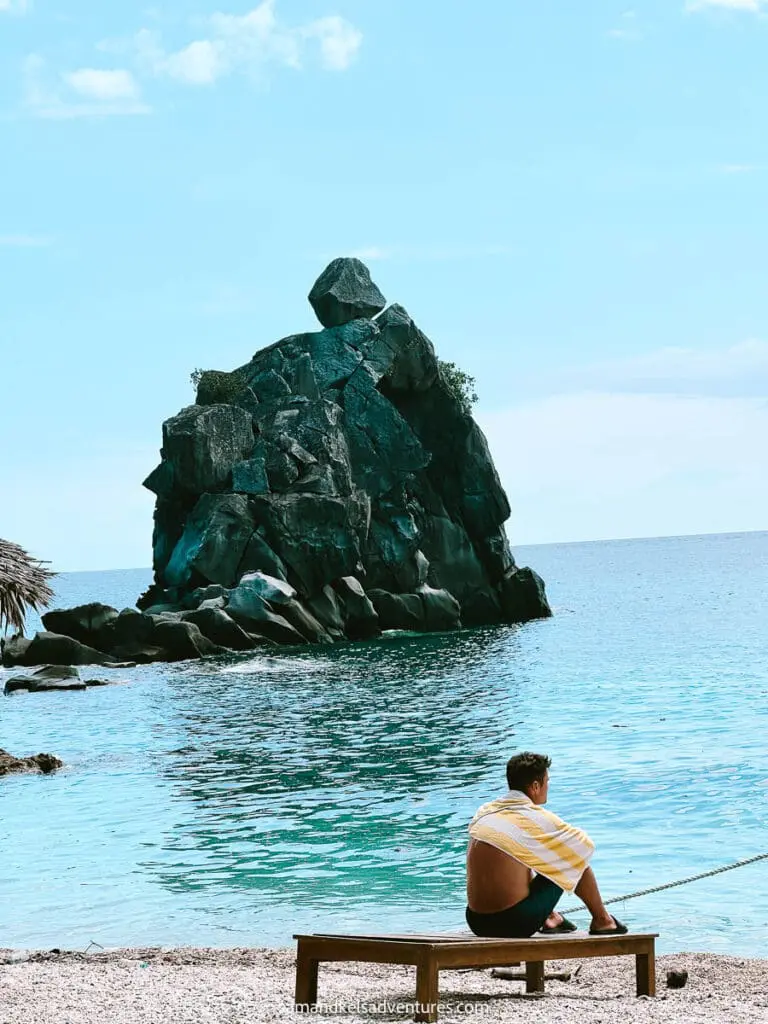
Apo Island Day Trip from Siquijor: Sea Turtles & Snorkeling
Complete guide to visiting Apo Island from Siquijor. Swim with sea turtles, explore pristine coral reefs, and experience world-class snorkeling just an hour from the mystic island.