Siquijor Mangrove Forests: Kayaking and Nature Walks Through Coastal Ecosystems
Explore Siquijor's mangrove forests by kayak or on foot. Complete guide to the island's coastal ecosystems, best mangrove sites, wildlife, and eco-tourism opportunities.
Siquijor Island is celebrated for its waterfalls, white sand beaches, and mystical heritage, but tucked along quieter stretches of its 102-kilometer coastline lies an ecosystem that most visitors never think to explore. The island’s mangrove forests, though modest in comparison to those found on larger Philippine islands, represent some of the most biologically productive environments in the Central Visayas. These dense stands of salt-tolerant trees and shrubs serve as nurseries for fish, buffers against coastal erosion, carbon storage systems, and habitat for dozens of bird and invertebrate species.
For travelers who want to understand Siquijor beyond its postcard-perfect surface, spending time in the mangroves reveals the ecological infrastructure that supports the island’s marine life and coastal communities. Whether by kayak, on foot along boardwalk trails, or simply standing at the edge of a tidal flat watching fiddler crabs go about their business, the mangrove experience adds a dimension to a Siquijor trip that no waterfall or beach can replicate.
Understanding Siquijor’s Mangrove Ecosystems
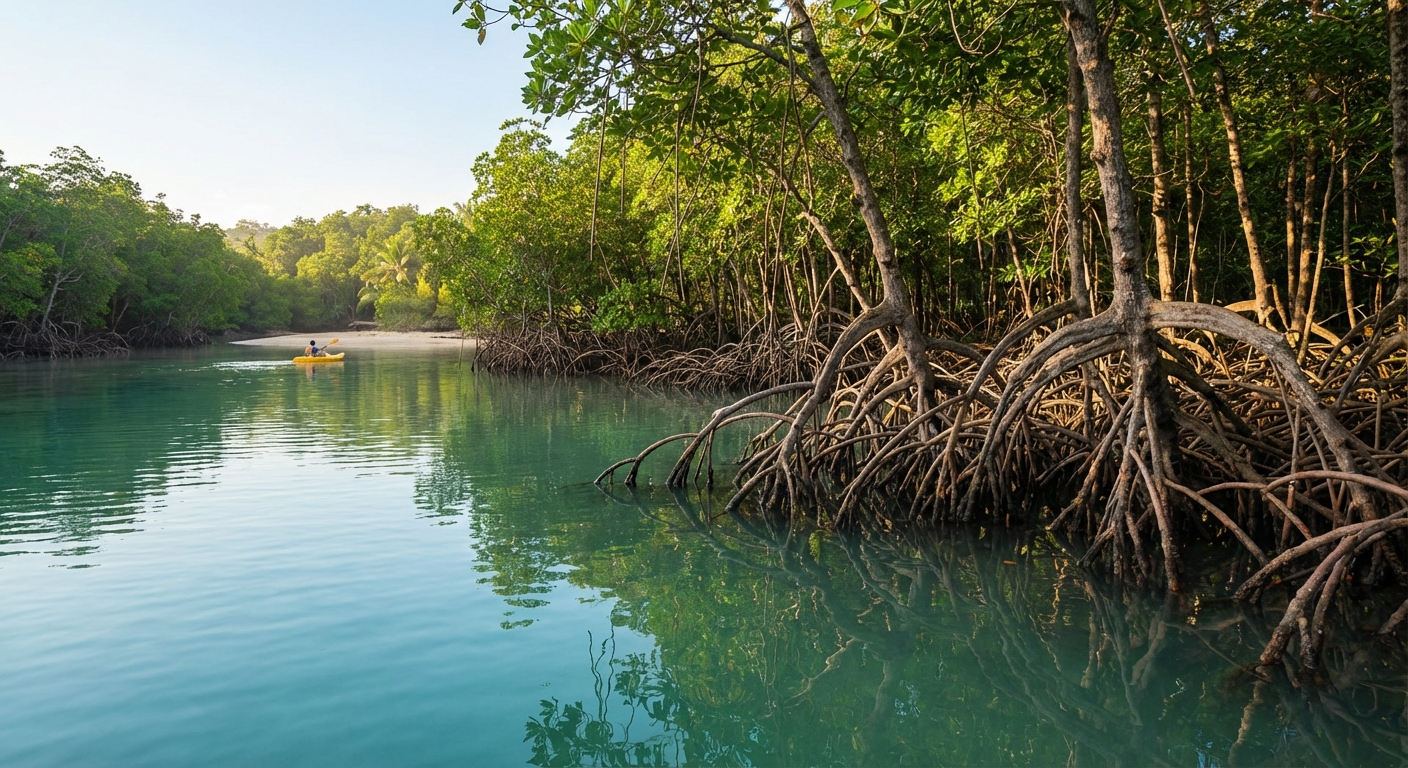
Mangrove forests occupy the intertidal zone where land meets sea, thriving in conditions that would kill most terrestrial plants. The trees and shrubs that compose these forests have evolved remarkable adaptations to deal with saltwater, oxygen-poor mud, and tidal fluctuations. Aerial roots, salt-excreting leaves, and viviparous seeds that germinate while still attached to the parent tree are among the strategies that allow mangroves to dominate this challenging environment.
In Siquijor, the mangrove areas are found primarily along the northern and western coasts, where gentler shoreline gradients and river mouths create the muddy, sheltered conditions these plants require. The island supports several mangrove species, with Rhizophora (red mangrove), Avicennia (grey mangrove), and Sonneratia being the most commonly encountered. Each occupies a slightly different zone within the tidal range, creating a visible banding pattern from the water’s edge inland.
The total mangrove coverage on Siquijor has fluctuated over the decades. Like many Philippine islands, Siquijor lost significant mangrove area during the mid-twentieth century to fishpond conversion and coastal development. Since the 1990s, community-based reforestation programs have worked to restore portions of the lost habitat, and these efforts are visible in the younger, denser stands that now line certain stretches of coastline.
Where to Find Mangroves in Siquijor
Capaluhan Mangrove Reserve, San Juan
The most accessible and well-developed mangrove area for visitors is located near Capaluhan in San Juan municipality. This site features a modest boardwalk that allows visitors to walk through the mangrove forest without disturbing the sensitive root systems and muddy substrate below. The boardwalk extends several hundred meters into the forest, providing close-up views of aerial root networks, mangrove seedlings, and the aquatic life visible in the shallow water beneath.
The Capaluhan mangroves are a mix of mature trees and recently planted areas, giving visitors a visual comparison between established forest and active restoration zones. Interpretive signage along the boardwalk identifies key species and explains the ecological functions of the mangrove ecosystem. The site is free to visit, though donations to the local community organization managing the area are appreciated.
Reaching Capaluhan requires a short detour from the main coastal road in San Juan. Tricycles from the San Juan town center can bring visitors to the trailhead, and the journey takes roughly 10 minutes. The boardwalk itself requires 30 to 45 minutes for a leisurely walk with stops for observation and photography.
Siquijor Town Coastal Mangroves
The coastline near Siquijor town, particularly in the areas south of the port, supports scattered mangrove patches that are easily visited on foot. While not as extensive as the Capaluhan reserve, these areas provide a convenient option for visitors staying in or near the capital who want a brief mangrove experience without dedicating a half-day to travel.
The town mangroves are interesting from a human ecology perspective as well. They exist in close proximity to fishing communities, and watching the interplay between local fishers and the mangrove environment illustrates the practical dependence that coastal Siquijodnon have on these ecosystems. Small fishing boats are often moored among the prop roots, and hand-cast nets target the juvenile fish that shelter in the mangrove shallows.
Lazi Estuary Area
The river system in Lazi municipality creates an estuarine environment where freshwater and saltwater mixing supports a different composition of mangrove species compared to purely coastal sites. The Lazi estuary area is less visited by tourists but offers productive birdwatching alongside mangrove observation. Herons, egrets, and kingfishers are commonly sighted here, drawn by the abundant small fish and crustaceans that thrive in the nutrient-rich estuarine waters.
Access to the Lazi estuary mangroves is informal, typically requiring a local guide or at minimum local directions. The area is best explored during low tide when exposed mudflats reveal the burrowing organisms that form the base of the mangrove food web. Small bangkas (outrigger boats) can sometimes be hired locally for water-level exploration.
Maria Coastal Mangroves
The municipality of Maria on Siquijor’s southern coast harbors mangrove areas that are among the least visited on the island. The relative isolation of these sites means fewer visitors but also less developed access infrastructure. For adventurous travelers, the Maria mangroves offer the closest approximation to a pristine mangrove experience available on Siquijor.
These southern mangroves benefit from reduced wave exposure thanks to the island’s topography, which shelters the Maria coastline from the prevailing northeast monsoon. The calmer conditions have allowed mangrove stands to develop in areas where they might otherwise be dislodged by wave action, resulting in some of the most structurally complex root systems on the island.
Kayaking Through Siquijor’s Mangroves
Exploring mangroves by kayak is arguably the most immersive way to experience these ecosystems. The low vantage point of a kayak places the paddler at water level, eye-to-eye with the aerial root networks and the aquatic life that inhabits them. The quiet propulsion of a paddle, as opposed to a motorized boat, minimizes disturbance to wildlife and allows for close approaches to birds and other animals.
Where to Kayak
The Capaluhan area in San Juan offers the most reliable kayaking conditions for mangrove exploration. Several accommodation providers in the San Juan area offer kayak rentals, and some include guided mangrove tours as part of their activity programs. The sheltered waters around the mangrove forest are calm enough for beginners, and no prior kayaking experience is necessary for a basic exploration paddle.
The Lazi estuary also presents good kayaking opportunities, though rentals are less readily available here. Visitors planning to kayak in Lazi may need to bring or arrange equipment in advance through their accommodation.
Practical Kayaking Tips
The best time to kayak through mangroves is during the incoming tide or at high tide. At low tide, the water level may drop below the threshold needed to navigate between the root systems, and exposed mudflats can strand a kayak far from open water. Checking tide tables before setting out is essential. Your accommodation can usually provide this information, or free tide apps provide data for Siquijor.
Morning paddles between 6:00 AM and 9:00 AM offer the calmest water conditions and the best wildlife viewing. Bird activity peaks in the early morning hours, and the lower sun angle creates beautiful lighting conditions for photography. The midday sun can be punishing on open water, making early starts doubly advisable.
Wear a hat, apply waterproof sunscreen, and bring drinking water. Even a short mangrove kayak session in the tropics can result in significant sun exposure. A dry bag for electronics is strongly recommended, as capsizing in shallow mangrove water, while not dangerous, will thoroughly soak everything in the boat.
Wildlife of Siquijor’s Mangroves
Birds
Mangrove forests are among the most productive birdwatching habitats in the Philippines, and Siquijor’s mangroves are no exception. The most commonly observed species include the collared kingfisher (Todiramphus chloris), with its bright blue-green plumage and loud rattling call, and the little heron (Butorides striata), which hunts patiently from mangrove roots at the water’s edge.
Great egrets and intermediate egrets wade in the shallows, while Philippine bulbuls and golden-bellied gerygones forage in the canopy. During the northward and southward migration periods, additional species pass through, using the mangroves as rest stops on their long journeys between breeding and wintering grounds.
Marine Life
The submerged root systems of mangrove trees function as nursery habitat for a remarkable diversity of marine species. Juvenile fish from families including snappers, groupers, and rabbitfish shelter among the roots, growing to a size where they can survive in the more exposed reef and seagrass environments offshore. This nursery function is a primary reason why mangrove conservation directly benefits the reef ecosystems that Siquijor is better known for.
Visitors peering into the clear water around mangrove roots may spot small fish, shrimp, crabs, and the occasional seahorse. Mudskippers, those peculiar fish that spend much of their time out of water, are a reliable sighting on exposed mudflats during low tide. Their goggle-eyed appearance and territorial disputes provide reliable entertainment.
Invertebrates
The mangrove mud harbors a dense community of burrowing organisms. Fiddler crabs, with the males’ dramatically oversized single claw, are the most visible members of this community. Watching a colony of fiddler crabs during their feeding and signaling activities is surprisingly engaging. The males wave their enlarged claws in species-specific patterns to attract females and warn rival males, creating a miniature theater of territorial behavior.
Mangrove snails, barnacles, and oysters encrust the root surfaces, while burrowing polychaete worms and sipunculid worms process the organic-rich mud below the surface. These organisms may lack the visual appeal of the birds and fish, but they perform the essential ecological work of nutrient cycling that keeps the entire system functioning.
Conservation and the Future of Siquijor’s Mangroves
The ecological services provided by mangrove forests are disproportionate to their area. A single hectare of mangrove can store three to five times more carbon than an equivalent area of upland tropical forest. Mangrove roots dissipate wave energy, protecting coastlines from erosion and storm surge. The fishery nursery function translates directly into food security and income for coastal communities.
Siquijor’s ongoing mangrove reforestation efforts represent one of the island’s most significant conservation success stories. Community-based programs, supported by municipal government initiatives and occasional NGO partnerships, have planted thousands of mangrove propagules along degraded coastlines. The survival rates of these plantings vary, but the overall trajectory is positive, and former fishpond areas are gradually returning to functional mangrove habitat.
The Siquijor Tourism Ecological Fee, introduced in February 2026, channels visitor contributions toward environmental protection programs that include mangrove conservation. This mechanism creates a direct link between tourism revenue and ecosystem preservation, ensuring that the visitors who benefit from the island’s natural beauty contribute to its maintenance.
Travelers can support mangrove conservation during their visit by choosing operators and accommodations that practice responsible tourism, respecting access restrictions at restoration sites, and spreading awareness of the importance of these ecosystems. Some community groups welcome volunteer participation in planting activities, though this should be arranged in advance rather than arriving unannounced.
Planning Your Mangrove Visit
A mangrove excursion fits easily into a Siquijor itinerary. The Capaluhan boardwalk can be combined with a visit to nearby San Juan beaches or the popular Cambugahay Falls, creating a varied half-day that mixes coastal ecology with swimming and waterfall exploration.
For kayaking, allocate two to three hours including travel time, the paddle itself, and the inevitable stops for photographs and wildlife observation. Guided tours typically cost between 500 and 800 pesos per person and include kayak rental, a knowledgeable local guide, and sometimes light refreshments.
The best months for mangrove visits are during the dry season from February through May, when trails are less muddy and water clarity in the mangrove channels is highest. However, mangroves are accessible year-round, and the wet season brings its own rewards in the form of increased bird diversity and lusher vegetation.
Regardless of when you visit, the mangroves of Siquijor offer something that the island’s more famous attractions do not: a quiet, contemplative encounter with an ecosystem that works tirelessly beneath the surface of things, sustaining the marine life, protecting the coastline, and enriching the waters that make Siquijor the extraordinary island it is.
Related Attractions
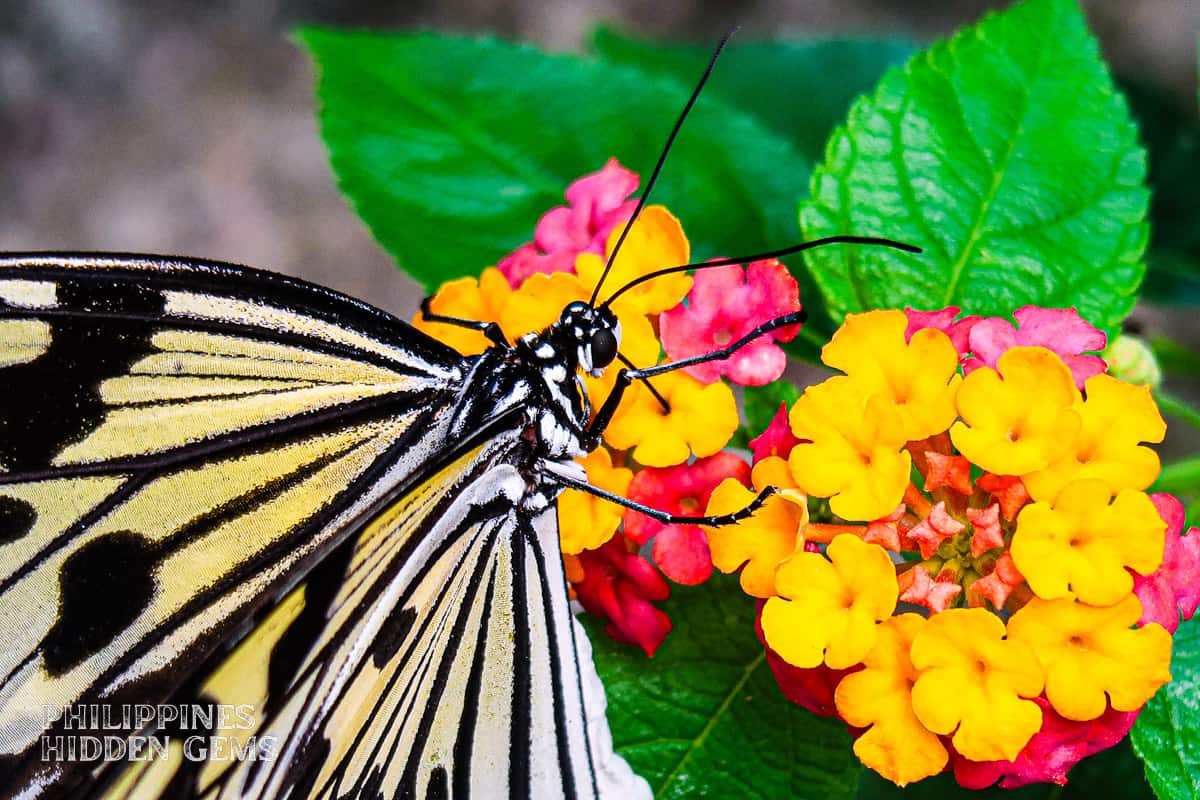
Mount Bandilaan National Park & Butterfly Sanctuary Guide
Explore Siquijor's highest peak at Mount Bandilaan National Park. Discover the Butterfly Sanctuary, healing traditions, panoramic viewpoints, and the annual Healing Festival.
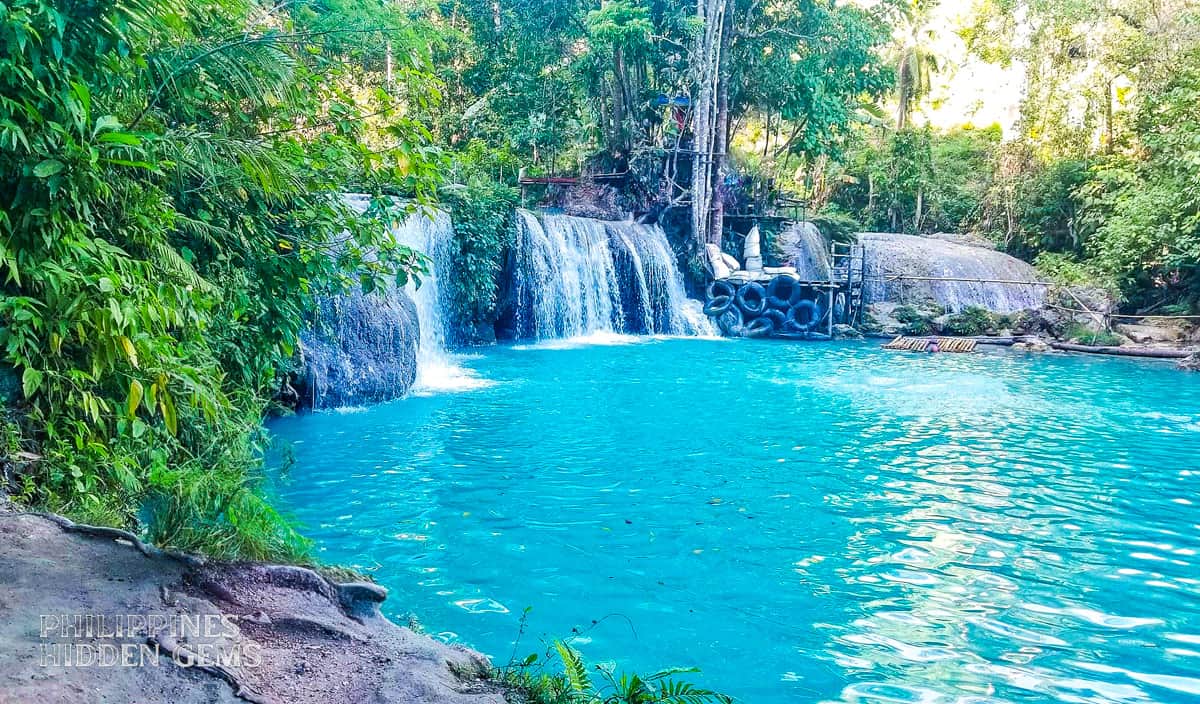
Cambugahay Falls: Siquijor's Most Beautiful Waterfall
Complete guide to visiting Cambugahay Falls - Siquijor's crown jewel featuring three tiers of turquoise water, rope swings, and natural pools.
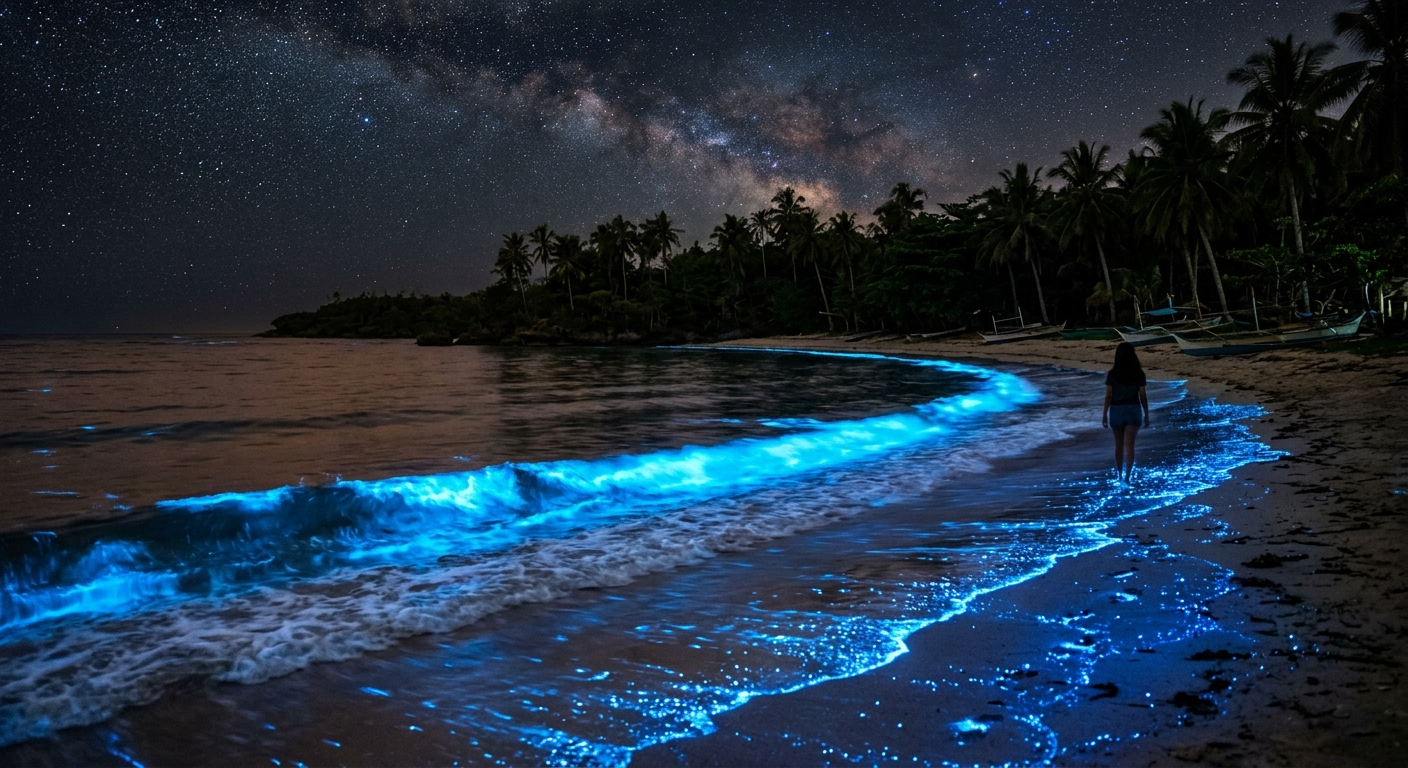
Siquijor Marine Magic: Experiencing the Bioluminescent Waters
Discover the magical bioluminescent waters of Siquijor Island. Complete guide to the glowing plankton phenomenon, best viewing spots, optimal timing, and tips for witnessing this natural light show.