The Shoulder Season Secret: Siquijor's Best Uncrowded Spots for Late April 2026
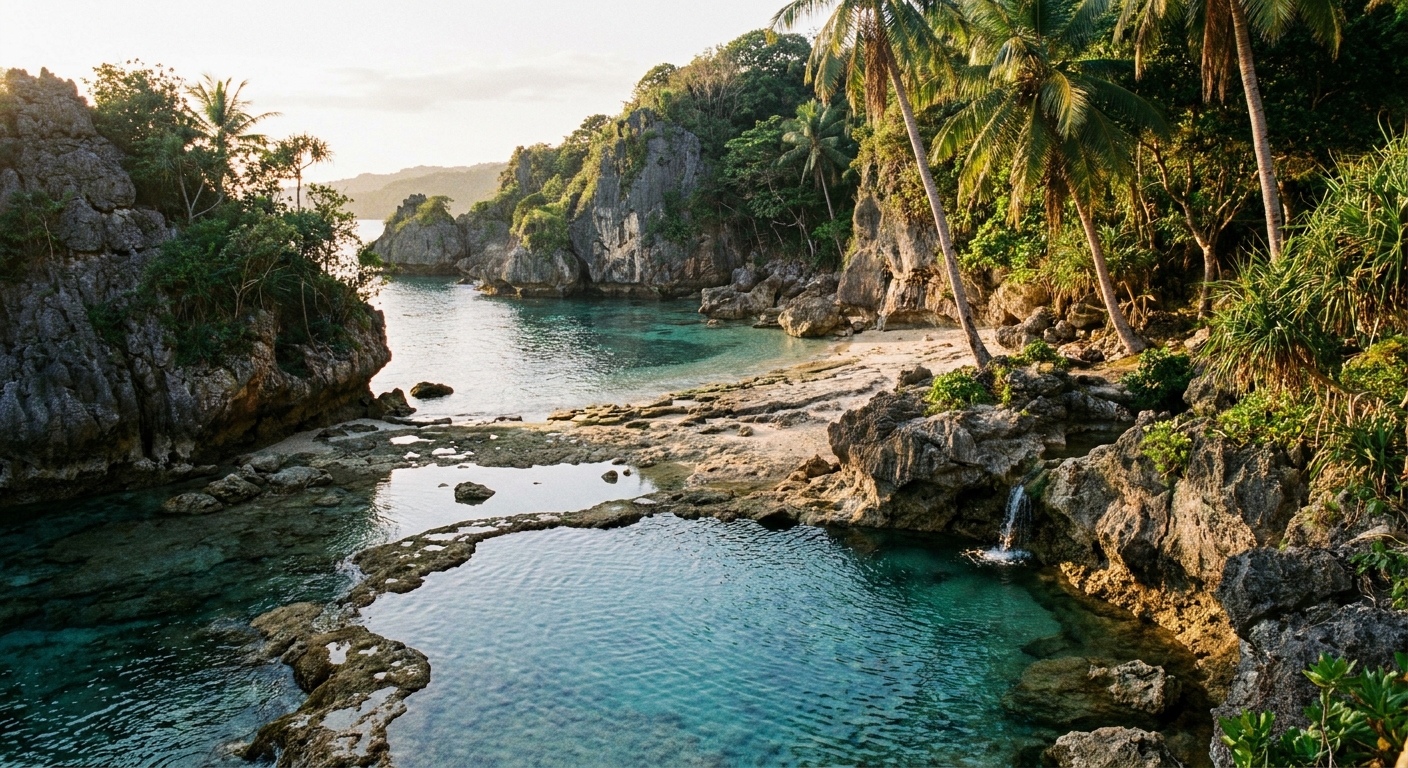
Beat the peak season crowds with this guide to Siquijor's most peaceful corners. Discover shaded swimming holes, breezy highland trails, and hidden coves where you can escape the late April heat.
The first week of April brings peak season energy to Siquijor. Schools have broken for Holy Week, Filipino families have descended on beach destinations across the Visayas, and the island’s narrow roads fill with motorcycles and tricycles navigating between attractions. Salagdoong Beach reaches capacity by mid-morning. Cambugahay Falls queues stretch toward lunch. The beach bars of San Juan fill with visitors watching the sun sink toward Bali.
But by the third week of April, something shifts. Easter week crowds have returned to Manila, Cebu, and further destinations. Day trippers from Dumaguete become less frequent. The island exhales. For travelers who time their visits to coincide with this shoulder season window, Siquijor reveals a different character: quieter, more contemplative, and in many ways more authentic than the bustling peak weeks that preceded it.
Late April presents a specific challenge alongside its opportunity. The dry season is reaching its zenith. Rainfall is minimal, rivers run low, and vegetation shows the stress of months without significant precipitation. More practically for visitors, the midday sun is at its most intense. The temperature regularly reaches thirty-three to thirty-six degrees Celsius, with humidity compounding the sensation of heat. For travelers who want to explore beyond resort beaches, understanding where to find shade, breeze, and relief becomes essential knowledge.
This guide focuses on exactly that knowledge. The places where late April visitors can find comfort without retreating entirely from Siquijor’s natural attractions. The spots where the absence of crowds creates space for genuine appreciation rather than managed frustration.
Understanding Late April Conditions
Before diving into specific locations, a clear picture of late April conditions helps set realistic expectations. The dry season on Siquijor typically runs from November through May, with March and April representing the driest and warmest months. By late April, the island’s water features have typically been affected by reduced flow. Some small waterfalls reduce to drips. Ponds and pools become warmer as circulation decreases. The landscape shows its fullest green in April before the stress of May and the relief of June rains.
Weather patterns during this period favor two strategies: seek water features with good circulation and consistent shade, and schedule outdoor activities for early morning and late afternoon hours. Midday, roughly from ten in the morning until three in the afternoon, should be treated as rest period territory. This does not mean napping in hotel rooms though. It means planning visits to shaded locations, air-conditioned cafes, or natural swimming holes where water flow provides natural cooling.
The shoulder season also brings advantages beyond reduced crowds. Accommodation prices typically ease from their peak Easter levels. Ferry and pump boat services remain fully operational. Most restaurants and attractions continue regular hours. Transportation availability improves as demand normalizes. For travelers who can adapt their schedules to the thermal realities of late April, the trade-offs heavily favor this timing over earlier peak weeks.
The Northern Coastline Between Peaks
The fourteen-kilometer stretch of coastline from San Juan toward Paliton Beach passes through Siquijor’s most developed tourism corridor. In late April, this corridor becomes more manageable than in peak weeks but still draws the majority of visitors staying in the San Juan area. Travelers based in this zone but seeking crowd-free experiences should explore the quieter segments between the obvious destinations.
The coastal road heading north from San Juan town center passes through several small barangays before reaching the Paliton area. Along this route, small access paths lead to unmarked coves and rocky shores that see minimal visitor traffic. These spots lack the dramatic waterfall backdrops or convenience of established attractions, but they reward visitors willing to explore with genuine solitude and excellent swimming conditions. Early morning visits between six and eight thirty work best for these explorations, before the midday heat establishes itself and before any tourists from nearby resorts have ventured out.
Paliton Beach itself deserves mention despite its popularity. The stretch of white sand facing southwest toward the Bohol Strait offers exceptional sunset views and serves as the island’s most photographed coastline. In late April, arriving before eight in the morning provides access to nearly empty sand and calm water conditions suitable for swimming. By ten, the beach begins receiving visitors. By noon, finding personal space becomes challenging during peak weekends. The key is treating Paliton as an early morning destination rather than an afternoon escape.
Tubod Marine Sanctuary in the Cool Hours
Tubod, located near the southeastern coastline between Lazi and Maria, represents one of Siquijor’s most accessible marine sanctuaries. The protected area features a natural swimming pool formed by surrounding limestone, creating calm clear water that attracts snorkelers throughout the dry season. In peak weeks, the sanctuary can feel crowded, with multiple groups competing for space and guides managing visitor flow.
Late April changes this dynamic substantially. Arriving before seven in the morning provides access to the sanctuary during its quietest hours. The water remains cool from overnight temperature stabilization. Fish activity near the coral formations peaks during early morning hours when predator activity is highest and fish schools move through predictable patterns. Visibility often exceeds fifteen meters during morning hours, compared to reduced clarity as midday sun warms surface water.
The sanctuary entrance fee supports local marine conservation efforts. Visitors should expect to pay around one hundred pesos per person, with additional fees for snorkel equipment rental if needed. The small visitor facilities include changing areas and basic shower facilities using collected rainwater. The surrounding area offers shade from coconut plantations, making it possible to spend an hour or more in the cool morning hours before the heat becomes uncomfortable.
The Mountain Springs of Enrique Villanueva
The municipality of Enrique Villanueva occupies Siquijor’s southeastern corner, positioned away from the tourism corridors that concentrate around San Juan, Salagdoong, and Cambugahay. The area’s interior highlands feature several small springs and water features that remain relatively unknown to visitors focused on the island’s more famous attractions.
The cooler elevation of this area, roughly two hundred meters above sea level, produces noticeably lower temperatures than the coastal zones. Afternoon temperatures in the interior highlands typically run three to four degrees cooler than San Juan Beach during late April. For travelers with transportation, either rented motorcycle or organized tricycle hire, a visit to these highland springs provides natural cooling that requires no artificial climate control.
The experience of visiting these springs differs substantially from established attractions. Facilities are minimal, often no more than a concrete pool with natural water flow and surrounding bamboo structures providing shade. The visitor experience relies on natural setting rather than developed amenities. This authentic quality appeals to travelers seeking genuine connection with local landscapes rather than managed tourism environments.
The Hidden Coves Near Larena
The northern municipality of Larena receives fewer visitors than San Juan or the Salagdoong corridor despite possessing substantial coastal attractions. The area’s coves and small beaches serve primarily local residents rather than tourism traffic, creating conditions that visitors seeking solitude will appreciate. Late April visits to this area reward travelers with swimming conditions that feel genuinely remote despite requiring only a short drive from more developed zones.
The coastline between Larena and the neighboring municipality of San Juan features several unmarked access points leading to rocky shores and small sand patches. The absence of signage, parking areas, or informal vendor presence creates a different experience from established attractions. Visitors should bring their own supplies including water, snacks, and any equipment needed for swimming or snorkeling. The reward comes in the form of genuine privacy in natural surroundings.
Early morning drives along this northern coastline work particularly well for photography and beach exploration. The eastern-facing shores catch morning light at angles that illuminate the turquoise water and white sand effectively. By midday, these same shores have lost their photographic lighting and gained uncomfortable heat. The strategy remains consistent: early starts and midday retreats to shaded or air-conditioned locations.
Cave Exploration During Peak Heat
Siquijor’s limestone geology has produced several cave systems that offer both adventure tourism opportunities and natural climate relief. The island’s caves maintain internal temperatures noticeably cooler than the outside air during late April, making them attractive destinations for travelers seeking escape from midday heat.
Cantabon Cave near Solano Junction receives the most visitor traffic among the island’s show caves. The developed pathways and guide services make this the most accessible caving experience, suitable for visitors without specialized equipment or prior spelunking experience. The cave interior maintains comfortable temperatures throughout the day, providing relief from outside conditions while offering the adventure of navigating illuminated underground formations.
For travelers seeking more adventurous cave exploration, several less-developed cave systems exist throughout the island’s interior. These locations require advance arrangements with local guides who know the cave locations and can provide necessary equipment. The experience differs substantially from show-cave tourism, involving more physical challenge and more authentic connection with underground environments. Such expeditions work well as half-day activities that consume the thermally uncomfortable midday hours while providing memorable experiences.
The Evening Alternative
Late April on Siquijor favors a schedule that front-loads experiences into early morning hours, retreats during the heat of midday, and resumes activities in late afternoon through evening. The island’s evening offerings expand as temperatures drop with sunset, creating comfortable conditions for outdoor exploration, beach visits, and dining experiences that would be uncomfortable during midday hours.
The evening hours from four in the afternoon until sunset provide excellent conditions for coastal exploration. The sun’s angle reduces direct heat while maintaining sufficient light for photography, swimming, and beach walking. Salagdoong Beach, crowded during midday, often empties substantially by late afternoon as day-trippers return to Dumaguete. Visitors arriving in the late afternoon find dramatically different conditions than those arriving at ten in the morning.
Beach dining during these hours offers another dimension of the late April experience. Several establishments along the San Juan coast have developed outdoor seating areas oriented toward sunset views. The combination of cooling temperatures, reduced humidity, and golden hour lighting creates dining conditions that rank among the most pleasant available anywhere in the Philippines. Making dinner reservations at these establishments for sunset timing provides a natural conclusion to a day structured around the shoulder season strategy of early starts and midday retreats.
Practical Considerations for April Travel
Successful late April travel to Siquijor requires some practical adjustments compared to visits during other seasons. Hydration needs are highest during this period. Visitors should drink water continuously throughout the day rather than waiting for thirst to signal dehydration. Small individual water bottles carried throughout excursions prove more practical than depending on finding water sources at attractions.
Timing of activities should center on the early morning hours from six until ten, with a complete midday break during the thermally uncomfortable period from ten until three or four in the afternoon. This schedule requires accepting that some activities will simply not be possible during their conventional timing. The trade-off involves accepting the limitations in exchange for the benefits of shoulder season travel including reduced crowds and lower accommodation costs.
Transportation arrangements should account for the reality that motorcycle rentals remain the most practical option for independent exploration. Travelers relying on tricycles or organized tours face constraints on timing and destination flexibility that interfere with the early morning scheduling this guide recommends. For travelers uncomfortable driving motorcycles, arranging tricycle hire for specific half-day explorations rather than depending on finding available vehicles at each destination works better.
The Value of the Shoulder Season Approach
Late April visitors who embrace the shoulder season strategy discover a Siquijor that remains beautiful while feeling fundamentally different from the peak season experience. The island’s natural attractions continue to provide their essential appeal: white sand beaches, clear turquoise water, dramatic waterfalls, and rich marine ecosystems. But the experience of visiting these attractions during shoulder season differs substantially from peak weeks.
Reduced crowds create space for genuine appreciation rather than managed frustration. The absence of waiting times at attractions and the availability of personal space on beaches changes the emotional quality of the experience. Travelers report feeling less rushed, less stressed, and more present during shoulder season visits compared to peak weeks where managing logistics crowds out the appreciation of natural surroundings.
The thermal challenge of late April, while real, proves manageable with appropriate scheduling. The strategies outlined in this guide regarding early morning starts, midday retreats, and evening exploration allow visitors to experience everything Siquijor offers while avoiding the most uncomfortable conditions. The reward comes in the form of an island experience that feels authentic, unhurried, and genuinely relaxing.
For travelers willing to adapt their schedules to the realities of late April conditions, Siquijor rewards them with experiences that peak season visitors often miss entirely. The quiet mornings, the cooling springs, the empty beaches at sunset, the cave explorations during the heat of midday. These experiences come together to create a portrait of Siquijor that differs from the peak season postcard version while remaining equally compelling.
Siquijor in late April is not a consolation prize for missing peak season. It is a different experience with its own distinct advantages. The island deserves to be appreciated across all seasons. The thoughtful traveler learns to appreciate each season’s character rather than mourning its limitations.
Planning your late April visit? Check our Complete Siquijor Transportation Guide for tips on renting motorcycles and arranging tricycle rides around the island.
Related Travel Guides
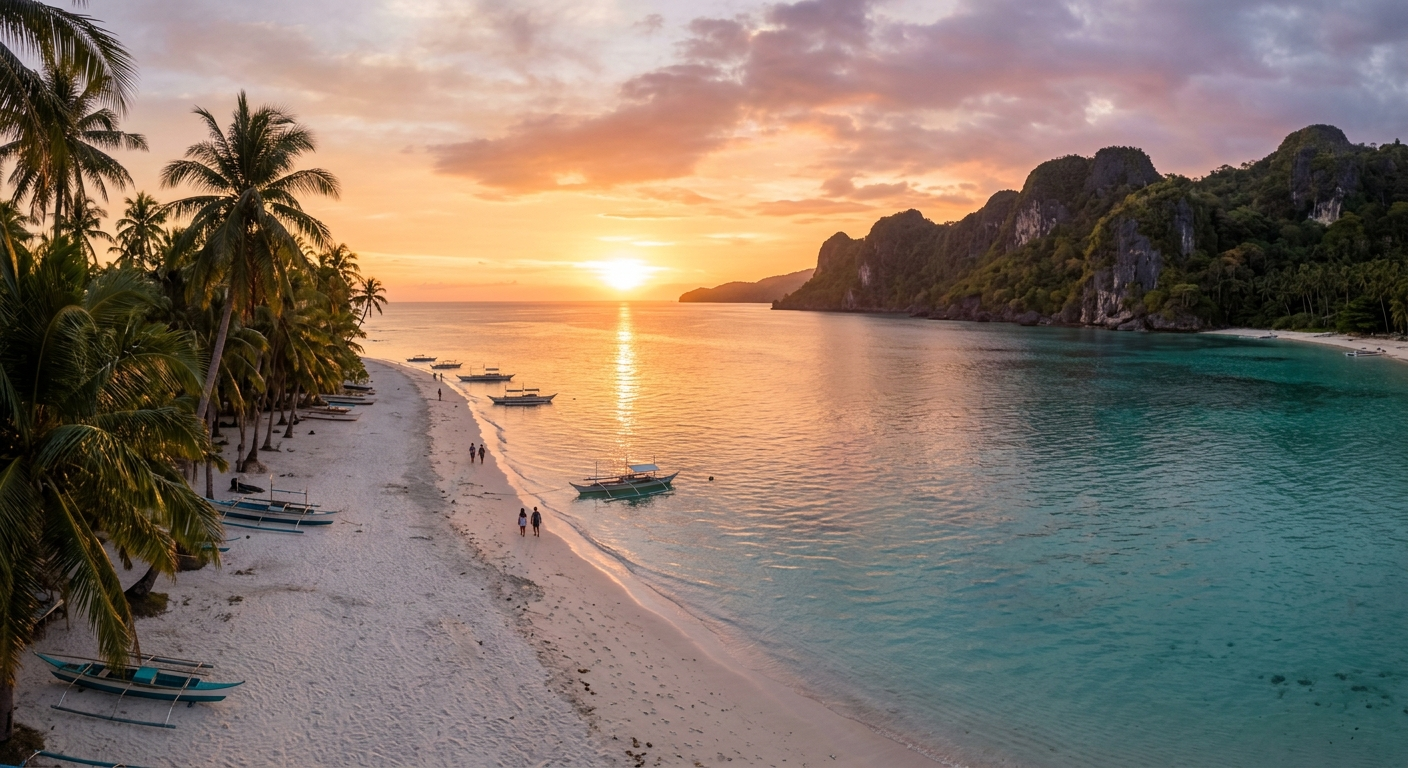
Siquijor's Northern Coast: Complete Guide to Paliton Beach and the Forgotten Shore
Discover the quiet northern coast of Siquijor Island beyond the tourist trail. A complete guide to Paliton Beach, whale watching, and the fishing villages from Larena to Enrique.
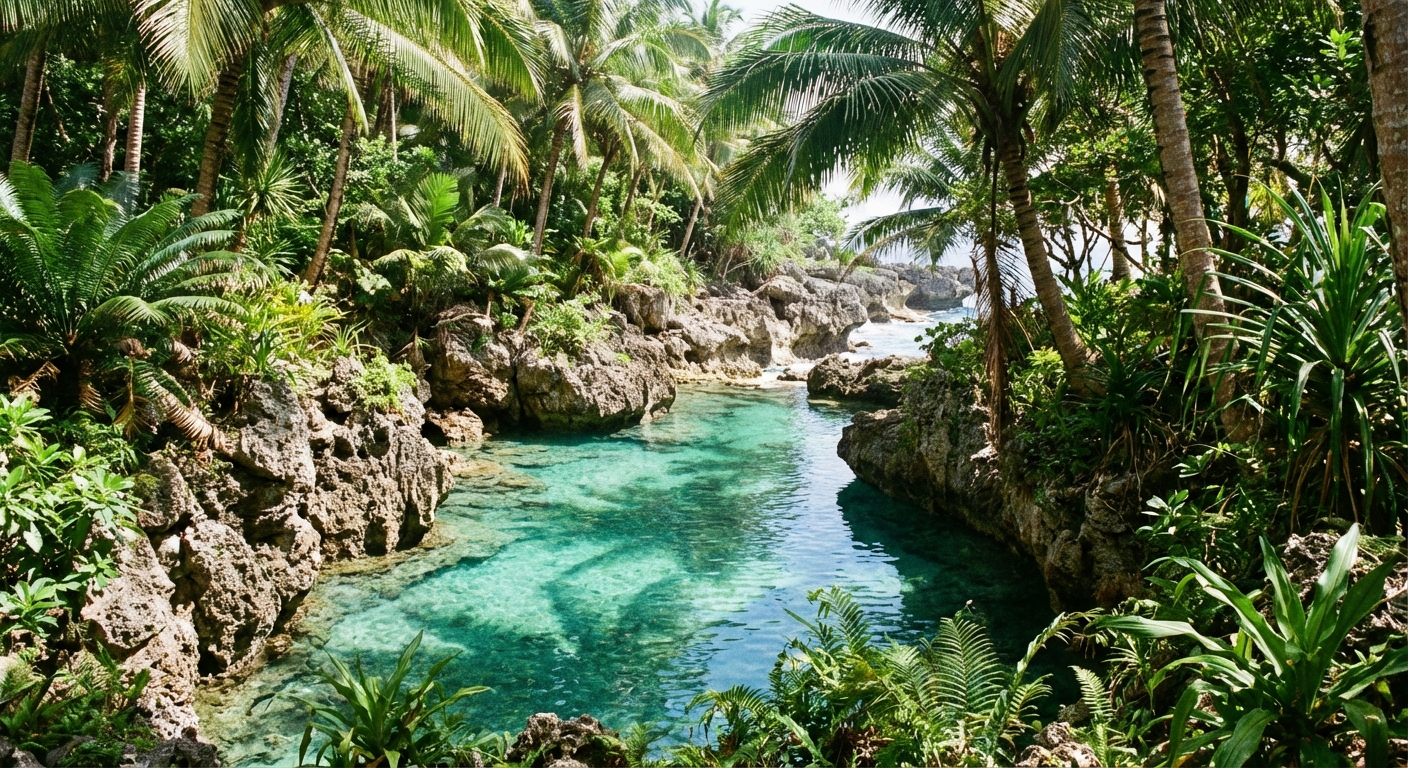
Siquijor's Best Secret Swimming Spots: Natural Pools, Tidal Lagoons and Hidden Coves
Discover Siquijor's most beautiful secret swimming spots for summer 2026. From natural rock pools and tidal lagoons to hidden coves only locals know about, this guide covers where to swim beyond the usual beaches.
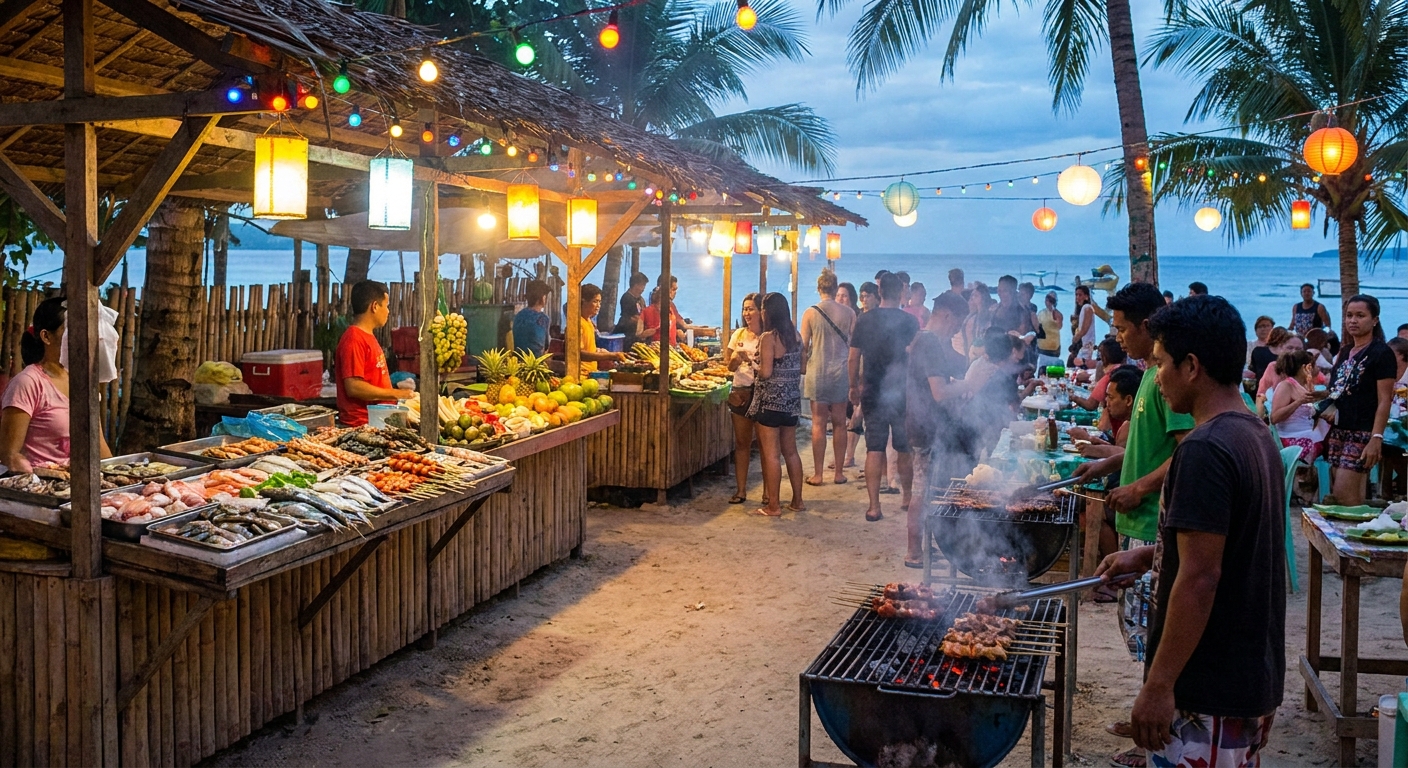
Siquijor Street Food and Night Market Guide: Where to Eat After Dark on the Mystic Island
Complete guide to Siquijor's best street food stalls, night markets, and evening dining experiences. Discover local delicacies, budget-friendly meals, hidden food spots, and practical tips for eating well on the island after sunset.