
Siquijor's Northern Coast: Complete Guide to Paliton Beach and the Forgotten Shore
Discover the quiet northern coast of Siquijor Island beyond the tourist trail. A complete guide to Paliton Beach, whale watching, and the fishing villages from Larena to Enrique.
Most visitors to Siquijor arrive by ferry at Larena port on the northern coast, yet this arrival point rarely becomes a destination in its own right. The island draws travelers southward toward the famous waterfalls, cliff-jumping beaches, and the lively sunset bars of San Juan. The northern shore, by contrast, moves at its own unhurried rhythm. This guide covers the stretch of coast from Larena through Siquijor Town and east toward the municipality of Enrique, a route that passes through some of the island’s most unspoiled shoreline.
Arriving at Larena Port: The Island’s Northern Gateway
Larena sits on the northwest coast of Siquijor and serves as the primary ferry port for vessels arriving from Cebu and Dumaguete. Travelers passing through often see little more than the port terminal before boarding a tricycle southward. This is worth reversing. The road that curves east from Larena along the coastline passes through a landscape of small coconut farms, coral-stone houses, and fishing communities that have changed little over decades.
The port area itself has a handful of local eateries serving fresh catch at prices far below what tourists pay in San Juan. Grilled fish, shrimp sinigang, and rice cooked in coconut milk are common offerings at the carinderias near the waterfront. Stopping here for a meal before heading east gives a genuine sense of how most island residents live.
Paliton Beach: Siquijor’s Most Beautiful Secret
Approximately 45 minutes east of Larena by scooter lies Paliton Beach, consistently rated among the most beautiful stretches of sand in the Philippines. Despite this reputation, Paliton receives a fraction of the visitors that crowd Salagdoong Beach on the eastern tip of the island. The beach stretches for several hundred meters along a shallow bay with calm, turquoise water that is particularly inviting in the morning hours before the wind picks up.
The sand is fine and pale, fringed by a line of coconut palms that provide natural shade throughout the day. Behind the beach, a small ridge of limestone formations adds visual interest and offers elevated viewpoints for photographs. Local cottages and simple guesthouses line the road leading down to the beach, operated by families who have lived in the area for generations.
Snorkeling around Paliton is a quieter alternative to Tubod Marine Sanctuary. The reef begins just beyond the breakwater of small boats anchored offshore, and marine life includes sergeant major fish, parrotfish, and occasional sea turtles foraging in the shallows. The best snorkeling is accessible directly from the shore, making Paliton suitable for families and travelers without diving equipment.
Local fishermen can often be found bringing in the morning catch. Purchasing fish directly from them and arranging for it to be cooked at a nearby guesthouse is one of the most authentic dining experiences available on the island. This arrangement requires some Filipino language ability or a patient negotiation with gestures, but the reward is exceptionally fresh seafood at a fraction of restaurant prices.
The Road East: Enrique and the Forgotten Villages
East of Paliton, the coastal road narrows and passes through the municipality of Enrique. This area sees very few tourists and moving through it feels like entering a different version of Siquijor. The villages here are small and agriculture-based, with households reliant on coconut farming, fishing, and cassava cultivation. The coastline is less dramatic than the cliff-backed shores of the south, but it has a raw coastal beauty of its own.
Enrique is also where the geography of the island shifts. The interior highlands of Mount Bandilaan recede, and the land flattens toward the coast. This creates different opportunities for exploration, particularly along tidal flats and mangrove fringes that are largely undocumented in most travel guides.
Duyan, a barangay within Enrique, sits at the eastern edge of this stretch and faces the open strait toward Dapitan on the mainland. From certain elevated points along this stretch, it is possible to see dolphins moving through the channel on clear mornings. Local fishermen occasionally offer boat rides to improve the chances of sightings, though this is an informal arrangement that requires asking at the village.
Whale and Dolphin Watching off the Northern Shore
The Siquijor Strait between Siquijor and Negros Oriental is a known migratory route for dolphins and occasionally for pilot whales. The months from November through May offer the best chances of sightings, coinciding with the calmer seas of the dry season. Organized whale and dolphin watching tours operate from Dumaguete and sometimes from southern Negros, but independent travelers based on Siquijor’s northern coast can arrange departures from Larena or Paliton with local boat operators.
The experience differs from commercial tour operations. Boats are typically small banca vessels, and the approach to marine life depends entirely on what is spotted on a given day. Spotted dolphins and bottlenose dolphins are the most common encounters. Early morning departures, before 7 AM, tend to produce the best results as boat traffic on the strait is minimal and marine mammals are more active.
Local Beaches Between Larena and Paliton
The coastline between Larena port and Paliton Beach spans roughly 8 kilometers and contains several small coves that do not appear on tourist maps. Many are accessible only on foot or by scooter on unpaved tracks. At low tide, these coves reveal tidal pools and reef flats that are excellent for shore-based snorkeling.
One such cove lies near the barangay of Poo-pez and can be identified by a cluster of boats pulled up on the sand. The reef here is healthy and less visited than those closer to the main tourist areas. Another worth finding is the stretch near the boundary between Larena and Siquijor municipality, where the road dips close to the water and offers spontaneous access to a rocky shoreline backed by casuarina trees.
Practical Information for the Northern Coast
Getting There: The northern coast is best explored by scooter, which can be rented in Siquijor Town or San Juan for approximately 400 to 600 pesos per day. From Siquijor Town, the drive to Paliton takes roughly 40 minutes on the eastern road. From Larena, it is approximately 20 minutes east along the coast.
When to Visit: The northern coast is at its best from November through May. During the wet season, some unpaved tracks become difficult to navigate and the sea may be too rough for boat trips. The dry season months of February, March, and April offer the clearest water for snorkeling and the most reliable conditions for whale watching.
Accommodation: Options along the northern coast are more limited than in San Juan. Paliton has a small number of beachfront cottages and guesthouses that book up during local holidays. Reservations are not always possible through online platforms for these smaller establishments, and arriving early or asking locally upon arrival is often more effective than searching on booking websites.
What to Bring: Sunscreen, snorkeling gear if you have it, Philippine pesos in small denominations, and a basic phrases sheet for Bisaya. The northern villages are largely cash-based economies with no ATMs. Water and snacks should be carried as facilities are sparse along the more remote stretches of coast.
Why the North Deserves Your Time
Siquijor’s northern coast does not offer the adrenaline of cliff jumping at Salagdoong or the social energy of San Juan’s sunset bars. What it offers instead is space. Space to walk a beach without seeing another tourist. Space to snorkel over a reef that has not yet been named in an online travel guide. Space to sit with a fisherman on a banca at dawn and watch the strait for the dark dorsal fin of a dolphin cutting through the morning glass.
The island’s south has been discovered. Its north is still a work in progress, and that is precisely its appeal.
Related Travel Guides
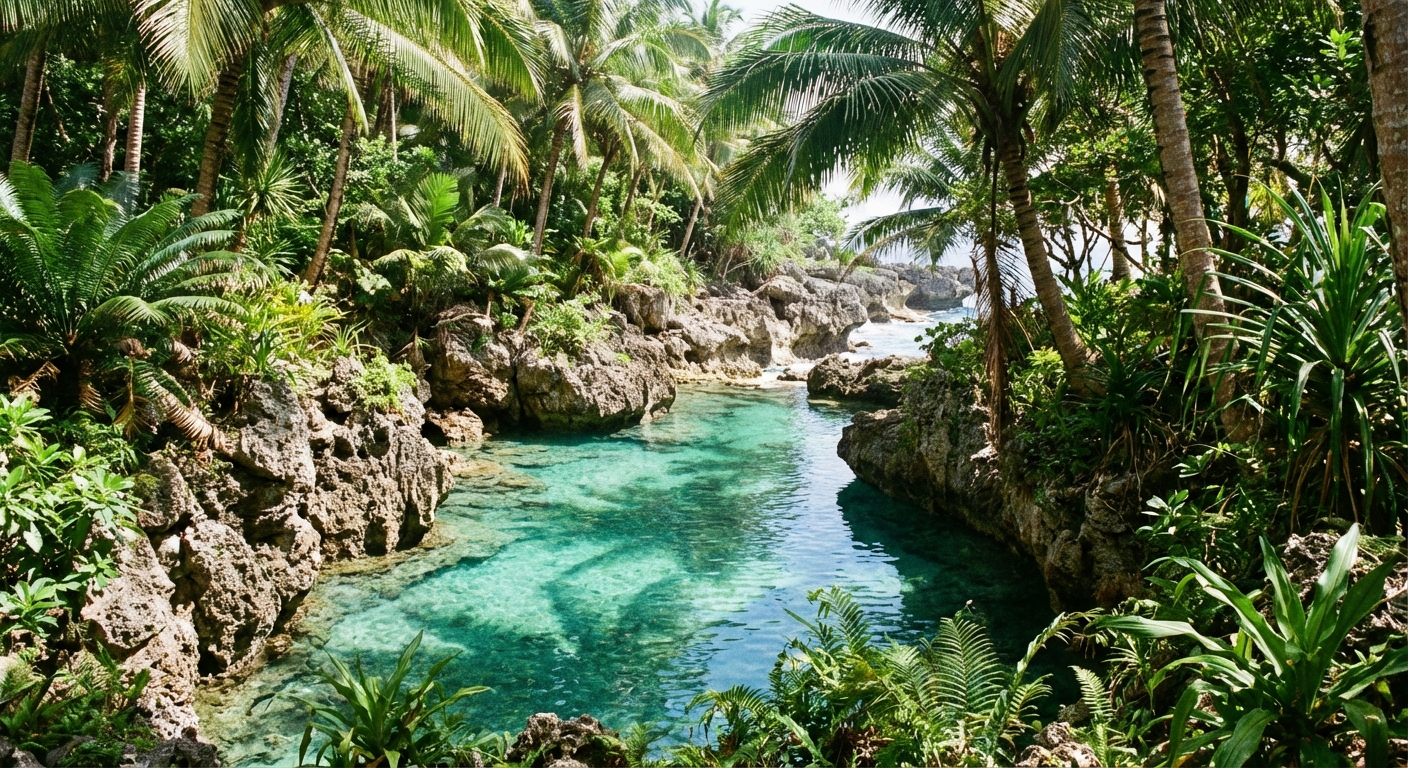
Siquijor's Best Secret Swimming Spots: Natural Pools, Tidal Lagoons and Hidden Coves
Discover Siquijor's most beautiful secret swimming spots for summer 2026. From natural rock pools and tidal lagoons to hidden coves only locals know about, this guide covers where to swim beyond the usual beaches.
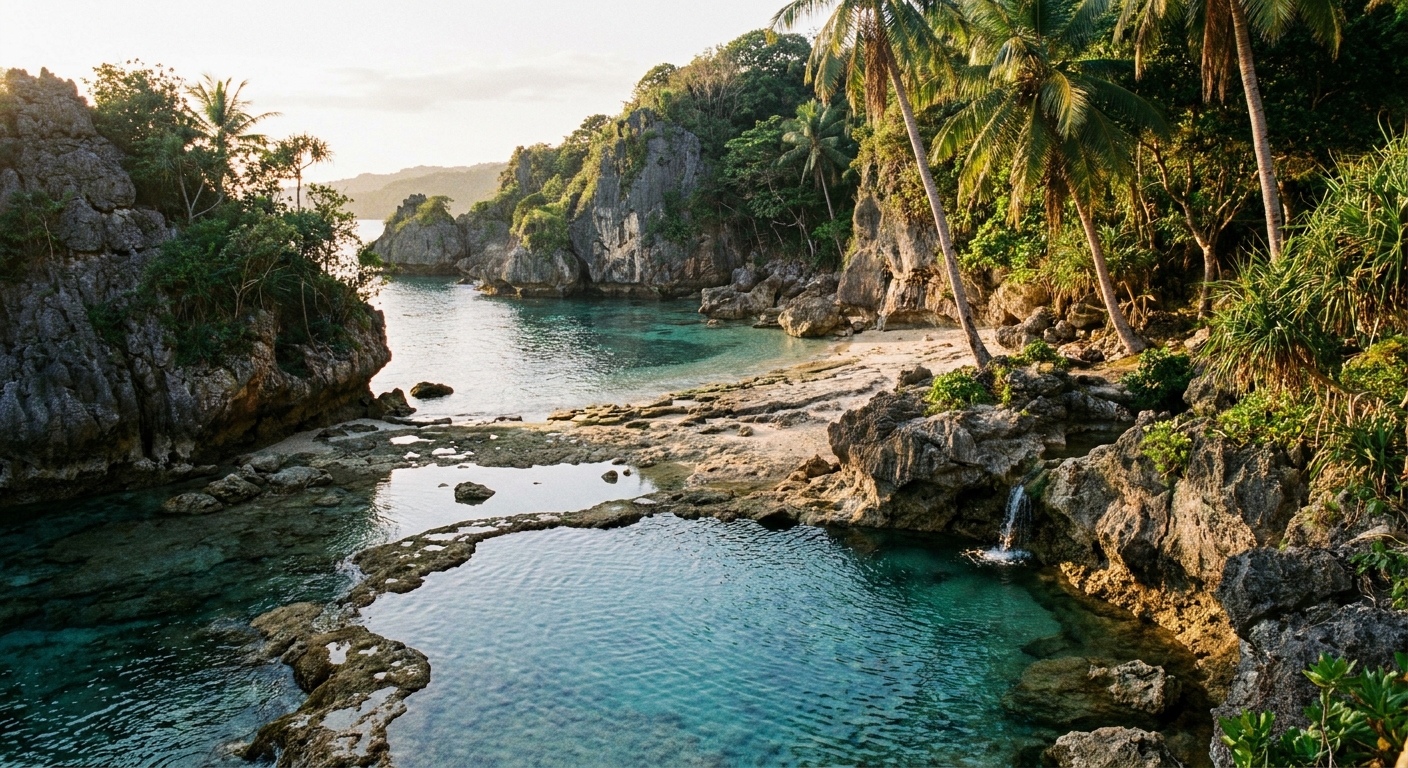
The Shoulder Season Secret: Siquijor's Best Uncrowded Spots for Late April 2026
Beat the peak season crowds with this guide to Siquijor's most peaceful corners. Discover shaded swimming holes, breezy highland trails, and hidden coves where you can escape the late April heat.

Stand-Up Paddleboarding in Siquijor: Best Spots, Rentals, and Tips
A complete guide to stand-up paddleboarding around Siquijor Island. Find the calmest waters, best rental shops, sunrise SUP routes, and practical tips for beginners and experienced paddlers.