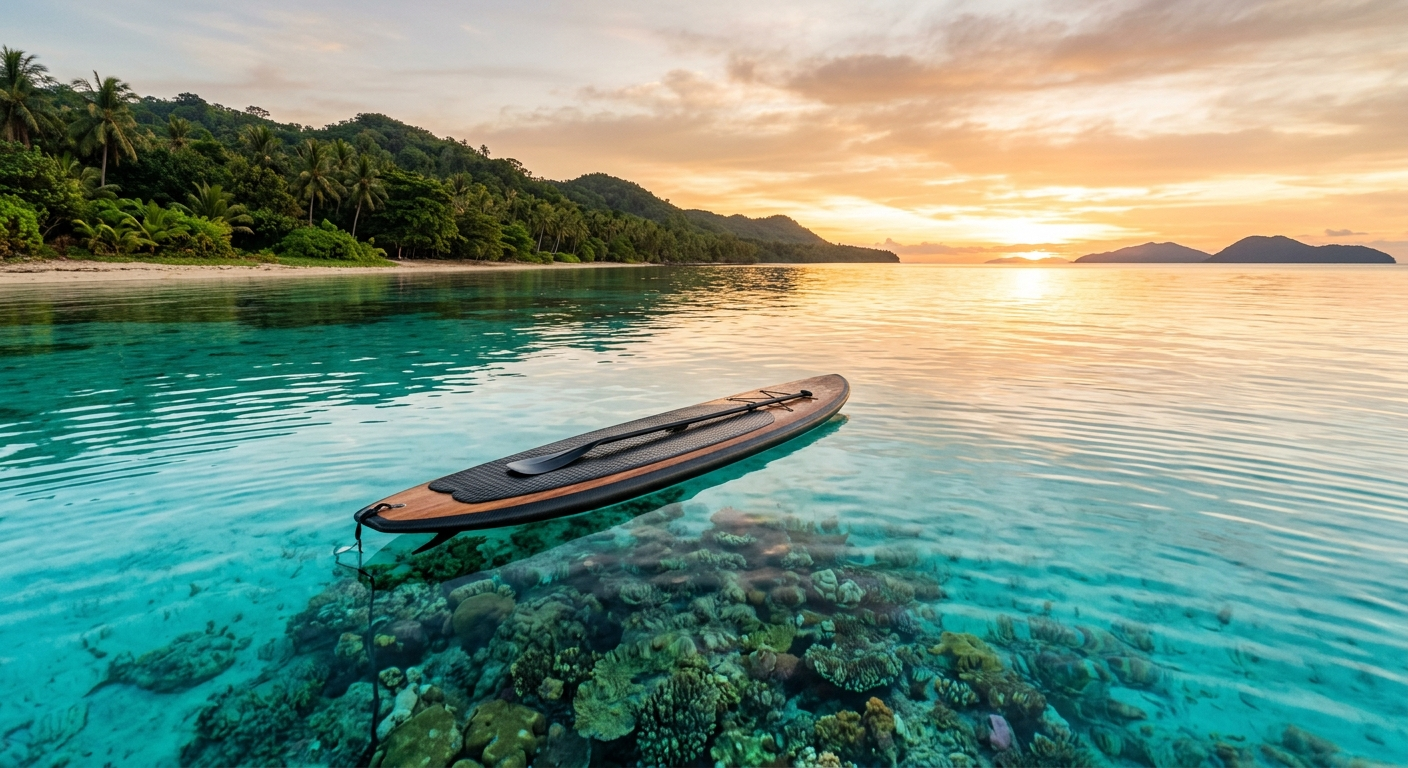
Stand-Up Paddleboarding in Siquijor: Best Spots, Rentals, and Tips
A complete guide to stand-up paddleboarding around Siquijor Island. Find the calmest waters, best rental shops, sunrise SUP routes, and practical tips for beginners and experienced paddlers.
Why Siquijor Is Ideal for Stand-Up Paddleboarding
Siquijor sits in the sheltered waters between Bohol, Cebu, and Negros, creating conditions that are unusually favorable for stand-up paddleboarding. The island’s compact size means you are never far from a calm, protected stretch of coast, and the shallow reef flats that ring much of the shoreline act as natural breakwaters, smoothing out ocean swells before they reach the beach.
During the dry season from February through May, morning conditions on Siquijor’s western and southern coasts are frequently glassy — flat, windless water that reflects the sky like a mirror. These are the conditions that paddlers dream about, and they occur with remarkable consistency here.
The water clarity is another factor that elevates the SUP experience. Siquijor’s marine sanctuaries and limited coastal development have preserved reef systems that are visible from the surface. Paddling over a coral garden in three meters of crystal-clear water, watching fish move below your board, is one of those activities that makes you understand why people return to this island.
Best SUP Spots Around the Island
Paliton Beach, San Juan
Paliton is the premier paddleboarding location on Siquijor, and for good reason. The beach faces west-southwest, which means it catches the afternoon sun for warm, golden paddles, but more importantly, it is sheltered from the prevailing northeast trade winds during dry season.
The seafloor here slopes gently, giving beginners a long stretch of waist-deep water to practice in before committing to deeper sections. The coral reef starts roughly 100 meters offshore, creating a calm lagoon zone that is perfect for learning balance and basic strokes.
Conditions: Glassy mornings, light onshore breeze in the afternoon. Best before 10:00 AM or after 3:00 PM when the sun angle is lower.
Depth: 0.5 to 3 meters in the lagoon zone, deeper beyond the reef edge.
Current: Minimal within the protected area. A gentle northward drift may develop in the afternoon.
Suitability: All levels. The flat, sandy bottom and gradual depth make this the safest spot for first-timers.
Tubod Marine Sanctuary, San Juan
Located adjacent to some of the most popular beachfront accommodations in San Juan, Tubod offers a structured marine sanctuary with a designated swimming and water sports area. The sanctuary’s protected status means the reef is healthy and the water is exceptionally clear.
Paddling over the Tubod reef system is like floating above an aquarium. Sea turtles are occasionally spotted here, and the diversity of reef fish is remarkable for a nearshore location. The sanctuary buoys provide useful reference points for navigation.
Conditions: Calm mornings. The area is more exposed than Paliton and can develop a light chop by mid-morning.
Depth: 1 to 5 meters over the reef flat and drop-off.
Current: Light tidal current. Be aware of the reef edge where current can strengthen.
Suitability: Intermediate. The reef requires awareness to avoid standing on coral or drifting into boat channels.
Salagdoong Beach, Maria
Salagdoong is better known for cliff jumping, but the cove area offers sheltered paddling with dramatic coastal scenery. The high limestone cliffs that frame the beach block wind from multiple directions, creating a natural amphitheater of calm water.
The water here is deep and intensely blue. Paddling along the cliff base reveals small caves, overhangs, and rocky inlets that are inaccessible on foot. This is a SUP exploration route rather than a casual paddle, and the scenery justifies the effort.
Conditions: Protected from most wind directions by the cliff formations. Morning is best for calm water and soft light on the cliffs.
Depth: 3 to 10 meters. Deep water starts close to shore near the cliffs.
Current: Light, but can be unpredictable near headlands. Stay within the cove if uncertain.
Suitability: Intermediate to advanced. Deep water and proximity to rocks require confidence and board control.
Kagusuan Beach, Maria
This secluded beach on the southern coast is a hidden gem for paddlers seeking solitude. The beach is small, but the offshore area provides a long, uninterrupted paddle along the coast with views of undeveloped shoreline and coconut plantations running down to the water.
The southern coast catches less tourist traffic, so you are unlikely to share the water with other paddlers, boats, or swimmers. The reef system along this stretch is shallow and colorful, making it an excellent snorkel-and-paddle combination route.
Conditions: Protected from the northeast trade winds. Afternoon sea breezes can develop, so morning sessions are recommended.
Depth: 1 to 4 meters over the reef flat.
Current: Generally mild. Tidal changes can create slight lateral drift.
Suitability: All levels in the immediate beach area. Coastal exploration suits intermediate paddlers.
Lazi Bay
The broad, south-facing bay at Lazi provides the longest open-water paddle opportunity on the island. From the pier area, you can paddle east along the coast toward the old Spanish church and convent, passing above reef sections and sandy patches. Continuing further east takes you toward more remote coastline with little development.
The bay is also a working fishing area, so early mornings may include encounters with bancas heading out for the day’s catch. This adds character to the paddle but requires awareness of boat traffic.
Conditions: The bay is generally calm in the morning. A southerly swell can develop during transition seasons.
Depth: Variable. Sandy areas near the pier are shallow; reef sections are 2 to 5 meters.
Current: Tidal current runs along the bay. Factor this into your route planning, especially on longer paddles.
Suitability: Intermediate. The open bay exposure and boat traffic require basic water awareness.
Where to Rent SUP Equipment
Stand-up paddleboard rental availability on Siquijor has grown steadily as the island’s tourism infrastructure develops. Here are the main options:
Beachfront resorts in San Juan. Several accommodations along the San Juan beachfront offer SUP boards to both guests and walk-in renters. Rates typically range from 300 to 500 PHP per hour, with half-day rates of 800 to 1,200 PHP available at most locations. Quality varies, so inspect the board and paddle before committing. Look for boards without significant dings, a functional leash, and a paddle that adjusts to your height.
Tour operators. Some island tour companies in San Juan and Larena include SUP as an add-on to their coastal tour packages. This can be a cost-effective option if you want to combine paddleboarding with snorkeling or island hopping.
Accommodation packages. A growing number of guesthouses and boutique hotels include SUP boards as a complimentary amenity for guests. If paddleboarding is a priority for your trip, this is worth checking when booking accommodation.
Bringing your own. Inflatable SUP boards pack down to the size of a large backpack and are increasingly popular among traveling paddlers. They transport easily on the ferry from Dumaguete and can be inflated at any beach. If you own an inflatable SUP and plan to paddle multiple locations during your stay, bringing it is the most flexible and economical option.
Sunrise SUP Sessions
The single best paddleboarding experience on Siquijor is a sunrise session on the eastern or southern coast. Here is why, and how to make it happen.
Sunrise on Siquijor occurs between 5:45 and 6:00 AM during March and April. The period from roughly 5:30 to 7:00 AM consistently offers the flattest water, the softest light, and the most comfortable temperatures. The air is cool, the wind has not yet started, and the sea surface looks like liquid glass.
Kagusuan Beach is the classic sunrise SUP location. The beach faces southeast, putting the sunrise directly ahead as you paddle out. The warm light illuminating the limestone coastline and the underwater reef creates a visual experience that photographers and paddlers rate as one of the highlights of their trip.
Route suggestion. Launch from Kagusuan Beach at first light. Paddle east along the coast for 15 to 20 minutes, staying within 100 meters of shore. Pause on the water to watch the full sunrise. Return to the beach as the light strengthens, stopping over reef sections to observe the underwater scenery that becomes visible as the sun angle increases.
Logistics. Getting to Kagusuan by 5:30 AM requires leaving San Juan at approximately 4:45 AM by motorcycle. The road is quiet at this hour. Bring a headlamp for the beach access path and have your board ready before the light arrives.
SUP Safety on Siquijor
Stand-up paddleboarding is a low-risk activity in the right conditions, but ocean environments always demand respect. Here are the safety considerations specific to Siquijor:
Reef awareness. Siquijor’s reefs are shallow in many areas. Falling off your board onto live coral injures both you and the reef. In shallow reef areas, paddle in a wide stance with your knees slightly bent, ready to drop to a kneeling position rather than falling into the water. If you do fall, try to fall flat rather than feet-first.
Sun exposure. The tropical sun at Siquijor’s latitude is intense, especially with the additional reflection off the water. Wear a rash guard or sun shirt, apply reef-safe sunscreen to exposed skin, and wear a hat that can stay on during a fall — a strap or clip is essential. Dehydration sneaks up quickly on the water. Bring a water bottle secured to your board.
Currents and drift. While Siquijor’s nearshore waters are generally mild, tidal currents can be stronger than expected near reef edges and headlands. Always paddle into the current at the start of your session so that the return trip is assisted rather than opposed.
Boat traffic. Fishing bancas, dive boats, and ferry traffic operate around the island. Paddle in areas away from designated boat channels, and be aware that small bancas can approach quietly. Making yourself visible with bright-colored clothing helps.
Leash requirement. Always wear your board leash. In the event of a fall, the board can drift away quickly in even a light current. The leash keeps your flotation device attached to you at all times.
Buddy system. Solo paddling is common among experienced paddlers, but beginners should paddle with at least one other person or stay within sight of shore where others can provide assistance.
Best Season for SUP in Siquijor
The dry season from February through May is the prime paddleboarding window. Within that range:
March and April are the peak months. Wind is minimal, rain is rare, and water clarity is at its best. Late March, as we approach Holy Week, sees an increase in visitors to the island, so popular spots like Paliton may be busier than usual. Early morning sessions avoid both the crowds and the afternoon breeze.
May remains excellent for conditions but can be hotter. The transition to the wet season sometimes produces afternoon squalls, though mornings are typically clear.
June through October brings the southwest monsoon (habagat), which can create choppy conditions on the western coast. Eastern and northern shores may still be paddleable in the mornings, but this is not the ideal season for SUP.
November through January is the transition period. Conditions improve as the northeast monsoon (amihan) stabilizes. The trade winds are generally lighter on Siquijor than on more exposed islands, so paddleable days occur regularly, but check conditions each morning.
Combining SUP with Other Water Activities
Siquijor’s compact size and diverse marine environments make it easy to build a full day around water activities:
SUP and snorkeling. Bring a mask and snorkel secured to your board. Paddle to a reef section, anchor your board or hold it while you snorkel, then continue paddling. The Tubod Marine Sanctuary is particularly suited to this combination.
SUP and cliff jumping. Paddle to Salagdoong in the morning, leave your board on the beach, then walk up to the cliff jumping platforms. Cool off with jumps, then paddle back along the coast.
SUP and island exploration. Use your board to access small beaches and rocky coves that are difficult to reach on foot. Siquijor has numerous pocket beaches along its 72-kilometer coastline that are best approached from the water.
What to Bring for a SUP Day
A focused packing list for a paddleboarding day on Siquijor:
- Rash guard or UV-protective shirt (mandatory, not optional)
- Reef-safe sunscreen (conventional sunscreen damages the corals you are paddling over)
- Water bottle with a secure clip or bungee attachment
- Waterproof phone case or dry bag for valuables
- Snorkel and mask (compact enough to strap to the board)
- Aqua shoes or reef shoes for rocky launches
- Hat with chin strap
- Light towel
- Cash for rentals and snacks (most rental operators do not accept cards)
A Note on Respect for the Marine Environment
Siquijor’s coral reefs and marine sanctuaries are the foundation of both the island’s ecology and its tourism economy. When paddleboarding:
Do not stand on coral, even accidentally. If the water is too shallow for your fin to clear the reef, kneel on the board or find a deeper route. Do not drag your paddle across reef formations. Do not anchor your board by wedging it into coral structures. If you are renting, choose an operator that provides reef-safe practices guidance.
The ecological fee collected at various entry points around the island funds marine conservation efforts. Pay it without complaint — it directly supports the preservation of the environment you are enjoying.
Getting Started
If you have never tried stand-up paddleboarding, Siquijor is an excellent place to learn. The warm water, calm conditions, and soft sandy beaches reduce the consequences of falling, and the scenic reward for getting upright on the board is immediate.
Most rental operators can provide basic instruction. The fundamentals take about 15 minutes to learn: stance, paddle grip, forward stroke, and turning. Within an hour, most beginners are paddling comfortably in flat water.
For experienced paddlers, Siquijor offers a rare combination of clear water, healthy reefs, minimal crowds, and consistent conditions that makes it one of the most satisfying SUP destinations in the Philippines. The island rewards exploration, and a paddleboard is one of the best tools for discovering its quieter corners.
Load your board. Check the wind. Head for the nearest calm beach. The water is waiting.
Related Travel Guides
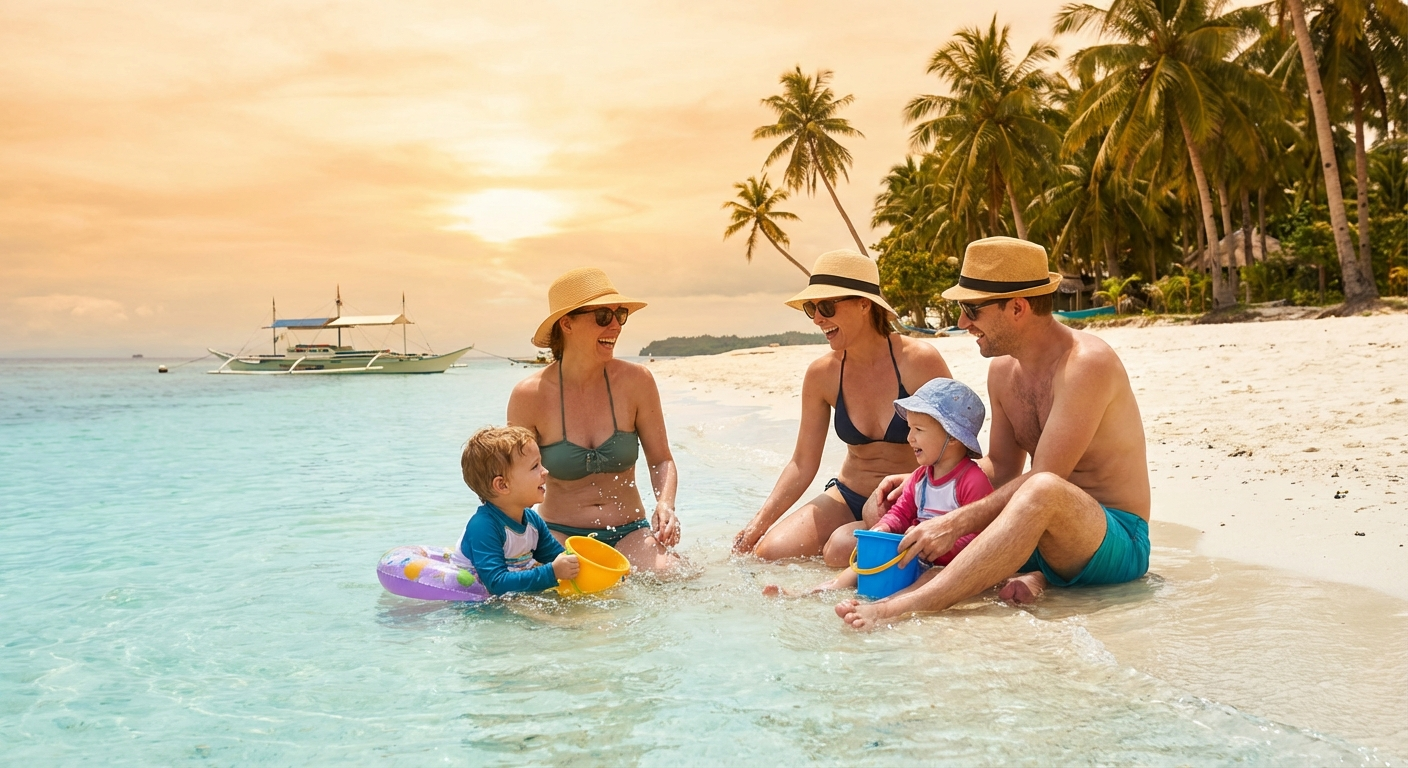
Siquijor with Kids: Family-Friendly Activities and Travel Tips
Planning a Siquijor family vacation? This complete guide covers the best kid-friendly beaches, waterfalls, activities, accommodations, safety tips, and practical advice for traveling with children.
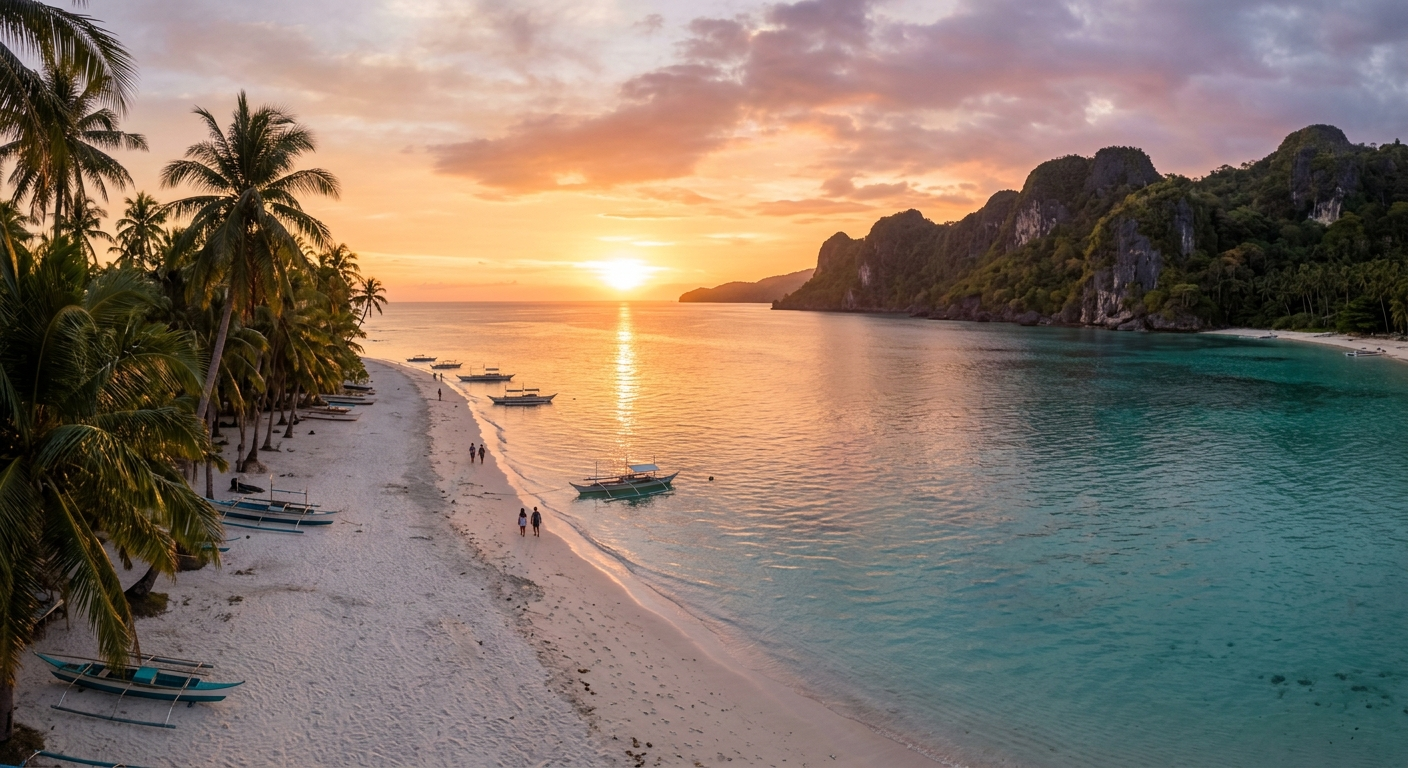
Siquijor's Northern Coast: Complete Guide to Paliton Beach and the Forgotten Shore
Discover the quiet northern coast of Siquijor Island beyond the tourist trail. A complete guide to Paliton Beach, whale watching, and the fishing villages from Larena to Enrique.

Siquijor in April 2026: Complete Late Dry Season Travel Guide
Everything you need to know about visiting Siquijor in April 2026. Best activities, weather conditions, Holy Week events, accommodation tips, and what makes late dry season the ideal time to visit.