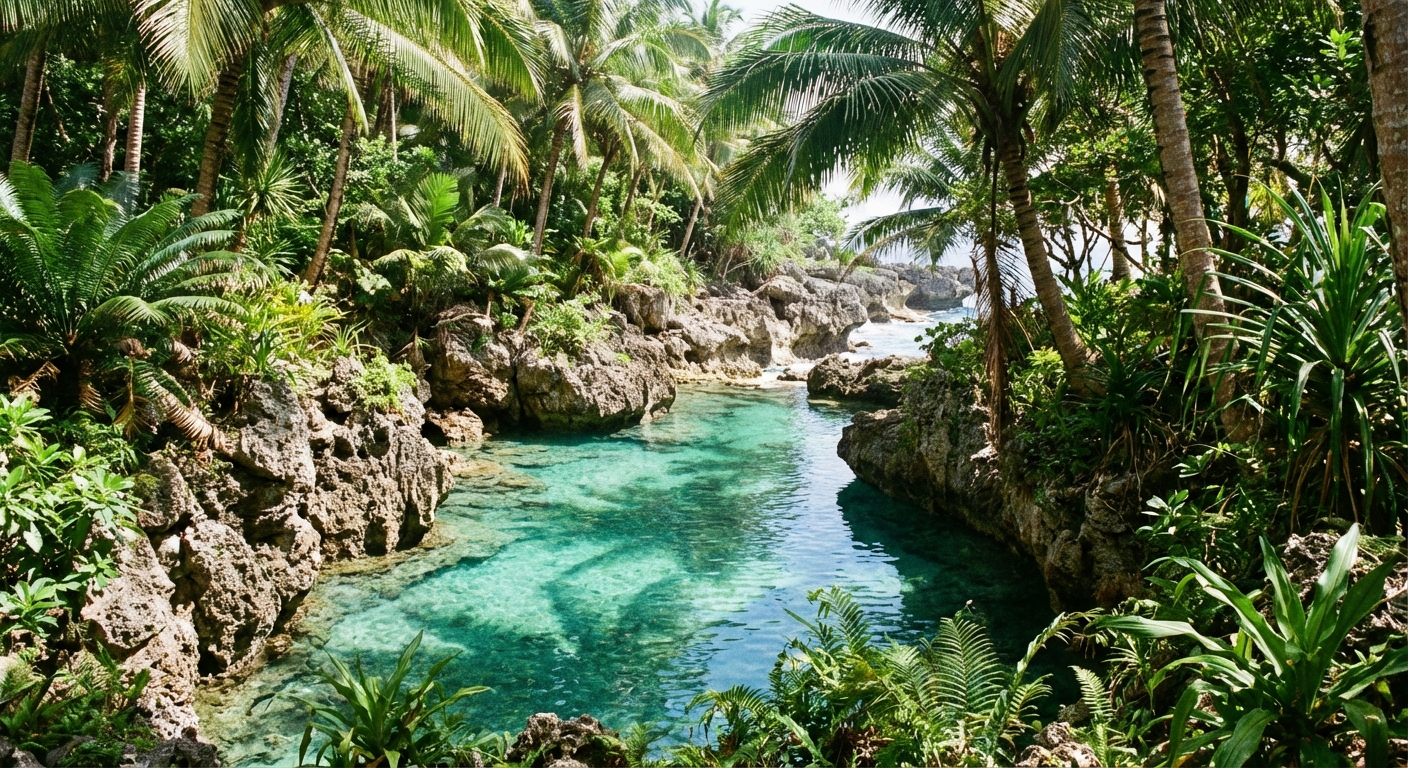
Siquijor's Best Secret Swimming Spots: Natural Pools, Tidal Lagoons and Hidden Coves
Discover Siquijor's most beautiful secret swimming spots for summer 2026. From natural rock pools and tidal lagoons to hidden coves only locals know about, this guide covers where to swim beyond the usual beaches.
Why Siquijor Has Some of the Philippines’ Best Secret Swimming Spots
Siquijor is famous for its beaches, waterfalls, and coral reefs. But the island holds another layer of swimming destinations that most visitors never find. Tucked behind limestone cliffs, fed by underground springs, and carved into the coastline by centuries of tide and current, these natural swimming spots offer something the main beaches cannot: solitude, wild beauty, and the feeling of discovering a place for the first time.
While the popular beaches of San Juan and Larena draw crowds during peak season, the island’s hidden tidal pools, freshwater swimming holes, and sheltered coves remain quiet even in the busiest months. This guide covers the best of these secret swimming spots, how to find them, and what you need to know before you go.
Tidal Rock Pools Along the Southern Coast
The stretch of coastline between Lazi and Maria is defined by rugged coral rock formations that create natural pools at various tide levels. Unlike sandy beaches, these rocky areas trap clear seawater in basins ranging from shallow wading pools to chest-deep swimming holes.
Kagusuan Tidal Pools
Located near Kagusuan Beach in Lazi, the tidal pools here form on the rocky platforms flanking the main beach. At low to mid-tide, several pools become isolated from the open sea, creating calm, crystal-clear swimming areas sheltered from waves and currents. The rocky bottom supports small marine life, making these pools natural aquariums where you can observe sea urchins, small fish, and colorful algae up close.
How to find them: From the main Kagusuan Beach access point, walk south along the rocky shoreline for about five minutes. The largest pools are visible at low tide. Wear reef shoes, as the coral rock can be sharp.
Best time to visit: Early morning at low tide. The pools are warmest and calmest before 9 AM. Check local tide charts or ask your accommodation for the day’s tide schedule.
Lazi Coastal Shelf Pools
Further along the Lazi coastline, past the old Spanish pier area, a wide coral shelf extends into the sea. During low tide, this shelf reveals a series of interconnected pools, some large enough for proper swimming. The water in these pools is remarkably clear because it filters through the porous coral rock rather than carrying sand and sediment.
Local fishermen use these pools to keep their catch fresh, so you may see small bamboo enclosures in some areas. Swim in the open pools further from the pier for the cleanest water.
Freshwater Swimming Holes in the Interior
Siquijor’s mountainous interior is fed by numerous springs that create freshwater pools and streams. While Cambugahay Falls and Lugnason Falls attract most visitors, several lesser-known swimming holes offer equally beautiful (and far less crowded) freshwater experiences.
Cabugsayan Spring Pool
In the interior barangay of Cabugsayan, between San Juan and Lazi, a natural spring feeds a deep pool surrounded by tropical forest. The water is cold and clear, emerging directly from underground limestone channels. Unlike the famous waterfalls, this spring pool has no entrance fee and rarely sees more than a handful of visitors in a day.
The pool sits in a natural depression shaded by large trees, making it comfortable for swimming even during the hottest part of the day. Depth varies from waist-deep at the edges to roughly two meters at the center, where the spring emerges.
How to find it: From the main circumferential road in San Juan, take the inland road toward Barangay Cabugsayan. Ask locals for the “spring” or “tubod” (the Cebuano word for spring). The pool is about a 10-minute walk from the nearest road access.
What to bring: Drinking water, a towel, and reef shoes or sturdy sandals for the trail. There are no vendors or facilities nearby.
Upper Cantabon Cave River
Most visitors to Cantabon Cave follow the standard guided tour route, but the river system that flows through the cave network extends well beyond the tourist section. Upstream from the main cave entrance, the river forms several deep pools in a forested canyon. These pools are swimmable during the dry season when water levels are lower and the current is gentle.
The canyon setting makes these pools uniquely atmospheric. High rock walls draped in ferns and vines create a natural enclosure, and the water temperature is noticeably cooler than the coast due to the elevation and shade.
Important: Always visit with a local guide from Cantabon. The upstream pools are on community-managed land, and a guide ensures you follow safe routes and respect local boundaries. Guides can be arranged through the Cantabon Cave Association or through most accommodations in San Juan.
Hidden Coves Accessible by Boat or Trail
Several of Siquijor’s most beautiful swimming coves are inaccessible by road. Reaching them requires either a short boat ride or a hike along coastal trails. The effort filters out casual visitors, leaving these spots remarkably peaceful.
Paliton Cove (South of Paliton Beach)
Paliton Beach is well-known for its mangrove area and sunset views, but the coastline south of the main beach hides a series of small coves separated by rocky headlands. The largest of these coves features a crescent of white sand roughly 30 meters wide, backed by coconut palms and completely invisible from the road.
Swimming here is excellent. The cove faces south, sheltered from the prevailing northeast winds, and the sandy bottom slopes gradually into deeper water. A coral reef at the mouth of the cove breaks incoming swells, keeping the water inside calm.
How to get there: Walk south from the main Paliton Beach along the rocky shoreline. The first cove is about 15 minutes on foot. Alternatively, hire a small boat from Paliton or San Juan for a direct ride that takes less than 10 minutes.
Solangon Wall Cove
Near the marine sanctuary at Solangon in San Juan, a high limestone cliff drops directly into deep blue water. At the base of this cliff, a narrow cove creates a sheltered swimming area where the water is deep enough to jump from low rock ledges. This spot is popular with a small number of adventurous locals but almost unknown to tourists.
The water here is deep, typically three to five meters even close to the rocks, so this spot is best for confident swimmers. The cliff walls host interesting marine growth, and snorkeling along the rock face reveals crevices full of tropical fish.
Safety note: Do not jump from heights above two meters. Check the water depth before jumping by swimming out first. Avoid this spot during rough seas or after heavy rain, when currents can be unpredictable.
Bino-ongan Pocket Beach
On the northeast coast near the municipality of Enrique Villanueva, Bino-ongan Pocket Beach is a tiny strip of sand wedged between two rocky points. Accessible via a rough path from the barangay road, this beach rarely appears on maps or travel blogs.
The swimming area is small but the water quality is outstanding. The rocky points on either side create a natural channel where currents bring in clear oceanic water while blocking debris and algae. During the dry season months of March through May, the water visibility here often exceeds 15 meters.
How to find it: From the main road in Enrique Villanueva, take the turn toward Barangay Bino-ongan. Follow the road until it narrows to a trail near the coast. Ask locals for directions to the “gamay nga beach” (small beach). The walk from the road takes about 20 minutes.
Mangrove Channel Swimming in Siquijor
An unconventional but memorable swimming experience can be found in the deeper channels that wind through Siquijor’s mangrove forests. In areas where the mangrove channels are deep enough, swimming through the root systems at mid-tide offers a surreal, almost otherworldly experience.
Tulapos Mangrove Channel
The mangrove forest near Tulapos in San Juan contains a navigable channel that deepens to swimming depth during high tide. The water in these channels is clean and surprisingly clear, filtered by the mangrove root system. Swimming here during the golden hour, when sunlight angles through the canopy and root structures, is one of Siquijor’s most photogenic natural experiences.
Important considerations: Only swim in mangrove channels during incoming or high tide, never during outgoing tide when currents pull toward open sea. Wear a rash guard to protect against minor scratches from roots and branches. A local guide familiar with the channel system is strongly recommended, as the waterways can be disorienting.
Practical Tips for Swimming in Siquijor’s Secret Spots
Tide Awareness
Many of the best natural swimming spots are tide-dependent. Rock pools and tidal lagoons are best at low to mid-tide, while mangrove channels require high tide. Check tide tables before planning your day. Your accommodation can usually provide this information, or use a tide chart app set to Siquijor or nearby Dumaguete.
Safety Essentials
These are wild swimming spots without lifeguards, roped areas, or safety equipment. Always swim with at least one companion. Bring a basic first aid kit, particularly antiseptic and bandages for minor coral scrapes. Reef shoes are essential for any rocky coastal swimming. If you are not a strong swimmer, stick to the shallow tidal pools and freshwater springs rather than the deeper coves and cliff areas.
Environmental Responsibility
Siquijor’s secret swimming spots remain beautiful precisely because they receive low visitor traffic. Keep them that way by following strict leave-no-trace principles. Carry out all trash, including biodegradable items. Do not apply sunscreen immediately before entering natural pools, as chemical sunscreens damage marine ecosystems. If you must use sun protection, apply reef-safe mineral sunscreen at least 30 minutes before swimming to allow it to absorb into your skin.
Do not collect shells, coral, or marine specimens. Avoid touching or standing on coral formations in tidal pools.
Getting Around
Most of these spots are not accessible by public transport. A rented motorcycle is the most practical way to reach trailheads and coastal access points. For boat-access coves, arrange transport through your accommodation or directly with local fishermen at the nearest coastal barangay. Expect to pay between 500 and 1,500 pesos for a short boat trip, depending on distance and waiting time.
Best Season
The dry season from March through May offers the best conditions for secret spot swimming. Water clarity peaks during this period, tidal pools are warmest, and freshwater levels in interior swimming holes are at their most comfortable. The transition months of November and early December can also be excellent, with fewer visitors and still-manageable weather.
Plan Your Secret Swimming Adventure
Siquijor rewards those who venture beyond the guidebook beaches. Whether you spend a morning exploring tidal pools on the southern coast, an afternoon floating in a jungle spring, or a golden hour swimming through mangrove channels, these hidden swimming spots reveal a side of the island that few visitors experience.
Start with the easier-to-reach spots like Kagusuan tidal pools or Cabugsayan spring, then work your way toward the more adventurous boat-access coves and cliff swimming areas as you get comfortable with the island’s rhythms. Ask locals for their personal favorites. Siquijor residents are generous with their knowledge, and the best spots are often the ones that never make it onto any map at all.
Related Travel Guides
Siquijor's Northern Coast: Complete Guide to Paliton Beach and the Forgotten Shore
Discover the quiet northern coast of Siquijor Island beyond the tourist trail. A complete guide to Paliton Beach, whale watching, and the fishing villages from Larena to Enrique.
The Shoulder Season Secret: Siquijor's Best Uncrowded Spots for Late April 2026
Beat the peak season crowds with this guide to Siquijor's most peaceful corners. Discover shaded swimming holes, breezy highland trails, and hidden coves where you can escape the late April heat.
Beach Camping in Siquijor: Complete Guide to Sleeping Under the Stars
Everything you need to know about beach camping in Siquijor Island. From established campgrounds to wild camping spots, essential gear, permits, and the best beaches for an overnight under the stars.