Beach Camping in Siquijor: Complete Guide to Sleeping Under the Stars
Everything you need to know about beach camping in Siquijor Island. From established campgrounds to wild camping spots, essential gear, permits, and the best beaches for an overnight under the stars.
Siquijor Island offers some of the most accessible beach camping opportunities in the Philippines. While the island has grown in popularity, camping remains one of the most affordable and memorable ways to experience its coastline. This practical guide covers everything from established campgrounds to lesser-known spots where you can pitch a tent for a night or several.
Why Camp in Siquijor
The economics alone make camping attractive. Budget accommodation on the island has increased in price as tourism grows, but camping remains consistently affordable. Many campgrounds charge between 50 and 150 pesos per night for a tent pitch, and some include access to basic facilities like showers and restrooms.
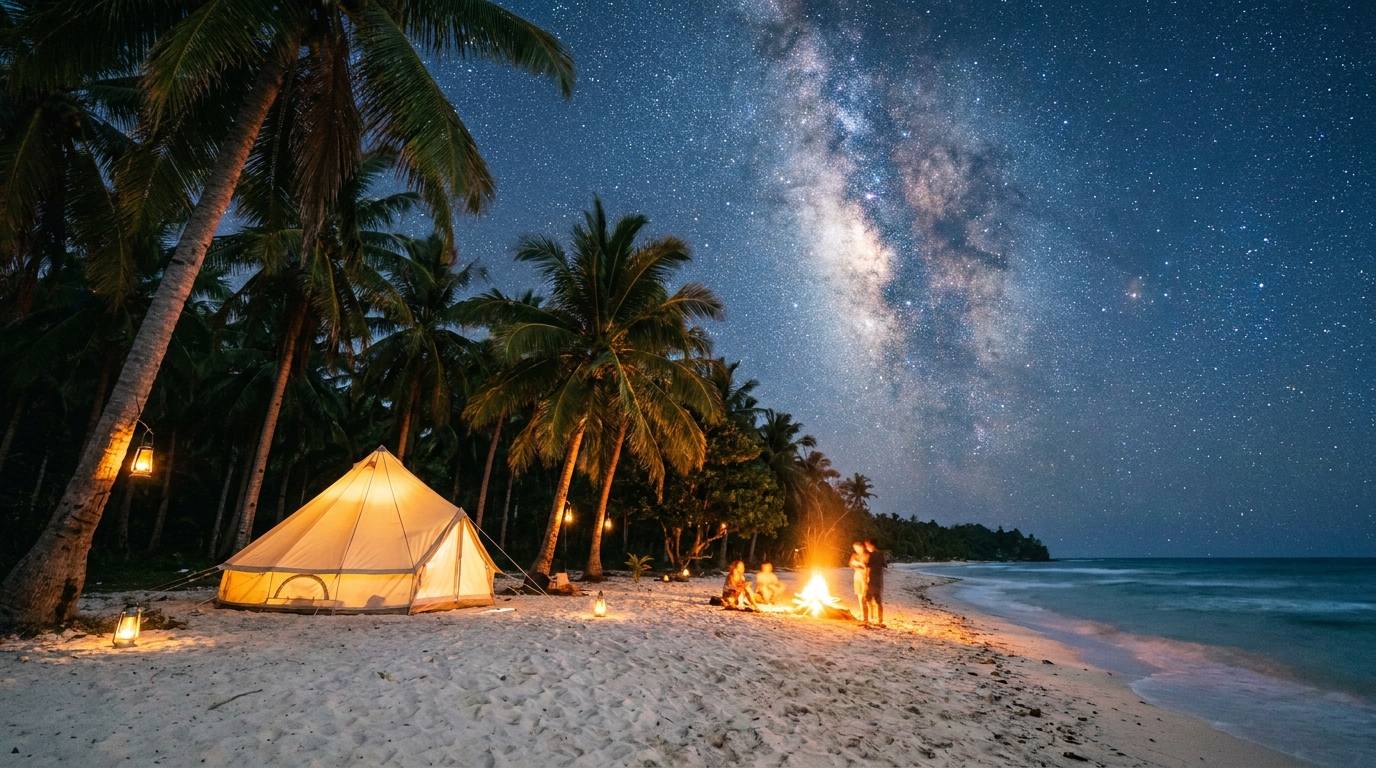
Beyond cost, camping offers an experience that hotel rooms cannot match. Falling asleep to the sound of waves, waking to an unpolluted view of the horizon, and watching the Milky Way emerge in a sky undimmed by light pollution. These moments define a Siquijor trip differently than a standard beach resort stay.
Where to Camp: Beach Options Compared
Salagdoong Beach
The most popular beach camping option on the island, Salagdoong offers a dedicated camping area with basic facilities. The beach features dramatic cliff jumping platforms and clear waters during the day.
What to expect: The campground here fills quickly during peak season. Weekend nights see the most visitors. Basic toilet and shower facilities are available. Security guards are present at night.
Camping fee: Approximately 100 pesos per tent per night
Best for: First-time campers who want facilities nearby and a social atmosphere
Paliton Beach
This stretch of white sand on the western coast provides a quieter option than Salagdoong. Paliton attracts sunset watchers and offers a longer stretch of beach for exploration.
What to expect: Camping here is less organized than Salagdoong. You may need to arrange directly with local families who own the beachfront land. The atmosphere is considerably more peaceful.
Camping fee: Negotiate with landowning families; expect around 50-100 pesos per night
Best for: Travelers seeking solitude who do not need organized facilities
San Juan (Burgos Area)
The municipality of San Juan, particularly around the Burgos coastline, offers camping opportunities with a local feel. Several resorts in the area also allow tent pitching in their grounds.
What to expect: More spread out than Salagdoong. Several family-owned lots allow camping if you ask politely. The area has restaurants and shops within walking distance.
Camping fee: Varies; typically 50-150 pesos per night
Best for: Independent travelers who want to blend with local communities
Remote Beach Spots
For experienced campers seeking isolation, Siquijor has several less-accessible beaches that can accommodate camping with proper preparation.
Candidates include: Various coves along the eastern coastline, the areas near Lazi convent’s coast, and some northern beaches requiring motorcycle access.
What to expect: No facilities, no security, and limited phone signal. You need to be completely self-sufficient.
Camping fee: Generally free, though some landowners may request a small contribution
Best for: Experienced campers comfortable with self-reliance
Essential Gear Checklist
Shelter and Sleep
- Tent with rain fly; prioritize weather resistance over ultralight weight
- Sleeping bag rated for tropical conditions; nights can cool to 20-22 degrees Celsius
- Sleeping pad or air mattress for comfort on sand
- Tarp or groundsheet to protect tent floor from moisture and abrasion
Clothing and Protection
- Quick-dry clothing for hot and humid conditions
- Swimwear for daily ocean swims
- Light rain jacket for unexpected downpours
- Hat and sunglasses for sun protection
- Sandals or water shoes for rocky beach areas
Cooking and Food
- Portable stove with fuel; open fires may be restricted depending on conditions
- Cooler box with ice for food storage; ice is available in most town centers
- Water container to store drinking water
- Basic cooking utensils, plates, and cutlery
- Food supplies for your planned duration; options are limited near remote beaches
Miscellaneous Essentials
- Waterproof bags for electronics and valuables
- Power bank for charging devices; electricity access varies by location
- First aid kit with basics and any personal medications
- Headlamp or flashlight with spare batteries
- Insect repellent for evening protection
- Sunscreen applied before exposure, not after
- Trash bags to pack out all waste
Practical Considerations
Water and Electricity
Most established campgrounds have access to fresh water for bathing and basic cleaning. However, drinking water should always be purchased or carried in. Electricity availability varies significantly; some areas have overnight power while others do not.
Remote camping requires carrying all water needs. Calculate approximately 3 liters per person per day for drinking and basic hygiene.
Food and Supplies
Stock up in Siquijor town or Larena before heading to more remote locations. The central public market in Siquijor offers fresh produce, fish, and basic supplies. Convenience stores in town stock essentials.
Restaurants and sari-sari shops are available near most established campgrounds, so you do not need to cook every meal if you prefer not to.
Permits and Permissions
For organized campgrounds, no special permit is needed beyond paying the camping fee. For wild camping on private land, always ask permission first. Local families are generally accommodating if approached respectfully.
When camping on beach areas, be aware that some coastal land may have multiple owners. Ask around in the nearest barangay if unsure about permissions.
Security
Established campgrounds typically have security personnel, particularly at Salagdoong. However, even there, valuables should not be left unattended. For remote camping, take all valuables with you when leaving the beach.
Lock your tent when away and avoid keeping large amounts of cash on site.
Camping Etiquette and Responsible Practices
Pack out all waste. This cannot be emphasized enough. Beach environments are fragile, and plastic pollution from visitors damages both ecosystems and local communities. Carry garbage bags and remove everything you bring.
Minimize noise. Even social campgrounds should observe quiet hours after 10pm. Remember that other campers seek the peace that beaches offer.
Respect local communities. Beach camping often occurs near fishing villages. Keep noise down, do not interfere with fishing activities, and maintain friendly relations with local residents.
Use existing campsites. When wild camping, use established flat areas rather than creating new campsites. Avoid disturbing vegetation or creating new fire pits.
Be water aware. Ocean conditions can change rapidly. Even at calm beaches, currents can strengthen unexpectedly. Never swim alone and heed local advice about safe swimming areas.
Combining Camping with Other Activities
Camping works well as part of a larger island exploration:
Motorbike loop + camping. Rent a scooter, complete the coastal loop over 2-3 days, and camp at different beaches each night. This approach maximizes island coverage while minimizing accommodation costs.
Snorkeling + camping. Use campgrounds near marine sanctuaries like Tubod, combining underwater exploration with overnight beach stays.
Sunrise photography + camping. Camp at eastern-facing beaches like Paliton or San Juan to photograph sunrises without needing to wake early or arrange transport.
Multi-island camping. Extend your trip to include Apo Island orSumilon, both offering camping opportunities and different underwater environments.
Seasonal Considerations
Peak season (March to May) offers the most stable weather but also the fullest campgrounds. Book ahead during Holy Week and major holidays if camping at popular spots.
Rainy season (June to October) brings lower prices and fewer crowds, but sudden storms can make camping uncomfortable. Have a backup plan and monitor weather forecasts.
Off-peak (November to February) provides cool nights and reduced competition for sites, though occasional storms occur. The trade-off is less predictable weather.
Cost Breakdown Example
For a two-night camping trip at Salagdoong for two people:
- Tent pitch: 200 pesos (100 per night)
- Food: 400-600 pesos (cooking basics and some restaurant meals)
- Motorcycle rental: 400-500 pesos per day
- Miscellaneous: 200-300 pesos
Total: approximately 1,400-1,800 pesos for two people over two days, excluding transportation to the island.
Compare this to hotel costs starting at 800 pesos per night for basic rooms, and the savings become apparent, particularly for longer stays.
Final Recommendations
Start with an established campground like Salagdoong if you are new to beach camping. Once comfortable with the setup, venture to quieter areas where you can experience Siquijor’s coastline with fewer other visitors.
Always check weather conditions before extended camping trips. A sudden storm can turn an enjoyable experience into an uncomfortable one, particularly if your tent cannot withstand heavy rain and wind.
Pack light but thorough. You can purchase basic supplies on the island, but specialized camping gear is not readily available locally.
Finally, leave each campsite cleaner than you found it. Beach camping remains viable in Siquijor because current users respect the environment. Your actions contribute to keeping these beaches available for future visitors and preserving the local ecosystem.
Related Travel Guides
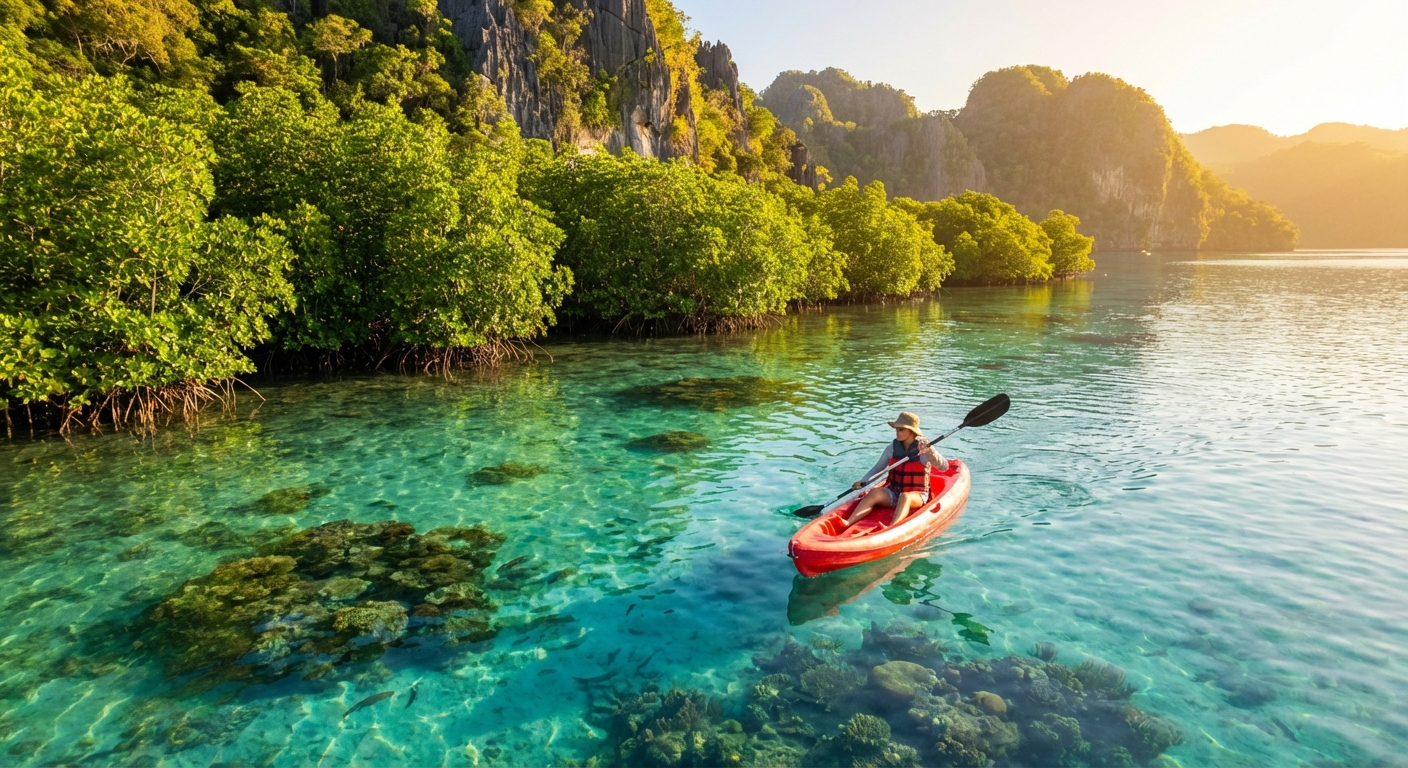
Kayaking in Siquijor: Mangrove Trails, Sea Caves, and Coastal Paddling Routes
A complete guide to kayaking around Siquijor Island. Discover the best paddling routes through mangrove forests, along coral coastlines, and into hidden sea caves with practical tips on rentals and timing.
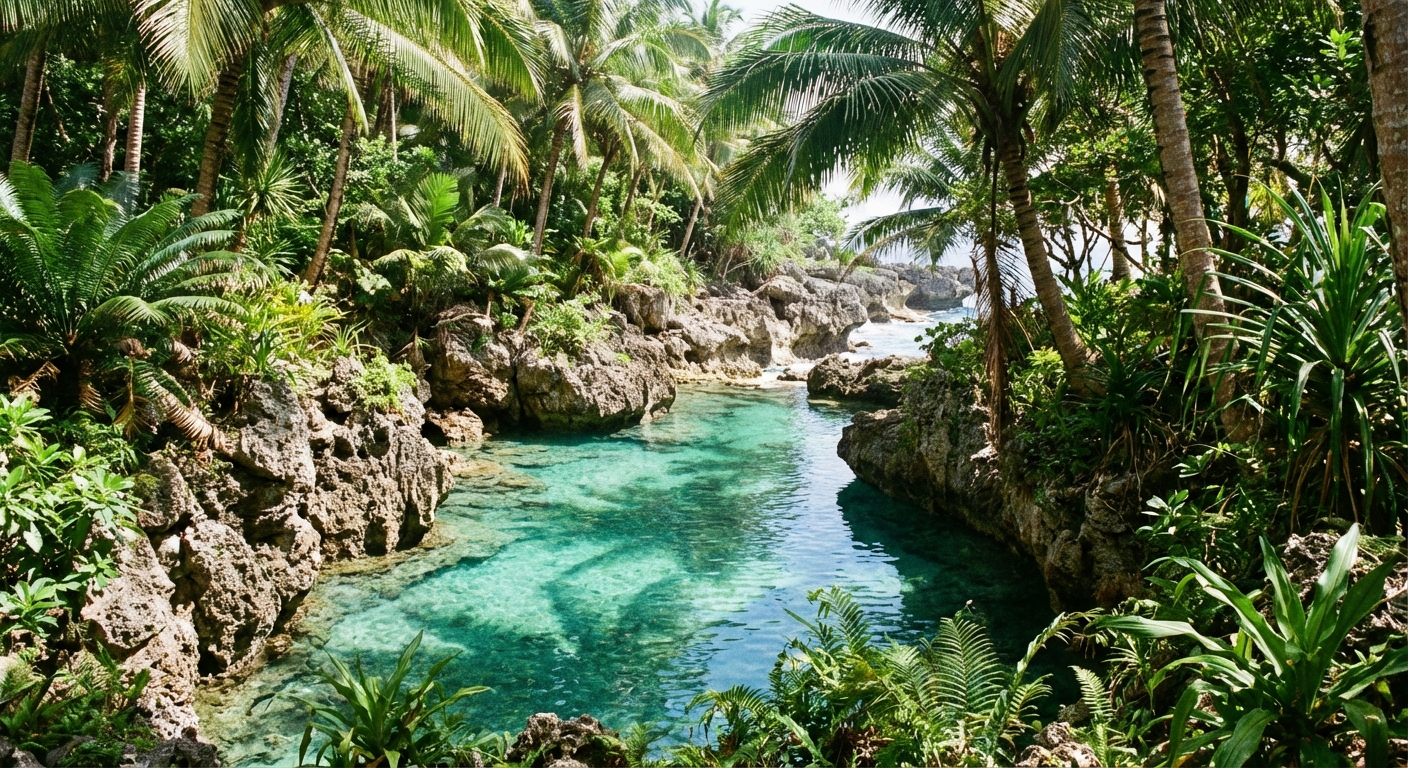
Siquijor's Best Secret Swimming Spots: Natural Pools, Tidal Lagoons and Hidden Coves
Discover Siquijor's most beautiful secret swimming spots for summer 2026. From natural rock pools and tidal lagoons to hidden coves only locals know about, this guide covers where to swim beyond the usual beaches.
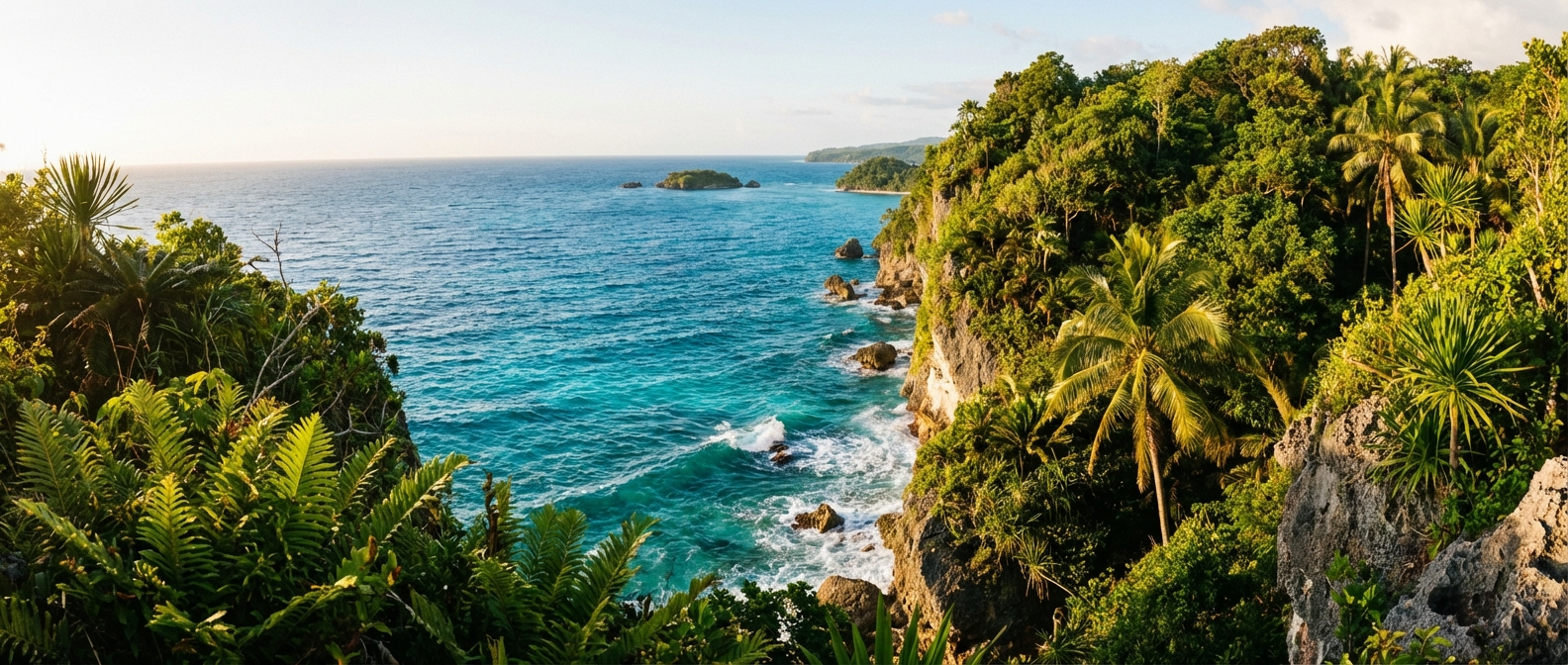
Siquijor's Best Cliff Viewpoints and Coastal Lookouts: A Complete Guide
Find the most stunning cliff viewpoints and coastal lookouts across Siquijor Island. From towering limestone bluffs to hidden hillside vantage points, this guide covers every major viewpoint with directions and visiting tips.