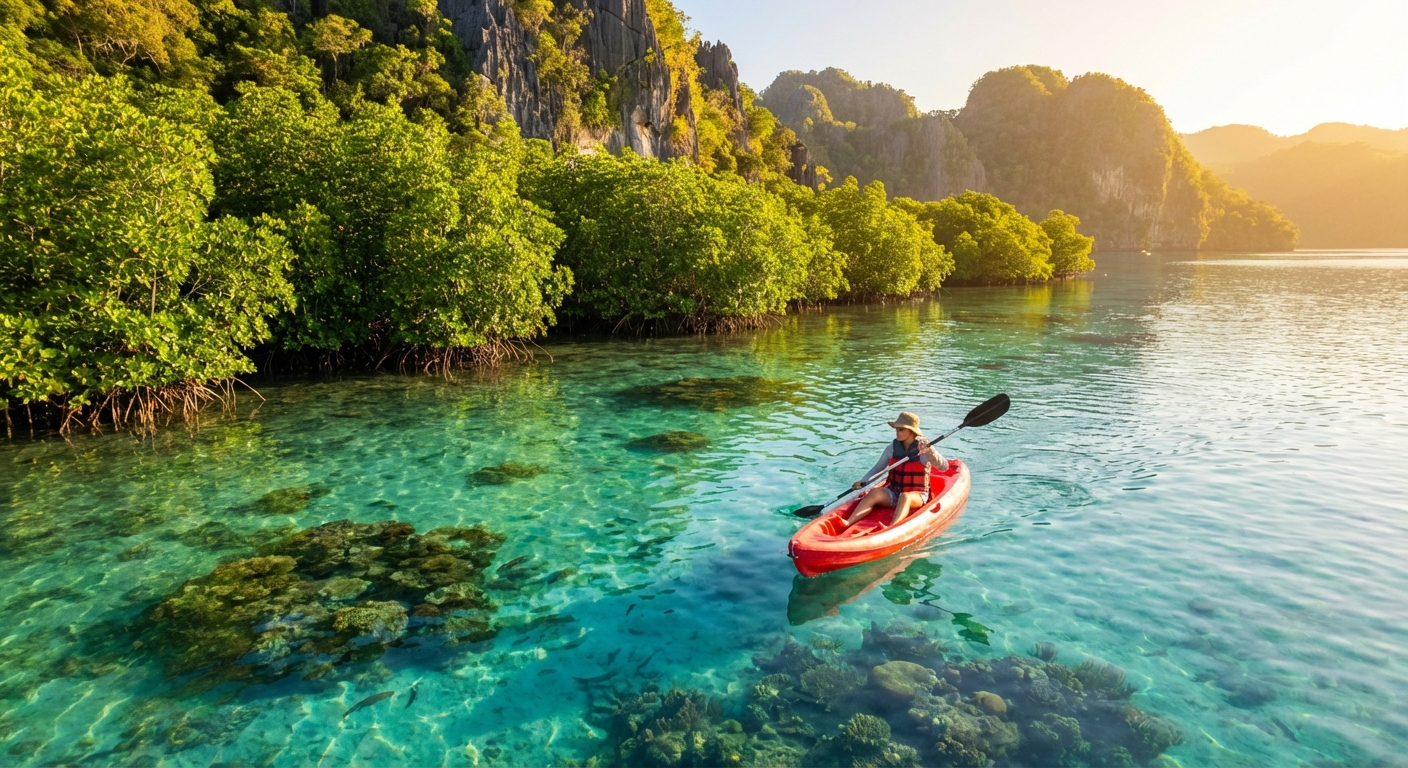
Kayaking in Siquijor: Mangrove Trails, Sea Caves, and Coastal Paddling Routes
A complete guide to kayaking around Siquijor Island. Discover the best paddling routes through mangrove forests, along coral coastlines, and into hidden sea caves with practical tips on rentals and timing.
Siquijor Island’s 102-kilometer coastline is one of the most rewarding kayaking environments in the central Visayas. The island’s combination of calm, reef-protected waters, dense mangrove forests, sea caves carved into limestone cliffs, and a relatively undeveloped shoreline creates paddling conditions that range from gentle beginner-friendly routes to more challenging open-water crossings. Whether you have a few hours to spare between beach days or want to dedicate a full morning to exploring the coast from water level, kayaking offers a perspective of Siquijor that most visitors never see.
Why Siquijor Works for Kayaking
Several factors make Siquijor an excellent kayaking destination. The island sits in a relatively sheltered position within the Bohol Sea, protected from the strongest Pacific swells by the larger islands of Bohol and Mindanao. During the dry season from late November through May, conditions are particularly favorable, with calm morning waters, minimal wind before noon, and visibility that often extends to the seafloor in shallow coastal areas.
The island’s coral reef system, which encircles most of the coastline, acts as a natural breakwater. Inside the reef line, the water is typically less than three meters deep and remarkably calm, even when conditions further offshore are choppy. This creates a natural paddling corridor that is accessible to beginners and provides a sense of security for those new to ocean kayaking.
Siquijor’s compact size is another advantage. The entire island can theoretically be circumnavigated by kayak in a long day, though most paddlers focus on specific sections. This means that wherever you are staying on the island, there is likely a worthwhile kayaking route within a short drive or motorcycle ride of your accommodation.
Best Kayaking Routes
Capilay Spring to Paliton Beach (West Coast)
The western coastline between the area near Capilay Spring Park and Paliton Beach offers one of the most scenic and accessible paddling routes on the island. This stretch runs roughly five kilometers and features a mix of sandy beach landings, rocky headlands, and a few small sea caves that can be entered at low to mid tide.
The water along this section is shallow and calm during morning hours, with the reef providing consistent protection from offshore swells. Paddlers will pass over seagrass beds where sea turtles are occasionally spotted, and the clear water provides excellent views of the coral formations below.
Start early from a launch point near the San Juan waterfront area and paddle south toward Paliton. The route takes approximately one and a half to two hours at a leisurely pace, with stops for swimming and exploration. Paliton Beach, with its distinctive line of coconut palms and white sand, is an ideal turnaround point or pickup location.
Sandugan Mangrove Forest (North Coast)
The Sandugan mangrove area on Siquijor’s northern coast is the island’s most accessible and well-established kayaking destination. The mangrove forest here covers a substantial area of coastal wetland, with channels that wind through dense stands of bakawan and other mangrove species.
Kayaking through the Sandugan mangroves is a distinctly different experience from open coastal paddling. The channels are narrow and shaded, with overhanging branches creating a green tunnel effect. The water is calm and shallow, rarely more than a meter deep at mid-tide. Birders will appreciate the mangrove environment, which supports populations of kingfishers, egrets, herons, and various wading birds that are most active during the early morning hours.
The standard route through the Sandugan mangroves takes approximately forty-five minutes to an hour, depending on how deep into the channel system you choose to paddle. At certain tide levels, additional channels open up that allow for longer exploration. The route is entirely suitable for beginners, including children old enough to sit safely in a kayak.
Kayaks are available for rent at the mangrove entrance area, typically sit-on-top models that are stable and easy to manage. Rental prices as of early 2026 are around 200 to 300 pesos per hour.
Salagdoong Cove and Sea Caves (East Coast)
The limestone cliffs around Salagdoong Beach on the eastern coast of the island contain some of the most dramatic sea caves accessible by kayak in Siquijor. The caves here are carved into the base of the cliffs by wave action, and several of them are large enough to paddle into.
This route is more challenging than the west coast or mangrove options. The eastern coastline is more exposed to wind and current, and the sea caves are only safely accessible during calm conditions with low to moderate swell. Paddlers should have at least basic kayaking experience and be comfortable in water that is occasionally rougher than the sheltered western shore.
The reward for the additional effort is substantial. The caves range from shallow overhangs to deeper cavities that extend several meters into the cliff face. Inside, the water takes on striking shades of blue and green as light filters through the entrance. Some caves have small internal beaches where paddlers can land and explore on foot.
The best approach to the Salagdoong caves is to launch from the beach area below the resort and paddle north along the cliff face. The caves are concentrated in a stretch of approximately one kilometer. Allow two to three hours for a round trip with time spent exploring inside the caves and swimming.
Tubod Marine Sanctuary to Kagusuan Beach (Southeast Coast)
The southeast coast between Tubod Marine Sanctuary and Kagusuan Beach offers a paddling route that combines marine sanctuary waters with one of the island’s most photogenic sunrise beaches. This section is relatively sheltered and features some of the best underwater visibility on the island.
Paddling over the Tubod Marine Sanctuary in a clear-bottom or standard kayak provides aerial views of the coral gardens below. The sanctuary’s protected status has allowed coral and fish populations to recover significantly, and paddlers often see schools of reef fish, sea cucumbers, and the occasional sea turtle from the surface.
The route from Tubod to Kagusuan covers approximately three kilometers and takes about an hour at a moderate pace. Kagusuan Beach is a narrow strip of white sand backed by palms, and it makes an excellent resting point before paddling back.
Lazi to Cang-Isok House (South Coast)
The southern coast near Lazi is less frequently paddled but offers a culturally rich route. Launching from the waterfront area near Lazi port, paddlers can follow the coastline east toward the historic Cang-Isok House, one of the oldest surviving traditional dwellings in the Visayas.
This route passes through a stretch of coast characterized by seagrass flats, small fishing villages, and wooden outrigger boats pulled up on the beach. The cultural landscape visible from the water level, with the tower of Lazi Church visible above the treeline, provides a different kind of scenery from the natural landscapes found elsewhere on the island.
The distance is approximately two kilometers each way, making this a shorter route suitable for a late afternoon paddle when the western-facing cliffs of the southern shore catch the golden light of the setting sun.
Practical Information
Where to Rent Kayaks
Kayak rental on Siquijor is available through several channels. The most reliable options include:
Resort and hotel rentals. Many beachfront accommodations in the San Juan area maintain a small fleet of sit-on-top kayaks for guest use, often included in the room rate or available for a small hourly fee. Even if you are not staying at one of these properties, some will rent to walk-in visitors.
Sandugan Mangrove Park. The mangrove area has dedicated kayak rentals operated as part of the eco-tourism site. Prices are standardized and posted at the entrance.
Tour operators. A handful of adventure tour operators based in San Juan offer guided kayaking trips that include equipment, guide services, and sometimes transportation to the launch point. These are the most expensive option but are recommended for visitors who want to explore the sea caves or less accessible routes with local knowledge.
Independent rental shops. Small rental operations near popular beach areas sometimes offer kayaks alongside snorkel gear and stand-up paddleboards. Availability varies by season.
What to Bring
A successful kayaking outing on Siquijor requires relatively little specialized equipment, but a few items are essential:
- Waterproof bag or dry sack. Protect your phone, camera, and valuables. Even in calm conditions, splash from the paddle will get into the kayak.
- Reef-safe sunscreen. Apply generously before launching. The combination of water reflection and tropical sun can cause sunburn quickly, even on overcast days.
- Water. Bring at least one liter per person for any paddle lasting more than an hour. Dehydration comes on faster than expected when paddling in tropical heat.
- Water shoes or sandals with straps. You will likely need to wade in shallow water to launch and land the kayak, and some landing spots have rocky bottoms or coral rubble.
- Hat and sunglasses with a strap. Polarized sunglasses are particularly useful for reducing glare and spotting marine life below the surface.
- Snorkel and mask. If you have your own, bring them. Many of the stops along the paddling routes offer excellent snorkeling opportunities.
Timing and Tides
The best time to kayak in Siquijor is during the morning hours, typically between 6:00 AM and 10:00 AM. During this window, winds are usually light or absent, the water is calm, and the temperature is comfortable for sustained physical activity. By late morning, onshore winds typically pick up, creating chop that makes paddling less enjoyable and more effortful.
Tide timing matters for certain routes. The mangrove channels at Sandugan are best explored at mid to high tide, when water levels in the channels are sufficient for comfortable paddling. At low tide, some channels become too shallow to navigate and paddlers may find themselves dragging their kayak through mud.
The sea caves at Salagdoong are safest to enter at low to mid tide, when the gap between the water surface and the cave ceiling is at its greatest. At high tide, some cave entrances become too low to enter safely.
Check tide tables for Siquijor before planning your paddling route. These are available through various marine and weather apps, and some tour operators and guesthouses can provide current tide information.
Safety Considerations
Kayaking in Siquijor is generally safe, but a few precautions should be observed:
Stay inside the reef line. The protected water inside the fringing reef is calm and manageable. Beyond the reef, conditions can change quickly, with currents and swells that are beyond the capacity of recreational kayakers.
Wear a life jacket. This should be non-negotiable, regardless of swimming ability. Rental kayaks should come with life jackets. If they do not, request one or find a different provider.
Tell someone your plans. Before heading out, let your guesthouse or a friend know your intended route and expected return time.
Watch for boat traffic. Fishing boats and passenger ferries operate in the same waters. Stay visible and be alert for approaching vessels, particularly near Siquijor port and Lazi port.
Respect marine sanctuaries. Several areas along the coast are designated marine protected areas. Kayaking through these areas is generally permitted, but anchoring on coral, disturbing wildlife, or feeding fish is prohibited. Be a responsible visitor and leave these environments exactly as you find them.
Guided Tours vs. Independent Paddling
For most visitors, the mangrove route at Sandugan and the west coast route along San Juan are straightforward enough to do independently with a rented kayak. Both routes stay close to shore, the water is shallow and calm, and there are no significant navigational challenges.
The sea cave route at Salagdoong and any route that involves paddling around headlands or across open stretches of water is better done with a guide who knows the local conditions. Guides can read the water, know which caves are safe to enter on a given day, and provide assistance if conditions change unexpectedly.
Guided kayaking trips typically cost between 800 and 1,500 pesos per person depending on the duration and route, with equipment included.
Combining Kayaking with Other Activities
One of the pleasures of kayaking on Siquijor is how naturally it combines with other activities. A morning kayak through the mangroves can transition into a birdwatching walk along the boardwalk. A paddle along the west coast can end with a swim at Paliton Beach or a visit to one of the beachfront cafes in San Juan. The Tubod route pairs perfectly with a snorkeling session in the marine sanctuary.
For visitors who are spending several days on the island and want to experience its coastline from every angle, dedicating one morning to kayaking is time well spent. The perspective from the water, low to the surface and moving at a pace slow enough to notice details, reveals aspects of the island that are invisible from the road or even from the beach. The mangrove channels, the limestone textures of the cliff faces, the color gradations of the reef, and the quiet communities tucked into the coastline are all best appreciated from the seat of a kayak.
Final Tips
Book your kayak early in the day during peak season from March through May. Demand increases during holidays and long weekends, and the limited number of rental kayaks available on the island can sometimes mean that late arrivals find everything already out on the water.
If you are a serious kayaker who prefers your own equipment, bringing a folding or inflatable kayak to Siquijor is feasible. These can be transported on the ferry from Dumaguete without difficulty, and having your own boat gives you the freedom to launch from anywhere on the island at any time.
Whether you are a first-time paddler looking for a gentle introduction to ocean kayaking or an experienced paddler seeking new coastline to explore, Siquijor delivers a kayaking experience that is among the best in the central Visayas, and one that remains uncrowded enough to feel like a genuine discovery.
Related Travel Guides
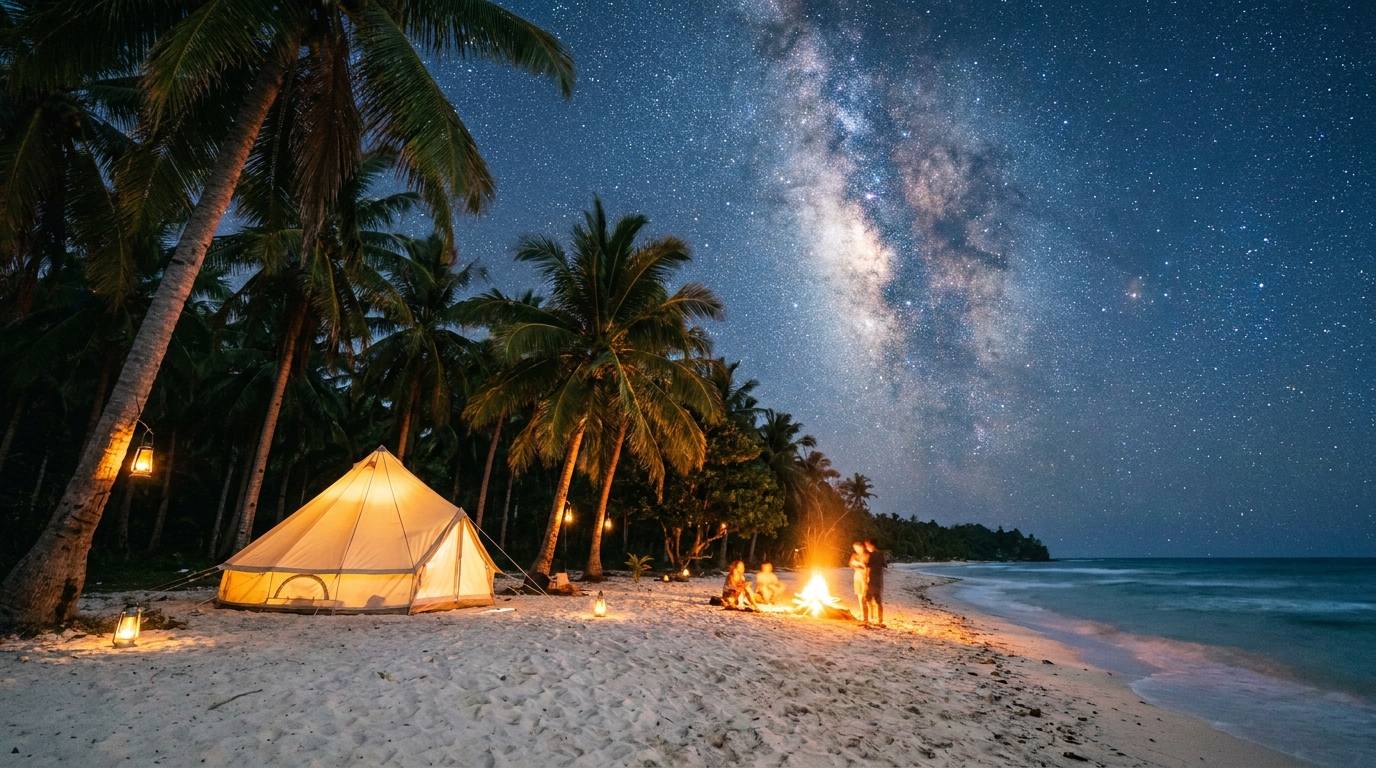
Beach Camping in Siquijor: Complete Guide to Sleeping Under the Stars
Everything you need to know about beach camping in Siquijor Island. From established campgrounds to wild camping spots, essential gear, permits, and the best beaches for an overnight under the stars.
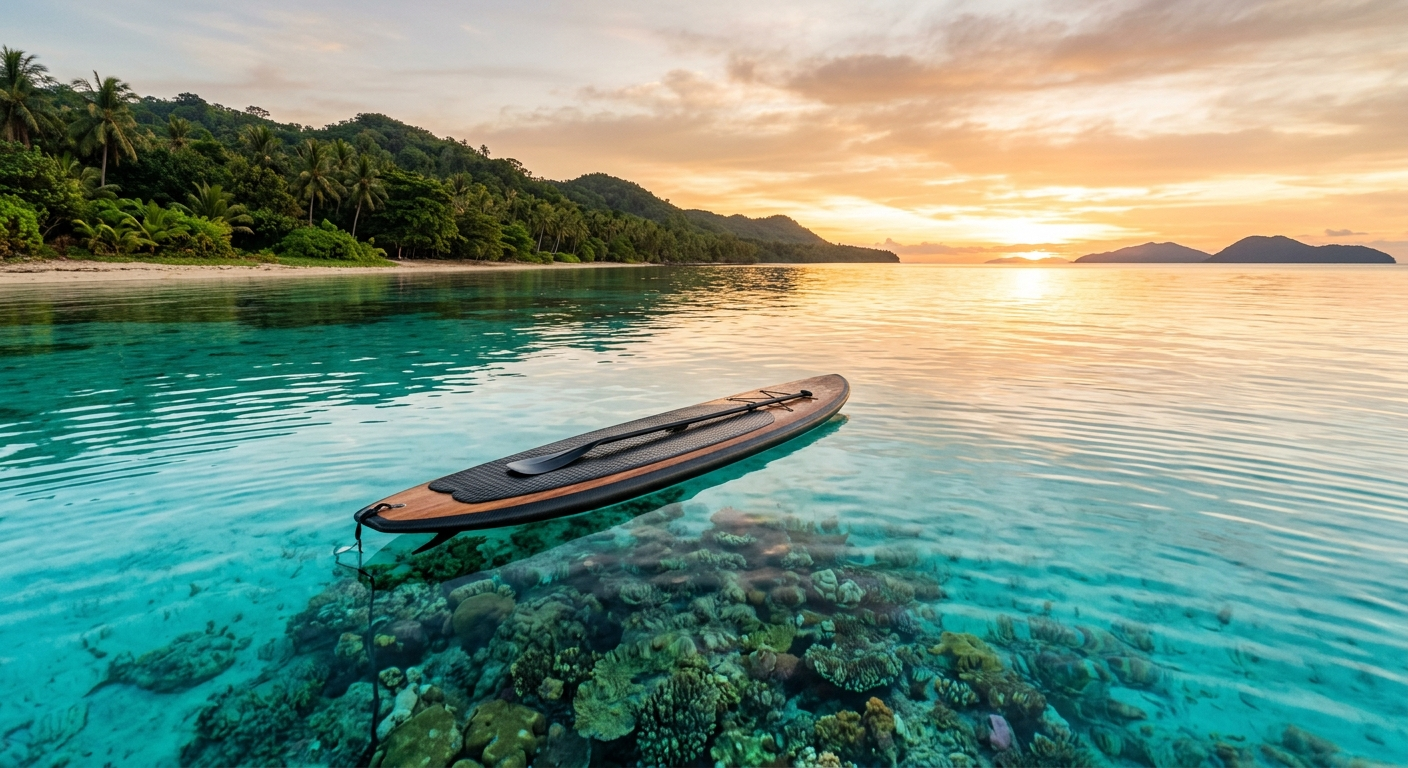
Stand-Up Paddleboarding in Siquijor: Best Spots, Rentals, and Tips
A complete guide to stand-up paddleboarding around Siquijor Island. Find the calmest waters, best rental shops, sunrise SUP routes, and practical tips for beginners and experienced paddlers.
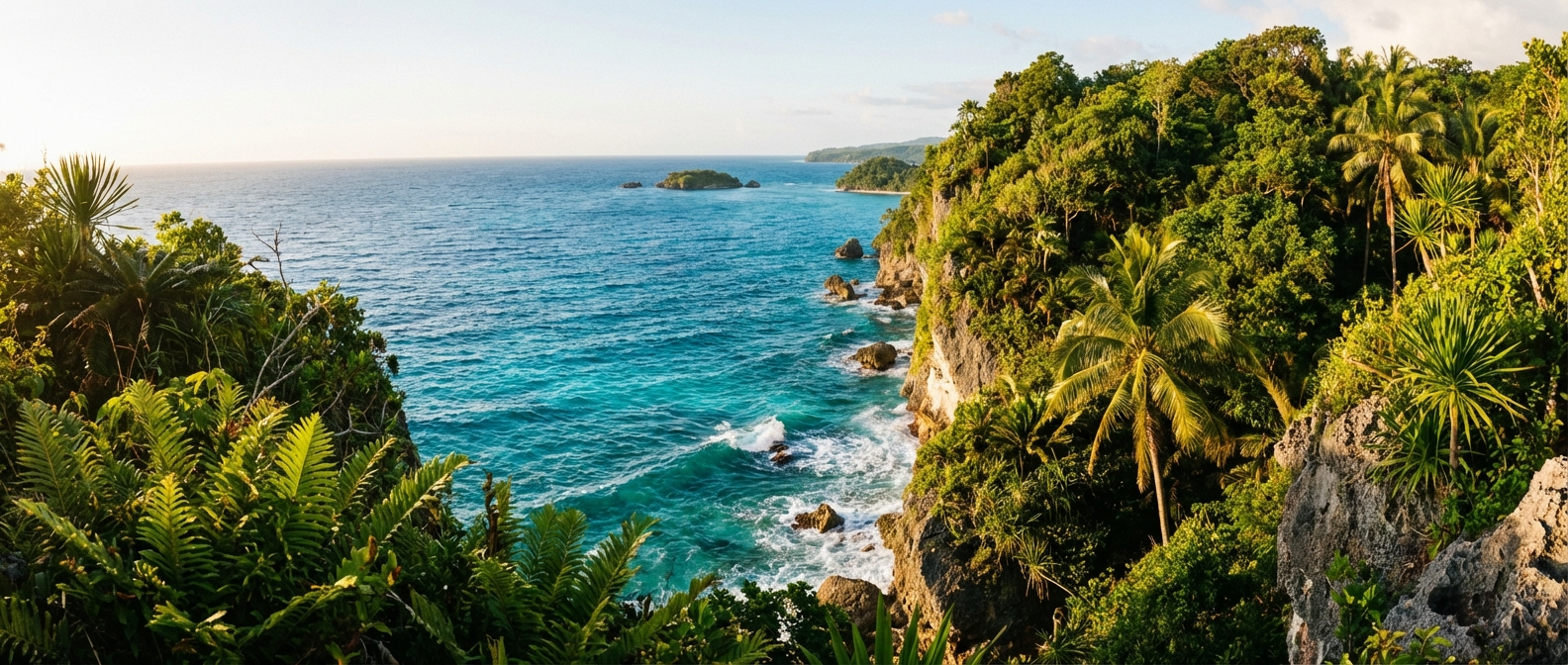
Siquijor's Best Cliff Viewpoints and Coastal Lookouts: A Complete Guide
Find the most stunning cliff viewpoints and coastal lookouts across Siquijor Island. From towering limestone bluffs to hidden hillside vantage points, this guide covers every major viewpoint with directions and visiting tips.