Siquijor Souvenir Shopping Guide: What to Buy and Where to Find It
Discover the best souvenirs from Siquijor Island, from handwoven crafts and healing oils to local delicacies. A complete guide to meaningful keepsakes and where to shop.
Beyond the Fridge Magnet
Every tourist destination in the Philippines has a souvenir shop selling the same keychains, printed t-shirts, and mass-produced shell crafts. Siquijor has those too, but the island’s real souvenirs are far more interesting. The same traditions that make Siquijor unique — its healing culture, its relationship with the forest and sea, its artisan communities — also produce keepsakes that carry genuine meaning and story.
This guide covers what is worth buying in Siquijor, where to find it, what to expect to pay, and how to identify authentic local products versus imported tourist goods. Whether you are looking for a meaningful gift, a practical reminder of your trip, or something to support local livelihoods, Siquijor delivers options that most Philippine islands cannot match.
Healing Oils and Herbal Products
Bolo-Bolo Oil and Healing Preparations
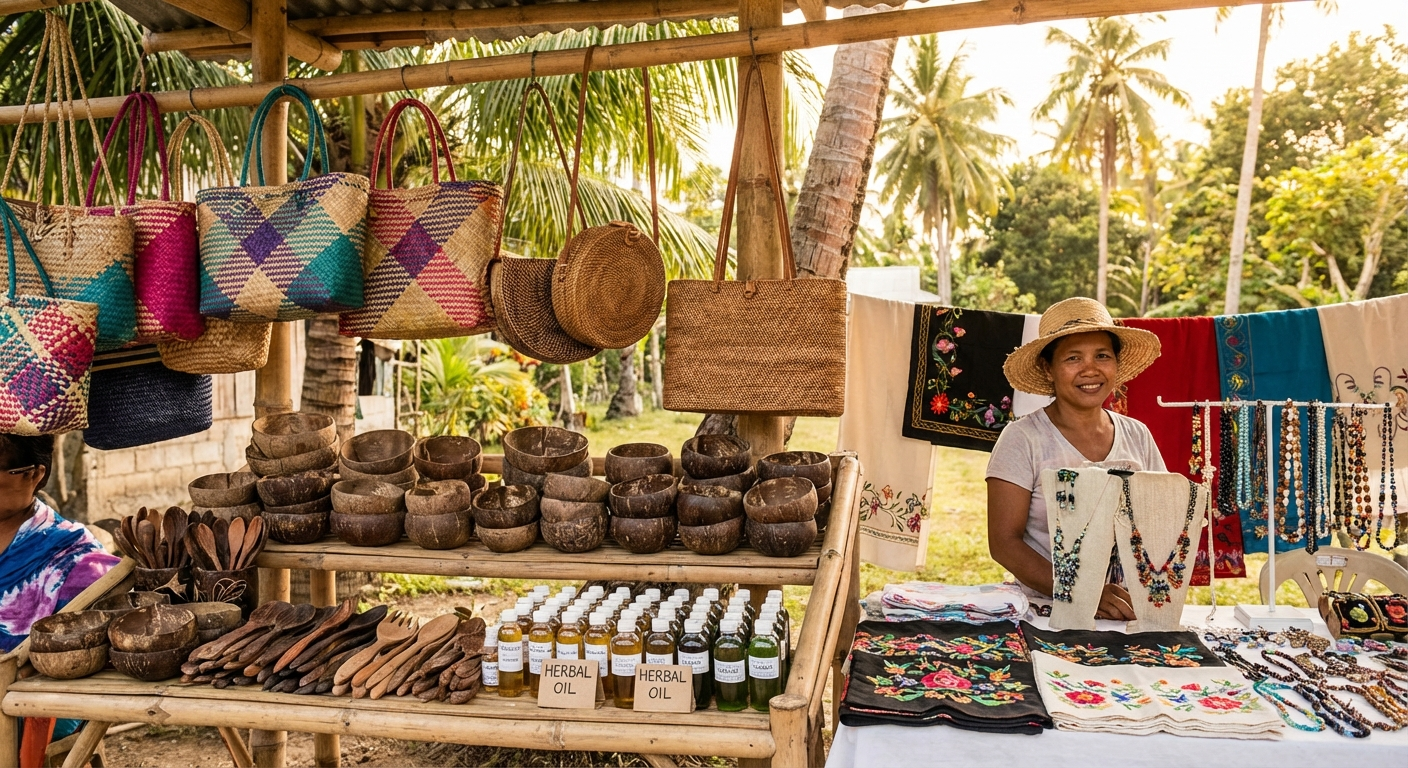
Siquijor’s most distinctive souvenirs come directly from its healing tradition. The island’s mananambal (traditional healers) prepare medicinal oils, balms, and herbal mixtures using recipes passed down through generations. These preparations are made from locally gathered plants, bark, roots, and sometimes insect or animal ingredients, combined during specific lunar phases — traditionally during Holy Week.
What to look for:
- Lana (healing oil): Small bottles of coconut-based oil infused with various herbs. Used for massage, muscle pain, and general wellness. The scent is earthy and herbal, distinctly different from commercial massage oils.
- Gayuma-inspired products: While traditional love potions are part of Siquijor folklore, many healers now sell “attraction oils” or herbal perfumes marketed as modern interpretations. These make for entertaining conversation-starter gifts.
- Herbal soaps and balms: Some local producers have begun packaging traditional herbal knowledge into more familiar formats like soaps, lip balms, and salves.
Where to find them:
- The Old Enchanted Balete Tree area in Lazi has several vendors selling healing oils and herbal products.
- The Siquijor public market in Siquijor town has a small section dedicated to local herbal products.
- During the annual healing festival (typically during Holy Week), healers gather at Mount Bandilaan and sell preparations directly.
Price range: Php 50-300 per bottle depending on size and preparation complexity.
Authenticity note: Genuine healing oils are usually sold in plain, unlabeled bottles or simple containers. Heavily branded or professionally packaged “Siquijor healing oil” is more likely a commercial product made for tourists. Both have their place, but if you want the real thing, buy from the healers themselves.
Handwoven and Handmade Crafts
Woven Products
Several communities in Siquijor maintain weaving traditions, producing items from natural fibers including abaca, coconut leaves, and pandan. The craft is not as widely practiced as it once was, making authentic pieces genuinely valuable as cultural artifacts.
What to look for:
- Bayong (woven bags): Traditional market bags made from buri or pandan leaves. Sturdy, practical, and biodegradable. They range from simple market totes to more refined designs.
- Banig (woven mats): Sleeping and sitting mats woven from pandan. Smaller decorative versions make packable souvenirs.
- Baskets and containers: Various sizes for household use, from rice storage to decorative pieces.
Where to find them:
- The Siquijor public market is the most reliable source.
- Roadside stalls along the coastal road, particularly between Larena and Siquijor town.
- Community cooperatives in Lazi and Maria sometimes sell directly.
Price range: Php 100-500 for bags and baskets, Php 200-800 for mats depending on size and intricacy.
Woodcarving
Siquijor has a small but dedicated community of woodcarvers who work primarily with locally sourced hardwoods. Carvings range from practical items like utensils and bowls to decorative figures and masks.
What to look for:
- Kitchen utensils: Wooden spoons, ladles, and serving boards made from molave or other local hardwoods. These are functional art — durable and beautiful.
- Figurines: Small carved animals (turtles, fish, birds) and human figures, sometimes depicting traditional healers or folk characters.
- Decorative items: Wall hangings, carved nameplates, and ornamental pieces.
Where to find them:
- Artisan workshops in Lazi are the primary source. Ask at your accommodation or the tourism office for directions to active carvers.
- Some souvenir shops in San Juan carry locally made carvings alongside imported goods.
Price range: Php 150-2,000 depending on size, wood type, and detail.
Local Food and Delicacies
Edible souvenirs are some of the best things to bring home from Siquijor. They are affordable, shareable, and give recipients a genuine taste of the island.
Dried Fish and Seafood
Siquijor’s fishing communities produce excellent dried and smoked fish. The process preserves the day’s catch for longer storage while concentrating the flavors.
What to look for:
- Buwad (dried fish): Various species dried and salted. Danggit (rabbitfish) is the most prized and popular variety, with a savory, umami-rich flavor.
- Dried squid: Flattened and sun-dried, perfect for grilling as a snack or beer accompaniment.
Where to find them:
- The Siquijor public market has the best selection and prices.
- Roadside vendors near the ports in Larena and Siquijor town.
- The Lazi market, smaller but often fresher.
Price range: Php 80-250 per pack depending on type and weight.
Packing tip: Dried fish has a strong aroma. Double-bag it in sealed plastic or ziplock bags before putting it in your luggage. Some travelers triple-bag. Your future self and fellow passengers will thank you.
Coconut Products
Coconut is central to Siquijor’s agriculture, and the island produces a range of coconut-derived products.
What to look for:
- Virgin coconut oil (VCO): Cold-pressed from fresh coconut meat. Siquijor’s VCO is high quality and significantly cheaper than what you would pay in Manila or abroad.
- Coconut sugar: Granulated or syrup form, made from coconut sap. A healthier alternative to refined sugar with a caramel-like flavor.
- Bukayo: Sweetened coconut strips, a traditional Filipino candy that makes a delicious and inexpensive gift.
Where to find them:
- Markets in all major towns.
- Some resorts and hotels sell locally produced VCO.
- Look for small-batch producers rather than mass-market brands.
Price range: Php 100-300 for VCO, Php 50-150 for coconut sugar, Php 30-80 for bukayo.
Honey
Siquijor has a small but growing honey production industry. Local beekeepers maintain hives in the forested interior, particularly around the Mount Bandilaan area. The honey is typically multifloral, reflecting the diverse vegetation of the island, with a richer and more complex flavor than commercial supermarket varieties.
Where to find it: Ask at the public market or inquire through the municipal agriculture offices. Some healers at the Balete Tree area also sell local honey.
Price range: Php 200-500 per bottle.
Clothing and Accessories
Siquijor-Branded Apparel
Several shops and online sellers produce t-shirts, tank tops, and hats branded with Siquijor designs. Quality varies significantly.
What to look for:
- Shirts with original artwork depicting island landmarks, marine life, or cultural elements.
- Avoid generic designs that could represent any tropical island. The best Siquijor shirts reference specific places or traditions.
- Some shops offer printing-on-demand, allowing you to choose designs and shirt styles.
Where to find them:
- Souvenir shops along the main road in San Juan.
- Small boutiques near popular tourist spots.
- The weekend market in San Juan (when operating).
Price range: Php 200-500 for t-shirts, Php 150-350 for accessories.
Handmade Jewelry
Local artisans produce jewelry from shells, coconut shell, seeds, and semi-precious stones found on the island. Some incorporate traditional healing symbols or motifs from Siquijor folklore.
What to look for:
- Shell and coconut shell earrings, bracelets, and necklaces.
- Seed bead jewelry using native plant seeds.
- Pieces incorporating polished local stones.
Where to find them:
- Beach vendors at Paliton and Salagdoong.
- The public market.
- Artisan cooperatives (ask at the provincial tourism office for current members).
Price range: Php 50-500 depending on materials and craftsmanship.
Where to Shop: A Location Guide
Siquijor Public Market (Siquijor Town)
The main public market is the single best location for souvenir shopping. It is not fancy — this is a working market serving locals, not a tourist attraction — but that is exactly why prices are fair and products are genuine. The market is busiest in the morning hours. You will find dried fish, herbal products, woven goods, and basic souvenirs all under one roof.
San Juan Town
San Juan is the tourist hub of the island, and the main road through town has the highest concentration of souvenir shops. Prices here tend to be slightly higher than the public market, but selection is broader, and some shops carry curated collections of local crafts that are easier to browse than market stalls.
Larena and Siquijor Ports
Both ferry ports have small souvenir kiosks selling last-minute items. Selection is limited and prices are the highest on the island, but if you forgot to buy something, these are your final chance before boarding.
Balete Tree Area (Lazi)
The commercial area around the Old Enchanted Balete Tree has become a secondary souvenir hub. Vendors here specialize in healing-related products and mystical-themed souvenirs. It is the most reliable place to buy healing oils and herbal preparations.
Direct from Producers
For the best prices and most authentic products, buy directly from the people who make them. This requires a little more effort — asking around, visiting workshops, negotiating in a mix of Cebuano and sign language — but the experience itself becomes part of the souvenir. Your accommodation host can often point you to local weavers, carvers, or food producers.
How to Spot Authentic Local Products
Not everything sold as a “Siquijor souvenir” actually comes from Siquijor. Here are some guidelines:
- Ask where it was made. Vendors selling genuine local products are usually happy to explain who made the item and how. Evasive answers suggest imported goods.
- Check materials. Authentic Siquijor crafts use local materials — coconut shell, pandan, buri palm, local hardwoods. Plastic beads, synthetic fibers, and mass-produced components indicate imports.
- Consider the price. Handmade items cost more than factory products. If a “hand-carved” wooden figure costs Php 50, it was almost certainly machine-made elsewhere.
- Look for imperfections. Genuine handmade items have slight variations in shape, color, and texture. Perfect uniformity usually means factory production.
Shipping and Packing Tips
Most Siquijor souvenirs are small enough to carry in your luggage, but a few considerations will save headaches at the airport.
- Liquids (healing oils, VCO, honey): Must go in checked luggage if over 100ml. Wrap bottles in clothing and place inside sealed bags in case of leaks.
- Dried fish: Seal thoroughly. Consider vacuum-sealing if your accommodation has the capability, or ask the market vendor to pack it tightly.
- Fragile items (carved wood, glass bottles): Wrap in clothing or towels. Position in the center of your bag surrounded by soft items.
- Woven items: These pack flat and are virtually indestructible. Ideal souvenirs for travelers with limited luggage space.
For larger purchases, LBC and J&T Express have branches in Siquijor town and Larena. You can ship items directly to a Manila address or to your home country, though international shipping from a small island can be slow.
Supporting Local Livelihoods
Every souvenir purchase in Siquijor has the potential to directly support a family’s income. The island’s economy relies heavily on fishing, farming, and increasingly on tourism. When you buy a bottle of healing oil from a mananambal, a woven bag from a grandmother who learned the craft from her mother, or a bag of dried fish from a fisherman’s wife, your money stays on the island and sustains the very traditions that make Siquijor worth visiting.
Choose wisely, buy locally, and your souvenirs will carry more than memories. They will carry a connection to the people and place that made your trip meaningful.
Related Travel Guides
Siquijor Local Markets Guide: Where to Shop Like a Local
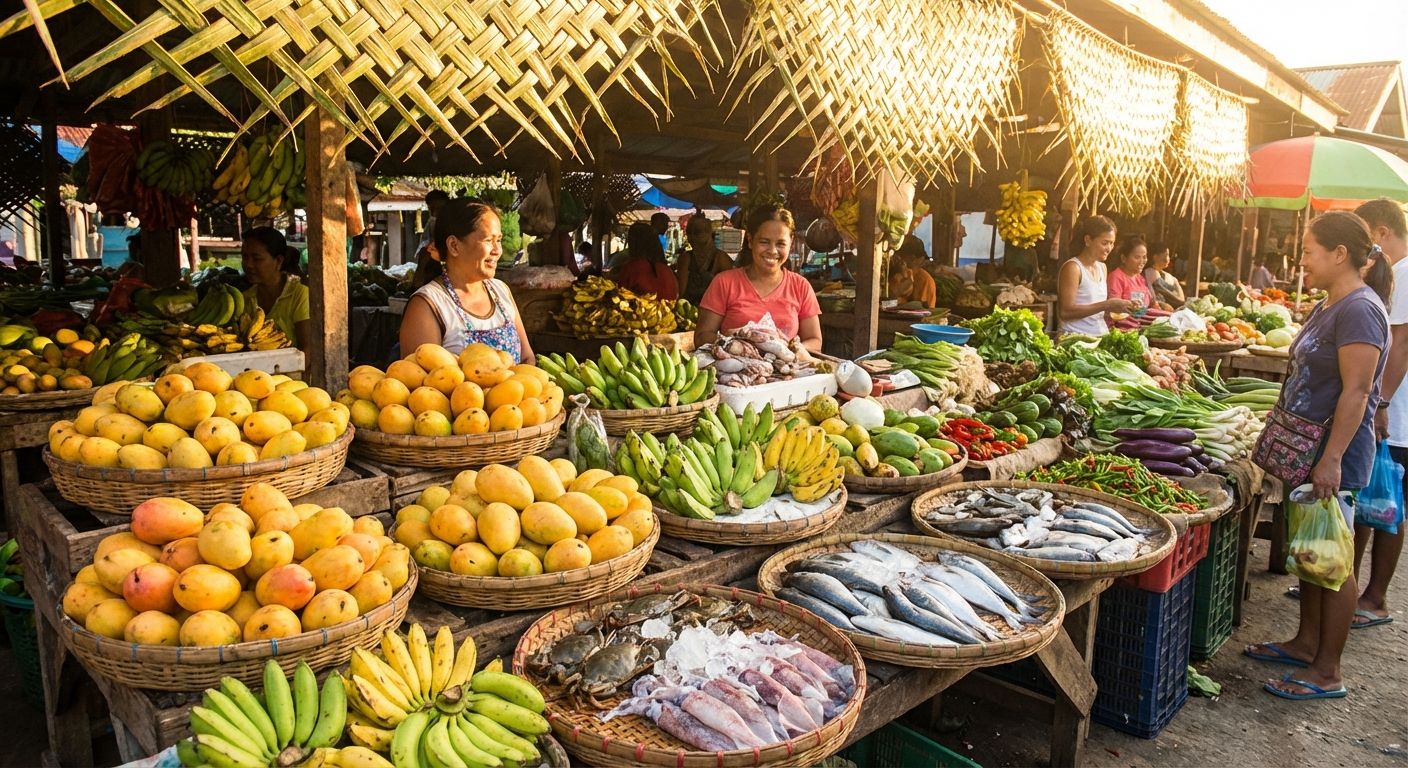
Discover Siquijor's best local markets, from Siquijor Town public market to rural barangay markets. Fresh seafood, tropical fruits, local crafts, and practical tips for market shopping on the island.

Siquijor Pet-Friendly Travel Guide: Bringing Your Dog to the Island
Everything you need to know about traveling to Siquijor with your pet. Covers ferry rules, pet-friendly accommodations, veterinary services, beaches, and practical tips for dog owners visiting the island.
Siquijor Motorcycle Rental Guide: Tips for Riding Around the Island
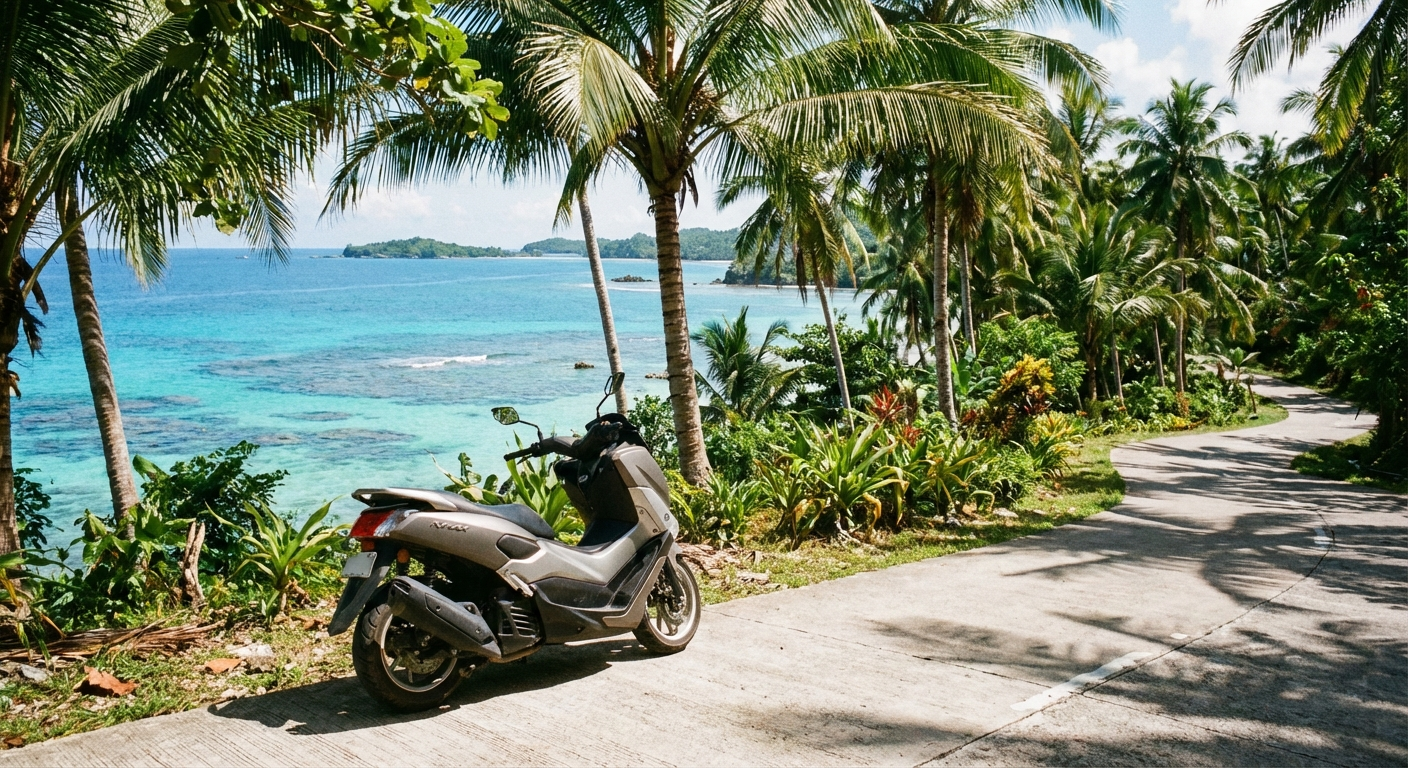
Everything you need to know about renting and riding a motorcycle in Siquijor. Covers rental prices, road conditions, fuel stations, safety tips, and the best routes for a self-guided island tour.