Siquijor Local Markets Guide: Where to Shop Like a Local
Discover Siquijor's best local markets, from Siquijor Town public market to rural barangay markets. Fresh seafood, tropical fruits, local crafts, and practical tips for market shopping on the island.
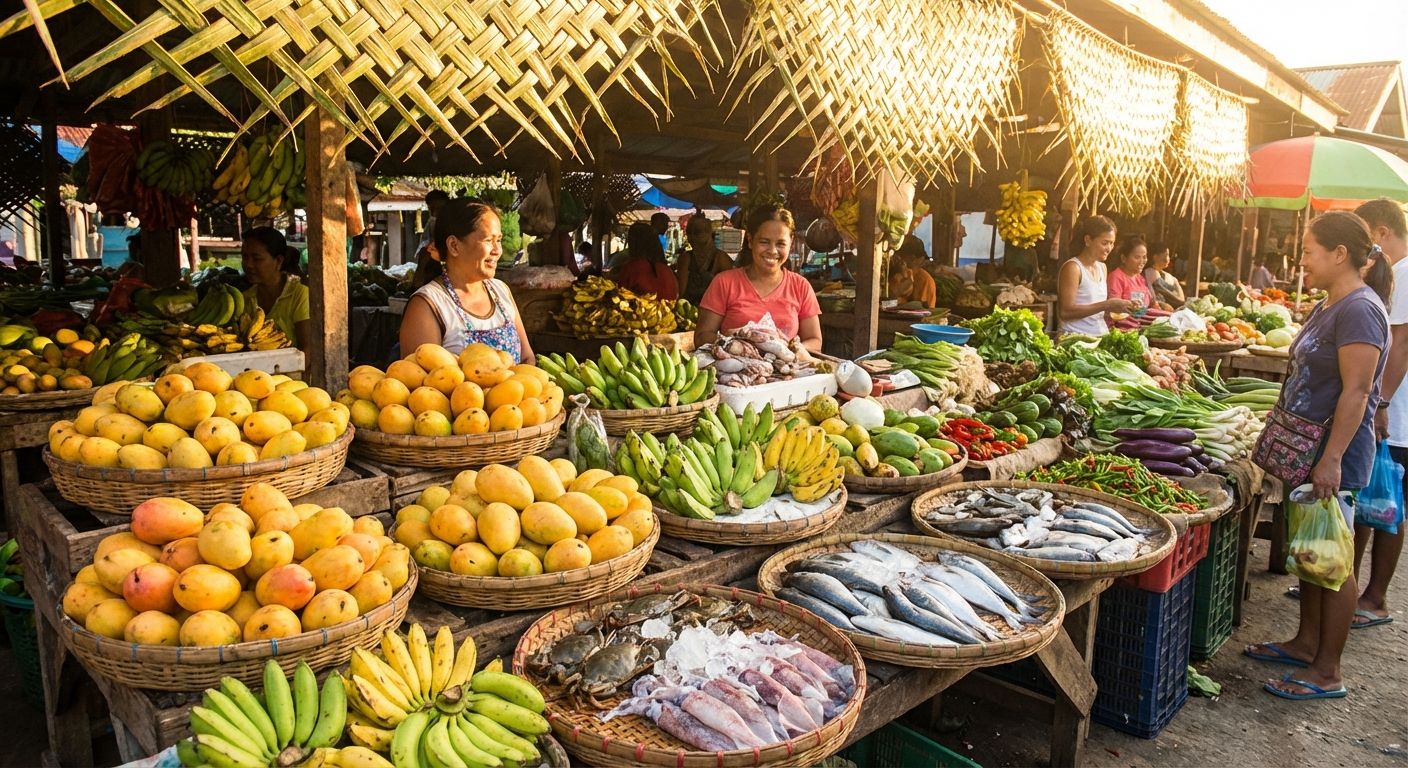
One of the most authentic ways to experience Siquijor is through its local markets. While the island may lack the sprawling commercial centers found in larger Philippine cities, its markets are vibrant hubs of daily life where fishermen sell the morning catch, farmers display just-harvested produce, and vendors offer everything from handwoven goods to traditional healing herbs. For travelers looking to go beyond resort restaurants and tourist-oriented dining, the markets of Siquijor offer a genuine window into island life.
Siquijor Town Public Market
The largest and most accessible market on the island sits in the heart of Siquijor Town, the provincial capital. Located near the town plaza and port area, this market is the primary shopping destination for both locals and visitors.
What to Expect
The market operates daily, but the busiest and most rewarding time to visit is early morning, between 5:30 AM and 8:00 AM. This is when the freshest produce arrives and the fish section is at its peak. By mid-morning, the best selections are often already sold.
The market is divided into distinct sections:
Fresh Seafood Section - This is the highlight for most visitors. Local fishermen bring their catch directly to the market before dawn. Depending on the season and conditions, you will find tuna, lapu-lapu (grouper), tangigue (Spanish mackerel), squid, blue crabs, shrimp, and various reef fish. During the dry season months of February through May, the catch tends to be more abundant and varied due to calmer seas.
Prices are significantly lower than what you would pay at restaurants. A kilogram of fresh tuna typically costs between 180 and 280 pesos at the market, compared to 350 to 500 pesos or more at tourist-facing restaurants. Vendors are generally open to mild bargaining, though prices in Siquijor are already quite fair.
Fruits and Vegetables - Siquijor’s volcanic soil produces excellent tropical fruits. Look for locally grown mangoes (peak season from March to May), bananas of several varieties including the small and sweet señorita banana, papayas, coconuts, jackfruit, and calamansi. Root crops like camote (sweet potato) and cassava are staples, along with leafy greens, eggplant, tomatoes, and bitter gourd.
Dry Goods and Household Items - The inner sections of the market stock rice, dried fish, cooking oil, spices, and basic household necessities. This is where you will find local dried fish (bulad), which makes a surprisingly good souvenir if properly packed.
Cooked Food Stalls - Several vendors inside and around the market perimeter sell ready-to-eat meals. This is one of the cheapest ways to eat on the island. A full meal of rice with a viand (ulam) typically costs just 40 to 60 pesos. Common offerings include adobo, tinola, grilled fish, and lechon kawali.
Practical Information
- Location: Siquijor Town center, walking distance from the port
- Best time: 5:30 AM to 8:00 AM for freshest selection
- Open: Daily, though Saturday mornings tend to be busiest
- Payment: Cash only in Philippine pesos
Larena Market
The municipality of Larena, home to the island’s second major port, has its own public market that serves the northern part of the island. While smaller than the Siquijor Town market, Larena’s market has a character of its own and is conveniently located for travelers staying in the northern coastal areas.
What Makes It Different
Larena’s market benefits from proximity to some of Siquijor’s most productive fishing grounds. The seafood section here sometimes offers varieties and quantities not found at the capital’s market. Fishermen from the northern barangays tend to sell their catch at Larena rather than making the trip to Siquijor Town.
The market also has a notable selection of dried goods and preserved items. Smoked fish prepared using traditional methods is a specialty in some of the surrounding barangays, and you can occasionally find it here at very reasonable prices.
Practical Information
- Location: Larena town proper, near the port
- Best time: Early morning
- Open: Daily
- Payment: Cash only
Lazi Public Market
The southern municipality of Lazi, famous for its UNESCO-listed San Isidro Labrador Church and Convent, has a market that serves as the commercial center for the island’s southern communities. Lazi market is smaller and quieter than those in Siquijor Town or Larena, but it offers a more intimate and less hurried shopping experience.
Worth the Visit
Lazi is surrounded by some of Siquijor’s richest agricultural land. The produce section here features items grown in the nearby upland areas, including root crops, vegetables, and herbs that you might not find in the coastal markets. This is also a good place to look for traditional medicinal herbs and plants, reflecting the area’s deep connection to Siquijor’s healing traditions.
The market is a natural stop if you are already visiting the Lazi Church and Convent or heading to nearby attractions like the Capilay Spring Park.
Practical Information
- Location: Lazi town proper
- Best time: Morning hours
- Open: Daily, busiest on weekends
- Payment: Cash only
Maria and San Juan Markets
The municipalities of Maria and San Juan on the western side of the island have smaller markets that primarily serve local residents. These are not tourist destinations by any measure, but visiting them offers an unfiltered glimpse of daily Siquijodnon life.
Maria’s market is particularly active on weekends when farmers from the interior barangays bring their harvests to sell. San Juan’s market, while modest, is conveniently located near the popular Cawhagan Island and some of the island’s best beach areas.
Weekly Market Days and Special Events
While Siquijor’s markets operate daily, certain days bring increased activity:
- Saturdays tend to be the busiest market days across all municipalities, as families stock up for the weekend
- Sundays see reduced activity, with some vendors taking the day off
- Fiesta seasons bring special market activity, with vendors offering seasonal specialties and larger quantities of prepared foods
During the Healing Festival in late March and the town fiestas celebrated throughout the year, markets expand with temporary stalls selling fiesta foods, decorations, and special goods.
What to Buy at Siquijor Markets
Best Fresh Finds
Seafood remains the top recommendation. Whether you are cooking at an accommodation with kitchen facilities or asking a local eatery to prepare your market purchases (a common practice called “paluto”), buying fresh fish at the market is one of the island’s best value experiences.
Mangoes during peak season from March through May are extraordinary. Philippine mangoes are world-renowned, and Siquijor’s local varieties are sweet, fragrant, and incredibly affordable at the market. Expect to pay around 60 to 100 pesos per kilogram during peak season.
Coconut products are available in abundance. Fresh buko (young coconut) for drinking, mature coconuts for cooking, and coconut oil produced by local families are all market staples.
Souvenirs and Local Products
Dried fish (bulad) is a traditional Siquijor product. Properly dried and packaged, it makes a lasting souvenir that captures the island’s fishing heritage. Danggit (dried rabbitfish) is particularly popular.
Local honey produced by small-scale beekeepers is sometimes available at the larger markets. Siquijor’s wildflower honey has a distinctive flavor profile influenced by the island’s tropical flora.
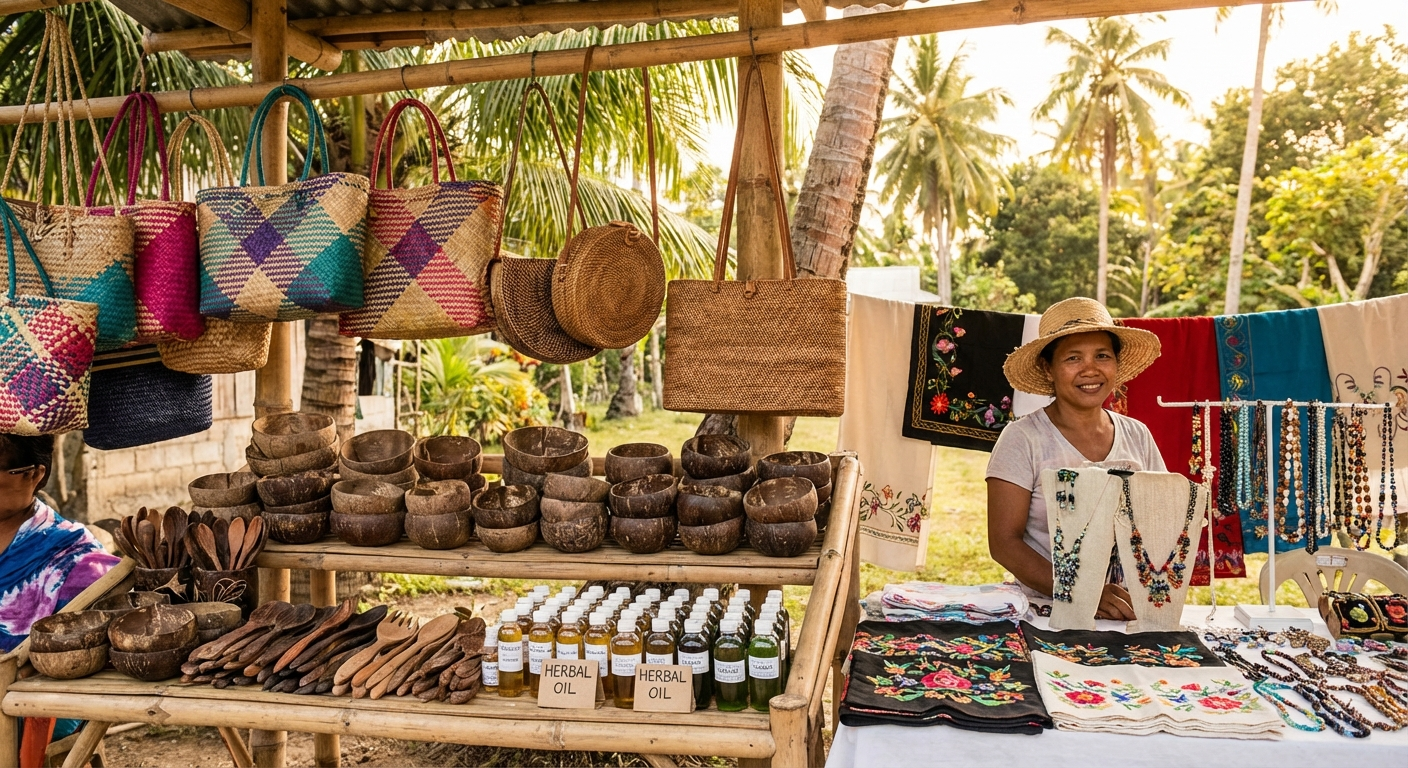
Handwoven items including baskets, mats, and fans made from local materials occasionally appear at the markets, though the Siquijor Souvenir shops along the main road may have a wider selection of crafts.
Traditional healing oils and potions are available from certain vendors, particularly at the Siquijor Town and Lazi markets. These range from coconut-based massage oils infused with local herbs to more esoteric preparations tied to the island’s folk healing traditions.
Tips for Market Shopping in Siquijor
Timing Is Everything
Arrive early. This cannot be overstated. By 9:00 AM, the best fish has been sold and produce selection thins out. If you want the full market experience with the widest selection, set your alarm and aim to arrive between 6:00 and 7:00 AM.
Bring Cash and Small Bills
No market vendor on the island accepts credit cards or digital payments. Bring sufficient cash in small denominations. Breaking a 1,000 peso bill at a market stall selling 30-peso vegetables can be challenging. Denominations of 20, 50, and 100 pesos are ideal.
Be Respectful When Bargaining
Mild bargaining is acceptable, especially when buying larger quantities. However, prices in Siquijor markets are already very reasonable, and aggressive haggling is considered poor form. A friendly approach goes much further than hard negotiation.
Bring Your Own Bag
Siquijor has been making efforts toward reducing plastic waste. Bringing your own reusable bag is appreciated and practical. Some vendors may wrap items in banana leaves or newspaper as a traditional alternative to plastic.
Learn Basic Filipino Market Phrases
A few words in Filipino or Bisaya (the local language) go a long way:
- “Magkano?” - How much?
- “Pila ni?” (Bisaya) - How much is this?
- “Salamat” - Thank you
- “Barato pa” - Can you make it cheaper?
Even a basic attempt at the local language is met with warm smiles and sometimes better prices.
Ask About Preparation
If you buy fresh fish and want it cleaned, scaled, or filleted, most vendors will do it for free or for a very small additional charge. Just ask and they will prepare it however you need.
Cooking Your Market Finds
Several accommodations on the island offer kitchen facilities where you can prepare your own meals using market-fresh ingredients. Budget guesthouses and vacation rentals with kitchens are ideal for this approach.
Alternatively, many local eateries and small restaurants near the markets will cook your purchased seafood for a modest fee, typically 50 to 150 pesos depending on the preparation. Simply bring your fresh fish to the restaurant, discuss how you would like it prepared (grilled, fried, in sinigang, or kinilaw), and enjoy a restaurant-quality meal at a fraction of the usual price.
Beyond the Markets: Roadside Vendors
Throughout the island, particularly along the main circumferential road, you will encounter roadside vendors selling seasonal fruits, coconuts, and snacks. These informal sellers often offer the freshest possible produce, picked from their own trees that same morning. Stopping at these stalls is part of the Siquijor experience and supports individual farming families directly.
During mango season, roadside stalls selling bags of ripe mangoes for as little as 50 pesos are common along the stretch between Siquijor Town and San Juan. These are often the sweetest mangoes you will ever taste, still warm from the afternoon sun.
Planning Your Market Visit
The most rewarding market experience combines early morning shopping with a relaxed breakfast at one of the nearby eateries. Visit the Siquijor Town market at dawn, pick up fresh fruits and any seafood you want for later, then sit down at one of the market-adjacent carinderia stalls for a traditional Filipino breakfast of rice, eggs, and longganisa sausage for under 60 pesos.
This simple routine connects you with the daily rhythm of island life in a way that no resort breakfast buffet ever could. It is affordable, authentic, and one of the best ways to start a day of exploring Siquijor.
Related Travel Guides
Siquijor Souvenir Shopping Guide: What to Buy and Where to Find It
Discover the best souvenirs from Siquijor Island, from handwoven crafts and healing oils to local delicacies. A complete guide to meaningful keepsakes and where to shop.

Siquijor Rainy Season Guide: Why Visiting June–October Is Underrated
Discover why Siquijor's rainy season offers lower prices, fewer crowds, lush landscapes, and unique experiences most travelers miss.
Siquijor on a Budget: Complete Money-Saving Guide
How to experience Siquijor affordably without sacrificing experiences. Budget breakdowns, money-saving tips, and affordable itineraries for backpackers and budget travelers.