
Siquijor Rainy Season Guide: Why Visiting June–October Is Underrated
Discover why Siquijor's rainy season offers lower prices, fewer crowds, lush landscapes, and unique experiences most travelers miss.
The Season Everyone Skips (And Why They Shouldn’t)
Ask anyone when to visit Siquijor and you’ll get the same answer: December to May, dry season, blue skies, perfect weather. And they’re not wrong — dry season is lovely. But here’s what nobody tells you: Siquijor’s rainy season (June to October) is genuinely beautiful, significantly cheaper, far less crowded, and not nearly as wet as you’d expect.
The Philippines’ “rainy season” conjures images of non-stop typhoons and gray, miserable days. But Siquijor sits in the central Visayas, partially shielded by Negros and Mindanao from the worst Pacific typhoons. Rain typically comes in short, intense bursts — an hour or two in the afternoon — followed by sunshine. Many days are perfectly dry until late afternoon.
If you’re flexible, budget-conscious, or simply hate crowds, the rainy season might actually be the best time to visit Siquijor.
What the Weather Is Actually Like
The Reality vs. The Myth
Myth: It rains all day, every day, from June to October. Reality: Most days follow a pattern: sunny mornings, building clouds in the afternoon, a downpour lasting 30–90 minutes, then clearing. Some days are fully dry. Some days are fully wet. Most are a mix.
Myth: Typhoons constantly batter the island. Reality: Siquijor is in a relatively protected position. While typhoons do affect the Visayas, direct hits on Siquijor are uncommon. The island averages 1–2 significant weather disruptions per rainy season, usually lasting 1–3 days.
Myth: You can’t enjoy the beach or outdoor activities. Reality: Mornings are typically sunny and calm. Most outdoor activities — snorkeling, beach time, waterfall visits, scooter touring — are perfectly doable before 2:00 PM most days.
Monthly Breakdown
| Month | Rainfall | Typical Pattern | Temperature |
|---|---|---|---|
| June | Moderate | Rain begins, usually afternoon showers. Many sunny mornings. | 28–32°C |
| July | Moderate–Heavy | More consistent afternoon rain. Lush greenery appears. | 27–31°C |
| August | Heavy | Wettest month. Occasional all-day rain, but sunny stretches happen. | 27–31°C |
| September | Heavy | Similar to August. Highest typhoon risk (still low for Siquijor). | 27–31°C |
| October | Moderate | Rain tapers off. Transition month — some weeks feel like dry season. | 27–32°C |
What “Heavy Rain” Means in Practice
A typical rainy season day on Siquijor:
- 6:00 AM: Clear skies, calm sea, perfect for an early swim
- 8:00–12:00 PM: Sunny with building cumulus clouds
- 1:00–3:00 PM: Clouds darken, humidity peaks
- 3:00–5:00 PM: Downpour. Heavy rain, possibly thunder. Stay under cover.
- 5:00–6:00 PM: Rain eases, sky clears, often followed by a spectacular sunset
- Evening: Cool, fresh air. Some of the best sleeping weather of the year.
7 Reasons to Visit in Rainy Season
1. Prices Drop 30–50%
This is the single biggest advantage. Accommodation that costs ₱4,000/night in January might be ₱2,000–2,500 in August. Many resorts offer rainy season promotions, free upgrades, and longer-stay discounts.
Typical savings:
- Budget rooms: ₱800/night → ₱500–600/night
- Mid-range resorts: ₱3,000/night → ₱1,500–2,000/night
- Upscale resorts: ₱6,000/night → ₱3,500–4,500/night
- Scooter rental: ₱400/day → ₱300/day (negotiable for weekly rates)
2. Fewer Tourists — Way Fewer
During peak season, popular spots like Cambugahay Falls and Salagdoong Beach can be packed. In rainy season, you might have Cambugahay Falls to yourself on a Tuesday morning. The difference is dramatic.
What this means in practice:
- No waiting for the Tarzan swing at Cambugahay
- Paliton Beach with maybe 5 other people instead of 50
- No need to book accommodation weeks in advance
- More personal attention at restaurants and resorts
- Easier to connect with locals when you’re not one of 200 tourists
3. The Island Is Insanely Green
Siquijor during dry season is beautiful. Siquijor during rainy season is lush. The difference is striking — the entire island transforms into an emerald wonderland. Rice paddies glow neon green, the jungle on Mount Bandilaan becomes dense and vibrant, and every roadside is bursting with tropical flowers.
Best green views:
- The interior road to Mount Bandilaan
- Rice terraces near Maria
- The forest canopy around Cambugahay Falls
- Coconut palm groves along the ring road
For photographers, the soft, diffused light on overcast days is actually better for capturing the landscape than harsh midday sun.
4. Waterfalls Are at Full Power
Siquijor’s waterfalls — Cambugahay, Lugnason, and others — are fed by seasonal rainfall. Visit in March and you’ll find beautiful but modest flows. Visit in August and Cambugahay’s three tiers become thundering cascades of turquoise water. The swimming pools beneath them are deeper, cooler, and even more inviting.
Note: Water flow also means stronger currents in some pools. Exercise caution and follow local guidance.
5. Dramatic Skies & Sunsets
Rainy season clouds create the most spectacular sunsets. The moisture in the atmosphere scatters light in ways that clear skies simply can’t match. Expect vivid oranges, deep purples, and dramatic cloud formations that change by the minute.
Best sunset spot in rainy season: Paliton Beach. The combination of storm clouds breaking apart over the western horizon and the last light of day creates scenes that look like paintings.
6. Unique Rainy Season Experiences
Some things only happen during the wet months:
- Bioluminescence: More common in warm, rainy season waters. Look for glowing waves on dark, moonless nights.
- Fireflies: More active in humid conditions, especially in mangrove areas near Larena.
- Fruit season: Mangoes, lanzones, and durian (from nearby Mindanao) are abundant and cheap.
- Fiesta season: Several barangay fiestas fall during rainy months. San Juan’s fiesta (June 24) is a major celebration.
- Storm watching: Sitting under a covered terrace with a coffee, watching a tropical storm roll in over the ocean, is its own form of entertainment.
7. Cooler Temperatures
Rainy season is 2–4°C cooler than the March–May heat. Nights are particularly comfortable — sleeping without air conditioning is easy, and the fresh post-rain air is wonderfully clean. If you struggle with tropical heat, this is your season.
What You Can (and Can’t) Do
Works Great in Rainy Season
✅ Snorkeling — Morning conditions are usually calm and clear. Visibility can actually be excellent after overnight rain settles the surface.
✅ Waterfall visits — Better than dry season, honestly. Go in the morning.
✅ Scooter touring — The ring road is paved and drains well. Morning rides are typically dry. Just bring a rain jacket for afternoon surprises.
✅ Church and heritage visits — Rain makes the centuries-old churches in Lazi and Siquijor town feel even more atmospheric.
✅ Spa and massage — Rain outside + massage inside = perfection.
✅ Food exploration — Markets and carinderias operate rain or shine. Rainy days are great for long, leisurely meals.
✅ Reading, relaxing, doing nothing — If your goal is decompression, rain provides the perfect soundtrack.
Plan Around the Weather
⚠️ Diving — Still possible, but some dive sites may have reduced visibility after heavy rain. Operators will advise. Shore diving is more affected than boat diving.
⚠️ Island hopping to Apo Island — Boat crossings can be canceled in rough seas. Have a backup plan and be flexible with dates.
⚠️ Mountain hiking — Trails on Mount Bandilaan become slippery and muddy. Still doable with proper footwear, but more challenging.
⚠️ Beach days — You’ll get beach time, but maybe 4–5 hours instead of 8–10. Prioritize mornings.
Avoid in Bad Weather
❌ Cliff jumping at Salagdoong — Slippery rocks and rough water make this dangerous in heavy rain. Skip it if conditions are poor.
❌ Night scooter rides — Roads can flood in sections, and visibility drops dramatically. Stick to daytime riding.
❌ Kagusuan Beach stairs — The steep staircase to this hidden cove becomes dangerously slippery when wet.
Practical Tips for Rainy Season Travel
What to Pack
Essential additions for wet season:
- Waterproof dry bag (₱200–500 locally) — For phone, wallet, and electronics during scooter rides
- Quick-dry clothing — Cotton stays wet for hours in tropical humidity. Synthetic fabrics or merino wool dry much faster.
- Reef shoes or sport sandals — Better than flip-flops on wet surfaces. Closed-toe water shoes work well for waterfalls.
- Compact umbrella — Lighter and easier than a rain jacket for walking around town.
- Rain jacket or poncho — Essential for scooter riding. Available locally for ₱100–200.
- Ziplock bags — For passport, cash, and electronics. Simple but effective.
Scooter Safety in the Rain
- Slow down — Wet roads, especially painted lines and manhole covers, are slippery.
- Brake gently — Sudden braking on wet pavement can cause skids.
- Watch for puddles — They hide potholes. Go around, not through.
- Use headlights — Even during the day in heavy rain, visibility drops.
- Wait it out — If a heavy downpour starts, pull over somewhere covered and wait 30–60 minutes. It will pass.
Accommodation Tips
- Request upper floors — Ground-floor rooms can feel damp in humid weather.
- Check for fans and ventilation — Air circulation matters more than AC in humid conditions.
- Ask about generators — Power outages during storms are occasional. Resorts with backup generators keep the fans running.
- Book less, stay flexible — With lower occupancy, you can often find better rooms on arrival than what you’d book online.
Ferry Considerations
- Book refundable when possible — Rough seas can cancel ferry services, especially the smaller boats.
- Check schedules day-of — Ferry operators adjust schedules based on weather. Montenegro and GL Shipping sometimes add or cancel sailings.
- Build buffer days — Don’t schedule a connecting flight the same day as your ferry departure. Give yourself a full day’s buffer in Dumaguete.
- Seasickness preparation — Rougher crossings during wet season. Bring motion sickness medication if you’re prone.
Budget Comparison: Dry vs. Rainy Season
3-day trip for two people:
| Expense | Dry Season (Feb) | Rainy Season (Aug) |
|---|---|---|
| Accommodation (3 nights, mid-range) | ₱9,000 | ₱5,400 |
| Scooter rental (3 days) | ₱1,200 | ₱900 |
| Food & drinks | ₱4,500 | ₱4,000 |
| Activities & entrance fees | ₱1,000 | ₱800 |
| Ferry (round trip, 2 people) | ₱1,600 | ₱1,600 |
| Total | ₱17,300 | ₱12,700 |
| Savings | — | ₱4,600 (27%) |
And that’s with moderate savings. Budget travelers willing to negotiate and stay in guesthouses can save even more.
Rainy Day Activities
When the afternoon rain sets in, here’s what to do:
Indoor & Covered Activities
- Visit Lazi Convent — The largest convent in Asia, with a museum inside. Perfect for a rainy hour. Entry: ₱20.
- Café hopping in San Juan — Several cafés with covered seating and good Wi-Fi. Settle in with a book and a coffee.
- Spa afternoon — Book a 2-hour massage and spa session. Several resorts welcome non-guests.
- Cook with your host — Ask your accommodation if they’d teach you to cook a local dish. Many hosts are happy to share.
- Visit the Siquijor Heritage Museum — Small but informative, covering the island’s history and traditions.
Embrace the Rain
- Swim in the rain — Pool or ocean swimming in warm rain is actually delightful. The water temperature barely changes.
- Waterfall visit — Cambugahay Falls in the rain is magical. Fewer people, powerful water, and the jungle comes alive with sound.
- Rain photography — Dramatic skies, reflections on wet roads, and the saturated green of the landscape make for stunning photos.
When to Avoid
Despite our enthusiasm for rainy season travel, there are situations where dry season is genuinely better:
- You have a tight, inflexible schedule — If you have exactly 3 days and can’t afford a single lost day to weather, dry season is safer.
- Diving is your primary goal — While possible in rainy season, visibility and conditions are more reliable December–May.
- You’re planning an Apo Island trip — The boat crossing is weather-dependent, and cancellations are more common June–October.
- You have mobility challenges — Wet surfaces and slippery paths add difficulty.
For everyone else: give rainy season a chance. You might discover your favorite version of the island.
Final Thought
There’s something about Siquijor in the rain that dry season visitors never experience. The island feels more alive — more itself — when it’s not performing for tourists. The air smells of wet earth and frangipani. The waterfalls roar. The jungle hums with insects and frogs. The sunsets, when they break through the clouds, feel earned.
And then there’s the practical reality: fewer people, lower prices, and a pace of life even slower than Siquijor’s already glacial tempo. If you can embrace the occasional downpour as part of the experience rather than an inconvenience, rainy season Siquijor will reward you with something the peak-season crowds never see.
Pack a rain jacket. Leave your expectations at the ferry port. Let the island surprise you.
Related Travel Guides

Siquijor for Senior Travelers: A Comfortable Island Guide for Older Visitors
A practical guide for senior travelers visiting Siquijor Island, covering accessibility, comfortable accommodations, gentle activities, and health tips.
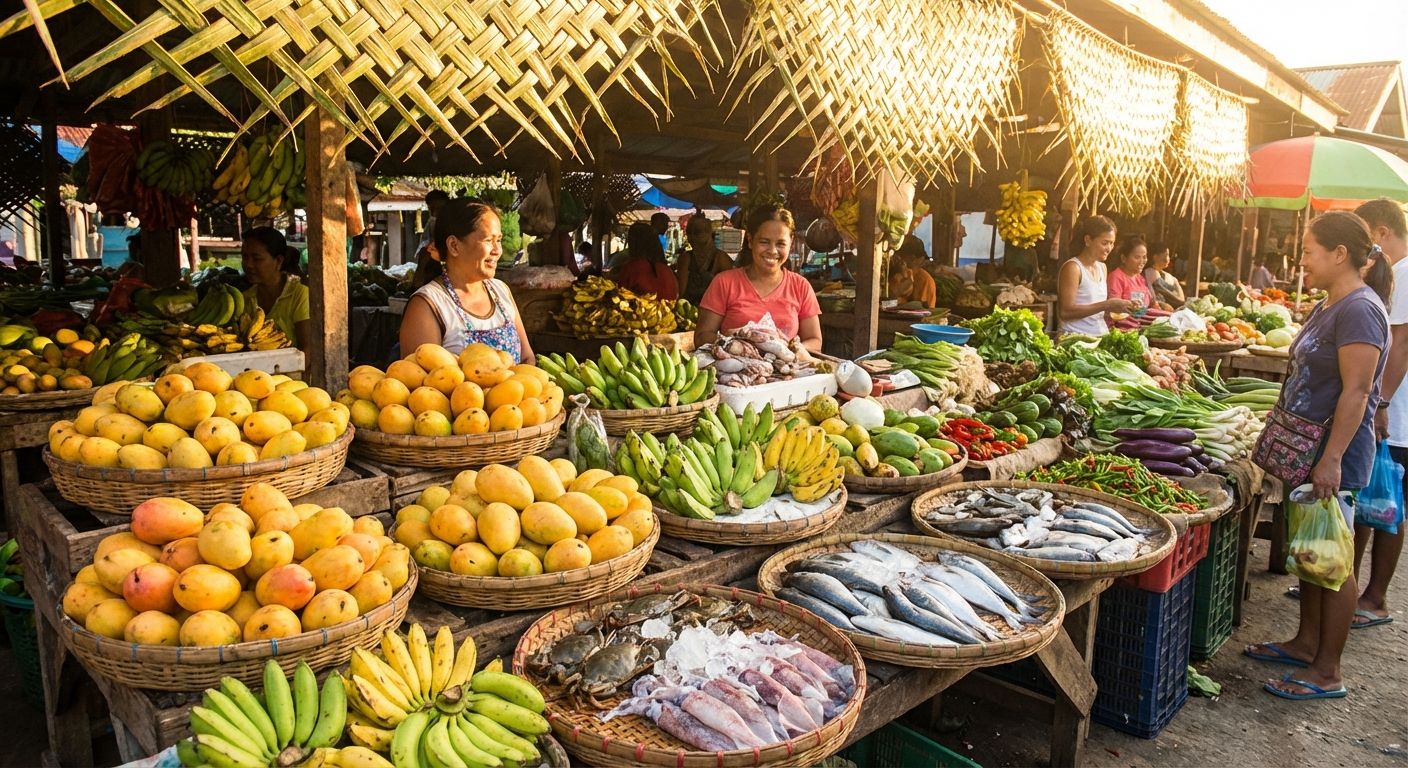
Siquijor Local Markets Guide: Where to Shop Like a Local
Discover Siquijor's best local markets, from Siquijor Town public market to rural barangay markets. Fresh seafood, tropical fruits, local crafts, and practical tips for market shopping on the island.
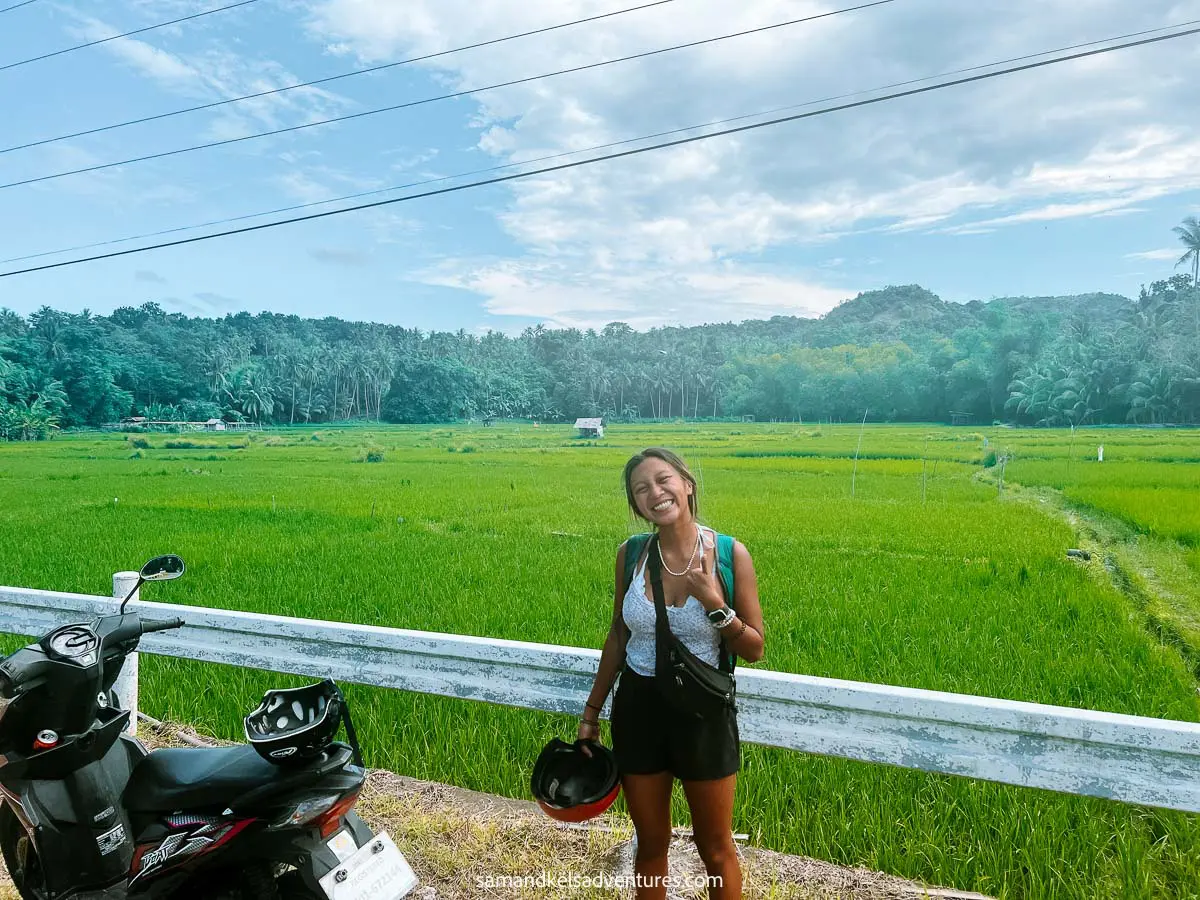
Siquijor on a Budget: Complete Money-Saving Guide
How to experience Siquijor affordably without sacrificing experiences. Budget breakdowns, money-saving tips, and affordable itineraries for backpackers and budget travelers.