Siquijor for Senior Travelers: A Comfortable Island Guide for Older Visitors
A practical guide for senior travelers visiting Siquijor Island, covering accessibility, comfortable accommodations, gentle activities, and health tips.
Siquijor Island has long been a destination for adventurous backpackers and diving enthusiasts, but its gentle pace, manageable size, and warm hospitality make it one of the most rewarding destinations in the Philippines for senior travelers. Whether you are in your sixties, seventies, or beyond, Siquijor offers a comfortable island experience that does not demand extreme fitness or constant rushing from one attraction to the next.
This guide covers everything older travelers need to know before visiting Siquijor, from accessibility considerations and medical facilities to the most relaxing activities and accommodations designed with comfort in mind.
Why Siquijor Works Well for Senior Travelers
Unlike sprawling destinations that require hours of travel between attractions, Siquijor is a compact island roughly 340 square kilometers in size. You can drive the entire coastal road in about two hours, which means no attraction is ever far from your accommodation. This manageable scale eliminates the exhausting transit days that plague larger Philippine destinations like Palawan or the Visayas island-hopping circuit.
The island also moves at a notably slower pace than tourist hubs like Boracay or Cebu. There are no loud nightclubs, no aggressive touts, and no crushing crowds at popular sites. Siquijor rewards those who prefer to savor their surroundings rather than rush through a checklist of activities.
The climate is warm year-round, with temperatures typically ranging between 25 and 32 degrees Celsius. The dry season from March to May offers the most predictable weather, though even the wet season rarely brings the sustained downpours common in other parts of the archipelago.
Getting to Siquijor: The Easiest Routes
The most common entry point is the ferry from Dumaguete City in Negros Oriental. Several ferry operators run daily services, with the crossing taking between one and two hours depending on the vessel type.
For the most comfortable crossing, choose the larger, air-conditioned ferries operated by Montenegro Lines or Cokaliong Shipping. These vessels have proper seating, onboard restrooms, and smoother rides compared to smaller outrigger boats. Book tourist or business class for guaranteed seating with air conditioning.
If you are coming from Cebu, direct ferries run from Liloan port to Siquijor, though services are less frequent. Flying into Dumaguete via Cebu Pacific or Philippine Airlines and then catching the ferry is the most reliable approach.
Tips for the ferry journey:
- Arrive at the port at least 45 minutes before departure to avoid rushing
- Porters are available at both Dumaguete and Siquijor ports to help with luggage
- Bring a light jacket as the air-conditioned cabins can be quite cold
- Motion sickness medication should be taken 30 minutes before boarding if you are prone to seasickness
- The Siquijor port in the town proper has a flat, paved walkway from the dock to the road where tricycles wait
Accommodation Options for Comfort and Accessibility
Siquijor offers a range of accommodations, from simple beachfront cottages to well-appointed resorts with modern amenities. For senior travelers, choosing the right property makes all the difference.
Mid-Range to Upper-Range Resorts
Several resorts on the island cater well to older guests. Look for properties that offer ground-floor rooms, paved pathways, and easy beach access. The stretch along San Juan and Solangon Beach has the highest concentration of quality accommodations.
When booking, ask specifically about:
- Ground-floor availability, as many island properties use stairs
- Distance from the room to the restaurant and beach
- Hot water availability, which is not universal on the island
- Whether the property has a backup generator for power outages
- Air conditioning reliability, especially during peak summer months
Recommended Areas to Stay
San Juan is the most developed tourist area with the best restaurant options and the closest proximity to popular attractions. The road infrastructure here is the best on the island, making it easy to get around.
Larena, near the main port, is convenient if you want to minimize travel on arrival and departure days. The town has pharmacies, a hospital, and basic shopping.
Siquijor town (the capital) offers a more local atmosphere with essential services, including the island’s main public market and government hospital.
Getting Around the Island
Hiring a Private Vehicle with Driver
This is the most comfortable way to explore Siquijor as a senior traveler. A full-day tour with a driver typically costs between 1,500 and 2,500 pesos, depending on the vehicle type and itinerary. Many resort front desks can arrange this, and having a dedicated driver means you can set your own pace, stop whenever you like, and avoid the physical strain of riding a motorcycle.
Tricycles
For shorter trips, tricycles are the standard local transport. They are not the most comfortable vehicles, but for trips under 15 minutes, they work well enough. Negotiate the fare before boarding, and expect to pay between 50 and 200 pesos depending on distance.
Renting a Car
Self-drive car rentals are available but limited. The coastal road is generally well-paved, but interior roads can be rough. If you are comfortable driving on Philippine roads, this gives you maximum flexibility.
Important note: Avoid renting a motorcycle or scooter unless you are an experienced rider. Siquijor’s roads have unexpected potholes, loose gravel on curves, and free-roaming animals. Motorcycle accidents are the most common cause of tourist injuries on the island.
Gentle Activities Perfect for Older Visitors
Siquijor offers plenty of enjoyable activities that do not require extreme fitness or risk-taking.
Swimming and Beach Relaxation
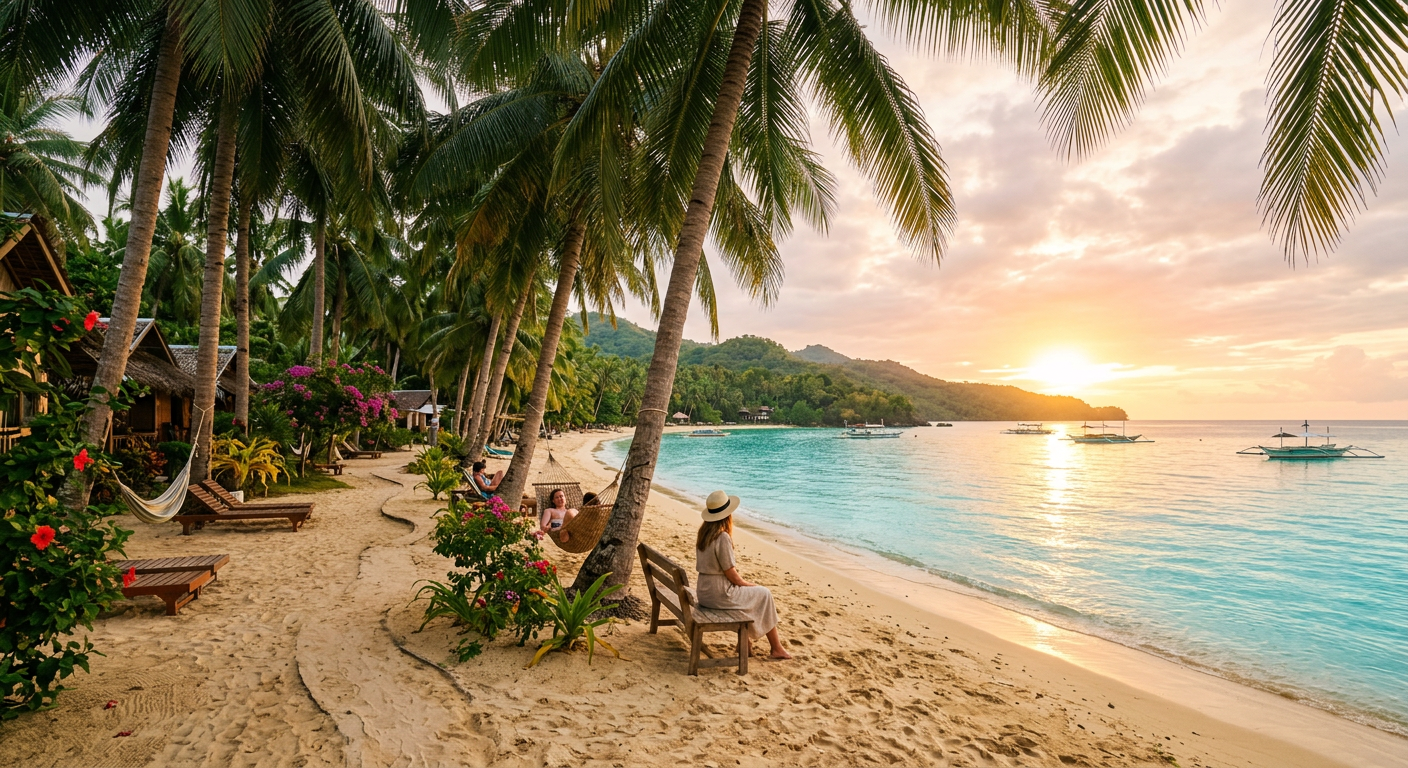
The island has several beaches with calm, shallow waters ideal for leisurely swimming. Paliton Beach, with its line of coconut palms and generally calm conditions, is one of the most photogenic and accessible. Solangon Beach in San Juan offers a long stretch of sand with easy water entry and nearby restaurants where you can rest between swims.
Avoid beaches with steep coral entries or strong currents. Ask your accommodation for current conditions, as wave patterns shift seasonally.
Snorkeling in Calm Waters
The marine sanctuary at Tubod Beach offers some of the island’s best snorkeling in protected, shallow water. The sanctuary has a designated swimming area with a gentle slope, making it easier to enter and exit the water. Marine life here is abundant, with sea turtles frequently spotted just meters from shore.
If you have not snorkeled before, guides are available to assist you. Life vests are typically provided and strongly recommended regardless of swimming ability.
Visiting Waterfalls
Cambugahay Falls is Siquijor’s most famous waterfall and is accessible via a concrete stairway from the road. The stairway has handrails and is manageable for most mobile seniors, though it does involve about 130 steps down (and back up). The lowest tier has a natural pool with calm water and a rope swing, though you can simply enjoy the scenery without swimming.
Lugnason Falls is less visited and requires a short walk through a forested path. The terrain is uneven in places, so assess your comfort level before attempting it.
Heritage and Cultural Sites
The San Isidro Labrador Church in Lazi is one of the oldest churches in the Philippines, built in 1884. The adjacent Lazi Convent, a UNESCO tentative list site, is a massive stone building worth exploring. Both are on flat ground and easily accessible.
The Siquijor Heritage Museum in the capital town provides excellent context about the island’s history, traditions, and the much-discussed healing culture. The museum is small and can be toured comfortably in under an hour.
Century-Old Balete Tree
The famous 400-year-old balete tree in Lazi is a must-visit and is fully accessible. A paved area surrounds the tree, and there is a fish spa pool at its base where small fish nibble at your feet. Benches are available for resting, and the massive canopy provides welcome shade.
Health and Medical Considerations
Medical Facilities on the Island
Siquijor has a provincial hospital in Siquijor town and smaller rural health units in each municipality. These facilities can handle basic medical needs, minor injuries, and common illnesses. However, for serious medical emergencies, patients are typically transferred to Dumaguete, which has several well-equipped hospitals including the Silliman University Medical Center.
Travel insurance with medical evacuation coverage is essential. Make sure your policy covers ferry or air ambulance transfer to Dumaguete or Cebu.
Medications and Pharmacies
Bring a sufficient supply of all prescription medications, as specific brands may not be available on the island. Pharmacies in Siquijor town and Larena stock common over-the-counter medications, but the selection is limited compared to larger cities.
Pack medications in your carry-on luggage, not in checked bags, and carry a copy of your prescriptions.
Sun and Heat Management
The tropical sun is intense, even on cloudy days. Senior travelers should:
- Stay hydrated by drinking at least two liters of water daily
- Avoid strenuous outdoor activities between 11 AM and 2 PM
- Wear a wide-brimmed hat, sunglasses, and SPF 50 sunscreen
- Choose accommodations with air conditioning for afternoon rest
- Recognize the signs of heat exhaustion: dizziness, nausea, rapid heartbeat, and excessive sweating
Dietary Considerations
Filipino cuisine on Siquijor is generally mild and includes plenty of fresh seafood, rice, vegetables, and tropical fruits. If you have dietary restrictions, communicate them clearly to restaurant staff. Most tourist-oriented restaurants can accommodate requests for low-salt, low-oil, or vegetarian meals.
The tap water on Siquijor is not safe to drink. Use bottled water for drinking and brushing teeth. Ice in tourist establishments is typically made from purified water, but ask if you are uncertain.
Budgeting for a Comfortable Stay
Siquijor is one of the more affordable destinations in the Philippines, which works in favor of senior travelers who want comfort without excessive spending.
| Expense | Estimated Daily Cost |
|---|---|
| Mid-range accommodation | 2,000 - 4,000 PHP |
| Meals (three per day) | 800 - 1,500 PHP |
| Private car with driver | 1,500 - 2,500 PHP |
| Activities and entrance fees | 200 - 500 PHP |
| Miscellaneous | 300 - 500 PHP |
A comfortable daily budget of 5,000 to 8,000 PHP (roughly 90 to 145 USD) covers quality accommodation, good meals, and private transportation. This is considerably less than what you would spend for a similar experience in Bohol or Palawan.
Practical Tips for a Smooth Trip
Connectivity: Mobile data coverage on Siquijor is generally reliable along the coast, with Globe and Smart being the main providers. Purchase a local SIM card in Dumaguete before crossing for the best rates. Wi-Fi is available at most resorts but can be slow during peak hours.
Cash: Bring sufficient Philippine pesos. While ATMs exist on the island, they occasionally run out of cash or experience connectivity issues. Major resorts may accept credit cards, but smaller establishments are cash-only.
Electricity: Power outages occur occasionally. Resorts with generators handle these smoothly, but budget accommodations may not. A small flashlight or headlamp is useful to keep in your bag.
Language: English is widely spoken, especially in tourist areas. Locals are genuinely friendly and accustomed to helping visitors. A few words of Cebuano, the local language, will be warmly received.
Packing essentials: Comfortable walking shoes with good grip, reef-safe sunscreen, insect repellent, a refillable water bottle, any prescription medications, a basic first-aid kit, and a photocopy of your passport and travel insurance documents.
Suggested Three-Day Itinerary for Senior Travelers
Day One: Arrive via ferry, settle into your accommodation, and enjoy a relaxed afternoon at the beach. Have dinner at a nearby restaurant and get an early rest after the journey.
Day Two: Hire a driver for a half-day tour covering the Balete Tree, Cambugahay Falls (at your own pace), and the Lazi Church and Convent. Spend the afternoon at a marine sanctuary for gentle snorkeling, or simply relax at your resort.
Day Three: Visit the Siquijor Heritage Museum in the morning, browse the local market for souvenirs and local products, and enjoy a farewell lunch by the sea before catching your afternoon ferry back to Dumaguete.
This itinerary can easily be extended to five or seven days for those who want to fully unwind, adding rest days, spa treatments, or repeat visits to favorite spots.
Final Thoughts
Siquijor is not a destination that demands you prove anything. It does not require you to climb volcanoes, survive overnight bus rides, or navigate chaotic urban sprawl. Instead, it offers something increasingly rare in Southeast Asian tourism: a genuinely peaceful island experience at a pace that respects your energy and your time.
For senior travelers willing to make the short ferry crossing from Dumaguete, Siquijor rewards with warm waters, fascinating heritage, and a quality of life that makes every day on the island feel unhurried and worthwhile.
Related Travel Guides

Siquijor Rainy Season Guide: Why Visiting June–October Is Underrated
Discover why Siquijor's rainy season offers lower prices, fewer crowds, lush landscapes, and unique experiences most travelers miss.
Siquijor Pet-Friendly Travel Guide: Bringing Your Dog to the Island
Everything you need to know about traveling to Siquijor with your pet. Covers ferry rules, pet-friendly accommodations, veterinary services, beaches, and practical tips for dog owners visiting the island.
Siquijor Motorcycle Rental Guide: Tips for Riding Around the Island
Everything you need to know about renting and riding a motorcycle in Siquijor. Covers rental prices, road conditions, fuel stations, safety tips, and the best routes for a self-guided island tour.