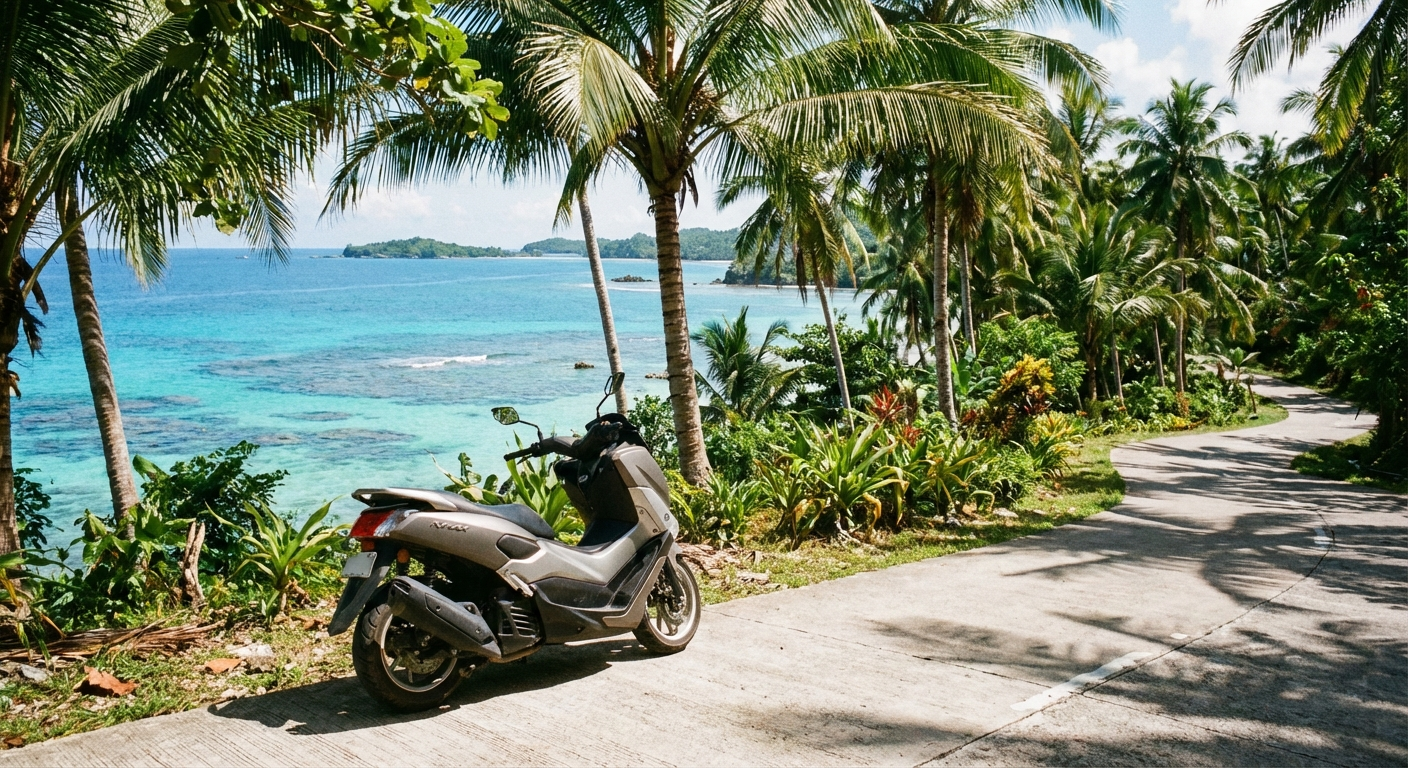
Siquijor Motorcycle Rental Guide: Tips for Riding Around the Island
Everything you need to know about renting and riding a motorcycle in Siquijor. Covers rental prices, road conditions, fuel stations, safety tips, and the best routes for a self-guided island tour.
The Standard Way to See Siquijor
Renting a motorcycle is how most visitors explore Siquijor. The island’s compact size, light traffic, and scenic roads make two-wheeled travel practical and enjoyable in a way that few other Philippine islands can match. A single tank of fuel is enough for a complete loop of the island with detours, and the main circumferential road is well-paved and straightforward to navigate.
But motorcycle rental on a small Philippine island comes with specific considerations that differ from renting in Bali, Thailand, or even Manila. Road conditions vary dramatically between the main road and interior routes. Rental arrangements are informal. Insurance is effectively nonexistent. And riding habits among local motorists follow conventions that are not immediately obvious to visitors.
This guide covers the practical details of renting and riding in Siquijor — from choosing the right bike and understanding rental terms to navigating the road network and handling the situations that catch first-time island riders off guard.
Rental Basics
Where to Rent
Motorcycles are available for rent in every major area of Siquijor, but the largest selection is concentrated in three locations.
San Juan. The tourist hub has the most rental operators, ranging from formal shops with small fleets to guesthouses that rent out their own bikes. Walking along the main road in San Juan, you will pass multiple signs advertising scooter rental. Competition keeps prices reasonable and gives you options to compare bikes before committing.
Larena. As the primary ferry port for most arrivals, Larena has rental operators positioned to catch visitors as they step off the boat. Convenience is the advantage here. You can secure a bike within minutes of arrival and ride directly to your accommodation. The drawback is less opportunity to compare options.
Siquijor Town. The provincial capital has a handful of rental shops, though fewer than San Juan. Prices here tend to be slightly lower than in the tourist areas.
Many accommodations — guesthouses, hostels, and small resorts — also offer motorcycle rental as a side service. This is often the most convenient option since you can inspect the bike, ask questions about routes, and handle any issues without traveling to a separate rental shop.
What You Will Ride
The standard rental motorcycle in Siquijor is a 110cc to 125cc semi-automatic scooter, most commonly a Honda Click, Yamaha Mio, or Honda Beat. These bikes are lightweight, easy to operate, and have enough power for the island’s terrain. Manual transmission bikes are occasionally available but less common.
Higher-powered bikes (150cc and above) are rare in rental fleets. The island’s roads do not require them, and most rental operators prefer the maintenance simplicity of standard scooters.
Current Rental Prices (2026)
Daily rental rates for a standard scooter range from 350 to 500 pesos, depending on the bike’s condition, age, and the rental location. Here is what to expect:
Budget range (350 to 400 pesos per day). Older bikes, possibly with cosmetic wear. Mechanically functional but may show their age. Common at guesthouses and less tourist-oriented shops.
Standard range (400 to 500 pesos per day). Newer or well-maintained bikes. This is the most common rate in San Juan and Larena for a current-model scooter in good condition.
Weekly discount. Many operators offer reduced rates for rentals of three days or longer, typically dropping to 300 to 400 pesos per day. Always ask about multi-day pricing.
Fuel is not included. A full tank costs roughly 200 to 250 pesos and covers 150 to 200 kilometers of riding, which is more than enough for a full island circuit with detours.
What the Rental Includes (and Does Not)
A typical Siquijor motorcycle rental includes the bike with a full or near-full tank of fuel, one helmet (quality varies significantly), and a basic orientation on the bike’s controls.
What is not included: insurance of any kind, a second helmet for passengers, rain gear, phone mounts, and bungee cords or luggage straps. If you need a second helmet, ask the rental operator — most can provide one but may not offer it automatically.
Insurance reality. Formal rental insurance does not exist in Siquijor’s motorcycle rental market. If the bike is damaged or stolen, you are responsible for repair or replacement costs. Some operators require a deposit (500 to 2,000 pesos in cash) to cover potential damage. Clarify the damage policy before signing anything.
What You Need to Rent
Requirements vary by operator but generally include a valid driver’s license (Philippine or international) with a motorcycle endorsement, a passport or valid ID left as security (some operators accept a photocopy instead — negotiate this), and a cash deposit in some cases.
In practice, enforcement of license requirements is inconsistent. Many operators rent to anyone who can demonstrate basic riding competence. However, riding without a proper license means that any accident or police stop becomes significantly more complicated and potentially expensive. Philippine traffic law requires a motorcycle-specific license, and fines for riding without one apply to foreigners.
Road Conditions and Navigation
The Circumferential Road
The main road circling Siquijor is a two-lane paved highway in generally good condition. It runs through all six municipalities and passes close to most major attractions. Total distance is approximately 72 kilometers, and a nonstop ride takes about two hours at a comfortable pace.
Road surface quality is good to excellent on most sections, with periodic rough patches and occasional potholes that appear after heavy rains. The stretch between San Juan and Lazi along the southern coast is particularly scenic, with ocean views on one side and forested hills on the other.
Traffic on the circumferential road is light by Philippine standards. You will share the road with other scooters, tricycles, occasional trucks and buses, pedestrians, dogs, chickens, and the rare goat. Rush hour congestion is limited to brief slowdowns in town centers during morning and late afternoon.
Interior Roads
Roads leading inland to waterfalls, Mount Bandilaan, and other interior attractions range from acceptable to challenging. The road to Cambugahay Falls is paved and well-maintained. Routes to more remote waterfalls like Lagaan Falls involve stretches of unpaved road with loose gravel, ruts, and steep grades.
For interior roads, ride cautiously and be prepared for surface changes that appear without warning. Concrete sections transition to gravel, paved roads develop deep potholes in the rainy season, and steep downhill stretches require careful braking. If a road looks beyond your comfort level, there is no shame in parking the bike and walking the remaining distance.
Navigation
Siquijor is simple to navigate. The circumferential road forms a loop, so you cannot truly get lost as long as you stay on it. For interior destinations, Google Maps works reasonably well with mobile data, though some secondary road mappings are inaccurate or missing.
Asking locals for directions is reliable and usually more efficient than GPS for finding specific waterfalls or beaches. Most people understand basic English and are familiar with tourist destinations. “Where is Cambugahay?” will get you pointed in the right direction immediately.
Phone signal coverage is good along the main road and in town centers. Interior and elevated areas may have weak or no signal. Download offline maps before heading inland.
Fuel Stations
Siquijor has a limited number of fuel stations, and their locations matter for route planning.
Formal gas stations with pumps and meters are found in Siquijor town, Larena, San Juan, and Lazi. These are the only places where you can fill a full tank and get a metered, fair-price purchase.
In smaller barangays and along stretches of road between towns, fuel is sold from roadside vendors — typically in recycled soft drink bottles displayed on a small table or shelf. This is a normal and widespread practice throughout the Philippines. The fuel is the same gasoline available at stations, just sold in smaller quantities at a slight markup. Quality is generally fine, though you cannot verify the octane rating.
The practical rule: fill your tank whenever you pass a proper gas station, especially before heading to the southern coast between Lazi and Enrique Villanueva where stations are scarce.
Safety and Riding Tips
Essential Safety Practices
Always wear a helmet. This is both a legal requirement and a practical necessity. Even at the low speeds common on Siquijor, a fall onto pavement without a helmet can cause serious head injury. If the rental helmet is cracked, ill-fitting, or clearly inadequate, ask for a replacement or rent from a different operator.
Ride on the right side of the road. The Philippines follows right-hand traffic. Stay to the right, pass on the left, and be aware that some local riders do not follow this convention consistently.
Watch for road hazards. The most common hazards on Siquijor roads are dogs sleeping on warm pavement (especially in the early morning and late afternoon), children running across the road in residential areas, sand and gravel patches on curves near the coast, wet leaves and algae on shaded road sections after rain, and tricycles making sudden U-turns without signaling.
Reduce speed at blind curves. The circumferential road includes numerous curves along the coastline, some with limited visibility. Oncoming vehicles occasionally cross the center line on curves, especially larger trucks and buses. Slow down and stay firmly in your lane.
Avoid night riding. Siquijor’s roads are poorly lit outside of town centers. Hazards that are visible during the day — potholes, dogs, pedestrians in dark clothing — become invisible at night. If you must ride after dark, use your headlight on high beam (switching to low for oncoming traffic) and reduce your speed significantly.
Weather Considerations
During dry season (March to May), road conditions are at their best and riding is straightforward. Morning hours offer the most comfortable temperatures for riding, while midday sun can be intense. Bring sunscreen for exposed skin and consider long sleeves to prevent sunburn on your arms.
Rain can arrive suddenly even during dry season. When rain starts, the first few minutes are the most dangerous as oil and dust on the road surface mix with water to create an extremely slippery film. If caught in rain, slow down dramatically, avoid hard braking and sharp turns, and pull over to wait if the rain is heavy. The surface regains traction after sustained rain washes the road clean.
What to Do in an Accident
If you are involved in an accident, stay calm and check for injuries first. Move to the side of the road if possible. For minor incidents involving only you and the bike (a low-speed tip-over, for example), assess the damage, clean any road rash with first aid supplies, and contact your rental operator about bike damage.
For accidents involving other people or vehicles, do not leave the scene. Philippine law requires you to remain and exchange information. Contact the local police if there are injuries or significant property damage. Take photos of the scene, damage, and any involved vehicles.
Medical treatment for minor injuries is available at rural health units in each municipality. For anything serious, you will need to reach Siquijor Provincial Hospital in Siquijor town or arrange a ferry to Dumaguete for more advanced care.
Best Routes and Riding Suggestions
The Full Island Loop
The classic ride is a complete circumnavigation of the island. Starting from San Juan and heading clockwise (south toward Lazi), the route passes through the most scenic coastal sections first before returning through Larena and the northern coast.
Allow a full day if you plan to stop at attractions along the way. Without stops, the loop takes about two hours. With stops at waterfalls, beaches, the Balete Tree, and a lunch break, you will need six to eight hours at a comfortable pace.
San Juan to Lazi Coastal Route
The southern coastal section between San Juan and Lazi is the most picturesque ride on the island. The road hugs the coastline with views of clear water over coral reefs, passes through quiet fishing barangays, and winds through sections of coastal forest. This stretch includes access roads to Cambugahay Falls, Paliton Beach, and several lesser-known swimming spots.
Mount Bandilaan Interior Route
For riders comfortable with hillier terrain, the road from Cantabon up to Mount Bandilaan offers cooler temperatures, forest scenery, and panoramic views from the island’s highest point (628 meters). The paved road is steep in sections but manageable on a standard scooter in dry conditions. The descent can be hard on brakes, so use engine braking (downshift rather than riding the brake lever continuously).
Enrique Villanueva Loop
The eastern coast through Enrique Villanueva is the least visited section of the island. Traffic is minimal, the road passes through rural farming communities, and you will see a side of Siquijor that the San Juan tourist zone does not represent. Stop at Kagusuan Beach for a swim in a quiet cove.
Common Mistakes to Avoid
Renting the first bike you see at the port. Take five minutes to inspect the bike. Check the tires for tread depth and inflation, test both brakes, confirm that lights and signals work, and look for oil leaks. A quick inspection prevents problems on the road.
Not photographing existing damage. Before you ride away, take photos or video of any scratches, dents, or damage already on the bike. This protects you from being charged for pre-existing damage when you return it.
Underestimating the sun. An hour of riding in direct sun without protection will leave you with painful burns on your arms, neck, and the backs of your hands. Wear sunscreen, consider a light long-sleeved shirt, and take breaks in the shade.
Carrying too much on the bike. Scooters have limited storage. A small backpack or the under-seat compartment handles daily essentials. If you are moving accommodation with luggage, arrange a tricycle or van transfer for your bags and ride the scooter separately.
Assuming the gas tank is full. Check the fuel level before departing and establish the return expectation with the rental operator. Most expect the bike returned with a similar fuel level to when you received it.
Riding without confirming the damage policy. Before you hand over money or ID, ask explicitly: “What happens if the bike gets scratched? What if it breaks down? Who pays for what?” Get the answers before riding away, not after returning a damaged bike.
Alternatives to Motorcycle Rental
If you are not comfortable riding a motorcycle, Siquijor offers alternatives that work for different travel styles.
Tricycle hire. The most common alternative. Hire a tricycle and driver for a full-day island tour (1,500 to 2,500 pesos) or for individual trips between destinations. The driver serves as a guide, waits at each stop, and knows the roads. This is the best option for families, solo travelers without riding experience, and anyone who wants to focus on the scenery rather than the road.
Multi-cab (local shared transport). Small passenger vehicles run irregular routes between major towns. Cheap but slow, unpredictable, and not practical for visiting specific attractions.
Bicycle rental. Available at some accommodations and rental shops. Works well for short distances in flat areas (San Juan beachfront, Larena town) but the island’s hills and distances make cycling a full tour physically demanding.
Walking. Practical within individual towns and to nearby attractions. San Juan’s beachfront, Siquijor town center, and the areas immediately around major waterfalls are all walkable. Not viable for getting between towns.
Final Advice
A motorcycle gives you freedom to explore Siquijor at your own pace, stopping wherever a view catches your eye or a side road sparks curiosity. The island rewards this kind of spontaneous exploration. Some of the best swimming spots, viewpoints, and local eateries are not in any guidebook — they are the places you discover by taking a turn that looks interesting and seeing where it leads.
Ride within your ability, keep your speed reasonable, and stay alert. Siquijor’s roads are forgiving by Philippine standards, but they still demand respect. The goal is to enjoy the ride as much as the destination, and on an island this beautiful, that is not a difficult goal to achieve.
Related Travel Guides
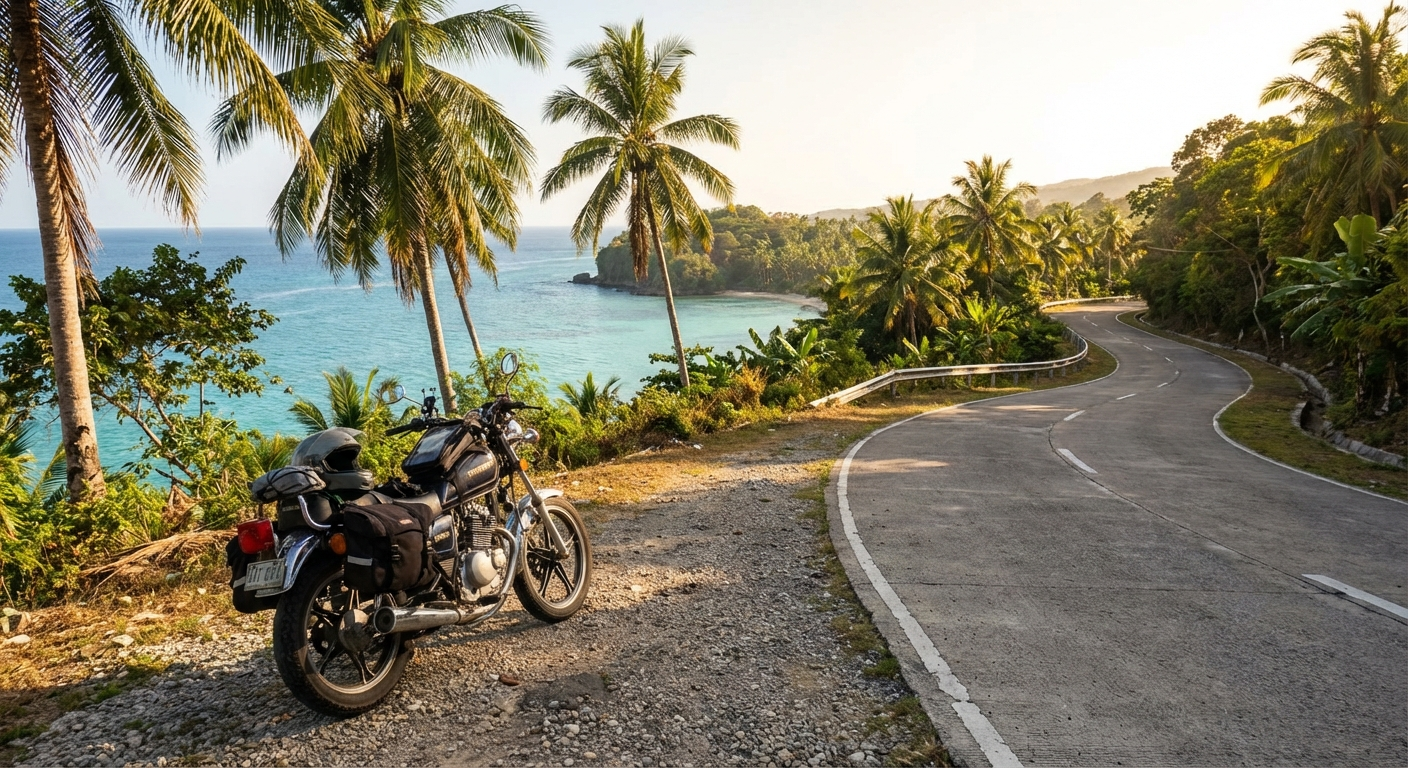
Siquijor Motorcycle Rental Guide: Tips, Prices & Safety for 2026
Everything you need to know about renting a motorcycle in Siquijor - rental prices, where to rent, driving tips, road conditions, fuel stations, and essential safety advice for exploring the island on two wheels.
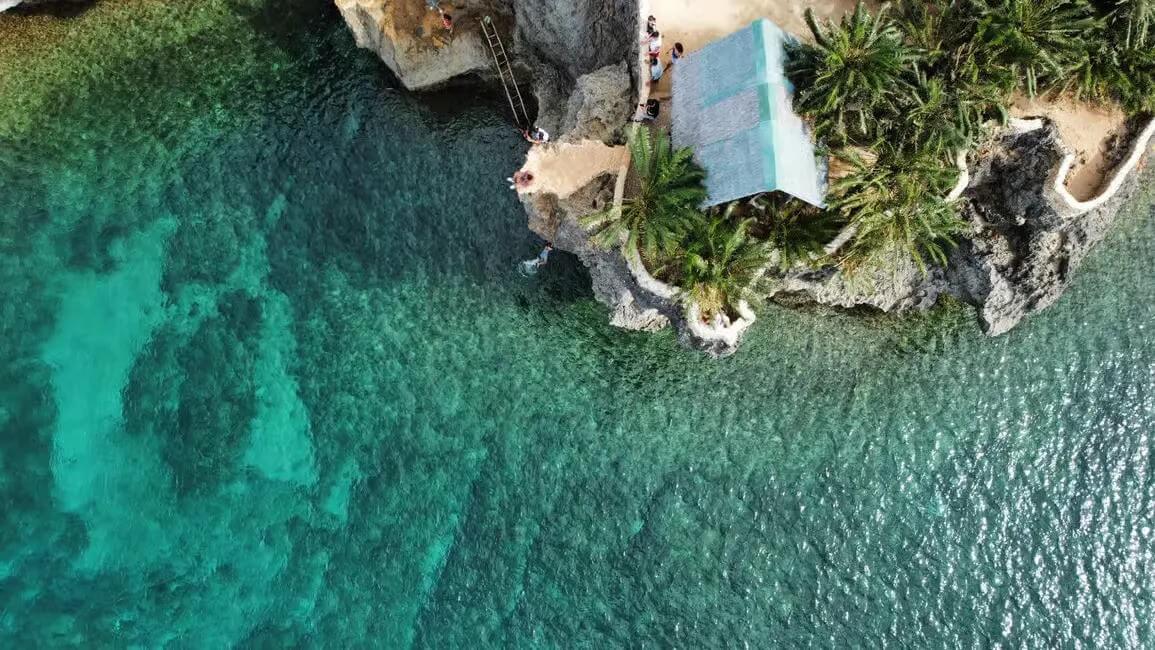
Getting Around Siquijor: Local Transportation Guide
Everything you need to know about transportation within Siquijor Island - scooter rentals, tricycles, habal-habal, and tips for exploring independently.
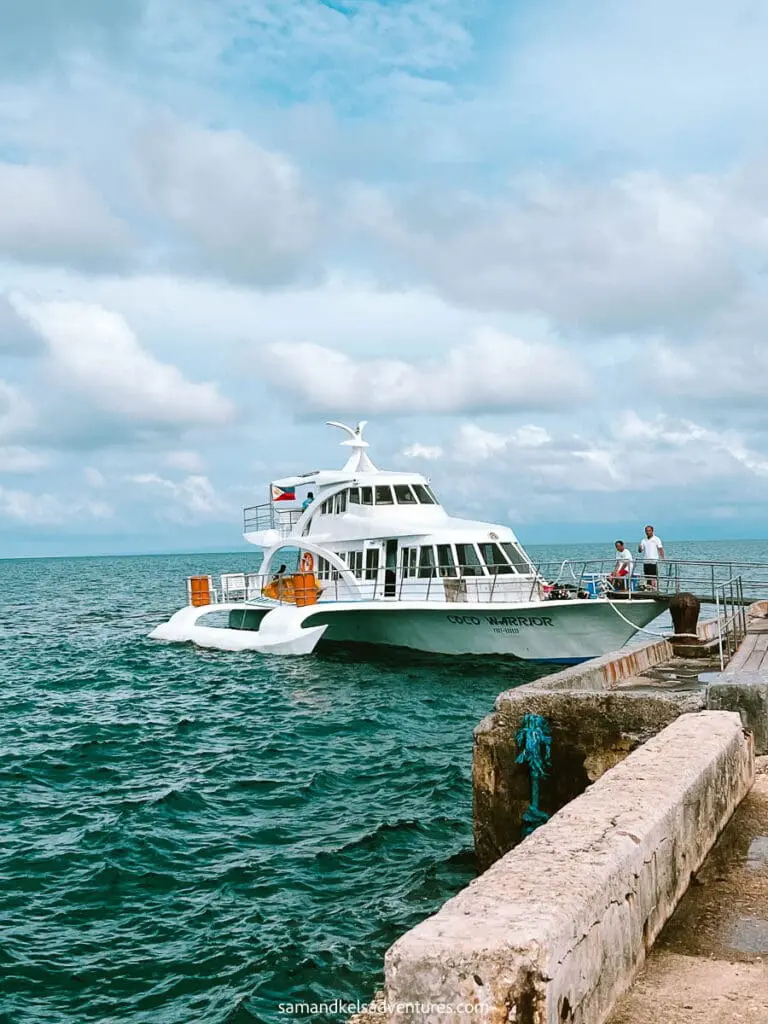
How to Get to Siquijor: Complete Transportation Guide
Everything you need to know about reaching Siquijor Island - ferry schedules from Dumaguete, Cebu, and Bohol, flight options, and booking tips.