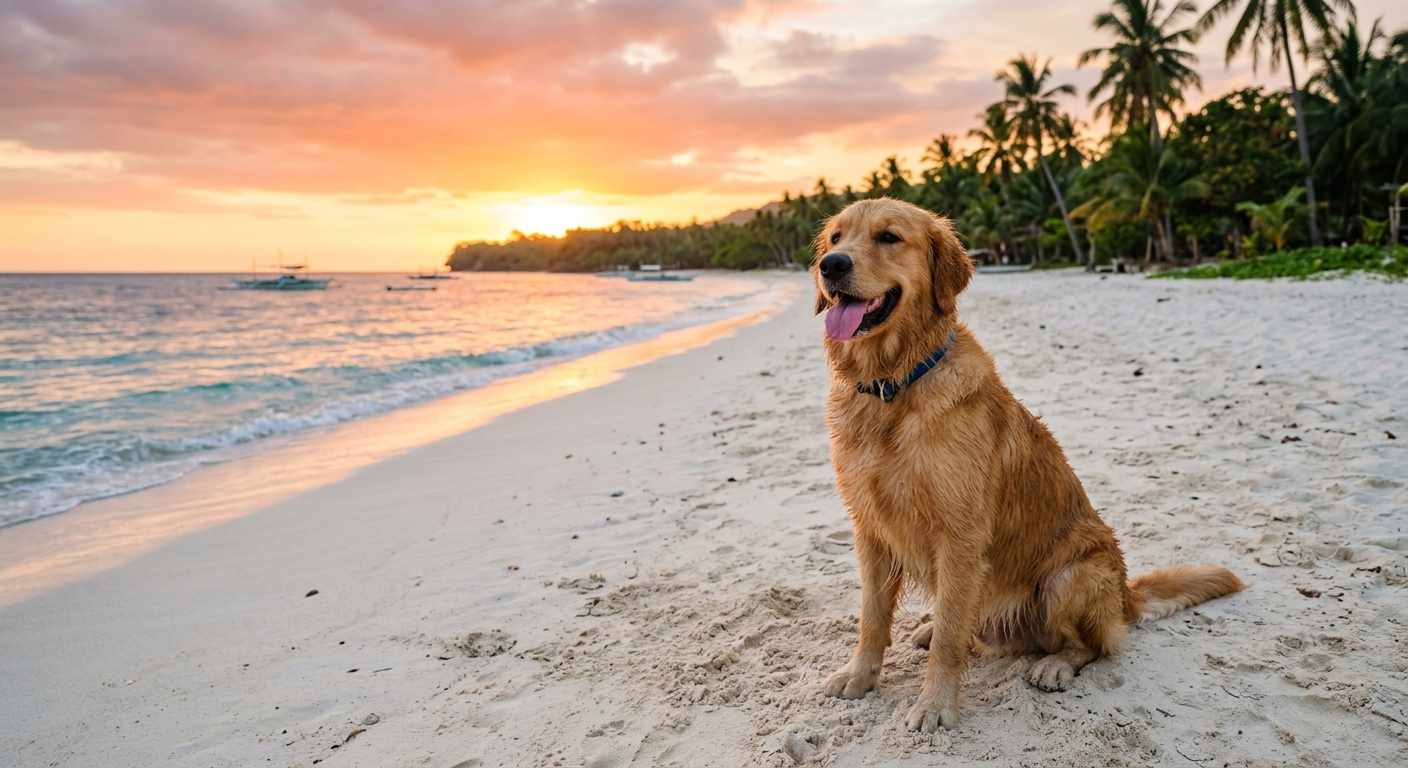
Siquijor Pet-Friendly Travel Guide: Bringing Your Dog to the Island
Everything you need to know about traveling to Siquijor with your pet. Covers ferry rules, pet-friendly accommodations, veterinary services, beaches, and practical tips for dog owners visiting the island.
Traveling to Siquijor with Your Pet
A growing number of Filipino travelers and long-stay visitors are choosing to bring their dogs along when they visit Siquijor. The island’s relaxed pace, outdoor lifestyle, and relatively low traffic make it a more practical pet destination than many Philippine islands. But traveling to a small island with an animal requires planning that goes well beyond booking a ferry ticket.
This guide covers the full picture: getting your pet to Siquijor by sea, finding accommodation that accepts animals, navigating the island’s beaches and trails with a dog, accessing veterinary care, and understanding the local culture around pets and stray animals. Whether you are relocating with your pet for a months-long stay or simply want your dog along for a two-week holiday, this is what you need to know.
Getting Your Pet to Siquijor
Ferry Policies for Pets
Siquijor is accessed primarily by ferry from Dumaguete (Negros Oriental) or Tagbilaran and Larena from Bohol. The three main ferry operators serving the island each have different policies regarding animals.
Oceanjet runs fast craft services between Dumaguete and Siquijor. As of 2026, Oceanjet permits small pets in carriers that fit under the passenger seat. The carrier must be fully enclosed and leak-proof. Dogs that are too large for under-seat carriers are generally not accommodated on Oceanjet fast craft. There is a nominal pet fee, typically between 100 and 200 PHP depending on the route.
Montenegro Lines operates RORO (roll-on, roll-off) ferries between Dumaguete and Siquijor. These larger vessels are more accommodating for pets, including medium and large dogs. Pets are required to remain leashed or in a carrier on the open deck areas. RORO ferries are generally the best option for traveling with larger dogs, though the crossing takes longer (approximately 1.5 to 2 hours compared to Oceanjet’s 45 minutes to 1 hour).
Maayo Shipping and other smaller operators have varying policies. Always call ahead to confirm that your pet will be allowed on board before purchasing tickets.
Documentation Requirements
The Bureau of Animal Industry (BAI) technically requires a veterinary health certificate for inter-island pet transport within the Philippines. In practice, enforcement on domestic ferry routes is inconsistent, but having the following documents is strongly recommended:
- A veterinary health certificate issued within 10 days of travel
- Proof of current rabies vaccination
- A pet registration certificate if your LGU requires one
Having these documents prevents potential issues at port security checkpoints and demonstrates responsible ownership. If you are traveling from Manila or another major city, obtain the health certificate from your regular veterinarian before heading to the Visayas.
Practical Tips for the Crossing
The ferry ride to Siquijor can be rough during the monsoon seasons. Dogs that are not accustomed to boat travel may experience stress or motion sickness. Consider the following preparations:
Feed your dog lightly at least three hours before boarding. Bring water and a portable bowl. For anxious dogs, a familiar blanket or toy in their carrier can help. Avoid sedating your pet for ferry travel unless specifically directed by your veterinarian, as sedation can impair a dog’s ability to regulate body temperature and balance.
On RORO ferries, the open deck areas where pets must stay can be hot and exposed during midday crossings. Choose early morning or late afternoon ferry schedules when possible.
Pet-Friendly Accommodation
Finding accommodation that welcomes pets on Siquijor requires advance research and direct communication with property owners. The island’s hospitality sector is dominated by small guesthouses, homestays, and independent resorts, many of which are flexible about pets even if they do not formally advertise as pet-friendly.
Where to Look
San Juan has the highest concentration of tourist accommodation and the best odds of finding pet-friendly options. Several beach-facing guesthouses and villas with private compounds accept dogs, particularly those catering to long-stay guests and digital nomads.
Siquijor Town near the port has more local-style accommodations. Some pension houses and budget lodgings are amenable to pets, especially if the dog is well-behaved and you are willing to pay a small deposit for potential damage.
Maria and Lazi on the eastern and southern coasts have fewer accommodation options overall, but the guesthouses and homestays in these quieter areas are often more flexible about pet policies. Owners in less touristy areas tend to have a more relaxed attitude toward animals.
Booking Strategy
Do not rely on booking platform filters for pet-friendly accommodation on Siquijor. Most small island properties do not have their pet policies reflected in OTA (online travel agency) listings. Instead, identify properties you like, then contact them directly via Facebook Messenger or WhatsApp. Explain your pet’s size, breed, and temperament. Offer to pay a pet deposit or cleaning fee upfront. Many owners who would reflexively check “no pets” on a booking form will accommodate a specific, well-described dog.
Airbnb listings on Siquijor are more likely to have explicit pet policies than Booking.com or Agoda listings. Filter for pet-friendly options on Airbnb as a starting point, but still confirm directly with the host.
What to Expect
Even pet-friendly accommodation on Siquijor will typically expect the following:
- Your dog does not sleep on the bed or furniture (bring a travel bed or mat)
- You clean up after your pet immediately, both on the property and on the beach
- Your dog does not bark excessively, particularly at night
- You keep your dog leashed or supervised in common areas
- You accept financial responsibility for any damage
Properties with private gardens, fenced compounds, or detached bungalows are ideal for dogs because they provide some contained outdoor space. Avoid dormitory-style or shared-room accommodation if traveling with a pet.
Beaches and Outdoor Spaces with Dogs
Beach Access
Siquijor does not have formal beach regulations regarding dogs in most areas. The island’s beaches range from managed tourism sites (like Salagdoong Beach, which charges an entrance fee) to wild, unmanaged stretches of coast where nobody will question your dog’s presence.
Generally dog-friendly beaches:
Paliton Beach is accessible and usually relaxed about dogs, particularly during early morning and late afternoon hours when the beach is less crowded. The long stretch of sand provides good walking space. Keep your dog leashed near other beachgoers and pick up waste immediately.
The smaller beaches along the coast between San Juan and Larena are often empty or nearly so, making them ideal for dogs. Solangon Beach, Kagusuan Beach, and the unnamed coves accessed by local trails tend to be the most relaxed environments for pets.
Beaches where caution is advised:
Salagdoong Beach is a managed provincial government site with entrance fees and designated swimming areas. While there is no explicit dog ban, the crowded swimming areas and cliff-jumping zones are not practical or safe for dogs. If you bring your pet, stay in the less crowded areas away from the main swimming zone.
Cambugahay Falls is not suitable for dogs. The steep staircase access, crowded pool areas, and rope swings create a stressful and potentially dangerous environment for animals.
Trails and Hiking
Siquijor’s interior trails, particularly around Mount Bandilaan and the Cantabon Cave area, are generally accessible with dogs. The trails are not heavily trafficked, and the forest environment provides shade and natural water sources.
Keep your dog leashed on trails where you might encounter other hikers or wildlife. Siquijor’s forests are home to various bird species and small mammals that an off-leash dog might disturb. Carry water for both yourself and your pet, as some trail routes can be steep and warm.
The 72-kilometer coastal ring road is too busy with motorcycle and tricycle traffic for safe dog walking along most stretches. Stick to the quieter barangay roads and interior tracks for longer walks.
The Stray Dog Situation
Siquijor, like most Philippine municipalities, has a visible population of stray and semi-owned dogs. These are generally docile and avoid confrontation, but interactions between your pet and unfamiliar strays carry risks including disease transmission and territorial aggression.
Keep your dog’s rabies vaccination current. Avoid areas where stray packs congregate, typically near markets, port areas, and barangay centers at night. If a stray dog approaches, calmly redirect your pet and move away. Do not feed stray dogs in the presence of your own pet, as this can trigger resource guarding behavior.
Veterinary Services on Siquijor
Veterinary resources on Siquijor are limited compared to Dumaguete or larger cities. Understanding what is available before you arrive prevents emergencies from becoming crises.
On-Island Veterinary Care
The Municipal Agriculture Office in each of Siquijor’s six municipalities employs agricultural technicians who can provide basic animal health services, including vaccination and parasite treatment. These offices primarily serve livestock and farm animals, but they can assist with basic dog and cat care.
As of 2026, there is no full-service veterinary clinic with surgical capabilities on Siquijor. For emergencies requiring surgery, imaging, or specialized treatment, the nearest comprehensive veterinary facilities are in Dumaguete, a ferry ride away.
Preparing for the Trip
Before traveling to Siquijor with your pet, ensure the following are current:
- Rabies vaccination (required by Philippine law, critical on an island with stray animals)
- Distemper, parvovirus, and hepatitis vaccinations
- Flea and tick preventive treatment (tropical islands have year-round tick activity)
- Heartworm preventive medication
- A basic first-aid kit for your pet including wound cleaner, bandaging materials, and any prescribed medications
Carry a sufficient supply of your dog’s regular food. Siquijor’s sari-sari stores and small supermarkets stock basic dry dog food, but specialty or prescription diets are not available on the island.
Emergency Planning
Know the ferry schedule to Dumaguete before you need it urgently. In a veterinary emergency, your fastest option is to get your pet on the next available ferry to Dumaguete, where several veterinary clinics operate during regular business hours.
Save the contact numbers for Dumaguete veterinary clinics in your phone before arriving on Siquijor. Having a plan eliminates the panic of searching for information during a crisis.
Island Life with a Pet
Climate Considerations
Siquijor’s tropical climate presents specific challenges for pets. Daytime temperatures during the dry season (February through May) routinely reach 32 to 35 degrees Celsius with high humidity. Dogs, particularly brachycephalic breeds (flat-faced dogs like bulldogs, pugs, and shih tzus), are at elevated risk of heatstroke.
Limit outdoor activity with your dog to early morning (before 8 AM) and late afternoon (after 4 PM) during the hottest months. Ensure constant access to fresh water and shade. Watch for signs of heat stress including excessive panting, drooling, lethargy, and bright red gums.
The rainy season (June through October) brings relief from the heat but introduces other concerns. Wet conditions increase the risk of skin infections and fungal issues, particularly for dogs with thick coats. Dry your dog thoroughly after rain exposure and check for ticks daily during the wet months.
Transportation Around the Island
Getting around Siquijor with a dog requires some creativity. Tricycles, the island’s main public transport, will sometimes accommodate a small dog in a carrier, but this depends entirely on the individual driver. Negotiate before boarding and expect to pay a small additional fare.
For medium and large dogs, renting a scooter with a pet carrier basket or sidecar arrangement is more practical. Some visitors rent a multicab (small truck) for day trips with their pets. If you are staying long-term, having your own transportation is nearly essential for pet-owning visitors.
Feeding Your Dog on the Island
Basic dry dog food brands (Pedigree, Special Dog) are available at larger sari-sari stores and in the public markets of Siquijor Town and Larena. Supply can be inconsistent, so buy in bulk when you find your preferred brand rather than assuming it will be available every week.
Fresh protein for supplemental feeding is easy to source. The fish vendors at any municipal market sell affordable fresh catch daily, and chicken is widely available. Many long-stay pet owners on Siquijor supplement commercial dog food with locally sourced protein, cooked rice, and vegetables.
Avoid feeding your dog raw fish from the market, as tropical fish may carry parasites that are harmful to dogs. Cook all fresh protein thoroughly.
Cultural Sensitivity
Filipinos have a complex relationship with dogs. Many Siquijodnon families keep dogs as both pets and informal security animals, but the standard of pet care varies widely. What a visiting pet owner considers normal, such as indoor dogs, regular veterinary checkups, and commercial food, may seem unusual to local residents.
Be a gracious guest. Do not lecture local residents about animal care practices. Keep your own pet well-managed and clean up after them consistently. When your well-cared-for pet is visible in the community, it normalizes responsible pet ownership without requiring words.
Some cultural events, particularly during fiestas and festivals, involve firecrackers and loud celebrations that can terrify dogs. Check the local calendar for upcoming festivals and plan accordingly. Have a secure, quiet space for your dog during celebrations, and consider a calming vest or familiar comfort items.
Leaving Siquijor with Your Pet
When departing the island, the same ferry logistics apply in reverse. Book your return ferry in advance during peak season (April, Holy Week, Christmas) when services fill up quickly. Arrive at the port early to manage the boarding process calmly with your pet.
If you adopted a stray or rescue dog during your time on Siquijor, the documentation requirements for inter-island transport apply. Obtain a health certificate from the nearest agricultural office or veterinarian before your departure date.
Is Siquijor a Good Destination for Pet Owners?
For the right kind of traveler, bringing a dog to Siquijor enhances the experience considerably. The island’s quiet pace, abundant outdoor space, and welcoming local culture make it more practical than most Philippine island destinations for pet travel. The key limitations are the lack of on-island veterinary surgery, the ferry logistics for larger dogs, and the heat during peak dry season.
If your dog is healthy, heat-tolerant, comfortable around other animals, and good on a leash, Siquijor can be an excellent destination to share. Plan carefully, communicate with accommodation providers in advance, and bring everything your pet needs for the duration of your stay. The reward is experiencing one of the Philippines’ most beautiful islands alongside your best travel companion.
Related Travel Guides

Siquijor SIM Card and Mobile Internet Guide: Staying Connected in 2026
Complete guide to getting mobile internet on Siquijor Island. Covers SIM card options, network coverage maps, data plans, WiFi hotspots, and tips for staying connected while exploring the mystic island.
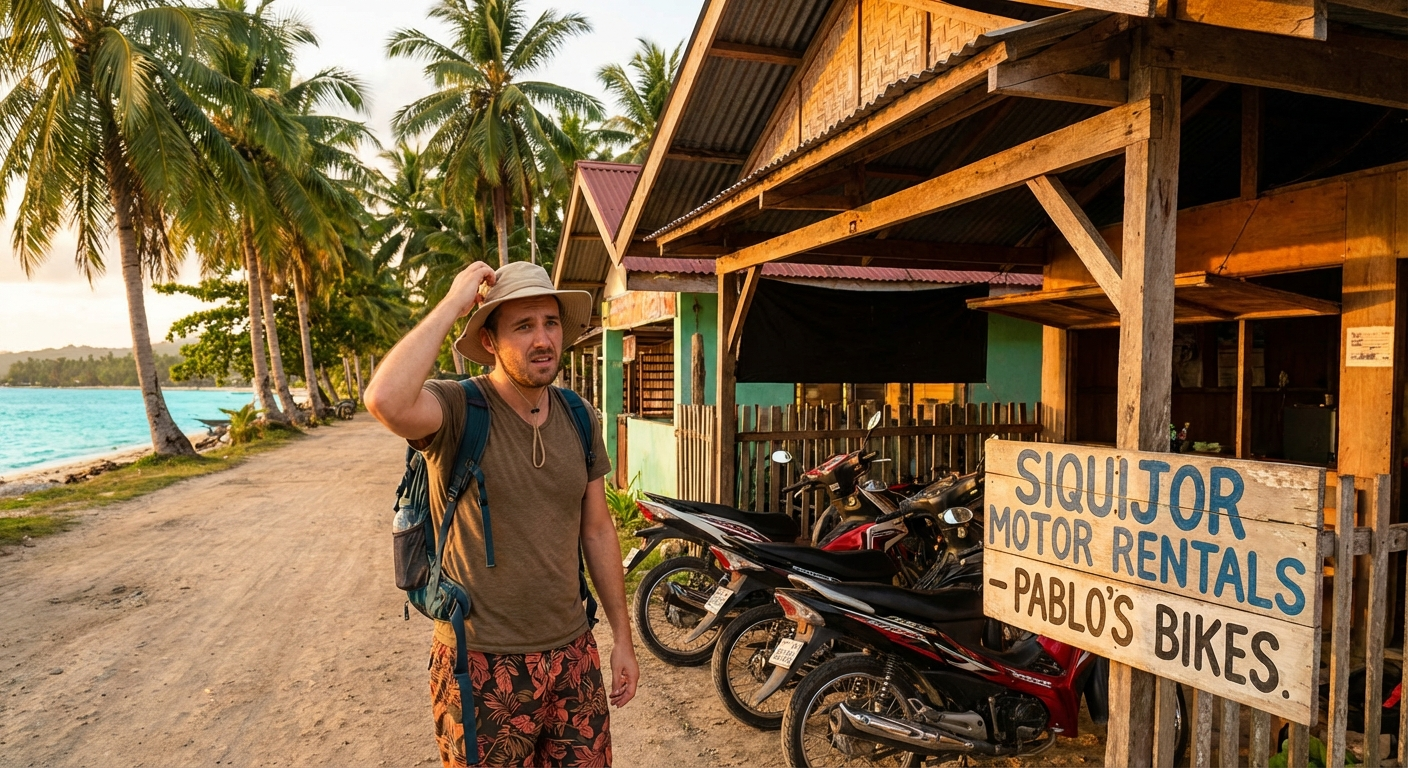
First-Timer Mistakes in Siquijor: 15 Things to Avoid on Your Trip
Avoid the most common tourist mistakes in Siquijor. From ferry booking blunders to sunscreen sins, this guide helps first-time visitors plan a smoother island experience.
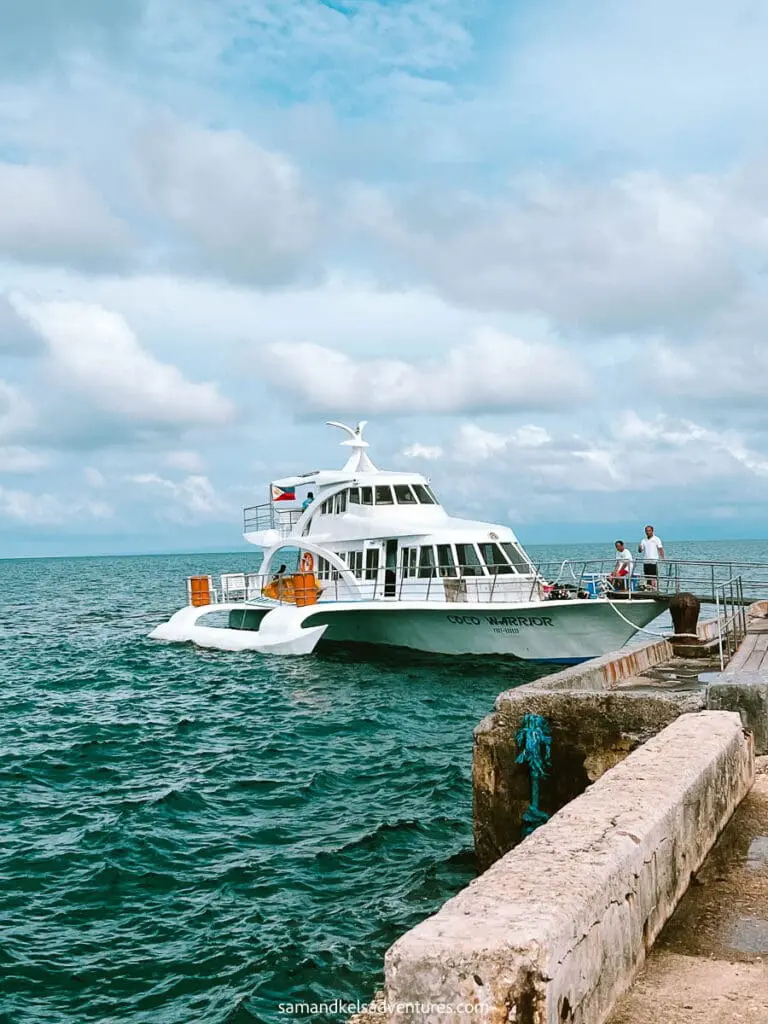
How to Get to Siquijor: Complete Transportation Guide
Everything you need to know about reaching Siquijor Island - ferry schedules from Dumaguete, Cebu, and Bohol, flight options, and booking tips.