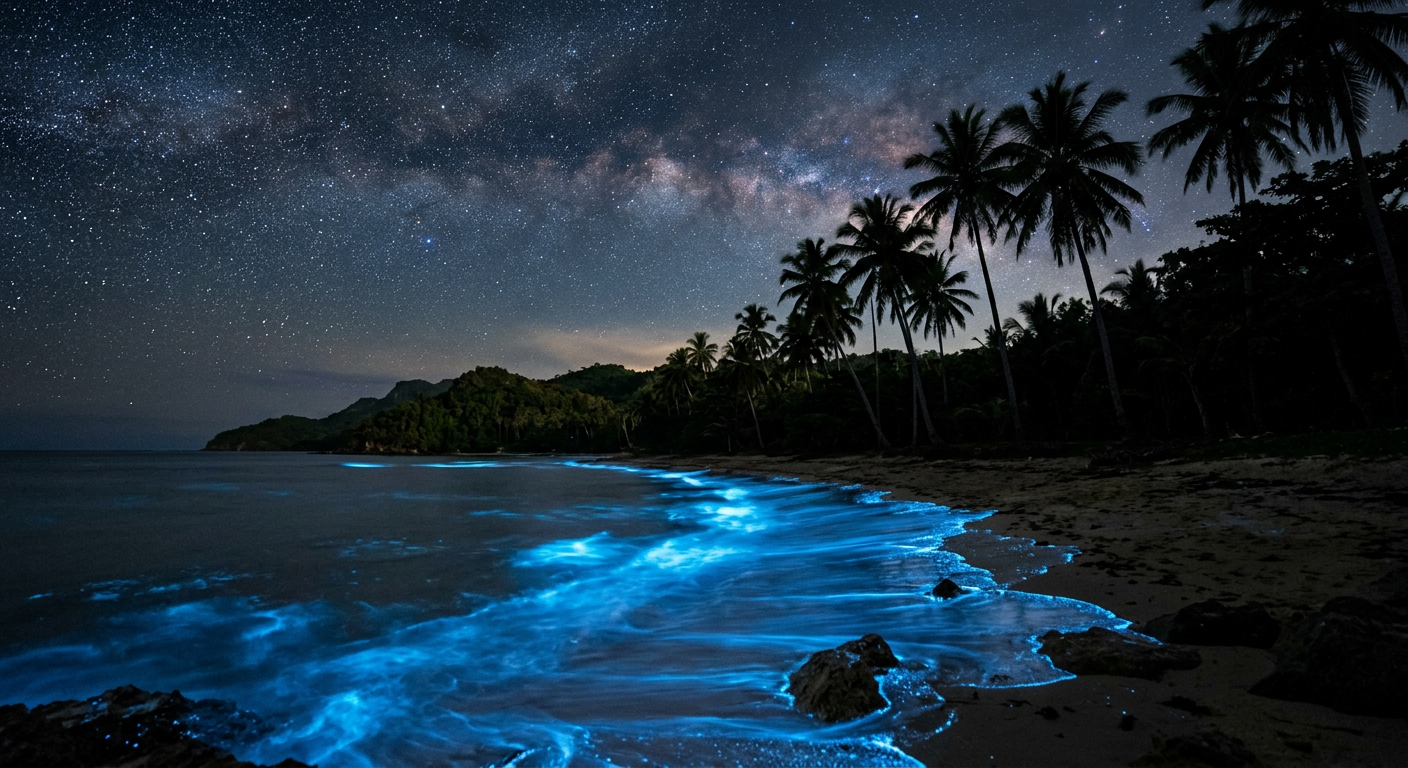
Siquijor Night Swimming Guide: Bioluminescent Waters and After-Dark Ocean Adventures
Discover the best spots for night swimming in Siquijor Island, from bioluminescent plankton encounters to moonlit beach sessions. Safety tips, timing advice, and local knowledge for after-dark ocean adventures.
Why Night Swimming in Siquijor Is Different
Most travelers experience Siquijor’s waters during daylight hours, when the turquoise shallows and coral reefs are at their most photogenic. But the island reveals an entirely different personality after sunset. The warm tropical waters that lap against Siquijor’s shores carry a secret that only becomes visible in darkness: bioluminescent plankton that transforms the ocean into a field of living light.
Night swimming in Siquijor is not a manufactured tourist attraction. There are no ticketed bioluminescent bays or guided group tours with neon bracelets. Instead, the phenomenon occurs naturally and somewhat unpredictably along certain stretches of coastline, particularly during the warmer months and around the new moon when the sky is at its darkest. Finding it requires local knowledge, good timing, and a willingness to step into black water with nothing but starlight overhead.
This guide covers everything you need to know about experiencing Siquijor’s waters after dark, from the science behind bioluminescence to the best beaches for moonlit swimming and the practical safety considerations that make night swimming here both thrilling and safe.
Understanding Bioluminescence in Siquijor’s Waters
The blue-green glow that appears when you disturb the water at night comes from dinoflagellates, single-celled organisms that produce light through a chemical reaction when agitated by movement. The most common species responsible for bioluminescence in Philippine waters is Noctiluca scintillans, though several other species contribute to the effect.
The phenomenon is not unique to Siquijor, but the island’s relatively undeveloped coastline, minimal light pollution, and healthy marine ecosystems create conditions where bioluminescence is more visible and more frequent than in heavily developed beach destinations. The absence of beachfront floodlights and the limited number of waterfront establishments mean that genuinely dark conditions exist along significant stretches of the shoreline.
Several factors influence when and where bioluminescence appears. Water temperature plays a role, with warmer waters generally supporting higher concentrations of dinoflagellates. Nutrient levels in the water affect plankton populations. Tidal patterns determine where organisms concentrate. And the phase of the moon is perhaps the most critical variable: bioluminescence is most visible during the new moon or crescent moon phases, when ambient light is minimal.
The effect is strongest in calm, shallow water where plankton can accumulate. Sheltered coves, shallow reef flats, and areas where currents slow down tend to produce the most dramatic displays. When conditions are right, every movement through the water creates trails and bursts of ethereal blue light. Running your hands through the water produces sparkling streaks. Kicking your feet sends cascades of glowing droplets into the air. It is one of those natural phenomena that no photograph can adequately capture because the magic lies in the motion, the surprise, and the immersive sensation of being surrounded by living light.
Best Spots for Night Swimming
Paliton Beach
Paliton Beach, on the western coast of Siquijor near the San Juan-Lazi boundary, is widely considered one of the best locations for bioluminescent encounters. The beach faces west, which means it catches the last of the sunset light before plunging into genuine darkness. The shallow, sandy bottom extends well offshore, creating a safe wading area even at night. The relatively remote location means minimal artificial light interference.
Local residents report that bioluminescence at Paliton is most consistent from March through June, coinciding with the warmest water temperatures and the peak of the dry season. The phenomenon tends to be strongest during the first hour after complete darkness, roughly between 7:30 PM and 9:00 PM. After that, natural tidal movements can disperse the plankton concentrations.
The beach has no permanent lighting infrastructure, so you will be swimming in genuine darkness. Bring a waterproof headlamp that you can switch off once you are in the water. Your eyes need at least ten minutes to fully adjust to the dark before the bioluminescence becomes clearly visible.
Kagusuan Beach
Kagusuan Beach, tucked into a small cove on the northeastern coast near Maria, offers a more intimate setting for night swimming. The beach is small and sheltered, which means waves are minimal and the water remains calm even when wind picks up on the exposed western coast. The coral reef close to shore creates a natural barrier that traps warm water in the shallows, potentially concentrating bioluminescent organisms.
Access to Kagusuan requires a short walk down a steep path, which becomes more challenging in the dark. Visiting during late afternoon and staying through sunset is the most practical approach. The cove’s enclosed nature means that artificial light from the nearest barangay does not reach the waterline, creating ideal dark conditions.
Tubod Beach and Marine Sanctuary Area
The stretch of coastline near Tubod Marine Sanctuary in San Juan offers accessible night swimming with the added possibility of encountering nocturnal marine life. The sanctuary’s healthy reef ecosystem supports diverse plankton populations, and the protected status of the area means that water quality remains high.
Night swimming here should stay outside the sanctuary boundaries, which are marked by buoys. The sandy areas adjacent to the sanctuary provide safe swimming conditions with relatively shallow water. Several beachfront accommodations along this stretch offer direct water access, making it easy to step into the ocean for a late-night swim without navigating unfamiliar terrain.
Solangon Beach
Solangon Beach in San Juan is the most convenient option for travelers staying in the island’s main tourist area. While it has more ambient light than remote locations like Paliton, the sections away from beachfront restaurants and bars can still produce visible bioluminescence on dark nights. The advantage of Solangon is accessibility and safety: the beach is well-known, the bottom is sandy, and other people are usually nearby.
For the best bioluminescent experience at Solangon, walk away from the lit areas of the beach bars and find a quiet section where your eyes can properly adjust. New moon nights during the dry season offer the strongest displays.
Salagdoong Beach
Salagdoong Beach on the southeastern coast is famous for its cliff jumping during the day, but the calm waters of its sheltered cove also make it suitable for night swimming under the right conditions. The beach is within a managed resort area that closes to day visitors in the evening, but overnight guests at the Salagdoong Beach Resort can access the water after dark.
The deeper water near the cliffs and the presence of a healthy reef system create conditions where bioluminescence can be particularly vivid. The cove’s orientation shields it from prevailing winds, keeping the surface calm and making the light effect more visible.
Timing Your Night Swim
Moon Phase
The single most important factor for bioluminescent visibility is the moon phase. Plan your night swimming sessions during the following periods:
The new moon offers the darkest skies and the best conditions for seeing bioluminescence. The three to four days before and after the new moon are also excellent, as the crescent moon provides minimal light and sets early in the evening.
The full moon creates beautiful conditions for moonlit swimming but significantly reduces bioluminescent visibility. If you are visiting during a full moon, enjoy the silvery ocean surface and the dramatic shadows, but do not expect to see much plankton glow.
Season
March through June represents the optimal window for bioluminescent night swimming in Siquijor. Water temperatures are at their highest, plankton blooms are most common, and the dry season means clear skies without cloud cover blocking starlight. March and April are particularly good because the combination of warm water and calm seas creates ideal conditions.
The wet season from July through November can still produce bioluminescence, but cloud cover reduces the contrast between the glow and the ambient light, and rougher seas make night swimming less comfortable and less safe.
Time of Night
Enter the water at least 30 minutes after sunset to allow your eyes to fully adapt to the dark. The period between 7:30 PM and 10:00 PM typically offers the best combination of plankton concentration and comfortable water temperature. Later in the night, offshore breezes can create chop that disperses plankton and makes swimming less pleasant.
Safety Considerations
Night swimming carries inherent risks that daylight swimming does not, and respecting these risks is essential for a safe experience.
Know the Beach Before Dark
Never attempt night swimming at a beach you have not visited during the day. Walk the area in daylight, note the bottom composition, identify any rocks or coral heads, check the depth gradient, and observe current patterns. This reconnaissance makes the difference between a magical experience and a dangerous one.
Swim with a Buddy
This is non-negotiable for night swimming. Having at least one other person in the water or on the shore ensures that help is available if you encounter problems. Even experienced swimmers can become disoriented in dark water.
Stay in Shallow Water
Limit your night swimming to waist-deep or chest-deep water unless you are a strong, experienced open-water swimmer. The bioluminescence is actually most visible in shallow water where your movements disturb the sandy bottom and concentrate the plankton effect. Going deep adds risk without improving the experience.
Bring the Right Gear
A waterproof headlamp with a red-light mode is ideal. Red light preserves your night vision better than white light while still allowing you to see where you are stepping. Keep the headlamp around your neck or wrist so it is always accessible. Reef shoes or water sandals protect your feet from unseen rocks and sea urchin spines.
Watch for Marine Life
Siquijor’s waters are home to sea urchins, which are nearly invisible at night and can deliver painful spine punctures if stepped on. Jellyfish are occasionally present, particularly during the wet season transition months. Stonefish, while rare, exist in Philippine waters and are essentially invisible on the seafloor. Wearing reef shoes and shuffling your feet rather than stepping normally reduces the risk of stepping on something unpleasant.
Avoid Alcohol
The temptation to combine a few beers at a beach bar with a spontaneous night swim is understandable but genuinely dangerous. Alcohol impairs judgment, coordination, and your ability to respond to changing conditions in dark water. Save the drinking for after you are dry and back on land.
Respect the Tides
Check tidal schedules before your swim. An incoming tide in the dark can change the beach profile significantly, covering exit points and creating currents where none existed an hour earlier. Apps like Tides Near Me provide accurate tidal information for Siquijor.
Moonlit Swimming: The Full Moon Alternative
If your visit does not coincide with a new moon, full-moon night swimming offers its own distinct appeal. The moon illuminates the water surface with silver light, creates dramatic shadows from coastal trees, and provides enough ambient light to see the seafloor in shallow areas.
Full-moon nights on Siquijor carry a special cultural significance. The island’s traditional healers, the mananambal, consider full moons to be periods of heightened spiritual energy. While you may not subscribe to these beliefs, there is an undeniable atmosphere to swimming in warm tropical water under a massive moon on an island known for its mysticism and healing traditions.
Paliton Beach and Solangon Beach are particularly beautiful during the full moon because their west-facing orientation means the moonrise comes from behind, casting long shadows across the sand while illuminating the water.
Combining Night Swimming with Other Activities
Sunset to Stars Progression
The most satisfying way to experience night swimming is as part of a sunset-to-stars progression. Arrive at your chosen beach in late afternoon, swim and explore during the golden hour, watch the sunset paint the sky, then stay as darkness falls and the stars appear. The transition from warm afternoon light through fiery sunset into deep blue twilight and finally star-studded darkness is one of the most profound natural experiences available on Siquijor.
Night Snorkeling
Adventurous swimmers can combine night swimming with basic snorkeling to observe nocturnal marine life. A waterproof flashlight reveals a reef that looks completely different from its daytime appearance. Parrotfish sleep in mucus cocoons attached to coral. Octopuses emerge from their dens to hunt. Crabs and shrimp appear in numbers that are invisible during the day. Night snorkeling should only be attempted by experienced snorkelers who know the reef area well from daytime visits.
Beach Bonfire Sessions
Some beach accommodations on Siquijor arrange small bonfire setups for guests, which pair naturally with night swimming. The warmth of the fire between swims is welcome even in tropical temperatures, and the contrast between the fire’s orange glow and the ocean’s blue bioluminescence creates a memorable sensory experience.
What to Bring
A packing list for night swimming in Siquijor should include a waterproof headlamp with red-light mode, reef shoes or sturdy water sandals, a quick-dry towel, a dry bag for your phone and valuables, insect repellent for the beach (mosquitoes are active at dusk), a light layer for warmth after swimming since the breeze off the water can feel cool once you are wet, and a waterproof flashlight if you plan to snorkel.
Leave jewelry, expensive watches, and anything you cannot afford to lose at your accommodation. Dark water and sandy bottoms are unforgiving when it comes to dropped items.
Responsible Night Swimming
Siquijor’s marine ecosystems are the foundation of the island’s tourism economy and the livelihood of its fishing communities. Night swimmers should follow the same principles that apply during the day: do not touch or stand on coral, do not chase or harass marine life, do not leave any trash on the beach, and use reef-safe sunscreen if you have applied any earlier in the day.
The bioluminescent plankton are living organisms that play an important role in marine food chains. Enjoying their light display is a privilege. Avoid using chemical glow sticks or artificial lighting in the water that could disorient marine life. The whole point is to let the natural light show speak for itself.
The provincial government’s new Tourism Ecological Fee, implemented in February 2026, directs funds toward marine conservation and environmental protection. Your contribution through this fee directly supports the healthy ecosystems that make experiences like bioluminescent night swimming possible.
Making It Happen
Night swimming in Siquijor is not something you can book through a tour operator or find on a menu of scheduled activities. It is a self-directed experience that rewards preparation, local knowledge, and the willingness to embrace a little uncertainty. Not every night produces bioluminescence. Not every beach glows on command. The ocean operates on its own schedule, and part of the beauty of this experience is submitting to that unpredictability.
Talk to your accommodation hosts about the best local spots and recent conditions. Check the moon phase calendar before your trip. Choose a beach you have scouted during the day. Bring a friend, a headlamp, and reef shoes. Walk into the warm dark water, switch off your light, wait for your eyes to adjust, and then move your hands through the surface.
If the plankton are there, you will know immediately. The water will light up around your fingers like liquid electricity, and you will understand why people talk about Siquijor as a place where magic is real.
Related Travel Guides
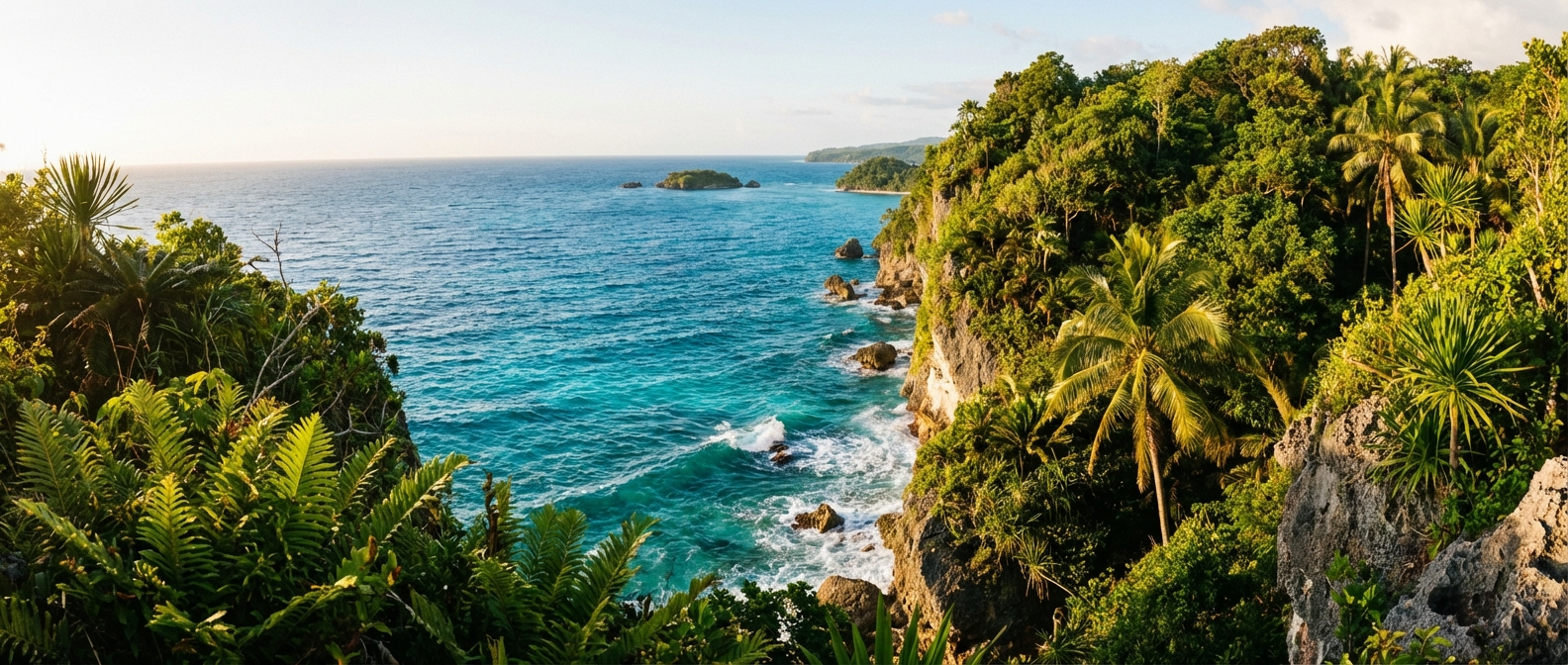
Siquijor's Best Cliff Viewpoints and Coastal Lookouts: A Complete Guide
Find the most stunning cliff viewpoints and coastal lookouts across Siquijor Island. From towering limestone bluffs to hidden hillside vantage points, this guide covers every major viewpoint with directions and visiting tips.
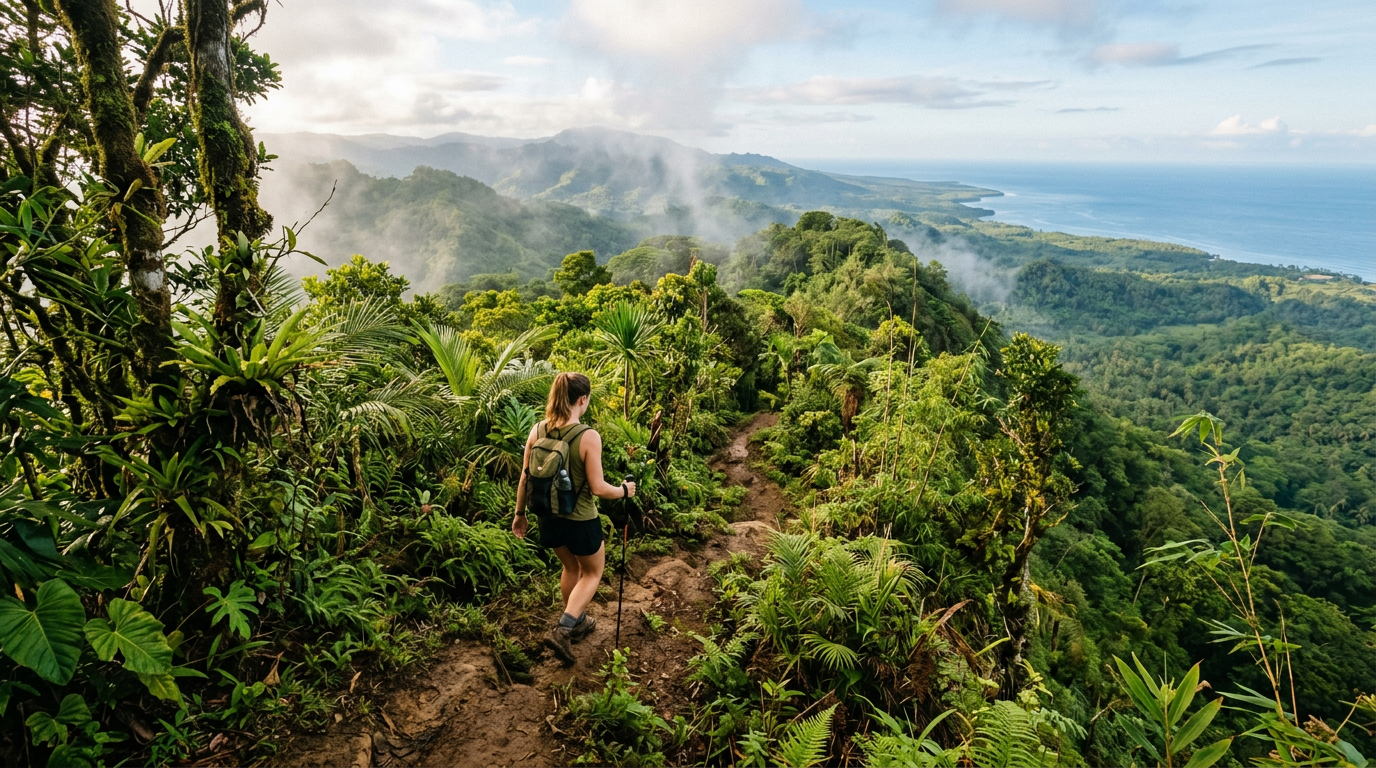
Beyond the Ring Road: Hiking Siquijor's Interior Highlands and Forest Trails
Escape the coast and explore Siquijor's lush interior highlands on foot. A complete guide to inland hiking trails, jungle paths, and elevated viewpoints across the island's mountainous interior.
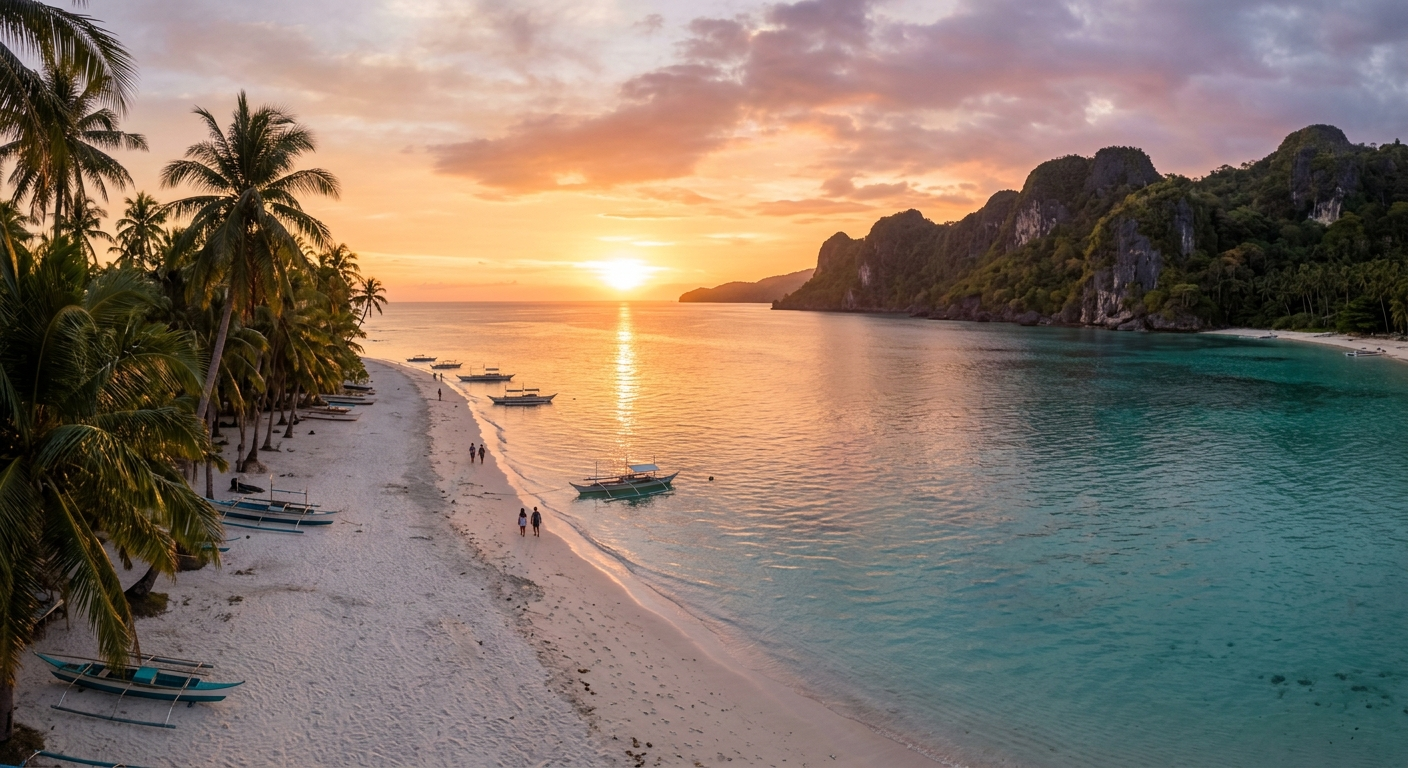
Siquijor's Northern Coast: Complete Guide to Paliton Beach and the Forgotten Shore
Discover the quiet northern coast of Siquijor Island beyond the tourist trail. A complete guide to Paliton Beach, whale watching, and the fishing villages from Larena to Enrique.