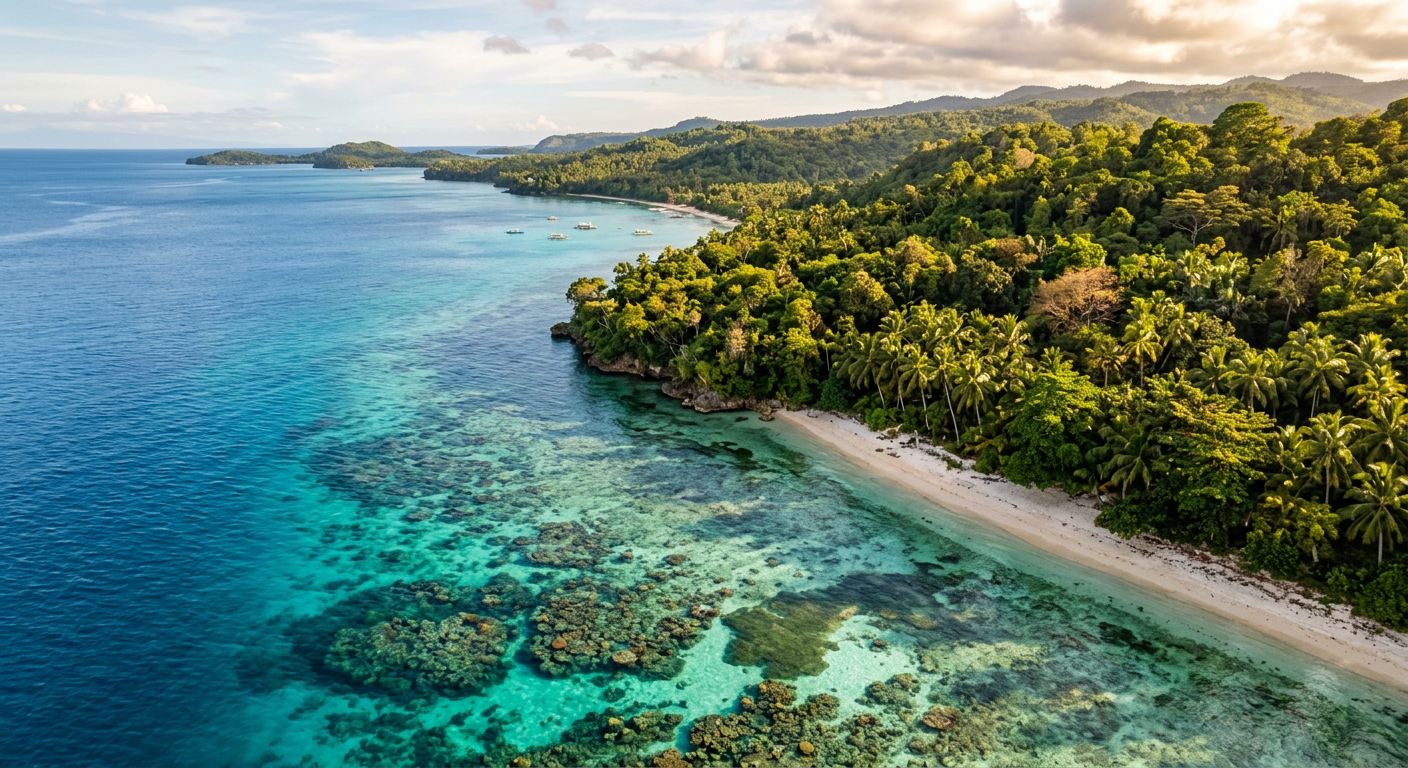
Siquijor Tourism Ecological Fee 2026: Everything Visitors Need to Know
Complete guide to Siquijor's new Tourism Ecological Fee effective February 2026. Learn how much to pay, where to pay, exemptions, what the fee funds, and how it affects your trip planning.
Starting February 1, 2026, the provincial government of Siquijor began collecting a Tourism Ecological Fee from all visitors to the island. This fee represents a significant step in the province’s commitment to sustainable tourism and environmental protection. Whether you are planning your first visit or returning to the island, understanding how this fee works will help you prepare and appreciate its purpose.
This guide covers everything you need to know about the new fee, from practical payment details to the broader environmental vision driving the policy.
What Is the Tourism Ecological Fee?
The Tourism Ecological Fee is a mandatory charge collected from tourists departing Siquijor Island. Established through a provincial ordinance, the fee is designed to generate revenue specifically earmarked for environmental conservation, infrastructure maintenance, and sustainable tourism development across the island.
The fee applies to both domestic Filipino tourists and foreign visitors, though the amounts differ. It is collected at the point of departure rather than arrival, meaning you pay the fee as you leave the island via the ferry terminals.
The concept is not new in the Philippines. Other popular destinations including Boracay, El Nido, and Coron have implemented similar environmental fees. Siquijor’s version reflects the island’s growing tourism numbers and the provincial government’s recognition that protecting the natural environment requires dedicated funding beyond what general tax revenue can provide.
How Much Is the Fee?
The fee structure distinguishes between domestic and international tourists.
Domestic tourists (Filipino citizens and residents) pay a lower rate, reflecting the national government’s policy of making domestic tourism accessible. Foreign tourists pay a higher rate that accounts for the greater economic capacity of international visitors and aligns with fee structures at comparable Philippine destinations.
The exact amounts were set through Provincial Ordinance and are subject to periodic review. As of the February 2026 implementation, the fee has been set at a level the provincial government considers reasonable for visitors while generating meaningful conservation revenue. Check with your ferry operator or the provincial tourism office for the current specific amounts, as these may be adjusted over time.
Children below a certain age are typically exempt, and special rates may apply for students and senior citizens presenting valid identification.
Where and When Do You Pay?
The fee is collected at the ferry terminals in Siquijor as you depart the island. This means you do not need to worry about payment when you arrive. The system is designed to minimize inconvenience by integrating fee collection into the departure process you already go through when catching your ferry.
Payment counters or booths are set up at the main departure points, including the Siquijor port (Siquijor town) and the Larena port. Staff are available to process payments and issue official receipts.
Plan to arrive at the port with a small buffer of extra time beyond what you would normally allow for your ferry departure. During peak travel periods, the fee collection process may add a few minutes to your departure routine. Having the correct amount in Philippine pesos ready will speed up the process.
Keep your receipt. While you are unlikely to be asked for it after leaving the island, having proof of payment is always good practice when traveling in the Philippines.
Who Is Exempt?
Several categories of individuals are typically exempt from the Tourism Ecological Fee. Residents of Siquijor province are not required to pay, as the fee targets visiting tourists rather than the local population. Government officials traveling to the island on official business may also be exempt with proper documentation.
Returning overseas Filipino workers (OFWs) who are Siquijor residents are treated as local residents and are exempt. Students enrolled in schools within Siquijor province and individuals attending official government functions or conferences hosted by the provincial government may also qualify for exemptions.
If you believe you qualify for an exemption, bring supporting documentation to the payment counter. A valid Siquijor provincial ID, government travel order, or student identification from a Siquijor-based institution should suffice in most cases.
What Does the Fee Fund?
Understanding where your money goes can transform the fee from a minor travel expense into a contribution you feel good about making. The provincial government has outlined several priority areas for ecological fee revenue.
Marine and Coastal Conservation
Siquijor’s marine ecosystems are among its most valuable natural assets. The island’s coral reefs, marine sanctuaries, and coastal mangrove forests support both the local fishing industry and the tourism economy. Fee revenue supports marine sanctuary management, reef monitoring, coral rehabilitation programs, and mangrove reforestation efforts along vulnerable coastal areas.
The Tubod Marine Sanctuary, one of the island’s most visited snorkeling and diving sites, requires ongoing management to balance tourist access with ecological health. Funding from the ecological fee helps maintain mooring buoys that prevent anchor damage, support sanctuary wardens who monitor compliance with no-fishing zones, and fund periodic reef health assessments.
Waste Management
As tourism grows, so does the volume of waste generated on the island. Siquijor’s limited land area makes waste management a critical challenge. Ecological fee revenue contributes to improved waste collection services, recycling programs, and efforts to reduce single-use plastics across tourism establishments.
The island has made notable progress with its zero-waste initiatives in recent years, and the ecological fee provides a sustainable funding source to continue and expand these programs. Beach cleanup operations, particularly at high-traffic areas like Cambugahay Falls and Paliton Beach, benefit directly from this funding.
Environmental Infrastructure
Maintaining the trails, viewing platforms, stairways, and facilities at the island’s natural attractions requires ongoing investment. The ecological fee helps fund infrastructure improvements at waterfalls, caves, beaches, and other natural sites that receive heavy tourist foot traffic.
This includes maintaining the paths and safety features at Cambugahay Falls, supporting the trails at Mount Bandilaan National Park, and improving signage and visitor facilities at attractions across all six municipalities.
Community-Based Tourism Programs
A portion of the fee revenue supports community-based tourism initiatives that distribute tourism benefits more broadly across the island. These programs help barangays (villages) develop and manage their own tourism offerings, from guided nature walks to cultural experiences, ensuring that tourism revenue reaches communities beyond the main tourist centers of San Juan and Siquijor town.
How This Compares to Other Philippine Destinations
The introduction of an ecological fee places Siquijor alongside other Philippine destinations that have recognized the need for dedicated environmental funding.
Boracay’s environmental fee was implemented as part of the island’s rehabilitation after its 2018 closure. El Nido and Coron in Palawan charge eco-tourism development fees that fund similar conservation and infrastructure programs. Bohol collects environmental fees at several of its major tourist attractions.
Siquijor’s fee is generally in line with or lower than those charged at comparable destinations. The key difference is timing: Siquijor is implementing its fee proactively, before environmental degradation reaches the critical levels that prompted emergency measures at places like Boracay. This preventive approach reflects lessons learned from other Philippine destinations and positions Siquijor to manage its growing tourism sustainably.
Impact on Your Trip Budget
For most travelers, the ecological fee represents a minimal addition to the overall cost of visiting Siquijor. When considered alongside ferry tickets, accommodation, food, activities, and transport, the fee is a small fraction of total trip expenses.
To put it in perspective, a single meal at a tourist-oriented restaurant in Siquijor typically costs more than the ecological fee. A motorbike rental for one day exceeds it. The fee is deliberately set at a level that does not create a meaningful barrier to visitation while still generating significant revenue when multiplied across the island’s growing annual tourist numbers.
Budget travelers who track every peso should simply factor the fee into their departure day expenses. It is a known, fixed cost that requires no negotiation or advance booking.
Tips for a Smooth Payment Experience
Arriving prepared makes the fee collection process quick and painless.
Carry Philippine pesos in small denominations. The payment counters handle large volumes of transactions, and having exact change or small bills speeds things up for everyone. While there have been discussions about introducing digital payment options, cash remains the most reliable method at the time of writing.
Allow an extra fifteen to twenty minutes at the port before your scheduled ferry departure. During peak travel days, particularly around long weekends and holidays, queues at the payment counter can build up. Arriving early eliminates any stress about missing your boat.
Keep your ferry ticket accessible along with your fee payment. The departure process flows more smoothly when you can handle both transactions without digging through bags.
If you are traveling in a group, designate one person to handle fee payment for everyone. This is faster than having each individual queue separately.
The Bigger Picture: Sustainable Tourism on Siquijor
The ecological fee is part of a broader shift in how Siquijor approaches tourism development. The island has historically benefited from its reputation as an uncrowded alternative to more popular Philippine beach destinations. As visitor numbers increase year over year, the provincial government faces the challenge of growing tourism revenue while preserving the unspoiled character that attracts visitors in the first place.
Recent years have seen the introduction of commercial flights, improved ferry services, and growing international recognition through travel publications and social media. These developments bring economic opportunity but also increased pressure on the island’s environment and infrastructure.
The ecological fee creates a direct financial link between tourism growth and environmental protection. More visitors means more fee revenue, which in turn means more resources for conservation. This self-reinforcing mechanism is essential for small island destinations where the natural environment is both the primary tourist attraction and the most vulnerable asset.
Frequently Asked Questions
Many visitors arrive with similar questions about the ecological fee. Here are answers to the most common ones.
The fee is collected upon departure, not arrival. You do not need to pay anything when you first step off the ferry in Siquijor.
The fee is per person, per departure. If you leave and return to the island during the same trip (for example, taking a day trip to Dumaguete), you would technically pay the fee each time you depart. For day-trippers to Apo Island who depart from and return to Siquijor, the fee is not typically collected since you are returning to the island rather than departing it.
No advance online payment system was available at launch. Payment is made in person at the port. This may change as the system matures.
The fee applies regardless of how long you stay. Whether you visit for one day or one month, the fee amount is the same.
Your receipt is your proof of payment. There is no wristband, sticker, or card system. Keep the receipt until you have completed your departure from the island.
Planning Your Visit Around the Fee
The ecological fee should not change your travel plans in any meaningful way. It requires no advance booking, no special documentation (unless claiming an exemption), and no significant additional budget allocation.
The one practical consideration is ensuring you have cash on hand at the port when departing. If you are budgeting tightly, set aside the fee amount early in your trip so it does not catch you off guard on departure day.
For travelers who care about sustainable tourism, the fee is actually a positive signal. It indicates that Siquijor is taking a structured, funded approach to environmental protection rather than relying solely on voluntary tourist behavior. Your payment directly supports the preservation of the beaches, reefs, waterfalls, and forests that made your visit memorable.
Looking Ahead
The ecological fee system will likely evolve as the provincial government gathers data on collection volumes, identifies funding priorities, and receives feedback from both tourists and local stakeholders. Fee amounts may be adjusted periodically to reflect changing costs and conservation needs.
There is also potential for the fee to eventually fund broader sustainability initiatives, such as renewable energy projects, water quality monitoring, and climate resilience planning. Small island communities are disproportionately affected by climate change, and dedicated funding sources for adaptation measures are increasingly important.
For now, the message to visitors is straightforward: Siquijor welcomes you, values your presence, and asks for a small contribution to help keep the island beautiful for generations of travelers to come. That seems like a reasonable deal for access to one of the most enchanting islands in the Philippines.
Related Travel Guides

What to Pack for Siquijor: The Complete Packing Checklist for 2026
The definitive packing list for Siquijor Island. Covers clothing, gear, toiletries, electronics, and essentials for dry season, rainy season, and every type of traveler from backpackers to families.

Siquijor Accessible Travel Guide: Tips for Travelers with Mobility Needs
Plan an accessible trip to Siquijor Island. Practical information on wheelchair-friendly accommodations, accessible attractions, transportation options, and tips for travelers with disabilities.
First-Timer Mistakes in Siquijor: 15 Things to Avoid on Your Trip
Avoid the most common tourist mistakes in Siquijor. From ferry booking blunders to sunscreen sins, this guide helps first-time visitors plan a smoother island experience.