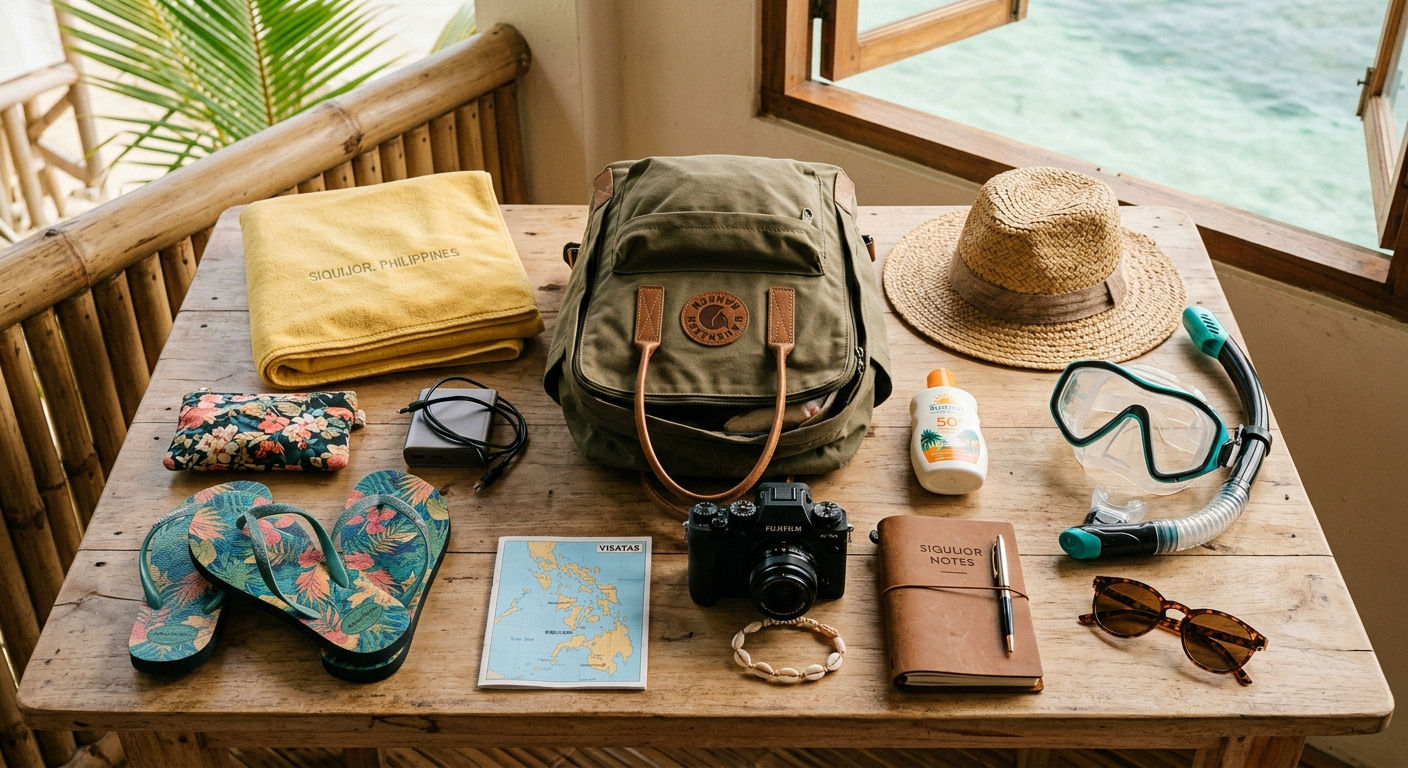
What to Pack for Siquijor: The Complete Packing Checklist for 2026
The definitive packing list for Siquijor Island. Covers clothing, gear, toiletries, electronics, and essentials for dry season, rainy season, and every type of traveler from backpackers to families.
Why Packing Right Matters for Siquijor
Siquijor is not Manila. It is not Cebu City. This is a small island with limited shopping options, no major department stores, and only a handful of convenience stores scattered across its six municipalities. What you bring with you is largely what you will have for the duration of your trip.
That said, overpacking is equally problematic. You will likely arrive by ferry from Dumaguete or Cebu, transfer to a tricycle or motorcycle, and navigate narrow roads to your accommodation. Rolling a massive suitcase across Siquijor is impractical and unnecessary.
The goal is to pack smart: bring what the island cannot easily provide, leave behind what it can, and keep everything light enough to move freely.
The Essential Packing List
Clothing
Siquijor runs hot. Daytime temperatures hover between 28 and 34 degrees Celsius year-round, with high humidity that makes anything beyond lightweight fabric uncomfortable. Pack with the heat in mind.
Must-have items:
- Three to four lightweight t-shirts or tank tops in breathable fabric
- Two pairs of quick-dry shorts
- One pair of lightweight long pants for evening dining or church visits
- Swimwear, at least two sets so one can dry while you wear the other
- A light long-sleeve shirt for sun protection during boat rides and motorcycle touring
- Underwear and socks for the number of days you plan to stay, plus one extra set
- One casual outfit for nicer restaurants if you plan to eat at resort dining rooms
- A light rain jacket or packable windbreaker, essential during wet season, useful even in dry season for unexpected afternoon showers
What to skip:
- Heavy jeans or thick pants
- Formal shoes of any kind
- Multiple jackets or hoodies
- Anything you would not want splashed with seawater
Footwear
Three pairs of shoes is the maximum you should carry. Two is better.
Reef-safe water shoes or sport sandals are the single most important footwear choice for Siquijor. You will encounter rocky shorelines, coral rubble entries at marine sanctuaries, slippery waterfall trails, and unpaved paths. A pair of sturdy sandals with toe protection handles all of these situations.
Flip-flops or slides work for around your accommodation, walking through town, and casual beach days where the sand is fine. They are also easier to slip on and off when entering local shops and restaurants.
Lightweight trail shoes are worth packing if you plan to hike Mount Bandilaan, explore Cantabon Cave, or walk the interior trails. The paths can be muddy and uneven, and sandals do not provide enough grip on steep sections.
Sun Protection
The tropical sun in the Visayas is intense, and Siquijor’s outdoor activities put you directly in it for hours at a time. Sunburn is the most common health complaint among visitors.
- Reef-safe sunscreen with SPF 50 or higher, at least one full-size bottle. Bring reef-safe formulations free of oxybenzone and octinoxate. Marine sanctuaries increasingly check for this, and it protects the coral you came to see.
- Sunglasses with UV protection. Polarized lenses are ideal for cutting glare on the water.
- A wide-brim hat or baseball cap for motorcycle riding, beach days, and waterfall hikes.
- UV-protective rash guard for snorkeling and water activities. This is more effective than sunscreen in the water and removes the need for constant reapplication.
Toiletries and Health
Siquijor has pharmacies in Siquijor town and Larena, and basic toiletries are available at sari-sari stores. However, selection is limited and specific products may not be stocked. Bring anything you rely on daily.
Toiletry essentials:
- Your preferred shampoo and conditioner in travel sizes
- Toothbrush and toothpaste
- Deodorant
- Contact lens supplies if applicable
- Personal hygiene products, especially for women, as specific brands may not be available
- Insect repellent with DEET or picaridin, mosquitoes are present year-round, particularly at dusk
- After-bite treatment for insect bites
- Aloe vera gel for sunburn relief
Health and first aid:
- Any prescription medications you take, plus extra supply in case of travel delays
- Antihistamines for allergic reactions
- Anti-diarrheal medication, stomach adjustments happen
- Oral rehydration salts
- Ibuprofen or paracetamol for headaches and minor pain
- Adhesive bandages and antiseptic wipes for small cuts, common when walking on coral or rocky terrain
- Motion sickness medication if you are prone to seasickness, the ferry from Dumaguete takes about an hour and can be choppy
Electronics and Connectivity
Phone and connectivity: Your mobile phone is your camera, map, ride-hailing tool, and communication device. Globe and Smart both have coverage across Siquijor, though signal strength varies in the interior. Consider buying a local SIM card in Dumaguete before heading to the island if you do not already have one.
Power bank: This is non-negotiable. A 20,000mAh power bank keeps your phone alive through a full day of photos, navigation, and communication. Some accommodations have limited outlet access, and power interruptions, while rare, do happen.
Charger and cables: Bring your phone charger and at least one backup cable. The Philippines uses Type A and Type B outlets, the same as the United States. If you are traveling from Europe, Australia, or the UK, bring a plug adapter.
Waterproof phone case: A simple waterproof pouch protects your phone at waterfalls, on boat rides, and during water activities. These cost very little and save you from a catastrophically expensive replacement.
Camera gear: If you shoot with a dedicated camera, bring it. The island is photogenic beyond expectation. A waterproof or underwater housing opens up snorkeling and free diving photography. For most travelers, a modern smartphone handles everything.
Headlamp or small flashlight: Useful for Cantabon Cave exploration, evening walks where street lighting is sparse, and nighttime beach activities. A headlamp is more practical than a handheld flashlight since it frees both hands.
Snorkeling and Water Gear
You can rent snorkeling equipment at major marine sanctuaries and some resorts, but the quality of rental gear varies significantly. Bringing your own ensures a proper fit and hygiene.
- Snorkel mask that fits your face without leaking. Test it before the trip.
- Dry-top snorkel to prevent water entry when waves wash over you.
- Reef shoes for entering the water over rocks and coral rubble.
- Underwater camera or GoPro if you want to capture marine life. Siquijor’s reefs are worth documenting.
If you plan to dive, scuba or free diving, bring your own mask and any personal equipment you prefer. Regulators and tanks are available at dive shops, but a mask that fits perfectly is worth the luggage space.
Documents and Money
Documents to carry:
- Valid government ID or passport
- Printed or digital copies of accommodation bookings
- Ferry booking confirmation if you reserved in advance
- Travel insurance documentation
- Emergency contact information written down, not just stored in your phone
Money matters:
- Cash in Philippine pesos. This is critical. Siquijor has a limited number of ATMs, concentrated in Siquijor town and Larena. Many accommodations, restaurants, and activity providers operate cash-only. Bring enough pesos to cover your entire stay, plus a buffer for unexpected expenses. An amount of 2,000 to 3,000 PHP per day is a reasonable estimate for mid-range travel.
- A backup debit or credit card stored separately from your primary card.
- A small waterproof pouch for carrying cash and cards when near water.
Bags and Storage
Daypack: A lightweight 15 to 25 liter daypack carries your water, sunscreen, snacks, and towel for day trips. Look for one with water-resistant fabric.
Dry bag: A 10 to 20 liter dry bag is essential for boat rides, waterfall visits, and any activity where your belongings might get wet. These roll-top bags keep electronics, clothes, and documents safe from splashing and rain.
Main luggage: A backpack between 40 and 55 liters is ideal for Siquijor. It fits on ferry luggage racks, straps to motorcycle carriers, and navigates narrow accommodation hallways without issue. Hard-shell suitcases with wheels are impractical for the island’s roads and transport options.
Seasonal Packing Adjustments
Dry Season (March to May)
This is the easiest season to pack for. Rain is infrequent, temperatures are high, and you will spend most of your time in swimwear and shorts.
- Extra sunscreen, you will use more than you expect
- An additional rash guard or sun-protective layer
- More water bottles or a refillable bottle with a filter
- Lighter sleeping clothes, as nights remain warm
Shoulder Season (June and November to February)
Occasional rain returns but rarely lasts all day. Temperatures are slightly cooler, which is welcome.
- A packable rain jacket moves from optional to essential
- Quick-dry clothing becomes more important
- A compact umbrella is useful for town walks
- Waterproof bags for electronics gain importance
Wet Season (July to October)
Rain is frequent, roads can flood briefly, and some activities may be affected by conditions.
- Waterproof everything: rain jacket, dry bags, waterproof phone case
- Extra pairs of quick-dry clothing since nothing dries fast in humidity
- Waterproof footwear that can handle muddy trails
- Mosquito repellent in higher quantities, as standing water increases populations
Packing for Specific Activities
Motorcycle Touring
If you plan to rent a motorcycle and ride the island loop:
- Closed-toe shoes for riding
- Long pants to protect legs from engine heat and road debris
- Sunglasses or a clear visor to keep dust from your eyes
- A small backpack or tank bag for essentials
- A bandana or buff for dust on unpaved roads
Waterfall Chasing
Siquijor has multiple waterfalls, and visiting them involves short hikes through forest terrain.
- Water shoes with grip for slippery rocks
- Quick-dry clothing that you do not mind getting soaked
- A dry bag for your phone and valuables
- A small towel for drying off between falls
- Insect repellent, as jungle trails bring mosquitoes
Cave Exploration
Cantabon Cave is a popular adventure activity that involves wading through underground rivers.
- A headlamp, essential and not optional
- Water shoes with solid grip
- Clothing you are willing to get wet and dirty
- A dry bag for your phone
- A change of clothes left in your daypack outside the cave
What You Can Buy on the Island
Do not panic if you forget something. Siquijor has basic supplies available:
- Sunscreen and toiletries at pharmacies in Siquijor town and Larena
- Basic snorkeling gear rentals at Cambugahay Falls and marine sanctuaries
- SIM cards and phone credit at convenience stores
- Bottled water and snacks at sari-sari stores in every barangay
- Insect repellent at pharmacies
- Simple clothing items at market stalls in Siquijor town
What you cannot easily find: specialized outdoor gear, reef-safe sunscreen (regular formulations dominate), quality waterproof bags, prescription medications, international plug adapters, and high-capacity power banks.
The One-Bag Challenge
For minimalist travelers, Siquijor is absolutely doable with a single 30 to 40 liter backpack. The key is multi-purpose items:
- Board shorts double as swimming and hiking shorts
- A rash guard replaces both a swim shirt and a light jacket
- Sport sandals cover beach, town, and light trail walking
- A sarong serves as a towel, beach blanket, and cover-up
- A dry bag works as a daypack, laundry bag, and waterproof storage
Laundry services are available at many accommodations and in towns for 50 to 100 PHP per kilogram. Pack for three to four days and wash midway through your trip rather than carrying a full wardrobe.
Final Packing Tips
Roll your clothes instead of folding. They take up less space and wrinkle less in the humidity.
Use packing cubes to organize categories. One for clothes, one for electronics, one for toiletries. This makes repacking faster and keeps your bag orderly.
Weigh your bag before leaving. If it exceeds 10 kilograms, you are likely overpacking for a tropical island trip. Challenge yourself to cut three items.
Leave room for souvenirs. Siquijor’s local markets sell woven goods, handicrafts, coffee, and other items worth bringing home. If your bag is already bursting, you have no space for these.
Photograph your documents and email copies to yourself. If your physical copies get lost or damaged, you have backups accessible from any device.
Siquijor rewards travelers who arrive prepared but not overburdened. Pack the essentials, trust that the island provides what you truly need, and keep your hands free for the experiences that make the trip memorable.
Related Travel Guides
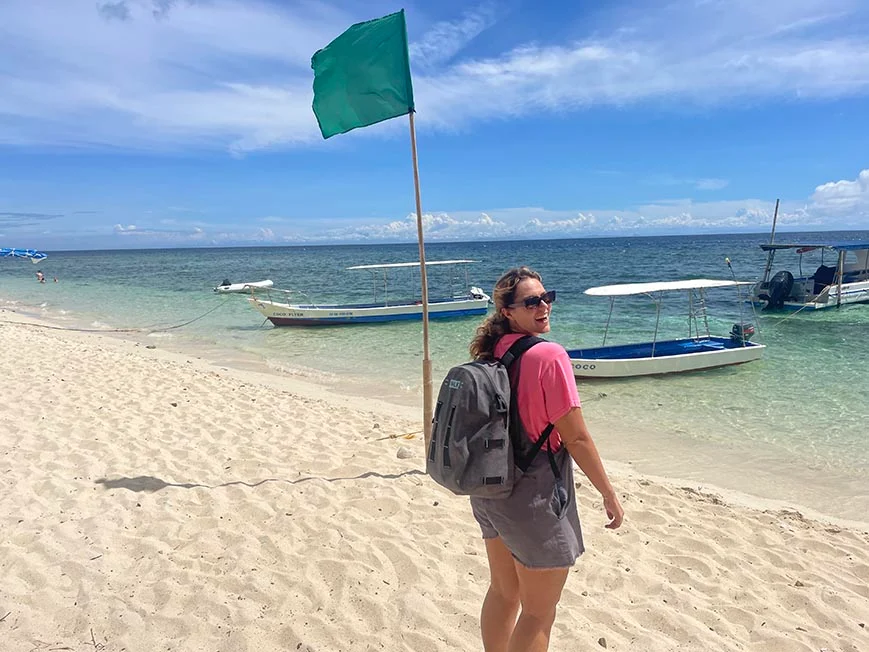
Siquijor Packing List: What to Bring (And What to Leave)
The essential packing guide for Siquijor - from reef-safe sunscreen to waterproof bags. What you'll need, what you won't, and what to buy on arrival.
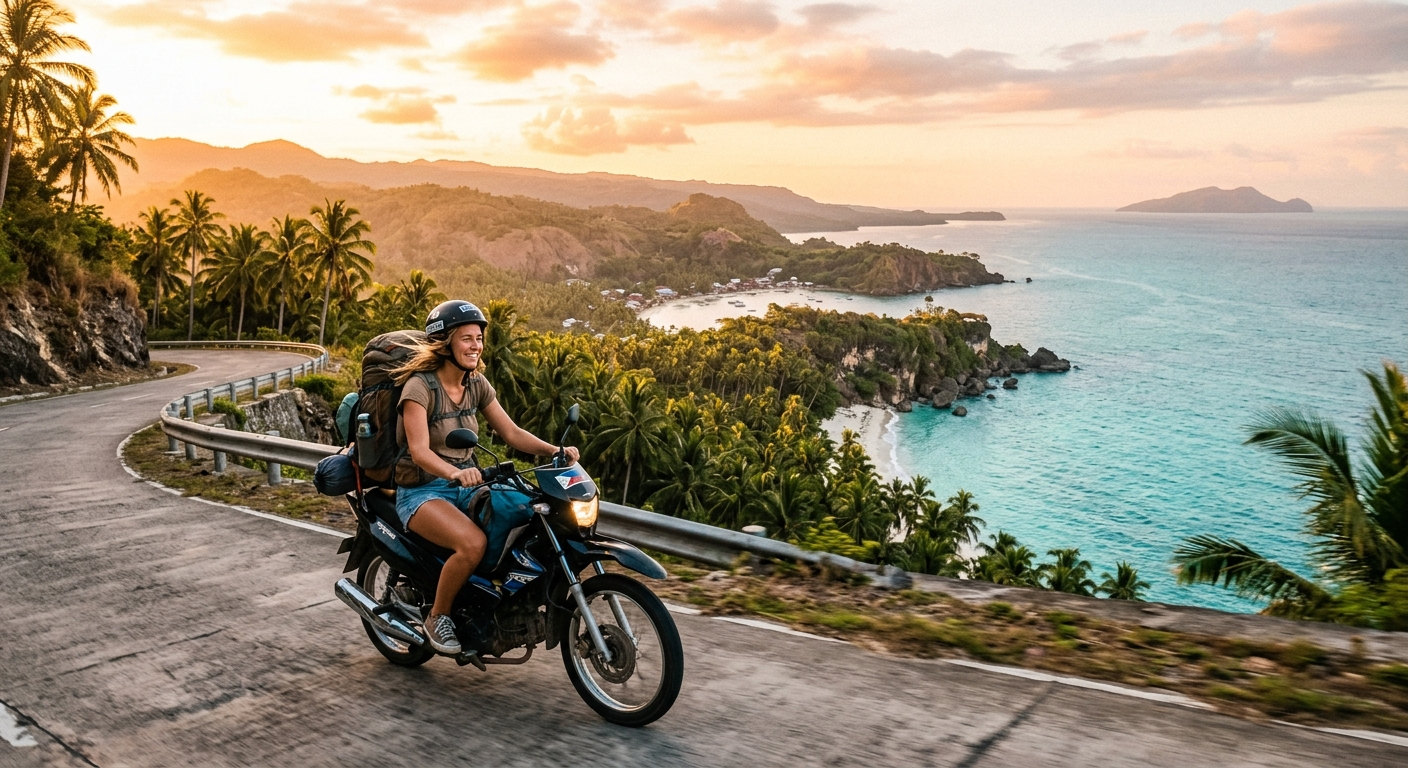
Siquijor on a Budget: A 7-Day Backpacker's Guide Under 3,000 Pesos
Stretch your peso with this Siquijor backpacker guide covering budget hostels, public jeepneys, local eateries, and free island activities — all on under 3,000 pesos.
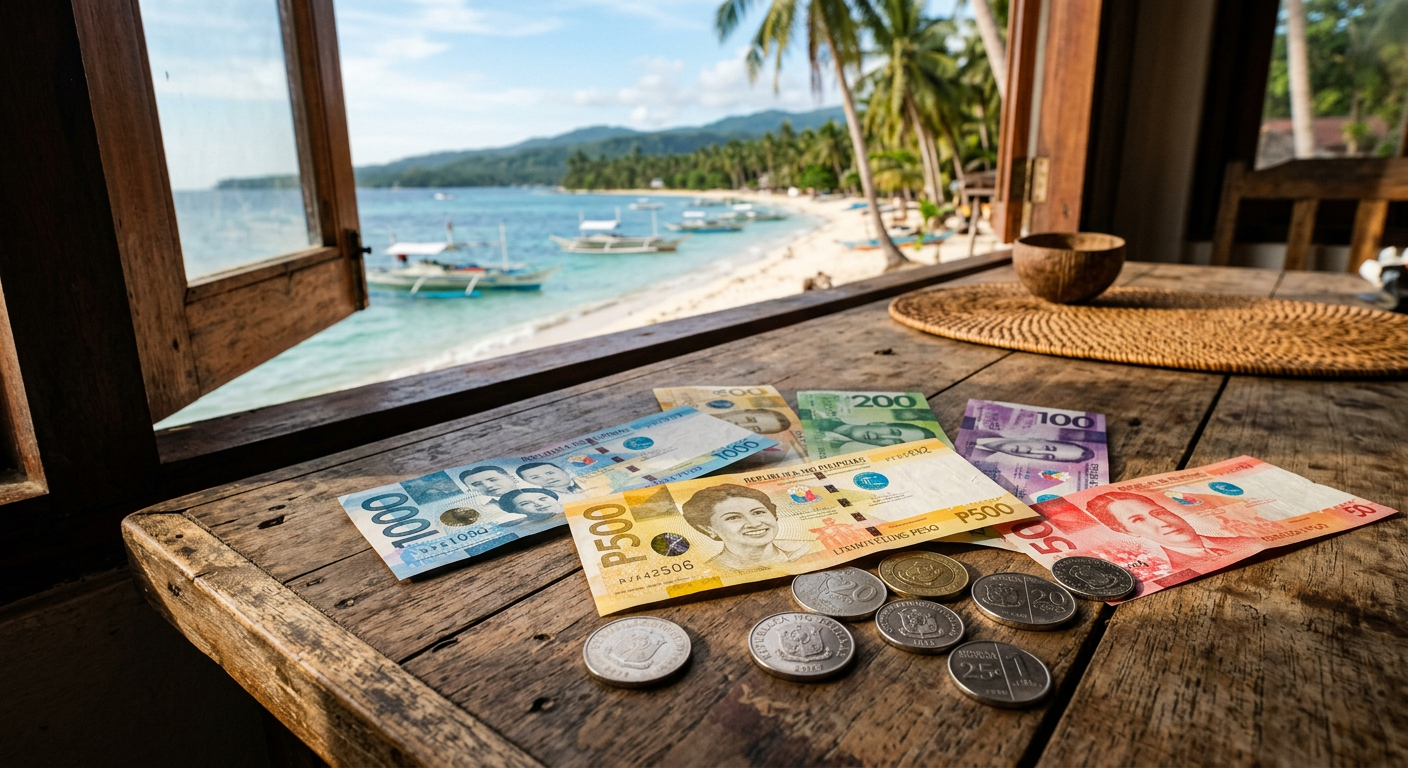
Siquijor ATM, Banks and Money Guide: Cash Tips for Island Travelers
Complete guide to managing money in Siquijor - ATM locations, bank branches, GCash availability, credit card acceptance, and how much cash to bring to the island.