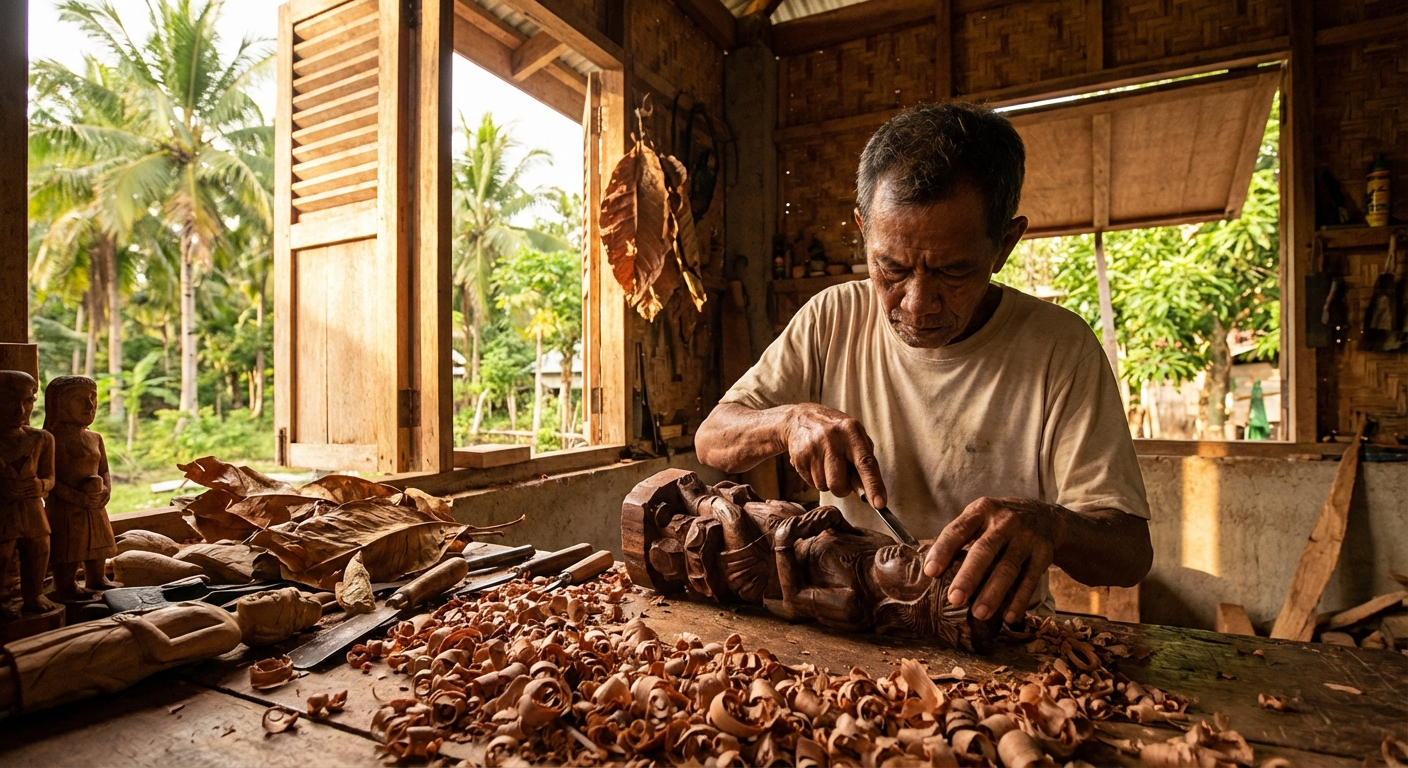
Siquijor Woodcraft and Traditional Artisans: The Island's Hidden Creative Heritage
Discover the woodcarving traditions, skilled artisans, and handcrafted souvenirs that reveal Siquijor's lesser-known creative heritage beyond its mystical reputation.
Siquijor Island draws visitors with its turquoise waters, mystical reputation, and cascading waterfalls. Yet beneath the surface of its tourism identity lies a creative heritage that most travelers never encounter. The island’s woodcarving tradition, passed through generations of skilled artisans, represents one of the Visayas’ most authentic and enduring craft practices.
While neighboring Bohol and Cebu have commercialized their handicraft industries to serve mass tourism, Siquijor’s artisan community has remained remarkably intimate. Woodcarvers, furniture makers, and traditional implement craftspeople work in small workshops scattered across the island’s municipalities, producing pieces that range from functional household items to intricate decorative carvings that tell stories of island life.
Understanding this creative heritage adds a meaningful dimension to any Siquijor visit. It connects travelers to the island’s culture in ways that swimming holes and scenic viewpoints, however beautiful, cannot achieve on their own.
The Roots of Siquijor Woodcraft
Woodworking on Siquijor is not a recent development aimed at the tourist market. The tradition stretches back centuries, rooted in practical necessity and cultural expression that predates the island’s colonial history.
A Landscape of Raw Materials
Siquijor’s interior forests provided the raw materials that shaped its woodworking tradition. Hardwoods like molave, narra, and ipil grew abundantly in the island’s mountainous center, offering dense and durable timber suited to both construction and fine carving. The proximity of quality wood to coastal communities where boats, furniture, and tools were needed created a natural economy of craft.
Today, sustainable forestry practices and reforestation efforts govern timber harvesting on the island. Artisans increasingly work with reclaimed wood, fallen trees, and sustainably managed sources. Several woodworkers in Lazi and Maria maintain small plantations of fast-growing species specifically for their craft, demonstrating a long-term commitment to their practice that extends beyond immediate economic need.
Functional Origins
The earliest woodcraft on Siquijor served entirely practical purposes. Farmers needed tools, fishermen needed boats, and families needed furniture. The island’s relative isolation meant that importing these items was impractical and expensive. Local craftspeople filled every gap, developing specialized skills that became family traditions.
Bangka boats, the outrigger vessels that remain central to island life, represent perhaps the most significant woodworking tradition. Building a bangka requires understanding of wood grain, joinery, marine conditions, and hydrodynamics, knowledge transmitted from father to son across generations. While fiberglass hulls have become common, traditional wooden bangka construction continues on Siquijor, practiced by builders who consider it both a livelihood and a cultural responsibility.
Furniture making followed similar patterns. Wooden beds, tables, chairs, and storage chests crafted from local hardwoods furnished homes across the island. The simple elegance of traditional Siquijor furniture, characterized by clean lines and minimal ornamentation, reflects both the practical mindset of its makers and the material constraints of island life.
Decorative and Spiritual Carving
Beyond functional items, Siquijor’s woodcarvers developed a tradition of decorative and spiritually significant work. Church carvings produced during the Spanish colonial period demonstrate skills that rival those found in more celebrated Philippine woodworking centers like Paete in Laguna.
The Lazi Convent, one of the largest and oldest in Asia, contains wooden elements that attest to the skill of Siquijor’s historic craftspeople. Altar details, door carvings, and structural woodwork throughout the convent complex represent centuries of accumulated knowledge applied to a single, monumental project.
Religious santos, carved wooden figures of saints, formed another important tradition. Families commissioned these pieces for home altars, and the carvers who produced them occupied a respected position in community life. While the demand for traditional santos has diminished, the carving skills they required have been redirected toward contemporary forms.
Where to Find Working Artisans
Siquijor’s woodworking community is not concentrated in a single craft village or tourist-oriented market. Finding active workshops requires some exploration, which is part of what makes the experience authentic rather than performative.
Lazi and Surrounding Barangays
The municipality of Lazi hosts the highest concentration of active woodworkers on the island. The town’s history as a center of religious and cultural activity during the Spanish period established a woodworking tradition that persists today.
Several workshops operate within walking distance of the Lazi town center. These are not polished showrooms but working spaces where artisans produce pieces to order. Visitors who show genuine interest are generally welcomed to observe the work in progress, though calling ahead or asking locally for directions is advisable since signage is minimal.
The barangays surrounding Lazi, particularly those in the foothills leading toward the island’s interior, are home to furniture makers who produce pieces primarily for the local market. Their work tends toward the functional, heavy hardwood tables, cabinets, and bed frames, but the craftsmanship is evident in the joinery and finishing.
Maria Municipality
Maria, on the island’s western coast, maintains a quieter woodworking tradition focused on smaller decorative items and traditional implements. Artisans here tend to work with softer woods and produce pieces that are more accessible to visitors in terms of both price and portability.
Walking sticks, small carved animals, decorative bowls, and kitchen implements are common products from Maria’s workshops. The pieces reflect the municipality’s agricultural character, with motifs drawn from farming life, marine creatures, and the island’s flora.
San Juan Craft Sellers
While the actual workshops are predominantly in Lazi and Maria, finished products from across the island find their way to San Juan, where the tourist traffic creates a market. Several small shops and market stalls in San Juan sell locally made wooden items alongside imported souvenirs.
Distinguishing locally crafted pieces from mass-produced imports requires some attention. Genuine Siquijor woodcraft tends to show the subtle irregularities of handwork, variations in grain pattern, slight asymmetries, and tool marks that attest to human rather than machine production. Asking sellers about the origin and maker of pieces usually yields honest answers, and many are happy to direct interested buyers to the workshops themselves.
The Craft Process
Understanding how Siquijor’s woodcarvers work enhances appreciation of the finished pieces and helps visitors recognize the skill and time invested in each item.
Wood Selection
Experienced carvers select wood with the care of a chef choosing ingredients. The species, age, moisture content, and grain direction of a piece of timber determine what it can become. Dense hardwoods like molave suit structural pieces and items that must withstand daily use. Lighter woods like santol or gmelina work better for decorative carving where detail matters more than durability.
Many carvers maintain a personal stock of wood in various stages of seasoning. Air-drying timber for months or even years before working it prevents cracking and warping in the finished piece. This patience, allowing raw material to reach its optimal working condition rather than rushing production, distinguishes craft from manufacturing.
Tools and Techniques
The tools in a Siquijor woodworking shop would be recognizable to craftspeople anywhere in the world, chisels, gouges, mallets, planes, and saws in various sizes. What distinguishes the local practice is the relationship between maker and tool. Most carvers maintain their edge tools with obsessive attention, sharpening blades to precision that allows clean cuts in both softwood and the demanding hardwoods the island provides.
Traditional joinery techniques, mortise and tenon, dovetail, and various interlocking systems, remain preferred over modern fasteners for quality work. These methods create stronger connections than screws or nails and age more gracefully, developing character rather than deterioration over time.
Finishing methods vary by artisan and intended use. Some pieces receive oil finishes that enhance the natural grain pattern. Others are left unfinished, allowing the wood’s natural color and texture to speak for itself. Lacquer and varnish are used selectively, typically for items intended for environments where moisture resistance matters.
Time Investment
A small decorative carving might require a full day of focused work. A piece of furniture can take weeks. A commissioned project with detailed carving elements might occupy an artisan for a month or more. This time investment is invisible in the finished product but essential to understanding its value.
Visitors accustomed to factory-produced goods sometimes find handcraft prices surprising in either direction. Simple items may seem expensive relative to machine-made alternatives, while complex pieces may seem remarkably affordable given the hours invested. Both reactions reflect a disconnect between industrial pricing models and craft economics that a visit to an active workshop quickly resolves.
Commissioning Custom Work
One of the most rewarding possibilities for visitors who connect with Siquijor’s woodcraft tradition is commissioning a custom piece. This is more accessible than it might sound.
How It Works
Most artisans welcome custom commissions, which provide both income and creative engagement that routine production work does not. The process typically begins with a conversation about what the buyer envisions, the materials available, and the artisan’s assessment of what is feasible.
Drawings or reference photos help communicate ideas across language barriers, though many Siquijor craftspeople speak functional English. The artisan will usually suggest modifications based on their material knowledge and technical experience, and these suggestions are worth heeding. They understand what the wood wants to become in ways that a buyer selecting from abstract possibilities cannot.
Pricing and Payment
Custom work is priced based on materials, complexity, and time. Artisans generally quote a total price after discussing the project rather than working on an hourly rate. Deposits of 50 percent are standard for larger commissions, with the balance due on completion.
Prices for custom work represent excellent value by international standards. A hand-carved decorative piece that might cost several hundred dollars from a gallery in Manila or abroad can often be commissioned directly from the maker for a fraction of that amount. This direct relationship ensures that the artisan receives the full value of their work rather than a small percentage of a retail markup.
Shipping Considerations
Larger pieces obviously cannot accompany a traveler as carry-on luggage. Several artisans have experience shipping finished work to domestic and international destinations. They know how to package wooden items for safe transit and can recommend reliable shipping services.
For smaller pieces, careful wrapping and placement in checked luggage usually suffices. Wooden items are not restricted by Philippine customs regulations for departing travelers, though receiving countries may have their own import rules worth checking in advance.
Supporting the Tradition
The woodcraft tradition on Siquijor faces the same pressures that affect traditional crafts worldwide. Younger generations, attracted by urban employment opportunities and digital-economy possibilities, do not always see a viable future in workshop-based craft. The economics of handwork compete poorly with factory production on price alone.
Visitors who engage with this tradition, whether by purchasing pieces, visiting workshops, commissioning work, or simply taking the time to understand and appreciate the craft, contribute to its economic viability. Every sale demonstrates that a market exists for handmade work and that the skills involved have tangible value.
Beyond individual purchases, awareness itself matters. Sharing the story of Siquijor’s artisan community with other travelers, writing about workshop visits, or recommending the experience helps build the sustained attention that traditional crafts need to survive.
The woodcraft tradition is not a museum exhibit. It is a living practice carried forward by people who chose to develop difficult skills and apply them daily. Their work connects Siquijor’s past to its present and, if supported, to its future. For visitors who take the time to find them, the island’s artisans offer an encounter with authentic culture that complements the natural beauty Siquijor is already famous for.
Practical Tips for Visitors
Visiting workshops works best in the morning hours when artisans are actively working and natural light fills their spaces. Afternoons tend to be quieter as the tropical heat peaks.
Asking permission before photographing work in progress is courteous and almost always granted. Artisans are generally proud of their work and happy to demonstrate techniques for genuinely interested visitors.
Bring cash for purchases, as workshops do not accept cards. ATMs in Siquijor town and San Juan can supply Philippine pesos, though they occasionally run low during peak tourist season.
A motorcycle provides the most practical transportation for reaching workshops in Lazi and Maria. Tricycle drivers can also facilitate visits, and some drivers know specific artisans by name and can provide informal introductions.
Learning a few words of Bisaya or Tagalog, even just greetings and thank you, goes a long way in workshop settings where English may be limited. The effort signals respect and typically results in warmer, more generous interactions.
Related Culture & History
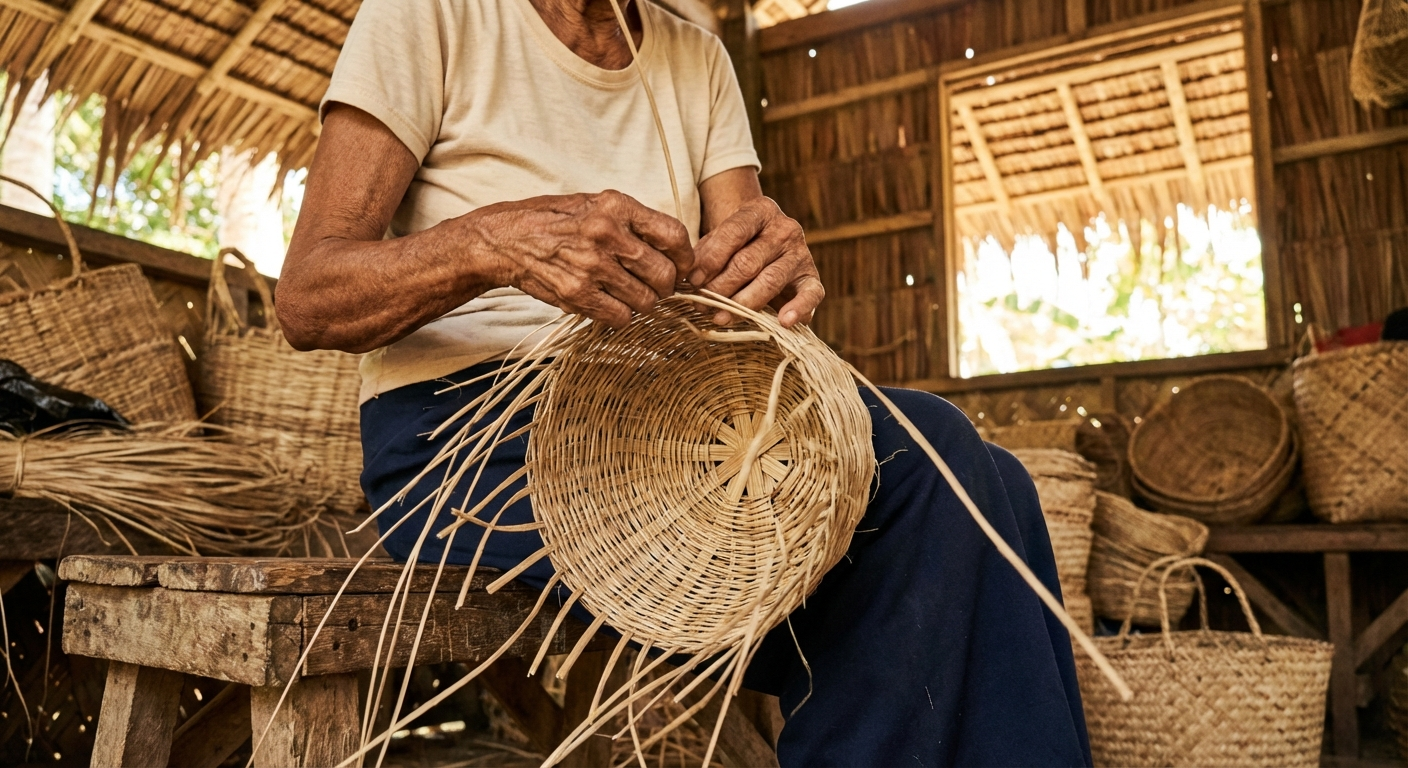
Siquijor Basket Weaving and Handicrafts: A Living Tradition
Explore the traditional basket weaving and handicraft traditions of Siquijor Island. Learn about materials, techniques, artisans, and where to find authentic handmade crafts.

Siquijor's Mananambal: A Respectful Guide to Healing Traditions
Understanding Siquijor's traditional healers (mananambal), their practices, history, and how visitors can respectfully engage with this living cultural heritage.
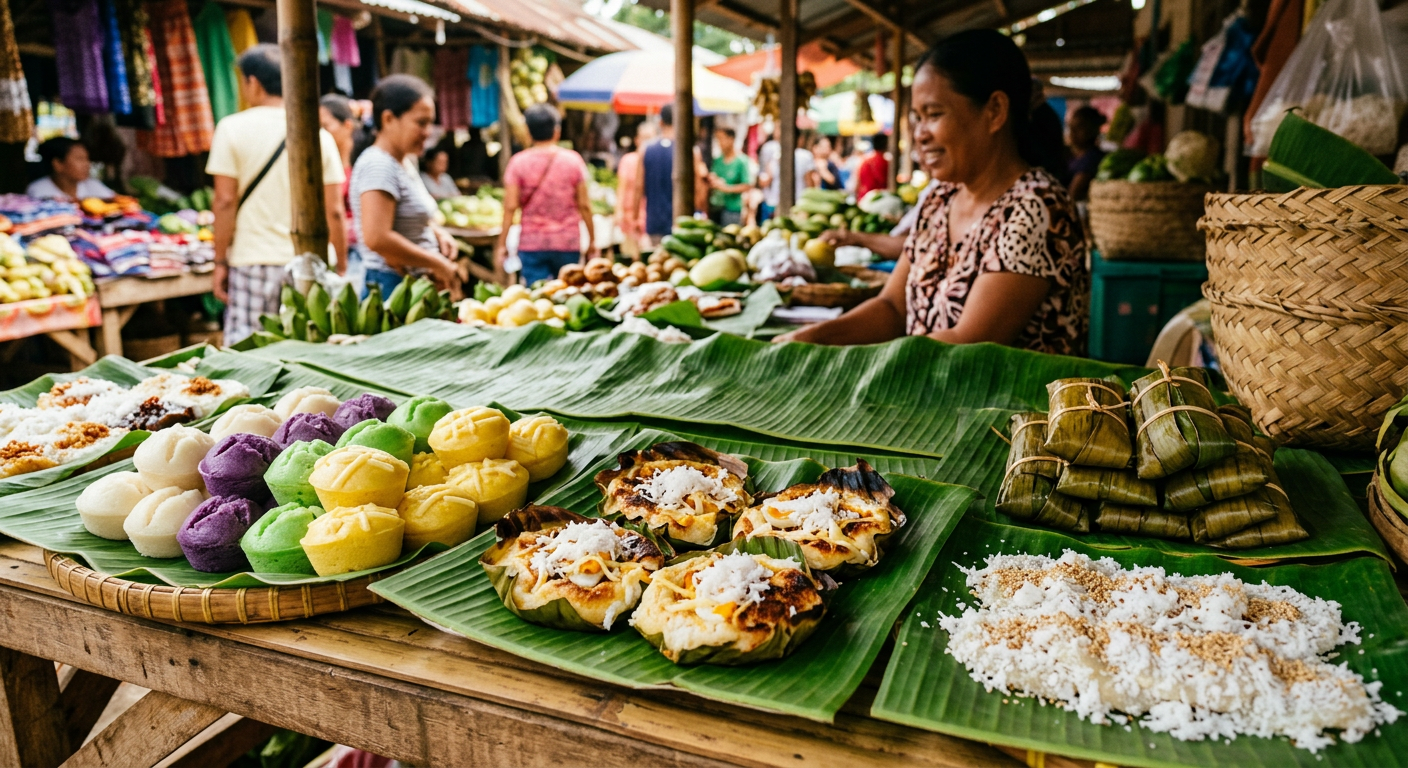
Siquijor Kakanin Guide: Traditional Rice Cakes and Sweets of the Mystic Island
Explore the traditional kakanin and rice cakes of Siquijor Island. From bibingka and suman to puto and palitaw, discover where to find authentic Filipino sweets made using generations-old recipes.