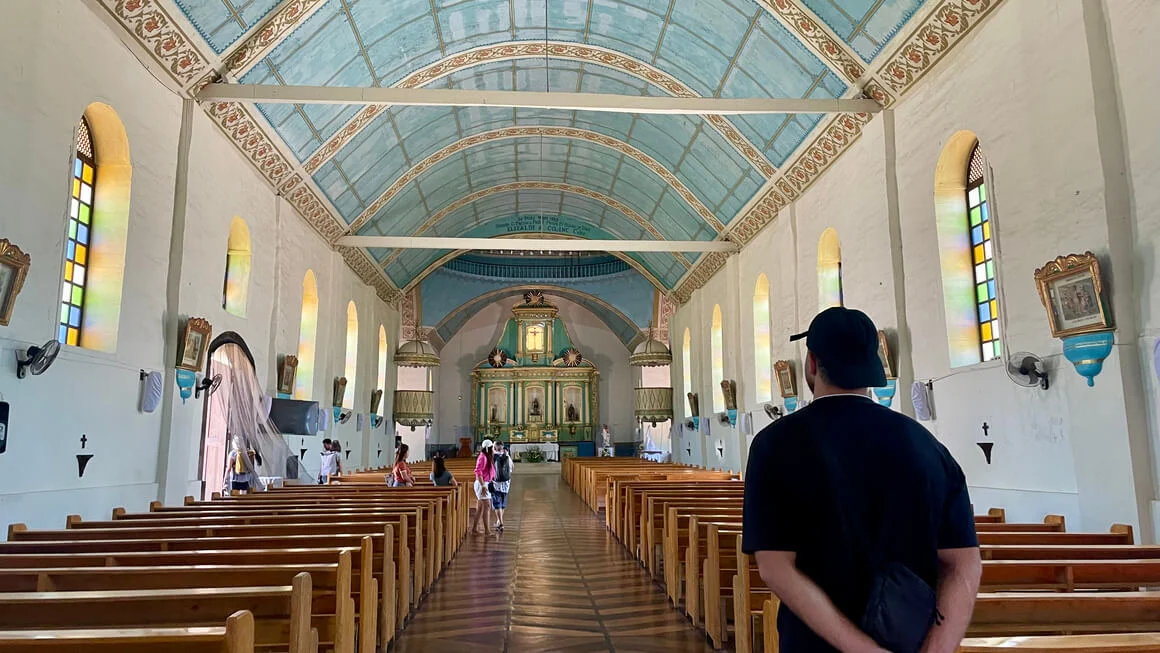
History of Siquijor: From Island of Fire to Mystical Paradise
Trace Siquijor's fascinating history from pre-colonial times through Spanish colonization to the modern era. Discover how the 'Island of Fire' earned its mystical reputation.
The Name: Isla del Fuego
When Spanish explorers first approached Siquijor in the 16th century, they witnessed something that would define the island’s identity for centuries to come.
As their galleons neared the shore at dusk, the entire coastline appeared to be on fire. A ghostly glow emanated from the treeline, casting an otherworldly light across the waters.
The Spaniards called it Isla del Fuego—the Island of Fire.
The explanation was natural: millions of fireflies (alitaptap) illuminating the molave trees that once blanketed the coastline. But the mystical first impression stuck. From that moment, Siquijor would carry an aura of the supernatural.
Pre-Colonial Siquijor
The First Inhabitants
Before Spanish contact, Siquijor was home to indigenous Visayan peoples who had inhabited the island for centuries.
What We Know:
- Austronesian settlers arrived thousands of years ago
- Communities centered on fishing and agriculture
- Trade connections with neighboring islands
- Animist spiritual beliefs
- Oral traditions passed through generations
Archaeological Evidence:
- Limited excavations have occurred
- Burial sites discovered in caves
- Pottery and tool fragments found
- More research needed
Pre-Colonial Society
Like other Visayan communities, pre-colonial Siquijor likely featured:
- Barangay system (village-based governance)
- Datu leadership (local chieftains)
- Agricultural cultivation (rice, root crops)
- Fishing and maritime traditions
- Trade with neighboring islands
- Spiritual practices led by babaylan (priestesses/priests)
The healing traditions that Siquijor is known for today likely have roots in these pre-colonial spiritual practices.
Spanish Colonial Period (1565-1898)
First Contact
1565: Spanish expedition under Miguel López de Legazpi arrives in the Philippines 1596: First recorded Spanish contact with Siquijor Early 1600s: Augustinian missionaries establish presence
Christianization
The Augustinians worked to convert the island’s inhabitants to Catholicism, a process that took generations.
Key Developments:
- Construction of visita churches (small chapels)
- Establishment of parishes
- Introduction of the encomienda system
- Baptism of local population
- Suppression (but not elimination) of indigenous beliefs
Church Construction
The Spanish left their most visible legacy in stone:
Major Churches Built:
| Church | Location | Approximate Date |
|---|---|---|
| San Isidro Labrador | Lazi | 1857-1884 |
| St. Francis of Assisi | Siquijor Town | 1783+ |
| Other parishes | Island-wide | 1700s-1800s |
The Lazi Church and Convent represents the pinnacle of Spanish ecclesiastical architecture in Siquijor—its massive convent is one of the largest in Asia.
Defense Against Moro Raiders
Siquijor, like all Visayan islands, faced periodic raids from Muslim groups from Mindanao (called “Moro” by the Spanish).
Defensive Measures:
- Watchtowers (baluarte) built along the coast
- Church bells served as warning signals
- Fortified churches provided refuge
- Communities organized militia defense
Several watchtower ruins remain, including those near Paliton Beach.
Administrative Status
Throughout the Spanish period, Siquijor was administered as part of various larger political units:
- Initially under Cebu
- Later part of Negros Oriental
- Never had separate provincial status
American Period (1898-1946)
Transition of Power
After Spanish defeat in the Spanish-American War (1898), the Philippines became an American territory.
Changes Under American Rule:
- Introduction of public education
- English language instruction
- Improved infrastructure
- Continuation of Catholic predominance
- Gradual economic development
Education Impact
The American-established public school system had lasting effects:
- Literacy rates improved
- English became widely spoken
- New ideas and values introduced
- Some traditional practices declined
- Others persisted underground
Economic Development
Siquijor remained a backwater during American rule:
- Agriculture dominated
- Limited infrastructure investment
- No significant industrialization
- Continued reliance on inter-island trade
Japanese Occupation (1942-1945)
World War II Impact
Though not a major battleground, Siquijor was occupied by Japanese forces during World War II.
Local Experience:
- Japanese garrison stationed on island
- Civilian hardship and rationing
- Guerrilla resistance activities
- Liberation in 1945
The war’s impact, while significant, was less devastating than on larger islands with strategic importance.
Post-Independence Era (1946-Present)
Independence
The Philippines gained independence on July 4, 1946. Siquijor continued as a municipality within Negros Oriental province.
Provincial Status (1971)
A major milestone came when President Ferdinand Marcos signed Republic Act 6398 on September 17, 1971, making Siquijor its own province.
Why Independence?
- Geographic isolation from Negros Oriental
- Distinct cultural identity
- Local advocacy for self-governance
- Political factors of the Marcos era
New Province Structure:
- Six municipalities: Siquijor (capital), San Juan, Lazi, Maria, Enrique Villanueva, Larena
- Smallest province in the Philippines by land area
- Among the smallest by population
Modern Development
1970s-1990s:
- Slow economic growth
- Continued agricultural focus
- Limited tourism
- Gradual infrastructure improvement
- Mystical reputation persisted
2000s-Present:
- Tourism emergence as key industry
- Ferry connections improved
- Resorts and tourist facilities developed
- Internet and telecommunications arrived
- International awareness increased
The Mystical Reputation
Origins of the Legend
Siquijor’s reputation for mysticism stems from multiple sources:
1. The “Island of Fire” Name First impressions matter. The firefly phenomenon created immediate supernatural associations.
2. Healing Traditions The island’s mananambal (traditional healers) became known throughout the Visayas for their practices.
3. Geographic Isolation Difficulty of access allowed unique practices to develop undisturbed.
4. Colonial Misunderstanding Spanish and later American observers often interpreted folk healing as “witchcraft.”
5. Media Sensationalism Philippine media perpetuated “witch island” stories for decades.
Reality vs. Legend
The Truth:
- Traditional healing exists and is respected
- No evidence of widespread “dark magic”
- Locals are normal Filipinos living normal lives
- The island is safe and welcoming
- The mystical reputation is partly tourism marketing
What Persists:
- Genuine healing traditions
- Holy Week rituals (Aninag)
- Local beliefs in spirits and folk practices
- Respect for ancestral knowledge
Historical Sites Today
What You Can Visit
Spanish Colonial:
- Lazi Church and Convent
- St. Francis of Assisi Church (Siquijor Town)
- Municipal churches in each town
- Coastal watchtower ruins
Natural/Cultural:
- Balete Tree (400+ years old)
- Traditional healer communities
- Cang-Isok House (oldest house)
Preservation Status
Many historical sites face challenges:
- Weather damage from typhoons
- Limited restoration funding
- Earthquake risks (2013 Bohol quake caused damage)
- Modernization pressures
- Need for professional conservation
The Lazi Church complex is on the UNESCO Tentative List for World Heritage status.
Timeline Summary
| Year | Event |
|---|---|
| Pre-1500s | Indigenous Visayan settlement |
| 1565 | Spanish arrive in Philippines |
| 1596 | First Spanish contact with Siquijor |
| 1600s | Augustinian missionization begins |
| 1700s | Parish churches established |
| 1857-1884 | Lazi Church complex constructed |
| 1898 | Spanish-American War; U.S. takes Philippines |
| 1942-1945 | Japanese occupation |
| 1946 | Philippine independence |
| 1971 | Siquijor becomes separate province |
| 2000s | Tourism development accelerates |
| Present | Island known for beaches, falls, mysticism |
Understanding Siquijor Today
A Living History
Siquijor’s history isn’t confined to museums and ruins. It’s visible in:
- Churches that still hold daily mass
- Healing traditions practiced for generations
- Spanish-era coral stone structures
- Community fiestas with centuries-old roots
- Oral traditions passed to children
The Future
Siquijor stands at a crossroads:
Opportunities:
- Tourism provides economic growth
- International attention aids preservation
- Younger generations embracing heritage
- Potential UNESCO recognition
Challenges:
- Development pressure on historic sites
- Loss of traditional practices
- Environmental impacts
- Balancing preservation with progress
Final Thoughts
Siquijor’s history is a microcosm of Philippine history—indigenous traditions overlaid with Spanish Catholicism, touched by American influence, and now navigating the modern world.
The “Island of Fire” has been many things: home to indigenous peoples, target of colonial conversion, backwater province, and now emerging tourist destination. Through it all, something essentially Siquijodnon has persisted—a blend of faith and folk belief, of community and resilience, of welcoming outsiders while preserving what makes the island unique.
Understanding this history enriches any visit. The churches aren’t just photo opportunities—they’re monuments to centuries of faith and labor. The healers aren’t tourist attractions—they’re keepers of knowledge that predates the Spanish galleons. The island’s mystical reputation isn’t marketing—it’s the echo of fireflies that lit the way for explorers five centuries ago.
Explore Siquijor’s heritage in person with our guide to Churches and Heritage Sites, or learn about living traditions in Legends and Folklore.
Related Culture & History
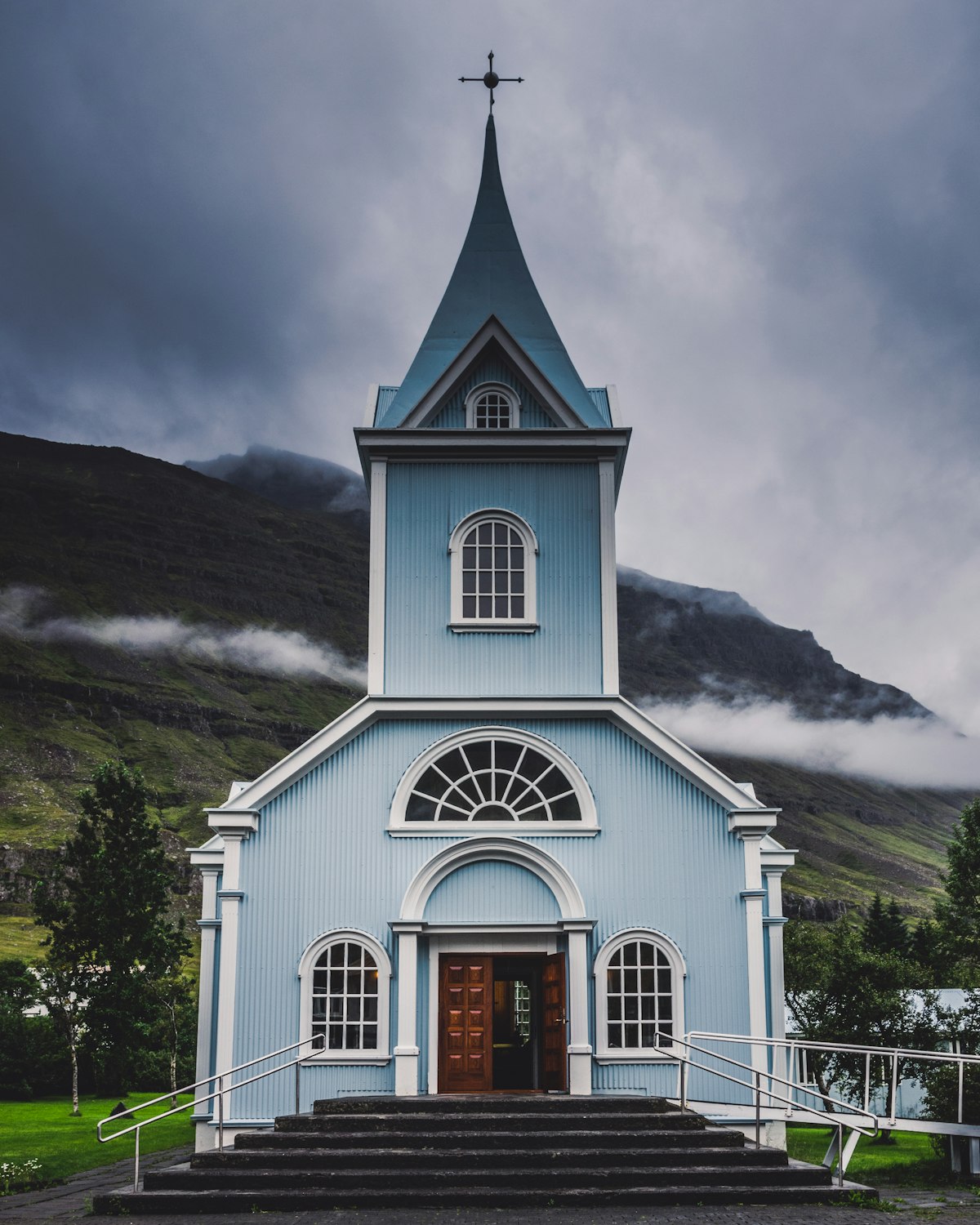
Historic Churches of Siquijor: Complete Parish Guide
Explore Siquijor's six historic parish churches, from the 1774 St. Francis of Assisi to the magnificent Lazi Church and Convent. A guide to the island's Spanish colonial religious heritage.
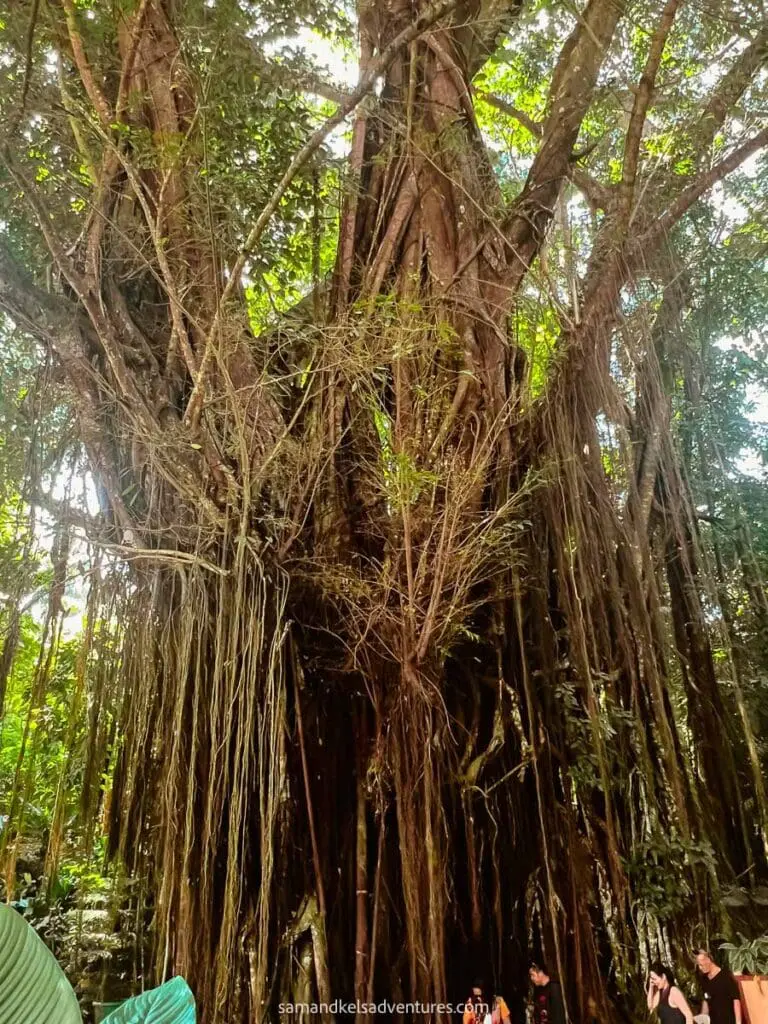
The Mystic Island: Legends & Folklore of Siquijor
Explore the fascinating myths, legends, and folklore that earned Siquijor its reputation as the Philippines' 'Island of Fire' and mystical healing center.
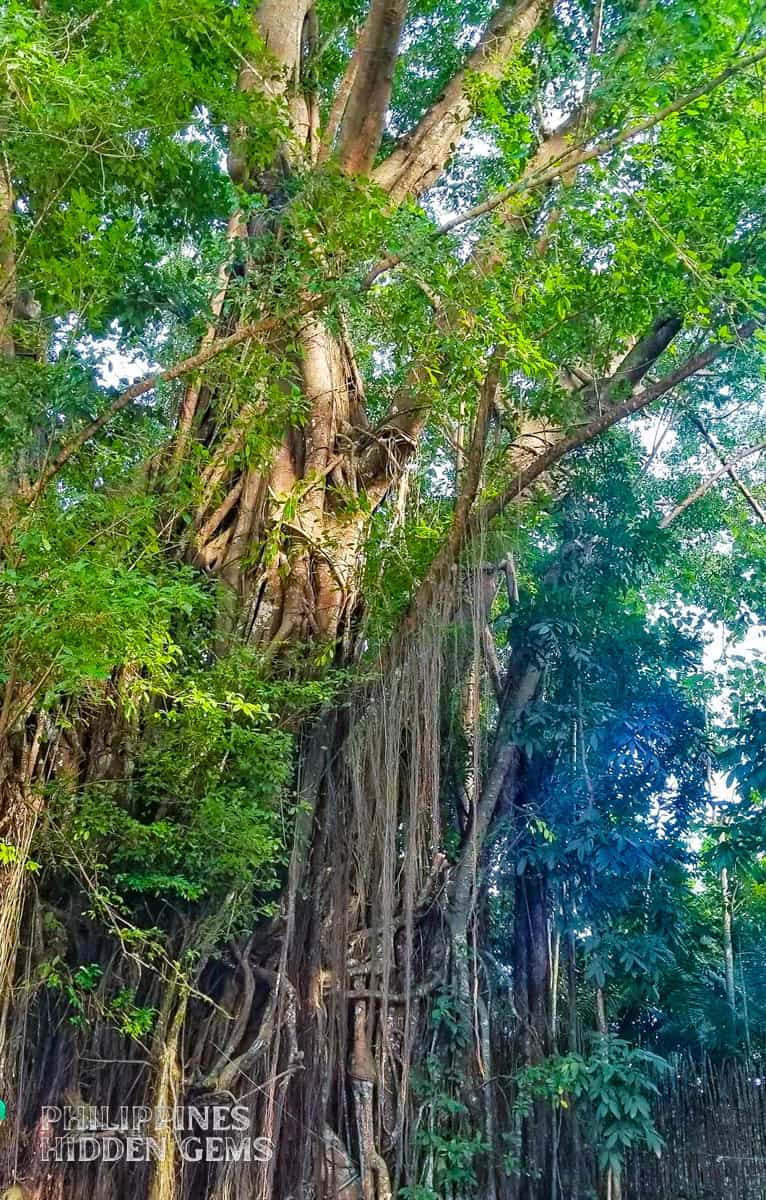
Siquijor's Mananambal: A Respectful Guide to Healing Traditions
Understanding Siquijor's traditional healers (mananambal), their practices, history, and how visitors can respectfully engage with this living cultural heritage.