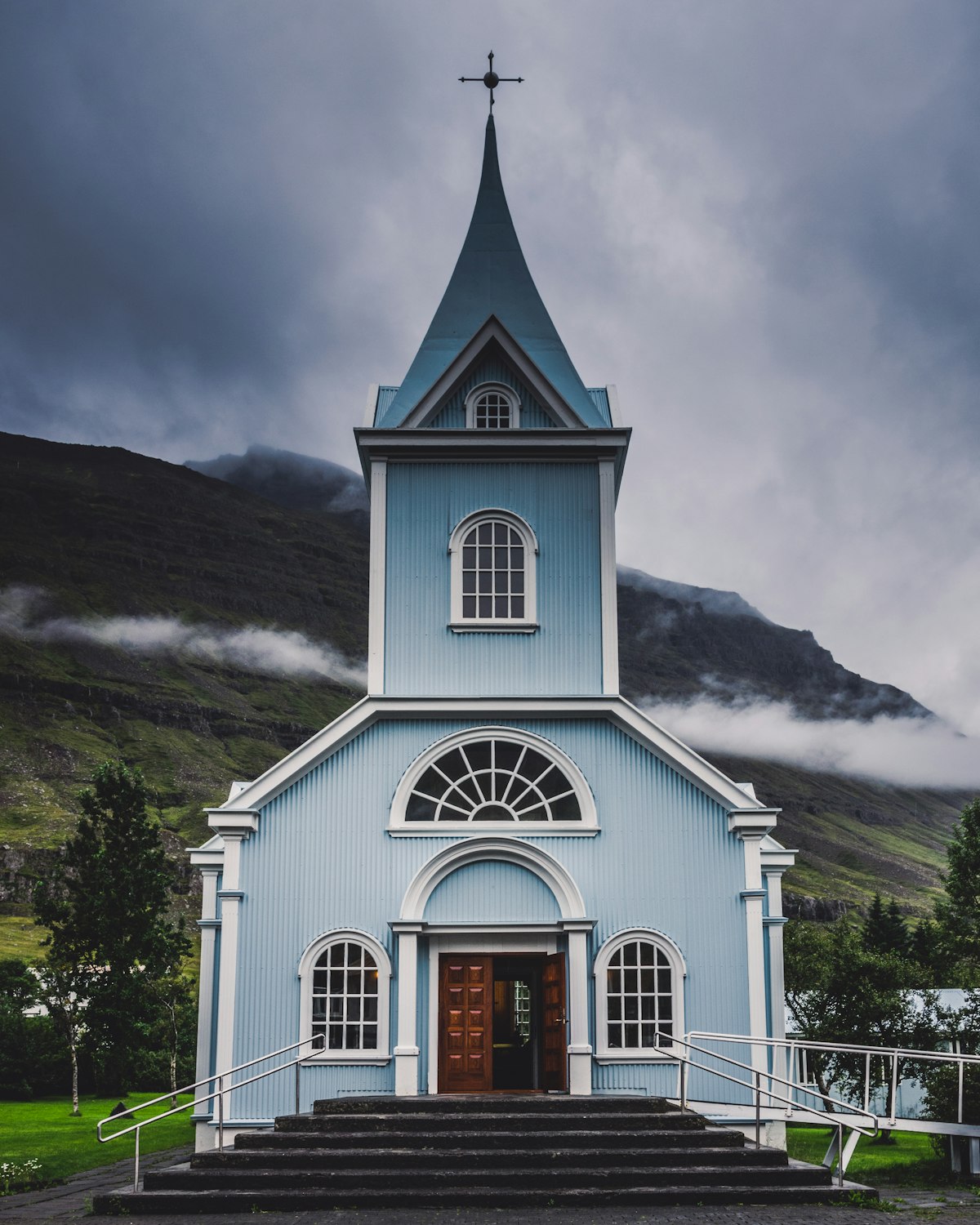
Historic Churches of Siquijor: Complete Parish Guide
Explore Siquijor's six historic parish churches, from the 1774 St. Francis of Assisi to the magnificent Lazi Church and Convent. A guide to the island's Spanish colonial religious heritage.
Siquijor’s six parish churches represent centuries of faith and craftsmanship. Established during the Spanish colonial period by Augustinian and Recollect priests, these churches remain active places of worship while serving as windows into the island’s rich history.
Historical Timeline
- 1783: First parish established (Siquijor)
- 1783-1877: Five additional parishes founded
- 1857-1884: Lazi Church complex constructed
- Present: All six churches remain active
The Six Parish Churches
Each of Siquijor’s municipalities has its own historic parish church, each with unique architectural features and history.
St. Francis of Assisi Church
The Oldest Parish - Founded 1783
| Detail | Information |
|---|---|
| Location | Poblacion, Siquijor Town |
| Patron Saint | St. Francis of Assisi |
| Feast Day | October 4 |
| Built | 1774 (original structure) |
History
Built in 1774, St. Francis of Assisi Church is the oldest parish on the island and served as the only church for over 60 years. The original structure featured rubble stone walls and a nipa-hut roof, reflecting the modest yet enduring craftsmanship of the early missionaries.
Architectural Features
- Separate Bell Tower - Originally served as a watchtower against Moro raiders
- Stone Walls - Original rubble stone construction preserved
- Renovated Interior - Careful preservation maintains historical character
Visiting
The church is located in the heart of Siquijor Town, easily accessible from the port. As the capital’s main church, it remains the center of religious life for residents.
Pro Tip
The separate bell tower is a distinctive feature - it once served as a lookout point for approaching raiders, allowing the bell to warn the community of danger.
St. Augustine Parish
San Juan’s Spiritual Center
| Detail | Information |
|---|---|
| Location | San Juan |
| Patron Saint | St. Augustine |
| Feast Day | August 28 |
About
Located in San Juan, the tourism hub of Siquijor, St. Augustine Parish serves the island’s most visited municipality. The Bugwas Festival celebrating the feast day features street parades and cultural celebrations.
Visiting
The church is centrally located in San Juan town proper, making it easy to include in a tour of the area’s beaches and attractions.
St. Isidore de Labrador Church & Convent
Lazi’s Magnificent Heritage Complex
| Detail | Information |
|---|---|
| Location | Lazi |
| Patron Saint | St. Isidore the Farmer |
| Feast Day | May 15 |
| Built | 1884 |
History
Built in 1884, St. Isidore Church is among the very few churches in the Philippines with a preserved hardwood floor. The original design has remained largely intact, with only minor improvements like replacement of pews for comfort.
The Convent
The Lazi Convent, located opposite the church, is the oldest and largest convent in Asia. Both structures recently underwent rehabilitation and restoration by the National Historical Commission of the Philippines.
Architectural Significance
- Preserved Hardwood Floors - Rare survival from original construction
- Original Design - Minimal alterations since 1884
- UNESCO Tentative List - Considered for World Heritage status
- Massive Scale - One of the largest church complexes in the region
Visiting
The Lazi Church complex is a must-visit attraction, often combined with nearby Cambugahay Falls and the Balete Tree. Allow at least 30-45 minutes to explore both the church and convent.
Pro Tip
The convent is sometimes open for guided tours - ask at the church office. Photography is usually permitted but be respectful during services.
St. Vincent Ferrer Parish
Larena’s Historic Church
| Detail | Information |
|---|---|
| Location | Larena |
| Patron Saint | St. Vincent Ferrer |
| Feast Day | May 2-3 |
About
Located in Larena, the former capital of Siquijor Province, this church anchors the town’s annual Cano-an Festival. The celebration includes the “Kan-anan ni Juan” culinary festival on May 1, followed by religious observances on May 2-3.
Visiting
The church is near Larena’s commercial center and port, making it accessible for visitors arriving via the Larena port route.
Our Lady of Mount Carmel Church
Enrique Villanueva’s Parish
| Detail | Information |
|---|---|
| Location | Enrique Villanueva |
| Patron Saint | Our Lady of Mount Carmel |
About
Serving the municipality of Enrique Villanueva, this church is located in one of the island’s smaller, more traditional communities. The area is known for its preservation of local customs like the Pamukad fishing tradition.
Visiting
Combine a visit with stops at the traditional bakeries LILIBETH’s Pan Bisaya and Elena’s Otap Shop, both located nearby.
Our Lady of Divine Providence Church
Maria’s Spiritual Heart
| Detail | Information |
|---|---|
| Location | Maria |
| Patron Saint | Our Lady of Divine Providence |
About
The church was established in 1880 when Recollect priests founded the parish, changing the village name from Kangmenia to Maria in honor of the Blessed Virgin Mary. The town celebrates the Lubi (Coconut) Festival in her honor every third week of May.
Visiting
The church is near the beautiful beaches of Maria, including Salagdoong and Kagusuan, making it easy to include in a beach day itinerary.
Church Directory Summary
| Church | Municipality | Patron Saint | Feast Day |
|---|---|---|---|
| St. Francis of Assisi | Siquijor Town | St. Francis of Assisi | Oct 4 |
| St. Augustine | San Juan | St. Augustine | Aug 28 |
| St. Isidore de Labrador | Lazi | St. Isidore the Farmer | May 15 |
| St. Vincent Ferrer | Larena | St. Vincent Ferrer | May 2-3 |
| Our Lady of Mount Carmel | Enrique Villanueva | Our Lady of Mount Carmel | - |
| Our Lady of Divine Providence | Maria | Our Lady of Divine Providence | May (3rd week) |
Visiting Tips
Church Etiquette
Dress Code
- Cover shoulders and knees
- Remove hats inside
- No beachwear or revealing clothing
Behavior
- Keep voices low
- Turn off phone sounds
- Be respectful during services
- Ask permission before photographing people
Mass Schedule
- Sunday Mass: Usually 6-7 AM and 4-5 PM
- Weekday Mass: Usually early morning
- Check locally for exact times
Photography
- Generally allowed outside of services
- No flash during Mass
- Be discreet and respectful
Historical Context
The Spanish Colonial Period
The churches of Siquijor were established during the Spanish colonization of the Philippines:
- 1565: Spanish expedition arrives in the Philippines
- 1783: First parish (Siquijor) established by secular clergy
- 1783-1877: Additional parishes founded by Augustinian and Recollect priests
- 1884: Lazi Church completed
Architectural Styles
Siquijor’s churches represent typical Spanish colonial Philippine ecclesiastical architecture:
- Coral stone and rubble construction
- Separate bell towers (for defense)
- Baroque influences
- Hardwood interiors
- Tile or wooden flooring
Preservation
Many churches face challenges:
- Earthquake damage (2013 Bohol earthquake affected the region)
- Weather exposure from typhoons
- Limited conservation funding
- Need for professional restoration
The National Historical Commission of the Philippines has been actively working on preservation, particularly at the Lazi complex.
Plan Your Church Tour
A complete tour of all six churches follows the island’s circumferential road:
- Start: St. Francis (Siquijor Town)
- West: St. Augustine (San Juan)
- South: St. Isidore (Lazi)
- East: Our Lady of Divine Providence (Maria)
- Northeast: Our Lady of Mount Carmel (Enrique Villanueva)
- North: St. Vincent Ferrer (Larena)
- Return: Siquijor Town
Total Distance: ~75 kilometers Time Needed: 4-6 hours (with brief stops)
Contact Information
Provincial Tourism Office
- Phone: 0955 370 6991
- Email: siquijortourism@gmail.com
Learn more about Siquijor’s rich past in our History of Siquijor article, or explore all attractions with the Official Coastal Tour.
Related Culture & History
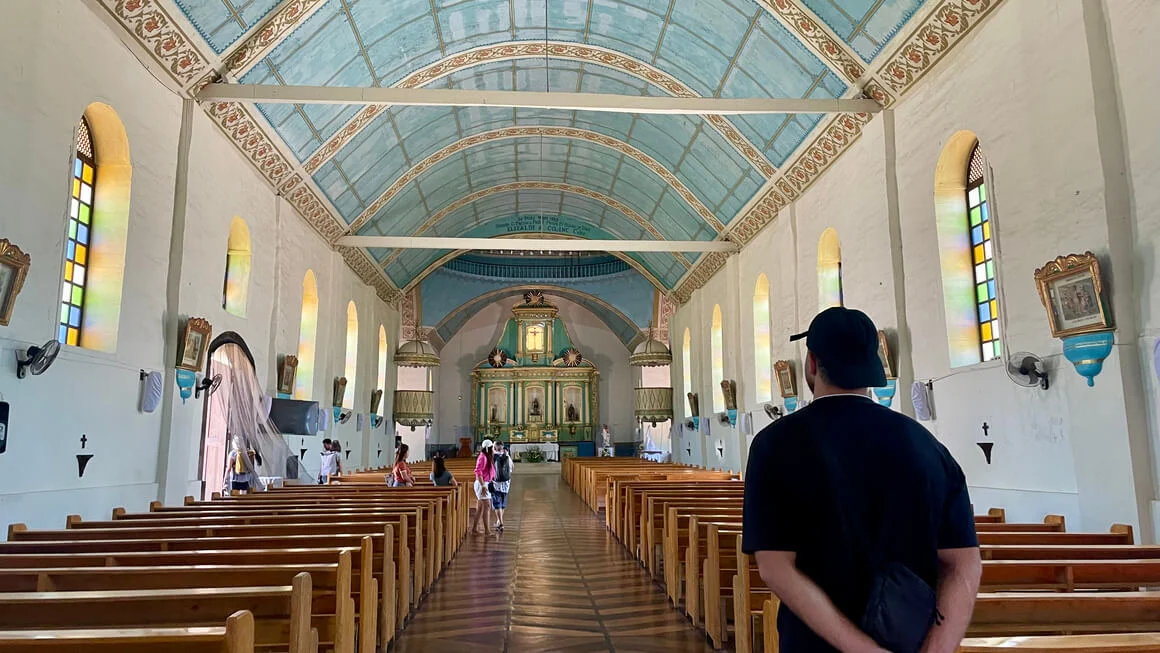
History of Siquijor: From Island of Fire to Mystical Paradise
Trace Siquijor's fascinating history from pre-colonial times through Spanish colonization to the modern era. Discover how the 'Island of Fire' earned its mystical reputation.
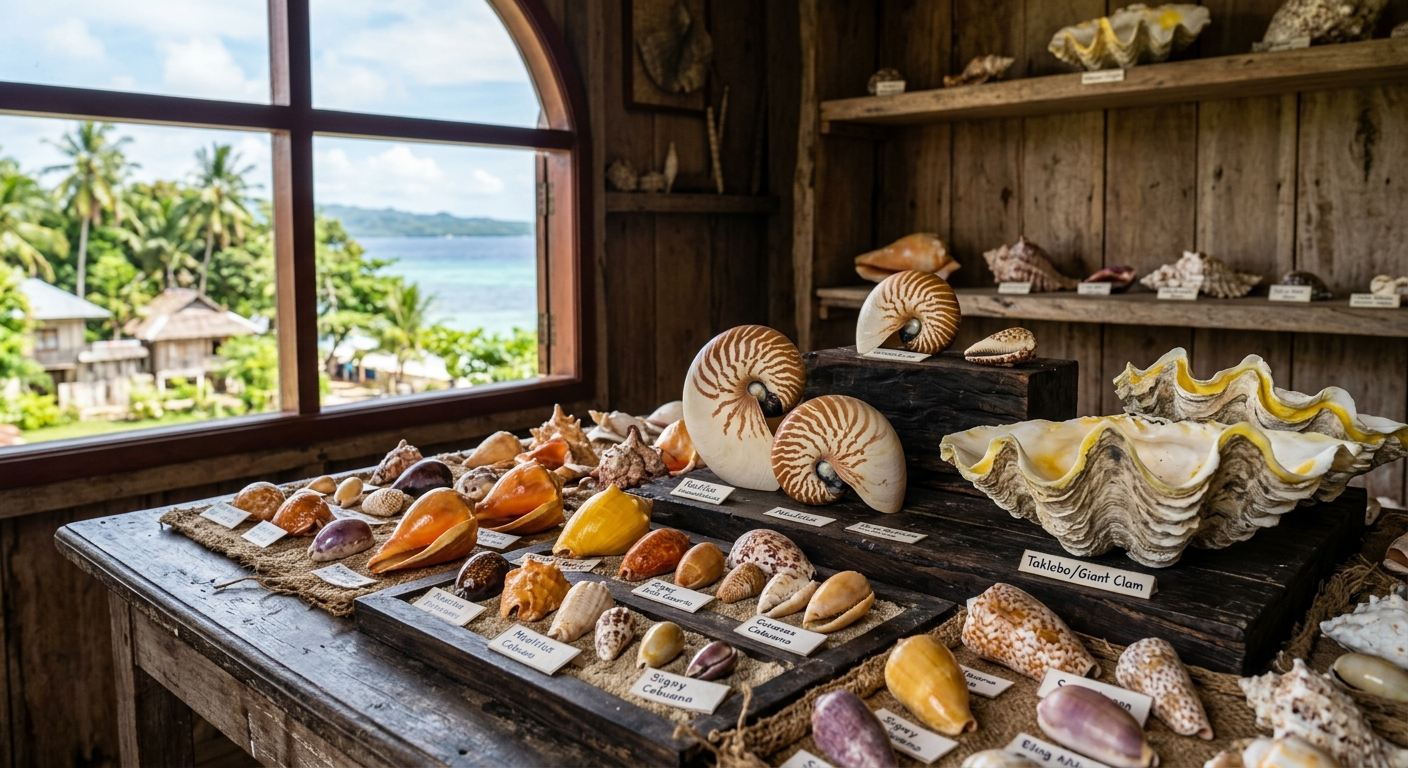
Siquijor's Seashell Museums and Marine Heritage: A Complete Visitor's Guide
Explore the fascinating world of Philippine marine shells at Siquijor's specialized museums. From rare spiral nautilus specimens to giant clam shells, discover the island's coastal heritage through expertly curated shell collections.

Siquijor's Ancient Balete Trees: Where Mystic Heritage Meets Living Traditions
Centuries-old balete trees with massive root systems and sacred fish ponds are central to Siquijor's folklore and healing traditions. This guide explores the history, legend, and visitor experience.