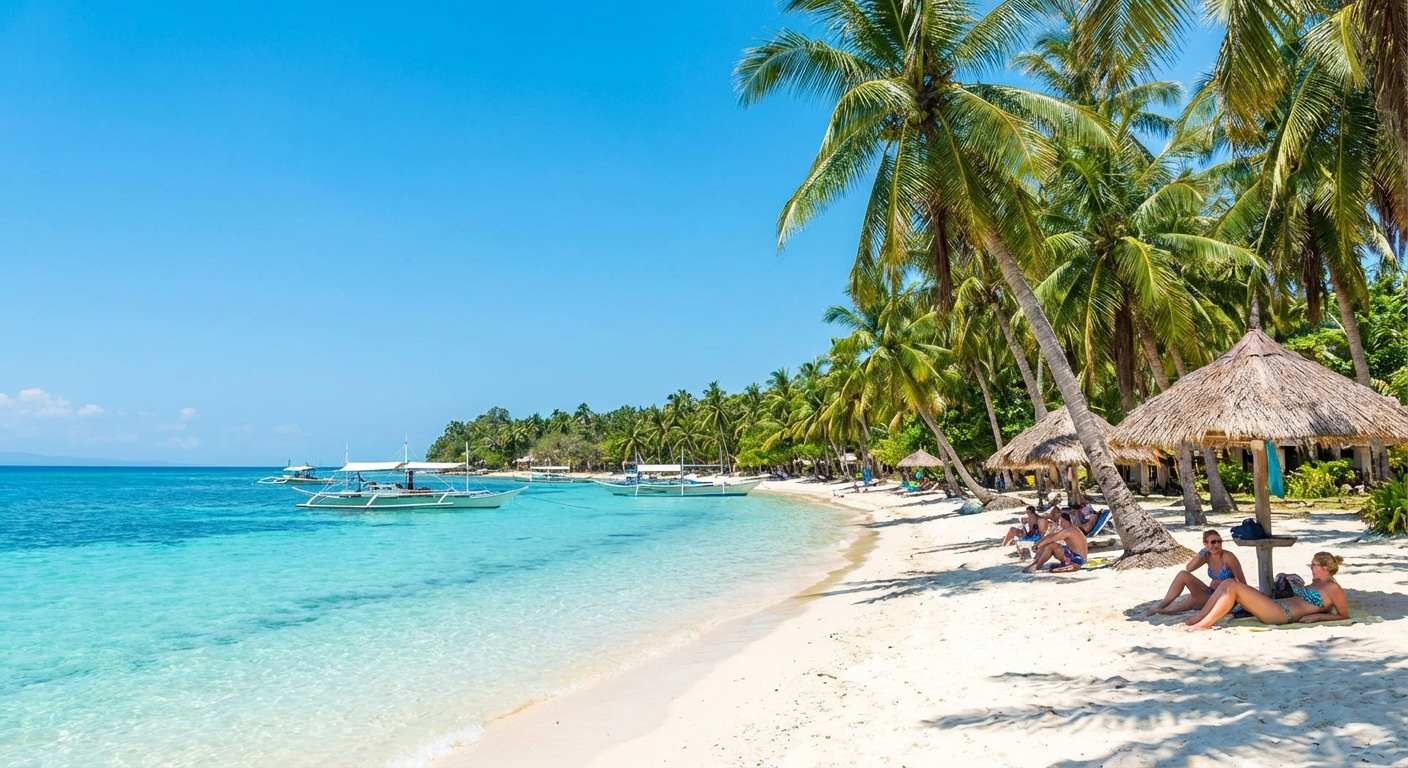
March in Siquijor: Complete Peak Season Activities and Events Guide
Plan your March visit to Siquijor Island with this comprehensive guide to peak season activities, weather conditions, events, and practical tips for making the most of the island's best travel month.
March stands as arguably the single best month to visit Siquijor Island. The dry season is fully established, the waters are at their clearest, and the island buzzes with an energy that balances lively tourist activity with the laid-back character that makes Siquijor special. This guide covers everything you need to know about visiting during this prime window, from the best activities to pursue to practical considerations that will shape your trip.
March Weather on Siquijor
Understanding the weather patterns in March helps explain why the month attracts so many visitors and why conditions are ideal for nearly every outdoor activity the island offers.
Temperature and Humidity
Daytime temperatures in March typically range from 28 to 33 degrees Celsius, with nighttime lows rarely dropping below 24 degrees. Humidity levels are moderate compared to the wet season months, generally hovering between 70 and 80 percent. The combination of warm temperatures and manageable humidity makes for comfortable conditions whether you are hiking Mount Bandilaan, snorkeling at Tubod Marine Sanctuary, or simply reading on the beach.
Rainfall
March receives some of the lowest rainfall of any month in Siquijor. Average precipitation sits at roughly 50 to 80 millimeters for the entire month, compared to 200-plus millimeters during the wet season peaks. Rain that does occur tends to come in brief afternoon showers that clear quickly, leaving behind dramatic skies and cooler evening temperatures. Planning outdoor activities for the morning hours virtually guarantees dry conditions.
Sea Conditions
The waters surrounding Siquijor reach peak clarity in March. Underwater visibility at popular snorkeling and diving sites regularly exceeds 20 meters, and calm seas make boat trips comfortable even for those prone to seasickness. Water temperatures hover around 28 to 29 degrees Celsius, warm enough to snorkel or dive without a wetsuit for extended periods.
Best Activities for March
The favorable conditions in March open up the full range of Siquijor experiences. Here are the activities that shine brightest during this period.
Snorkeling and Diving
March offers what many consider the best underwater conditions of the year. Tubod Marine Sanctuary, located near San Juan, provides some of the most accessible snorkeling on the island. The sanctuary’s protected reef supports abundant coral growth and a resident population of tropical fish, sea stars, and occasional sea turtles. During March, the water clarity makes it possible to see the sandy bottom even in deeper sections of the sanctuary.
For certified divers, the dive sites around Siquijor and nearby Apo Island present exceptional opportunities. The coral walls off the island’s western coast host nudibranchs, pygmy seahorses, and a variety of reef sharks. Night dives in March are particularly rewarding, as the calm conditions allow easy navigation and the chance to spot nocturnal creatures like Spanish dancers and hunting lionfish.
Waterfall Exploration
Siquijor’s waterfalls maintain good flow in March despite the dry conditions, fed by spring sources rather than surface runoff. This means the water is clear rather than muddy, creating the turquoise and emerald pools that appear in travel photographs.
Cambugahay Falls remains the most visited, and for good reason. The three-tiered cascade with its rope swings and natural pools is at its most photogenic in March. To avoid the midday crowds, arrive before 8:00 AM or visit after 3:00 PM. The morning light filtering through the canopy creates an atmosphere that is worth the early start.
Lugnason Falls, also known as Zodiac Falls, offers a more secluded alternative. The short but steep trail down to the falls passes through dense forest, and the pool at the base is deep enough for swimming. In March, the reduced flow reveals rock formations and small caves behind the curtain of water that are hidden during wetter months.
Lagaan Falls, tucked in the interior near the municipality of Maria, provides yet another option. The falls feature a natural rope swing and a series of pools connected by small cascades. The surrounding forest is alive with birdsong, and the relative remoteness means you may have the place to yourself even during peak season.
Beach Days
The beaches of Siquijor reach their best condition in March. Reduced wave action and minimal rainfall mean the sand is clean, the water is calm, and the overall experience is as close to postcard-perfect as real life allows.
Paliton Beach, with its line of coconut palms and fine white sand, is the most photographed beach on the island. In March, the calm waters are ideal for swimming and the sunsets are consistently spectacular. Arrive by mid-afternoon to secure a good spot and watch the sky transform.
Salagdoong Beach offers a different experience, with its cliff jumping platforms and forest-backed cove. The calm March seas make the cliff jumps safer and more enjoyable, and the underwater visibility allows you to see the bottom clearly from the jumping platforms above.
For something quieter, seek out Kagusuan Beach on the eastern coast. This small, rocky beach faces the sunrise and rarely sees more than a handful of visitors. In March, the morning light hitting the clear water creates an almost luminous quality that rewards early risers.
Island Hopping
March is the premier month for island hopping from Siquijor. The calm seas and clear skies make boat trips to nearby destinations comfortable and visually stunning.
Apo Island, located roughly 25 kilometers to the northwest, is the most popular day trip. The island’s marine sanctuary is home to one of the densest populations of sea turtles in the Visayas, and snorkeling with these gentle creatures is a highlight of many visitors’ trips. In March, boat operators can access all the best snorkeling points around the island without concern about rough water.
Local fishermen also offer trips to smaller islets and sandbar formations that emerge during low tide. These excursions provide opportunities for secluded swimming, snorkeling over untouched reef patches, and picnic lunches prepared with freshly caught fish.
Hiking and Nature Walks
The dry March conditions create ideal hiking weather. Mount Bandilaan, Siquijor’s highest point at 628 meters, offers the most substantial trail on the island. The hike through forest and grassland takes two to three hours round trip and rewards with panoramic views of the island and, on clear days, the coastlines of Negros and Cebu.
The Butterfly Sanctuary near the summit of Mount Bandilaan is particularly active in March, when many butterfly species are in their peak flight season. The sanctuary’s garden paths wind through flowering plants that attract dozens of species, including several endemic to the Visayas.
For a less strenuous option, the mangrove boardwalks near Capalasanan provide easy walking through coastal ecosystems. The boardwalks are well maintained and suitable for all fitness levels, offering close views of mangrove root systems and the marine life that shelters within them.
Cultural Experiences
March is an excellent time to engage with Siquijor’s cultural offerings. The drier weather means more outdoor events and gatherings, and the local communities are active with preparations for the Lenten season.
The traditional healers, or mananambal, receive visitors year-round, but March falls in a period when many healing practitioners are particularly active. If you are interested in learning about Siquijor’s healing traditions, local guides can arrange respectful visits to healers who are willing to explain their practices and the medicinal plants they use.
Market days in the municipal centers offer an authentic glimpse into daily life. The Siquijor town market and the Lazi market are the most vibrant, with stalls selling fresh seafood, tropical fruits, local sweets, and household goods. March brings an abundance of mangoes, which are at their sweetest during the dry season.
Events and Festivals in March
While Siquijor’s major festival, the Healing Festival or Dilaab, typically falls later in the year, March has its own rhythm of events.
Lenten Season Preparations
As a predominantly Catholic island, Siquijor’s communities begin visible preparations for Holy Week during March. Churches across the six municipalities hold special services, and you may witness processions and devotional activities, particularly in the historic churches of Lazi and Siquijor town. These events are open to respectful observers and provide insight into the deep interweaving of faith and daily life on the island.
Barangay Fiestas
Individual barangays celebrate their patron saint feast days throughout the year, and several fall in March. These local fiestas feature street decorations, community meals, amateur singing competitions, and basketball tournaments. They are informal, welcoming events where visitors are often invited to join the celebration and share food with local families. Ask at your accommodation about any upcoming fiestas during your stay.
Full Moon Gatherings
The full moon in March draws visitors interested in Siquijor’s mystical traditions. While the large-scale healing gatherings are associated with specific festivals, smaller informal gatherings occur during full moons at various locations around the island. These events range from casual beach bonfires to more structured healing ceremonies, depending on the practitioners involved.
Practical Tips for March Travel
Booking and Availability
March is peak season, and accommodation fills quickly, particularly during weekends and the lead-up to Holy Week. Book your lodging at least two to four weeks in advance, especially if you have a specific resort or guesthouse in mind. Budget accommodations and popular mid-range options are the first to fill.
Ferry schedules from Dumaguete and Tagbilaran run at full capacity during March. While additional trips are sometimes added, purchasing tickets a day in advance is wise. The morning ferries from Dumaguete tend to be the most popular and fill first.
Crowds and Timing
Siquijor in March is busier than the wet season months but remains far less crowded than mainstream Philippine destinations like Boracay or El Nido. The island’s infrastructure naturally limits visitor numbers, and even at peak occupancy, you can find quiet beaches and uncrowded trails.
The busiest period within March is typically the final two weeks, as Holy Week approaches and domestic travelers take advantage of the long holiday. If you prefer quieter conditions, the first half of March offers the same excellent weather with fewer visitors.
Sun Protection
The March sun in Siquijor is intense, particularly between 10:00 AM and 3:00 PM. Sunburn can happen quickly, even on overcast days. Wear reef-safe sunscreen, a hat, and lightweight long-sleeved clothing when spending extended time outdoors. Reapply sunscreen frequently, especially after swimming.
Hydration
The combination of heat, humidity, and physical activity can lead to dehydration faster than many visitors expect. Carry water with you at all times, particularly when hiking or exploring away from town centers. Most convenience stores and sari-sari shops sell bottled water, and many restaurants offer free refills of purified water.
Transportation
Motorcycles remain the primary mode of visitor transportation on Siquijor. In March, the dry roads make riding conditions excellent, though the increased traffic from fellow visitors requires extra caution, particularly on the narrow interior roads leading to waterfalls and mountain sites. If you are not confident on a motorcycle, tricycle hire for day tours is widely available and reasonably priced.
Budget Considerations
Prices for accommodation and some services may be slightly higher during March peak season compared to wet season rates. However, the differences are generally modest, typically 10 to 20 percent above low-season pricing. Food, transportation, and activity costs remain consistent year-round.
Sample March Day Plans
Active Adventure Day
Start with an early morning hike at Mount Bandilaan, arriving at the trailhead by 6:00 AM to beat the heat. After descending, visit the Butterfly Sanctuary nearby. Head to Cambugahay Falls for a late morning swim and rope swing session. Lunch at a local eatery in Lazi, followed by an afternoon visit to Salagdoong Beach for cliff jumping. End the day watching the sunset from Paliton Beach.
Relaxation and Culture Day
Begin with sunrise at Kagusuan Beach, followed by breakfast at a San Juan cafe. Mid-morning, visit the Lazi Church and Convent, one of the oldest in the Philippines. Browse the Lazi market for local products and fresh fruit. Afternoon at Tubod Marine Sanctuary for gentle snorkeling. Late afternoon, visit the Old Enchanted Balete Tree and its fish spa. Sunset dinner at a beachfront restaurant.
Marine Exploration Day
Depart early for an Apo Island day trip, snorkeling with sea turtles and exploring the island’s marine sanctuary. Return to Siquijor in the early afternoon and rest during the hottest hours. Late afternoon, snorkel at a less-visited reef section along the western coast. Evening, join a night dive if certified, or take a sunset boat ride along the coast.
Why March Works
The appeal of March in Siquijor comes down to a convergence of favorable factors. The weather is reliable. The seas are calm and clear. The natural attractions are at their most accessible and photogenic. The island has enough visitors to support a lively atmosphere without feeling overcrowded. And the cultural calendar adds layers of interest beyond the standard beach-and-waterfall circuit.
Whether you are a first-time visitor planning a quick weekend getaway or a returning traveler looking to explore deeper, March provides the conditions to experience Siquijor at its absolute best. The combination of natural beauty, cultural richness, and practical convenience makes it difficult to find a better time to set foot on the Mystic Island.
Related Travel Guides
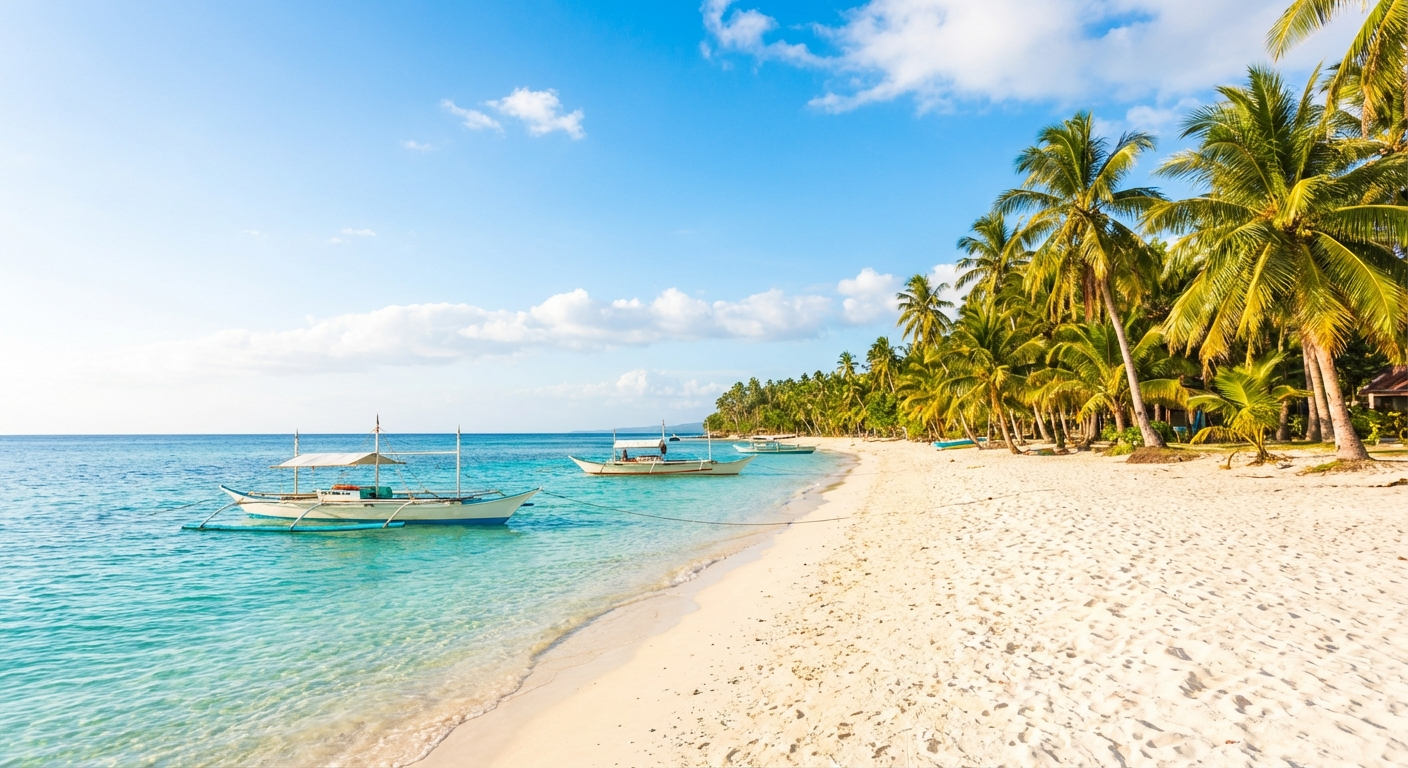
Siquijor Dry Season Guide: Best Time to Visit from February to May
Plan your perfect Siquijor dry season trip with this complete guide covering weather, activities, packing tips, crowds, and month-by-month breakdown for February through May 2026.
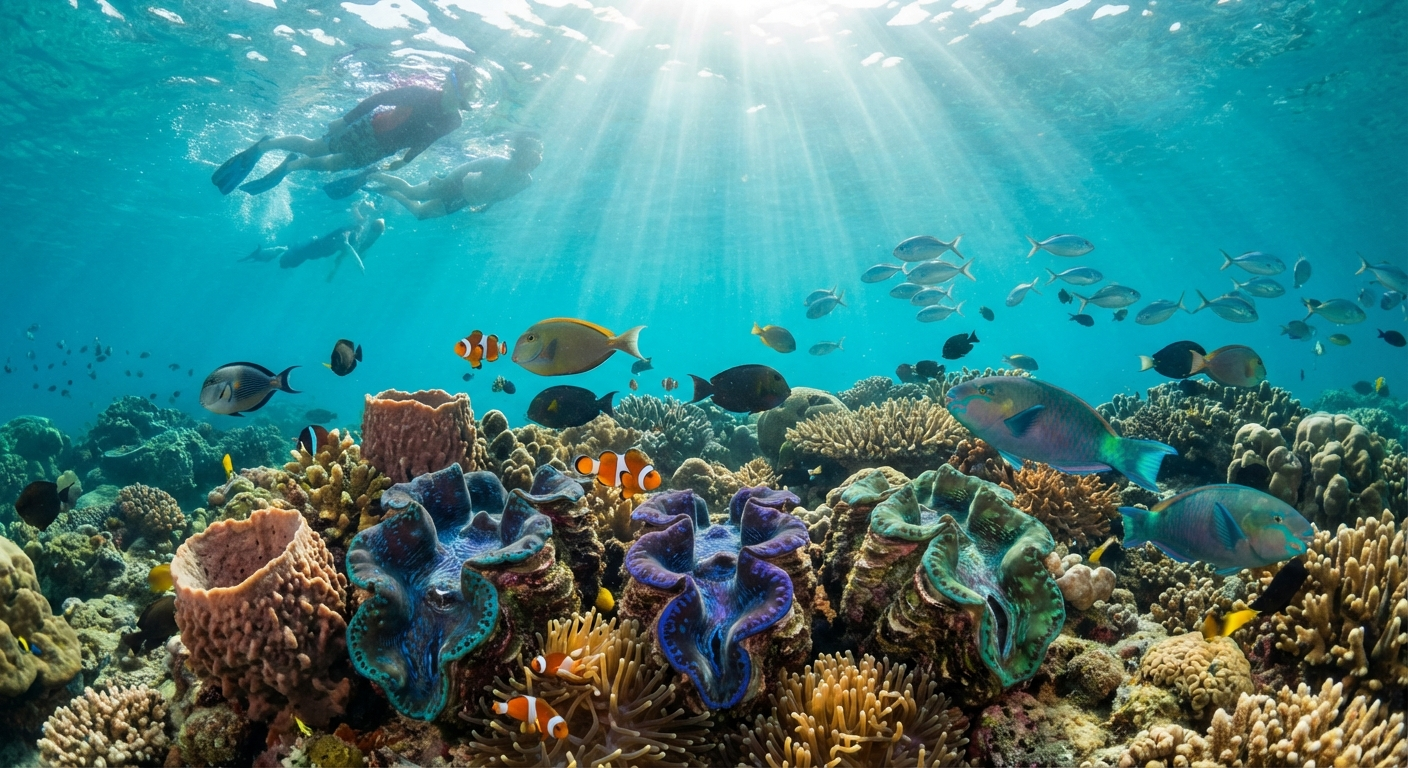
Snorkeling Siquijor in April: Top Marine Sanctuaries for Crystal Clear Visibility
Discover Siquijor's best snorkeling spots during April's peak dry season. Complete guide to marine sanctuaries, visibility conditions, and underwater biodiversity.

Siquijor in April 2026: Complete Late Dry Season Travel Guide
Everything you need to know about visiting Siquijor in April 2026. Best activities, weather conditions, Holy Week events, accommodation tips, and what makes late dry season the ideal time to visit.