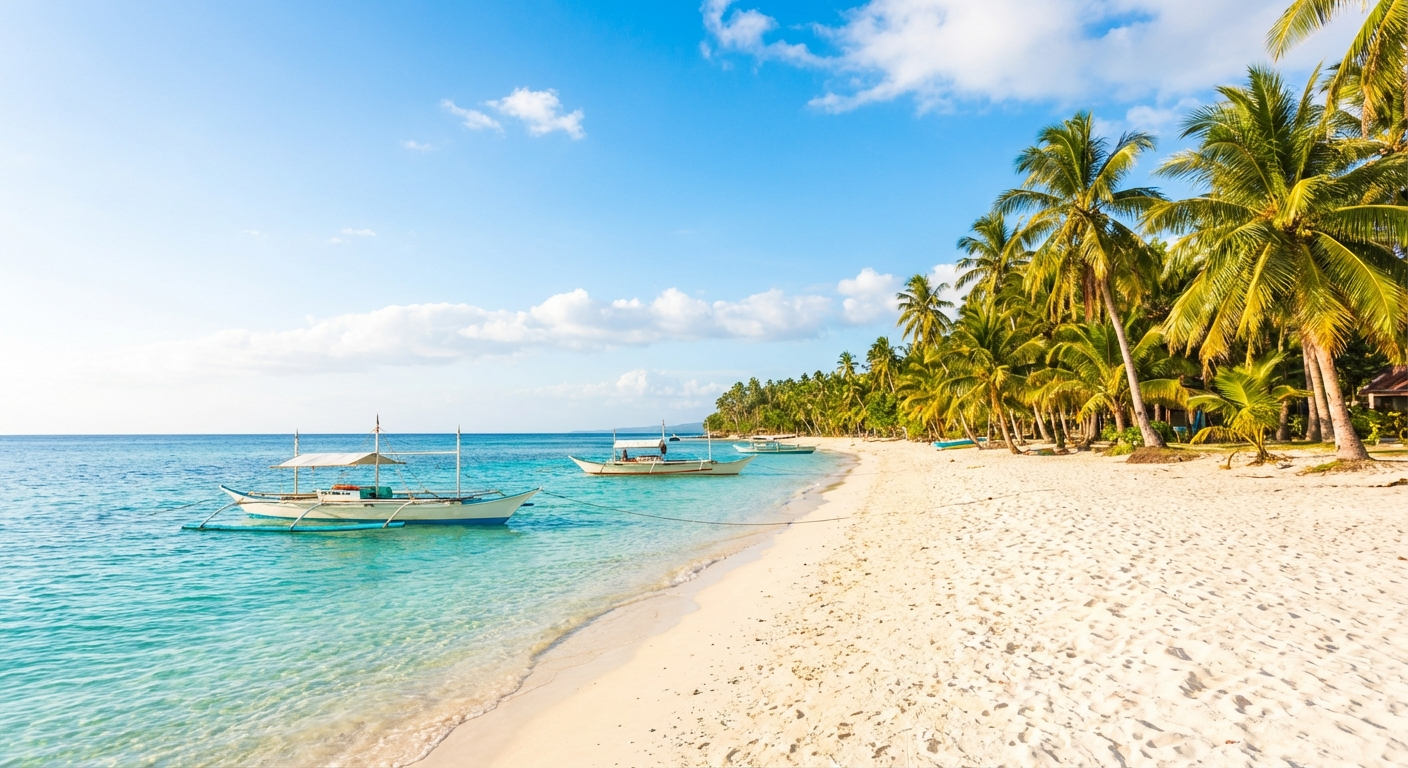
Siquijor Dry Season Guide: Best Time to Visit from February to May
Plan your perfect Siquijor dry season trip with this complete guide covering weather, activities, packing tips, crowds, and month-by-month breakdown for February through May 2026.
The dry season in Siquijor runs from approximately February through May, and it represents the island at its most accessible and visually stunning. Skies stay clear for days at a stretch, the sea calms to glass-like conditions perfect for snorkeling and diving, and waterfalls run with enough force from the tail end of the previous rainy season to remain spectacular. This is the window when Siquijor delivers the postcard-perfect tropical island experience that draws travelers from around the world.
But dry season travel also brings crowds, higher prices, and scorching midday heat. This guide breaks down what to expect month by month, how to plan around the peak periods, and how to make the most of your visit during Siquijor’s best weather window.
Understanding Siquijor’s Dry Season Climate
Siquijor sits in the Central Visayas, where the climate follows a relatively predictable pattern influenced by the northeast monsoon (amihan) and the southwest monsoon (habagat). The dry season corresponds with the tail end of the amihan and the inter-monsoon transition period.
Temperature
Daytime temperatures during dry season typically range from 29 to 34 degrees Celsius (84 to 93 degrees Fahrenheit). February tends to be the mildest month, with temperatures gradually climbing through March and peaking in April and May. Nighttime temperatures drop to a comfortable 24 to 26 degrees Celsius, making evenings pleasant for outdoor dining and beachside relaxation.
Rainfall
February averages the least rainfall of any month in Siquijor, often with fewer than five rainy days. March remains similarly dry. April can bring occasional afternoon showers as the atmosphere begins to shift toward the wet season, though these are typically brief and clear quickly. May marks the transition period, with increasing humidity and more frequent afternoon thunderstorms, though mornings usually remain bright and sunny.
Humidity
Humidity levels during February and March hover around 70 to 75 percent, which feels manageable with the coastal breeze. By April and May, humidity climbs noticeably, often reaching 80 to 85 percent. The combination of high temperatures and humidity in late dry season makes sun protection and hydration particularly important.
Sea Conditions
The sea around Siquijor is generally calm during dry season, with visibility reaching 15 to 30 meters for divers and snorkelers. February and March offer the best underwater visibility. Wave heights are minimal, making boat trips to Apo Island and other nearby destinations comfortable even for those prone to seasickness.
Month-by-Month Breakdown
February: The Sweet Spot
February is widely considered the best single month to visit Siquijor. The weather is at its driest and most comfortable, underwater visibility peaks, and crowds have not yet reached their highest levels (that comes during Holy Week in March or April).
The island feels alive but not overwhelmed. Accommodation availability is good if you book two to three weeks ahead. Prices are in the mid-range between off-season rates and peak-season premiums. This is an excellent time for diving, with whale shark sightings occasionally reported in the broader Visayas region.
February evenings are among the most pleasant of the year. The temperature drops enough to sit comfortably outdoors without air conditioning, and the sky frequently delivers brilliant sunsets over the Sulu Sea.
March: Peak Season Begins
March brings the fullest tourism calendar of the year. International visitors arrive in larger numbers, and domestic tourism picks up as Filipino families plan spring break trips. Temperatures climb slightly from February, and the days grow longer.
Holy Week, which falls in late March or April depending on the year, represents the absolute peak period. Ferries to and from Siquijor run at capacity, accommodation prices reach their highest point, and popular attractions like Cambugahay Falls and Salagdoong Beach see significant crowds.
If your dates are flexible, aim for early to mid-March before Holy Week. You get the excellent weather without the peak crowds and pricing.
Siquijor’s healing festivals, deeply rooted in the island’s mystical traditions, sometimes coincide with Holy Week. These events are culturally significant and worth experiencing if you happen to be on the island, though visitors should approach them with respect and cultural sensitivity.
April: Hot and Busy
April is the hottest month in Siquijor. Midday temperatures regularly hit 33 to 34 degrees Celsius, and the sun is intense enough to cause sunburn within 20 to 30 minutes of unprotected exposure. The heat makes early morning and late afternoon the best times for outdoor activities, with midday hours best spent in the shade or underwater.
Tourism remains high through Easter and the first half of April, tapering off slightly in the second half. This late-April window can offer good value, with better accommodation rates and fewer visitors at popular sites.
Waterfall levels begin to drop noticeably in April as the dry season takes its toll on the island’s streams. Cambugahay Falls and Lugnason Falls remain flowing, but smaller waterfalls may slow to a trickle.
May: The Transition
May sits on the boundary between dry and wet seasons. Mornings typically start clear and sunny, with clouds building through the afternoon and occasional thunderstorms in the late afternoon or evening. These storms are usually short-lived and dramatic rather than day-ruining.
Tourism drops in May as the school year begins in the Philippines and international visitors thin out. This makes it one of the best value months to visit if you can tolerate the higher humidity and occasional rain. Accommodation prices fall, and you may find popular spots nearly to yourself during weekday visits.
The sea remains generally calm in May, though visibility begins to decrease as runoff from early rains enters the water. Diving and snorkeling are still excellent but not quite at their February peak.
Best Dry Season Activities
Diving and Snorkeling
The calm seas and exceptional visibility of February through April make this the premier season for underwater exploration. Tubod Marine Sanctuary, Sandugan Marine Sanctuary, and the house reefs of various coastal resorts offer snorkeling accessible directly from shore. For diving, the island’s numerous dive sites feature walls, coral gardens, and marine life ranging from nudibranchs to reef sharks.
Apo Island day trips are best scheduled during dry season when sea conditions make the 30-minute boat crossing smooth and comfortable. The sea turtle population at Apo is present year-round, but calm water means better visibility and easier snorkeling.
Island Circuit Tour
The classic 72-kilometer loop around Siquijor by motorcycle is most enjoyable during dry season when roads are dry and the risk of rain-slicked pavement is minimal. The circuit passes through all six municipalities, connecting major attractions including the Balete Tree, Cambugahay Falls, Lazi Church, Salagdoong Beach, and Paliton Beach.
Start early, ideally by 7:00 AM, to cover the western and southern portions of the loop before the midday heat peaks. This timing also means arriving at popular stops like Cambugahay Falls before the tour groups.
Beach Days
Siquijor’s beaches shine brightest during dry season. Paliton Beach offers the most photogenic sunset coastline, with its rows of coconut palms and west-facing orientation. Solangon Beach provides a quieter alternative with good snorkeling directly offshore. Kagusuan Beach, accessible via a steep path, rewards the effort with a largely uncrowded crescent of sand.
During peak dry season weekends, even Siquijor’s beaches can feel busy by island standards. Weekday visits offer a dramatically different experience, with long stretches of sand often shared among just a handful of visitors.
Waterfall Chasing
The island’s waterfalls are at their best in February and early March, when they carry the accumulated water from the rainy season while benefiting from dry weather that keeps trails accessible and the surrounding forest floor firm. Cambugahay Falls is the most famous, with its multi-tiered turquoise pools and rope swings, but Lugnason Falls and Lagaan Falls offer more solitude.
Visit waterfalls in the morning when light filters through the canopy and before the midday crowds arrive. Weekday mornings at Cambugahay Falls are particularly rewarding, as the falls can feel almost private compared to the weekend experience.
Packing for Dry Season
Sun Protection
This cannot be overstated. The tropical sun in Siquijor during dry season is intense. Pack reef-safe sunscreen with SPF 50 or higher, a wide-brimmed hat, UV-protective sunglasses, and a lightweight long-sleeve rash guard for snorkeling. Reapply sunscreen every two hours, especially after swimming.
Clothing
Lightweight, breathable fabrics in light colors are essential. Cotton and linen work well for casual wear. Quick-dry athletic clothing is practical for active days. Bring one warmer layer for air-conditioned spaces and ferry crossings, as the contrast between outdoor heat and indoor cooling can be jarring.
Footwear
Reef shoes or water sandals are valuable for rocky beach entries and waterfall pools. Flip-flops work for general use. If you plan to hike Mount Bandilaan or explore Cantabon Cave, bring proper closed-toe shoes with good grip.
Hydration
Carry a reusable water bottle and refill it frequently. Dehydration sneaks up quickly in tropical heat, especially when you are active outdoors. Most accommodation and restaurants can refill water bottles from purified sources.
Snorkeling Gear
While snorkeling gear is available for rent at most marine sanctuaries, bringing your own mask ensures a proper fit and better experience. A dry-top snorkel and quality mask take up minimal luggage space and improve every underwater outing.
Accommodation Tips for Dry Season
Book Early
For February through April travel, book accommodation at least three to four weeks in advance. During Holy Week, six to eight weeks is advisable. Popular properties sell out quickly, especially those with beachfront locations or highly rated online reviews.
Price Expectations
Expect dry season rates to be 20 to 40 percent higher than rainy season rates at most properties. Budget accommodation (hostels and basic guesthouses) ranges from PHP 800 to 1,500 per night. Mid-range options (private rooms with air conditioning and en-suite bathroom) run PHP 2,000 to 4,000. Upscale resorts start around PHP 5,000 and go up from there.
Location Strategy
Stay on the western or southern coast for the best sunset views and proximity to popular attractions. San Juan municipality is the most popular base, offering the highest concentration of restaurants, bars, and beachfront accommodation. Larena town (the main ferry port) is convenient for arrivals and departures but offers less in terms of beachside ambiance.
Avoiding the Crowds
Even during peak dry season, Siquijor offers escape from crowds if you know where to look.
Visit major attractions on weekday mornings. The difference between a Monday morning and a Saturday afternoon at Cambugahay Falls is striking. Explore the island’s interior, including the butterfly sanctuary and forest trails of Mount Bandilaan National Park, which receive a fraction of the coastal traffic. Seek out the less-promoted beaches, like those along the northern coast between Larena and Enrique Villanueva, where development is minimal and visitors are few.
Schedule your island circuit tour on a weekday rather than a weekend. The road will be quieter, parking at attractions easier, and the overall experience more relaxed.
Getting to Siquijor During Dry Season
Ferry services operate at increased frequency during dry season to meet demand. Multiple daily departures from Dumaguete serve Siquijor on vessels ranging from large roll-on/roll-off ferries to smaller fast craft. Additional services from Tagbilaran (Bohol) and Cebu operate on regular schedules.
During Holy Week and other peak periods, ferries can sell out. Purchase tickets in advance online where available, or arrive at the port at least an hour before departure to secure a spot. The new commercial flight service from Cebu offers an alternative for those who prefer to avoid the ferry rush, though flight seats are limited and book up quickly during peak dates.
Final Thoughts
The dry season months of February through May offer Siquijor Island in its most welcoming form. Clear skies, calm seas, and warm temperatures create ideal conditions for every type of island experience, from underwater exploration to motorcycle adventures to simple beach relaxation.
The trade-offs are real: higher prices, more visitors, and intense heat, especially in April and May. But with smart planning, early bookings, and a willingness to explore beyond the most popular stops, dry season Siquijor delivers an experience that justifies its reputation as one of the Philippines’ most enchanting island destinations.
February remains the standout month for the best combination of weather, value, and manageable crowds. But any month in the dry season window rewards visitors with a tropical island experience that stays in memory long after the tan fades.
Related Travel Guides

Siquijor in April 2026: Complete Late Dry Season Travel Guide
Everything you need to know about visiting Siquijor in April 2026. Best activities, weather conditions, Holy Week events, accommodation tips, and what makes late dry season the ideal time to visit.
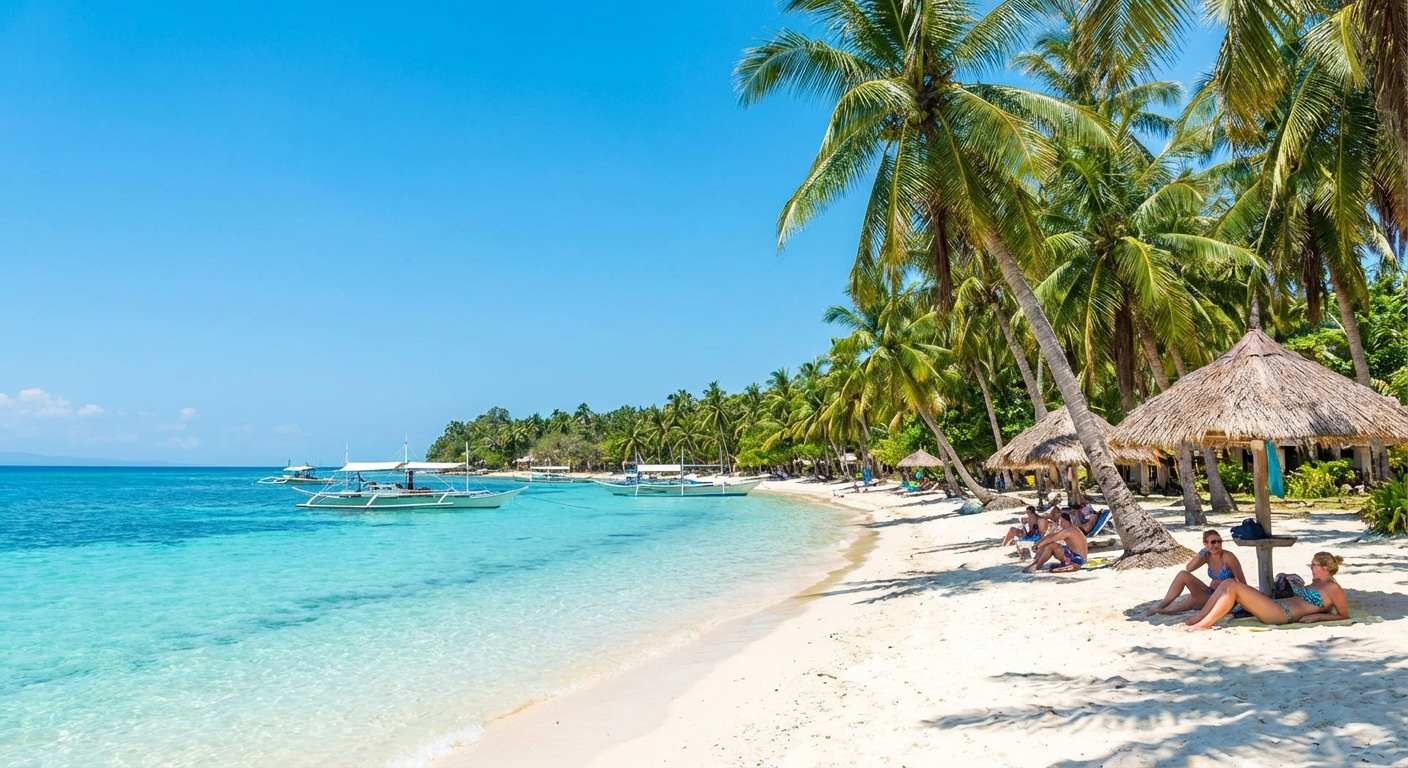
March in Siquijor: Complete Peak Season Activities and Events Guide
Plan your March visit to Siquijor Island with this comprehensive guide to peak season activities, weather conditions, events, and practical tips for making the most of the island's best travel month.
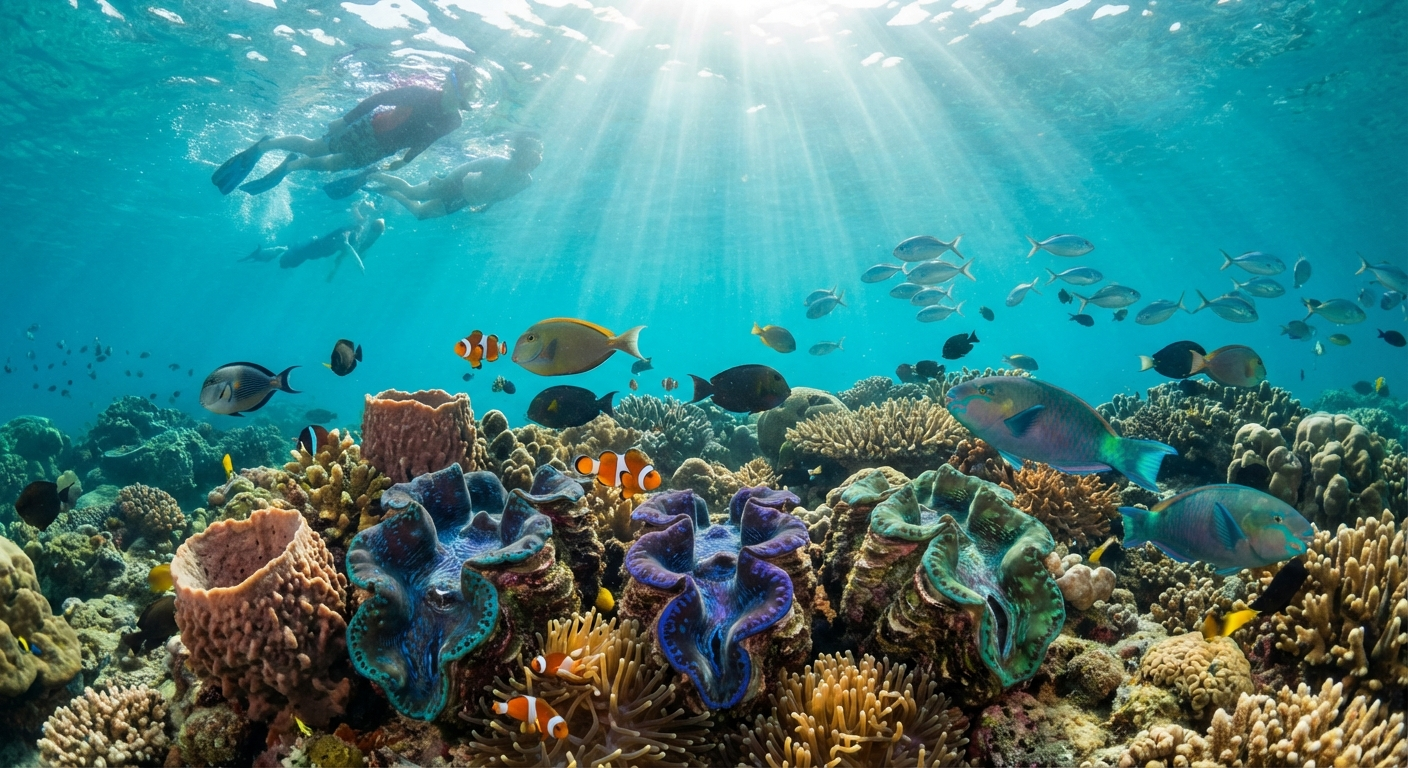
Snorkeling Siquijor in April: Top Marine Sanctuaries for Crystal Clear Visibility
Discover Siquijor's best snorkeling spots during April's peak dry season. Complete guide to marine sanctuaries, visibility conditions, and underwater biodiversity.