Snorkeling Siquijor in April: Top Marine Sanctuaries for Crystal Clear Visibility
Discover Siquijor's best snorkeling spots during April's peak dry season. Complete guide to marine sanctuaries, visibility conditions, and underwater biodiversity.
April transforms Siquijor’s underwater world into a snorkeler’s paradise. The dry season’s calm seas, minimal rainfall runoff, and stable weather patterns create optimal visibility conditions that can reach an extraordinary 25-30 meters in the island’s protected marine sanctuaries.
While most visitors focus on Siquijor’s mystical reputation and Instagram-worthy waterfalls, the island’s marine biodiversity rivals—and in some cases surpasses—more famous diving destinations like nearby Apo Island. April’s crystal-clear conditions reveal coral gardens, sea turtle populations, and fish diversity that remain hidden during the rougher monsoon months.
Understanding where to snorkel, when to go, and what to expect maximizes your underwater experience while supporting the conservation efforts that keep these marine sanctuaries thriving.
Why April Offers Peak Snorkeling Conditions
Exceptional water clarity. April’s minimal rainfall means virtually no freshwater runoff clouding coastal waters. Combined with calm seas and consistent sunshine, underwater visibility reaches annual peak levels.
Optimal sea temperatures. Water temperatures stabilize at a comfortable 28-29°C (82-84°F), perfect for extended snorkeling sessions without wetsuit requirements.
Calm surface conditions. Trade winds moderate to gentle breezes, creating mirror-like surface conditions that make entry, exit, and surface navigation significantly easier.
Marine life activity. Many tropical fish species exhibit increased activity during the dry season’s stable conditions, improving wildlife spotting opportunities.
Tubod Marine Sanctuary: Giant Clam Capital
Location: Tubod Beach, San Juan Municipality
Entry fee: 30 PHP per person
Best time: 10:00 AM - 2:00 PM
Visibility: 20-25 meters in April
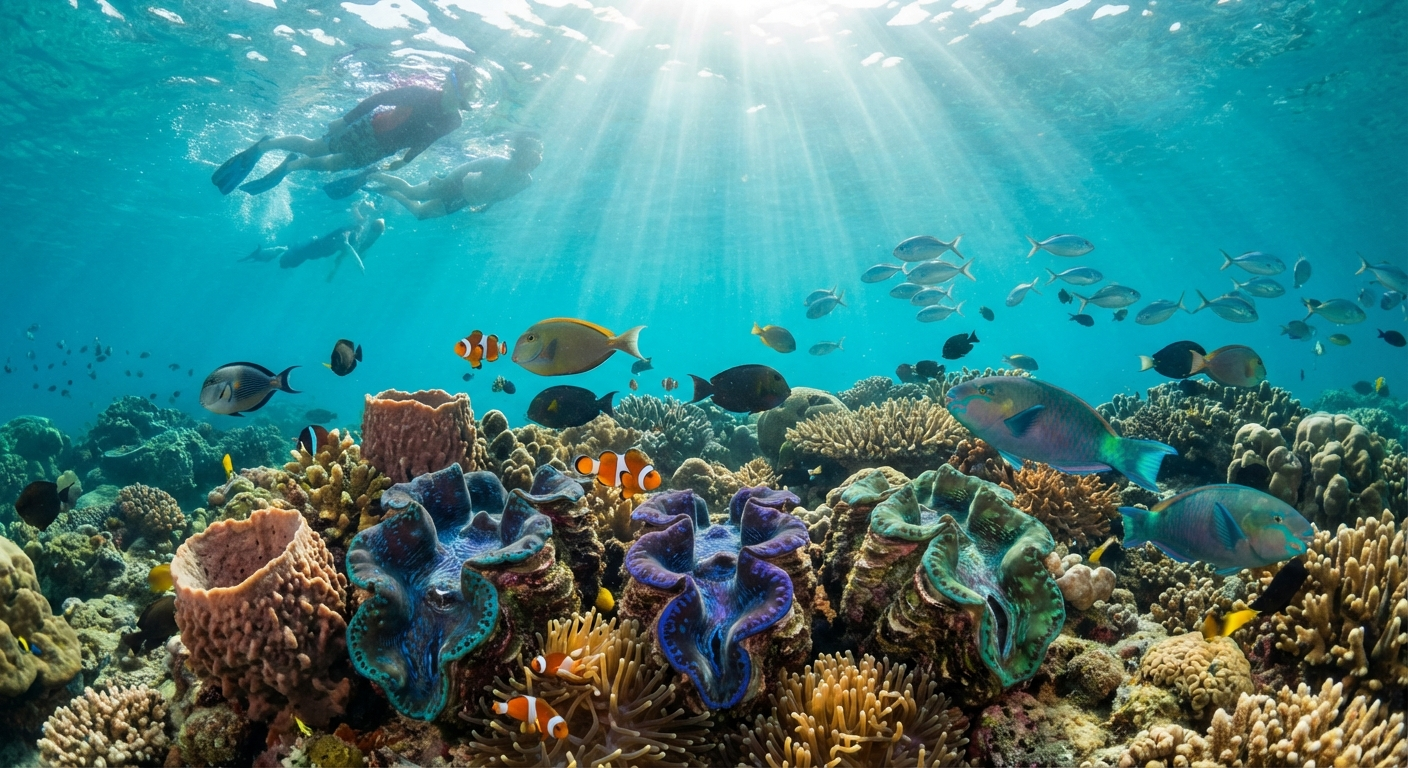
Tubod Marine Sanctuary protects Siquijor’s most accessible coral reef ecosystem, located just 50 meters from the sandy beach. The sanctuary’s signature attraction—massive giant clams (Tridacna gigas) scattered across the reef flat—creates an underwater landscape unlike anywhere else in the Visayas.
What Makes Tubod Special
The sanctuary encompasses 33 hectares of protected reef area, ranging from shallow coral gardens perfect for beginners to deeper drop-offs suitable for experienced snorkelers. April’s calm conditions allow easy access to all zones.
Giant clam diversity. Tubod hosts over 200 individual giant clams representing three species. The largest specimens measure over one meter in length and display brilliant blues, greens, and purples as they filter-feed in the shallow waters.
Coral coverage. Recent coral restoration efforts have achieved impressive results. Hard coral coverage now exceeds 60% in many areas, with table corals, brain corals, and staghorn formations creating complex habitat structures.
Fish biodiversity. The sanctuary supports over 150 fish species. Common sightings include parrotfish, angelfish, butterflyfish, and wrasse. Larger species like grouper and snapper patrol the deeper areas.
Snorkeling Strategy for Tubod
Entry point: Wade in from the main beach area where rental equipment is available. The sandy bottom slopes gradually, allowing comfortable gear adjustment before reaching the reef.
Navigation route: Follow the rope markers that define sanctuary boundaries. Swimming parallel to shore at 3-5 meter depth provides optimal viewing of both giant clams and coral formations.
Duration recommendation: 45-60 minutes covers the main attraction areas without fatigue. The shallow depths and clear water make extended sessions comfortable.
Safety considerations: Watch for boat traffic in the designated swimming lanes. Local bancas occasionally cross the sanctuary area, so maintain awareness of surface activity.
Caticugan Marine Sanctuary: Sea Turtle Haven
Location: Caticugan, Lazi Municipality
Entry fee: 25 PHP per person
Best time: 8:00 AM - 10:00 AM, 3:00 PM - 5:00 PM
Visibility: 18-22 meters in April
Caticugan Marine Sanctuary offers Siquijor’s highest probability sea turtle encounters. The protected area encompasses critical feeding grounds for green sea turtles and hawksbill turtles, making it a premier wildlife snorkeling destination.
Turtle Population and Behavior
Green sea turtles frequent the sanctuary’s seagrass beds, where they graze on turtle grass and algae. These gentle giants, often reaching 1.5 meters in length, show remarkable tolerance for respectful snorkelers.
Hawksbill turtles prefer the coral reef areas where they hunt for sponges and other invertebrates. Smaller and more agile than green turtles, hawksbills display distinctive shell patterns that make individual identification possible.
Best viewing times: Early morning (8-10 AM) and late afternoon (3-5 PM) align with turtle feeding activity. Midday heat drives turtles to deeper, cooler waters beyond snorkeling range.
Caticugan Snorkeling Experience
Approach strategy: Enter from the designated access point near the barangay hall. Local guides, available for 200 PHP, significantly improve turtle spotting success through their knowledge of current turtle locations.
Viewing etiquette: Maintain 3-meter distance from turtles. Avoid flash photography and sudden movements that might disturb feeding behavior. Touching or riding turtles carries heavy fines and permanent sanctuary banishment.
Alternative attractions: When turtles prove elusive, Caticugan’s coral formations and fish diversity provide excellent backup entertainment. The sanctuary also features small underwater caves perfect for exploration.
Local support: Caticugan operates through community-based management. Fees directly support local conservation efforts and provide alternative livelihoods for former fishermen now working as sanctuary guardians.
Tulapos Marine Sanctuary: Historic Conservation Success
Location: Tulapos, Maria Municipality
Entry fee: 20 PHP per person
Best time: 9:00 AM - 11:00 AM
Visibility: 15-20 meters in April
Tulapos represents the Philippines’ oldest community-managed marine sanctuary, established in 1985 when local fishermen recognized the need for reef protection. Four decades of conservation have created a remarkable ecosystem recovery story.
Conservation Achievement
Coral recovery: Tulapos demonstrates what sustained protection can achieve. Coral coverage has increased from less than 10% in the 1980s to over 70% today, creating a thriving underwater ecosystem.
Fish population recovery: Fish biomass within the sanctuary now exceeds surrounding areas by 300-400%. Large predatory fish like barracuda, trevally, and grouper patrol the sanctuary boundaries.
Spillover effect: Healthy fish populations within Tulapos sanctuary spill over into adjacent fishing areas, improving catches for local fishermen and demonstrating conservation’s economic benefits.
Unique Tulapos Features
Mangrove integration. The sanctuary extends into adjacent mangrove areas, creating a seamless ecosystem transition from terrestrial to marine environments. Juvenile fish use mangrove roots as nursery areas before moving to coral reefs.
Educational opportunities. Local guides provide detailed explanations of conservation history and current management practices. This educational component adds meaning beyond simple wildlife viewing.
Photography potential. The diverse habitat types within a small area create excellent underwater photography opportunities. Macro subjects in mangrove areas contrast with wide-angle coral reef scenes.
Snorkeling Tulapos Effectively
Timing advantage: As the least-visited sanctuary, Tulapos rarely experiences crowds. April weekday visits often provide completely private snorkeling experiences.
Equipment recommendations: Bring your own gear if possible. Local rental options are limited compared to more touristy sanctuaries.
Extended exploration: Consider combining Tulapos with nearby Maria’s cultural attractions. The town’s traditional architecture and local markets provide excellent surface interval activities.
Paliton Marine Protected Area: Advanced Snorkeling
Location: Paliton Beach, San Juan Municipality
Entry fee: No formal fee (donations appreciated)
Best time: 11:00 AM - 1:00 PM
Visibility: 22-28 meters in April
Paliton Marine Protected Area offers Siquijor’s most challenging and rewarding snorkeling experience. Stronger currents, deeper waters, and more exposed conditions require intermediate to advanced snorkeling skills but provide access to the island’s most pristine marine environment.
Advanced Marine Ecosystem
Pristine coral formations. Paliton’s exposure to open ocean currents brings nutrient-rich water that supports exceptional coral growth. Hard coral diversity exceeds other Siquijor locations.
Pelagic fish encounters. The deeper waters and current systems attract larger fish species rarely seen in protected bays. Barracuda, tuna, and occasional manta ray sightings reward experienced snorkelers.
Underwater topography. The reef system features dramatic drop-offs, swim-throughs, and coral pinnacles that create an underwater landscape rivaling famous diving sites.
Paliton Safety Considerations
Current assessment: Always check current conditions before entering. Local fishermen provide reliable current predictions and safety advice.
Entry/exit strategy: Use the protected cove area for entry and exit. The main beach faces open ocean with potentially dangerous surf conditions.
Buddy system mandatory. Never snorkel Paliton alone. The remote location and challenging conditions make emergency assistance difficult.
Weather dependency. Only attempt Paliton during calm weather conditions. April generally provides suitable conditions, but daily assessment remains essential.
Essential Snorkeling Preparation
Gear and Equipment
Mask and snorkel: Bring your own for hygiene and proper fit. Rental equipment quality varies significantly between locations.
Fins: Essential for efficient movement and safety in current areas. Open-heel fins with booties provide better comfort for extended sessions.
Rash guard or thin wetsuit: Protects against sun exposure and minor coral abrasions. April’s warm water makes thick wetsuits unnecessary.
Underwater camera: Bring adequate memory cards and backup batteries. April’s clear conditions provide excellent photography opportunities.
Environmental Responsibility
Reef-safe sunscreen only. Traditional sunscreens contain chemicals harmful to coral reefs. Use zinc oxide or titanium dioxide-based alternatives.
No-touch policy. Avoid touching corals, fish, or other marine life. Even gentle contact can damage delicate reef organisms.
Waste management. Pack out all trash and avoid single-use plastic items. Marine sanctuaries have limited waste management infrastructure.
Respect sanctuary rules. Each sanctuary has specific regulations designed to protect marine ecosystems. Follow guidelines strictly and respect local management decisions.
Seasonal Advantages of April Snorkeling
Extended underwater time. Calm conditions and excellent visibility encourage longer snorkeling sessions without fatigue or safety concerns.
Photography excellence. Natural lighting conditions in April create optimal underwater photography opportunities with minimal artificial lighting requirements.
Marine life activity. Many species exhibit increased activity during stable weather periods, improving wildlife encounter probabilities.
Comfortable surface intervals. Pleasant weather makes extended beach time between snorkeling sessions enjoyable rather than endurance tests.
Supporting Local Conservation
Snorkeling fees directly support sanctuary maintenance, equipment purchases, and community livelihood programs. Consider additional contributions to help expand conservation efforts.
Volunteer opportunities. Several sanctuaries welcome visitors interested in coral restoration or marine monitoring activities. Contact barangay offices for current volunteer programs.
Educational support. Purchase locally-made educational materials or sponsor school environmental education programs operating in sanctuary communities.
Sustainable tourism choices. Select accommodations and tour operators actively supporting marine conservation through partnerships with sanctuary management groups.
April’s exceptional conditions make Siquijor’s marine sanctuaries accessible to snorkelers of all experience levels while showcasing underwater biodiversity that rivals the Philippines’ most celebrated diving destinations. Whether seeking giant clam encounters at Tubod, turtle interactions at Caticugan, conservation education at Tulapos, or advanced underwater exploration at Paliton, the island’s protected waters offer experiences that extend well beyond typical tropical snorkeling adventures.
Related Travel Guides
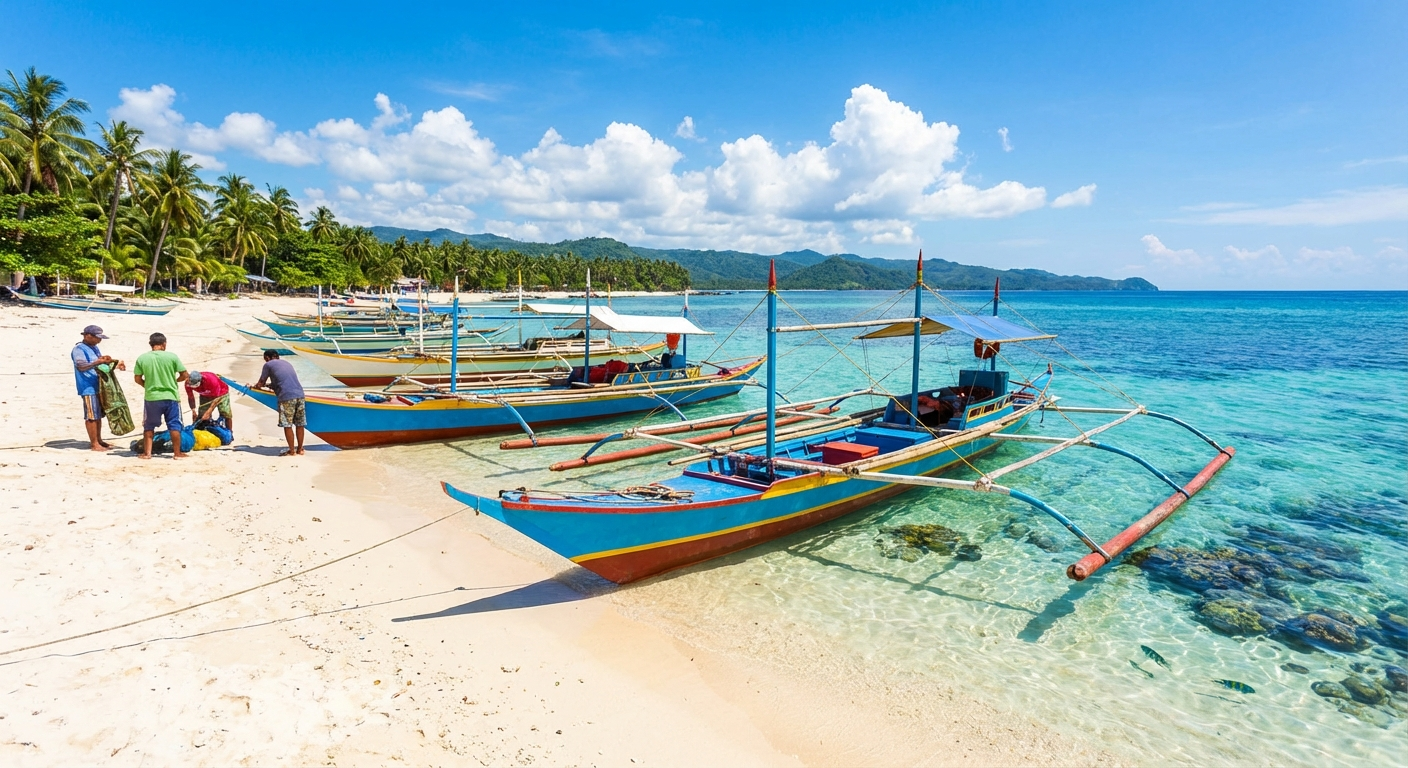
Island Hopping from Siquijor: Ultimate Day Trip Guide to Nearby Paradise Islands
Complete guide to day trips from Siquijor Island. Explore Apo Island Marine Sanctuary, Negros Oriental beaches, Bohol attractions, and hidden island gems via boat tours.

Siquijor in April 2026: Complete Late Dry Season Travel Guide
Everything you need to know about visiting Siquijor in April 2026. Best activities, weather conditions, Holy Week events, accommodation tips, and what makes late dry season the ideal time to visit.
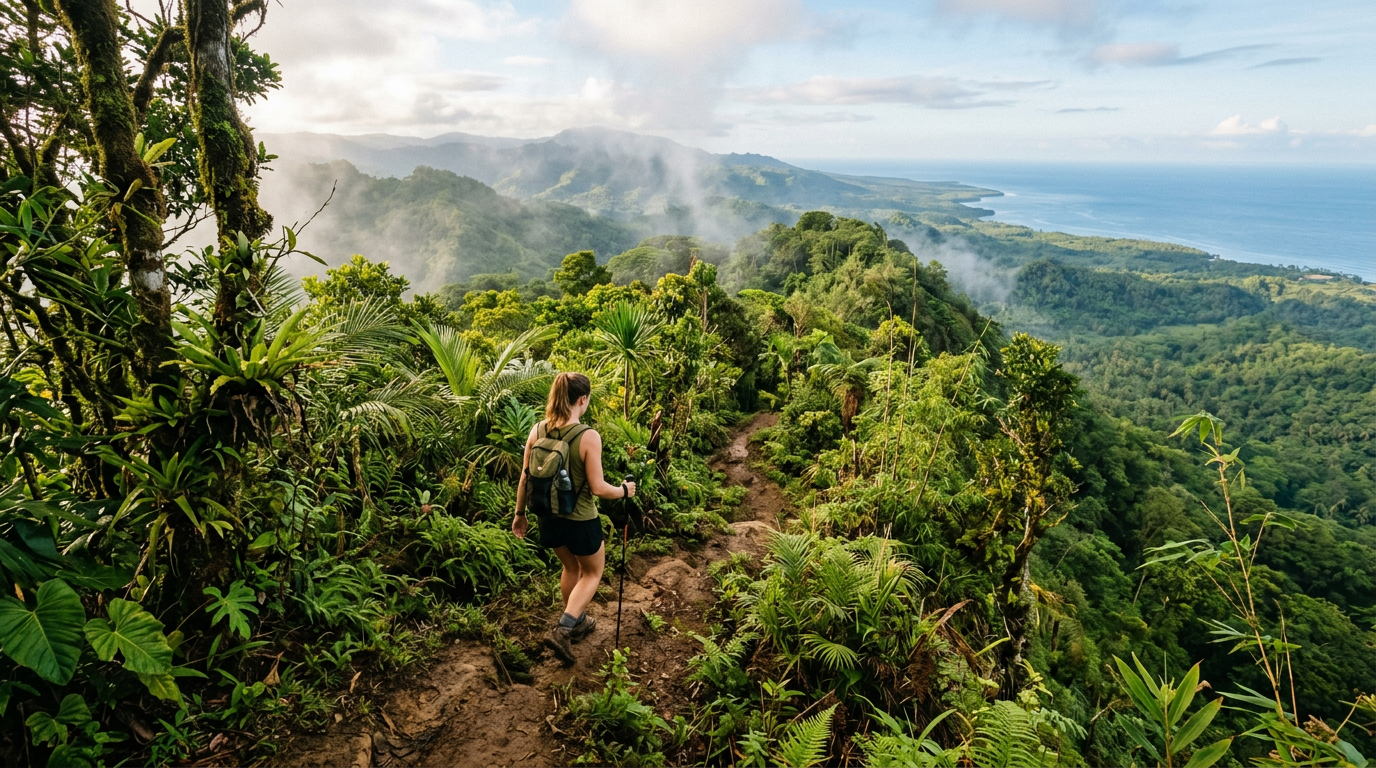
Beyond the Ring Road: Hiking Siquijor's Interior Highlands and Forest Trails
Escape the coast and explore Siquijor's lush interior highlands on foot. A complete guide to inland hiking trails, jungle paths, and elevated viewpoints across the island's mountainous interior.