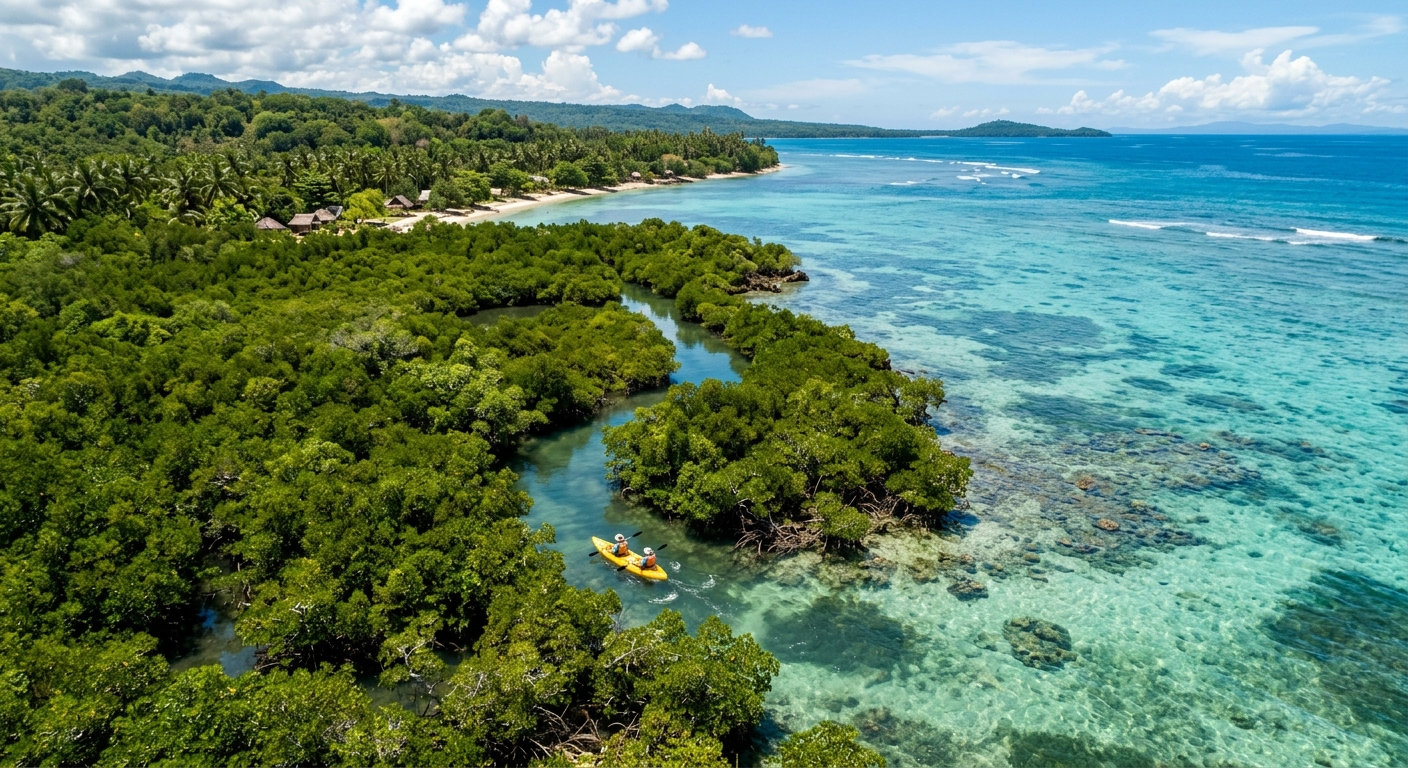
Siquijor Eco-Tourism Guide: Sustainable Travel and Conservation Experiences
Discover Siquijor's best eco-tourism experiences, from coral reef restoration and mangrove kayaking to organic farms and community-led conservation projects.
Why Eco-Tourism Matters in Siquijor
Siquijor sits at a crossroads. Tourism numbers have climbed steadily in recent years, with the island gaining international attention through social media, travel shows, and improved ferry and flight connections. What was once a quiet provincial island known mainly for folk healing traditions is now a recognized destination in the Visayas.
This growth brings opportunity and pressure in equal measure. The same coral reefs, forests, and coastal ecosystems that draw visitors are also vulnerable to the consequences of increased foot traffic, waste generation, and coastal development. Siquijor’s small size, just over 343 square kilometers, means the margin for environmental error is thin.
The good news is that Siquijor has responded with genuine conservation efforts. Marine sanctuaries protect critical reef systems, community-led mangrove restoration projects have expanded coastal buffers, and the provincial government has implemented an ecological fee system that channels tourist revenue directly into environmental protection. For travelers willing to engage with these efforts, the island offers some of the most meaningful eco-tourism experiences in the Philippines.
Marine Sanctuaries and Reef Conservation
Tubod Marine Sanctuary
Located along the coast near San Juan, Tubod Marine Sanctuary is one of Siquijor’s most accessible and well-managed protected areas. The sanctuary covers a stretch of reef that has been off-limits to fishing for years, resulting in a visible recovery of coral cover and fish populations.
Snorkeling here reveals hard and soft corals in good health, schools of reef fish including parrotfish, butterflyfish, and damselfish, and the occasional sea turtle cruising through the shallows. The sanctuary charges a small entrance fee that goes directly toward reef monitoring and maintenance.
What makes Tubod particularly valuable from an eco-tourism perspective is transparency. Local wardens can explain the sanctuary boundaries, the history of reef degradation and recovery, and the community dynamics that make marine protection work in a fishing-dependent economy.
Coral Reef Restoration Projects
Several organizations and resort partners around Siquijor run coral restoration programs where visitors can participate directly. These typically involve learning about coral propagation techniques, transplanting coral fragments onto degraded reef areas, and monitoring the growth of previously transplanted colonies.
Sessions usually last two to three hours and combine a briefing on coral biology with hands-on snorkeling or diving work. Prices vary, but most programs charge between 1,500 and 3,000 PHP per person, which covers materials, guides, and a contribution to ongoing restoration. No prior diving or snorkeling experience is required for the shallower programs.
Participating in coral restoration offers something that standard snorkeling tours cannot: an understanding of how fragile reef ecosystems actually are and how long recovery takes. A single transplanted coral fragment may take three to five years to establish. Seeing the work up close changes how most visitors think about reef interactions for the rest of their trip.
Apo Island Day Trip With Conservation Focus
While technically a separate island under Negros Oriental, Apo Island is a common day trip from Siquijor and one of the Philippines’ most celebrated marine conservation success stories. The island’s community-managed marine sanctuary, established in the 1980s, is considered a global model for coral reef protection.
Day trips from Siquijor typically include a boat ride of about 45 minutes, snorkeling or diving in the sanctuary, and interaction with the local community that manages it. Some operators offer conservation-focused tours that include a guided walk through the island with explanations of how the sanctuary was established and the economic transformation it created for local fishers.
Mangrove Ecosystems and Coastal Conservation
Mangrove Forest Kayaking
Siquijor’s mangrove forests are concentrated along the southern and eastern coasts, with notable stands near Lazi and Maria. Guided kayak tours through these mangrove channels offer a quiet, immersive way to experience one of the island’s most important ecosystems.
Mangroves serve as nurseries for juvenile fish, buffers against storm surges, and carbon sinks that absorb significant amounts of CO2. The guided tours typically last one to two hours and cover the ecological role of mangroves, the species found in Siquijor’s forests, and the threats these ecosystems face from coastal development and pollution.
The kayaking itself is gentle and suitable for beginners. The channels are calm, shaded by overarching mangrove canopies, and home to wading birds, mudskippers, and crabs visible from the kayak.
Community Mangrove Planting
In several coastal barangays, community groups have organized mangrove planting activities that are open to visitors. These are not manufactured tourist experiences but genuine restoration efforts where additional hands are welcome.
Planting sessions involve wading into shallow mudflats and placing mangrove propagules (seedlings) into the sediment. It is muddy, physical work, and deeply satisfying. A typical session lasts about two hours and costs either nothing or a small donation to the community group. Some accommodations in the Lazi and Maria areas can arrange participation.
Forest Conservation and Mountain Ecosystems
Mount Bandilaan National Park
At 557 meters, Mount Bandilaan is the highest point on Siquijor and the center of the island’s remaining forest cover. The national park encompasses a mix of secondary-growth forest, grasslands, and fragments of the old-growth forest that once covered the entire island.
The park is the primary habitat for several endemic and near-endemic species, and it plays a crucial role in the island’s watershed. Hiking trails through the park range from easy walks along the summit road to more challenging paths through forested slopes.
The Butterfly Sanctuary near the summit is a small but worthwhile stop that breeds and displays local butterfly species while educating visitors about the relationship between forest health and insect diversity. The sanctuary operates on entrance fees and donations.
Medicinal Plant Forest Walks
Siquijor’s healing traditions depend on a living pharmacopeia drawn from the island’s forests. The mananambal (traditional healers) have maintained knowledge of medicinal plants for generations, and this knowledge is deeply intertwined with forest conservation. Many of the plants used in traditional remedies grow only in specific forest microhabitats.
Some community tourism initiatives offer guided forest walks with local herbalists who identify and explain the medicinal plants encountered along the trail. These walks are typically arranged through local tourism offices or specific community contacts in the interior barangays. Expect to pay a guide fee of 300 to 500 PHP.
The experience bridges eco-tourism and cultural tourism. You learn about the forest ecosystem while gaining insight into a living tradition that gives communities a direct incentive to protect their forest resources.
Organic Farming and Agri-Tourism
Farm Visits and Organic Agriculture
Siquijor’s agricultural landscape is dominated by coconut palms, but a growing number of small farms are diversifying into organic vegetables, fruit, and herbs. Several of these farms welcome visitors for tours and, in some cases, hands-on experiences like planting, harvesting, or preparing traditional dishes from farm-fresh ingredients.
Farm tourism in Siquijor is still in its early stages, which means experiences feel authentic rather than polished. You might find yourself helping a family harvest camote (sweet potato) or learning how coconut vinegar is made in a backyard operation that has not changed in decades.
The provincial agriculture office has supported organic farming initiatives, and asking at your accommodation about nearby farms open to visitors is the easiest way to arrange a visit. Some farm stays also offer overnight accommodation, combining lodging with agricultural immersion.
Coconut Processing and Value-Added Products
Coconut remains the backbone of Siquijor’s agricultural economy. Eco-tourism around coconut farming focuses on the full production chain: climbing and harvesting, processing copra, pressing virgin coconut oil, fermenting tuba (coconut wine), and making coco sugar.
Several small enterprises around the island demonstrate these processes and sell their products directly. Buying locally made virgin coconut oil or coco sugar supports livelihoods while reducing the environmental footprint associated with imported alternatives. A bottle of locally pressed VCO typically costs 100 to 200 PHP, a fraction of what the same product sells for in Manila or abroad.
Responsible Tourism Practices for Visitors
The Ecological Fee
Since its implementation, the Siquijor Tourism Ecological Fee has become a model for other Philippine destinations. Visitors pay a one-time fee upon arrival (currently 75 PHP for domestic visitors and 200 PHP for international visitors as of 2026), which funds environmental programs including reef monitoring, waste management, and coastal cleanups.
Keep your receipt. It is your contribution to the island’s conservation efforts and is occasionally checked at marine sanctuaries and other protected areas.
Waste Management
Siquijor has limited waste processing infrastructure. The island has no large-scale recycling facility, and waste that cannot be handled locally is shipped to the mainland at significant cost. This makes individual waste reduction particularly impactful.
Practical steps include bringing a reusable water bottle (many accommodations offer filtered water refills), carrying a reusable bag for market shopping, refusing single-use straws and cutlery, and properly disposing of waste in designated bins rather than leaving it at natural sites.
Reef-Safe Sunscreen
Chemical sunscreens containing oxybenzone and octinoxate damage coral reefs even in small concentrations. When snorkeling or swimming in Siquijor’s marine sanctuaries, use reef-safe mineral sunscreens containing zinc oxide or titanium dioxide. Better yet, wear a rashguard for sun protection and minimize sunscreen use altogether.
Some marine sanctuaries now check sunscreen before allowing entry. Coming prepared with the right products avoids delays and protects the reefs you are there to enjoy.
Wildlife Interaction Guidelines
When encountering sea turtles while snorkeling, maintain a distance of at least three meters and do not attempt to touch, ride, or chase them. The same applies to other marine life. Observe, photograph from a respectful distance, and let animals behave naturally.
On land, avoid feeding wild animals, stay on marked trails in protected areas, and do not collect shells, corals, or other natural souvenirs. These guidelines are not merely suggestions. Removing marine specimens is illegal under Philippine law.
Where to Find Eco-Tourism Operators
Community Tourism Offices
The municipal tourism offices in San Juan, Siquijor Town, Lazi, and Maria can connect visitors with community-based tourism programs. These offices maintain lists of accredited guides, community projects open to visitors, and scheduled events like coastal cleanups or tree planting activities.
Eco-Conscious Accommodations
A growing number of resorts and guesthouses in Siquijor have incorporated sustainability into their operations. Look for properties that use solar power, implement waste reduction programs, source food locally, and contribute to community conservation projects. Many of these properties can arrange eco-tourism activities directly.
Dive Shops With Conservation Programs
Several dive operators around the island combine recreational diving with conservation activities. These shops offer reef check dives, underwater cleanup events, and coral restoration programs alongside standard dive courses and fun dives. Choosing a dive shop with active conservation involvement means your recreational spending directly supports reef protection.
Making Your Visit Count
The most meaningful eco-tourism is not about adding a “green” activity to an otherwise standard itinerary. It is about approaching the entire visit with awareness: choosing where your money goes, understanding the environmental context of the places you visit, and leaving the island in at least as good a condition as you found it.
Siquijor rewards this approach. The island is small enough that your individual choices genuinely matter. The ecological fee you pay funds real programs. The reef-safe sunscreen you wear protects a sanctuary that local fishers depend on. The organic farm you visit supports a family experimenting with sustainable agriculture.
In a country with thousands of islands competing for tourist attention, Siquijor has chosen to build its identity around quality over quantity. The island is betting that travelers who come for the reefs, forests, and cultural heritage will also be the travelers who help protect them. That bet is worth supporting.
Related Travel Guides
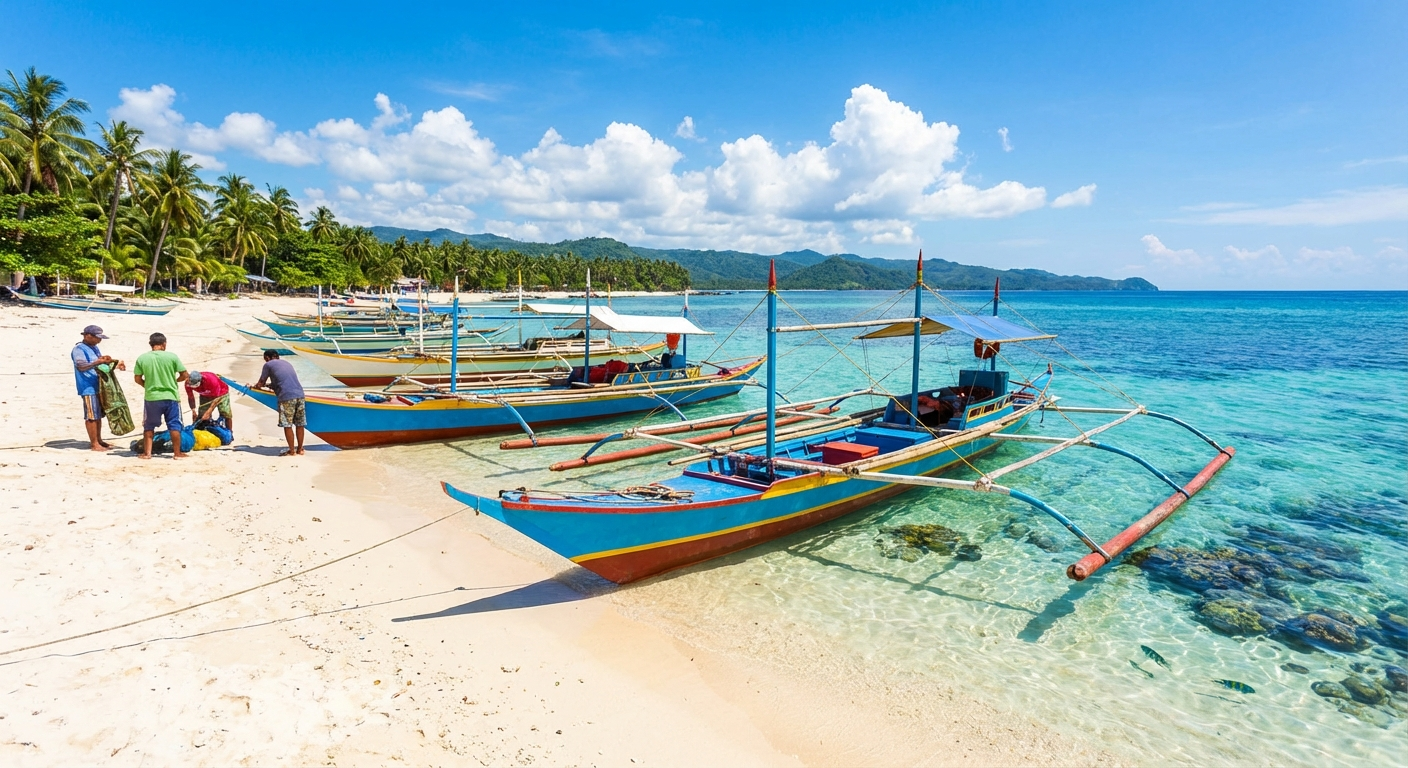
Island Hopping from Siquijor: Ultimate Day Trip Guide to Nearby Paradise Islands
Complete guide to day trips from Siquijor Island. Explore Apo Island Marine Sanctuary, Negros Oriental beaches, Bohol attractions, and hidden island gems via boat tours.
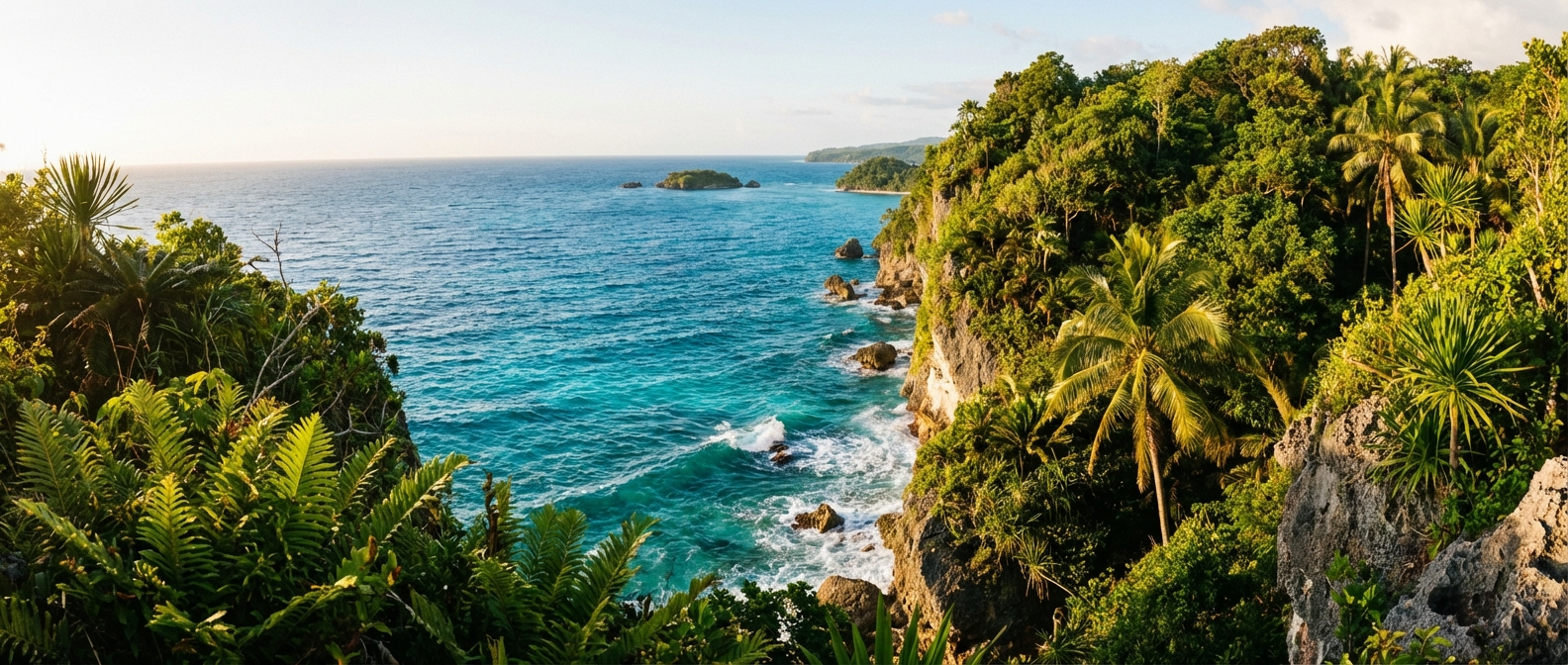
Siquijor's Best Cliff Viewpoints and Coastal Lookouts: A Complete Guide
Find the most stunning cliff viewpoints and coastal lookouts across Siquijor Island. From towering limestone bluffs to hidden hillside vantage points, this guide covers every major viewpoint with directions and visiting tips.
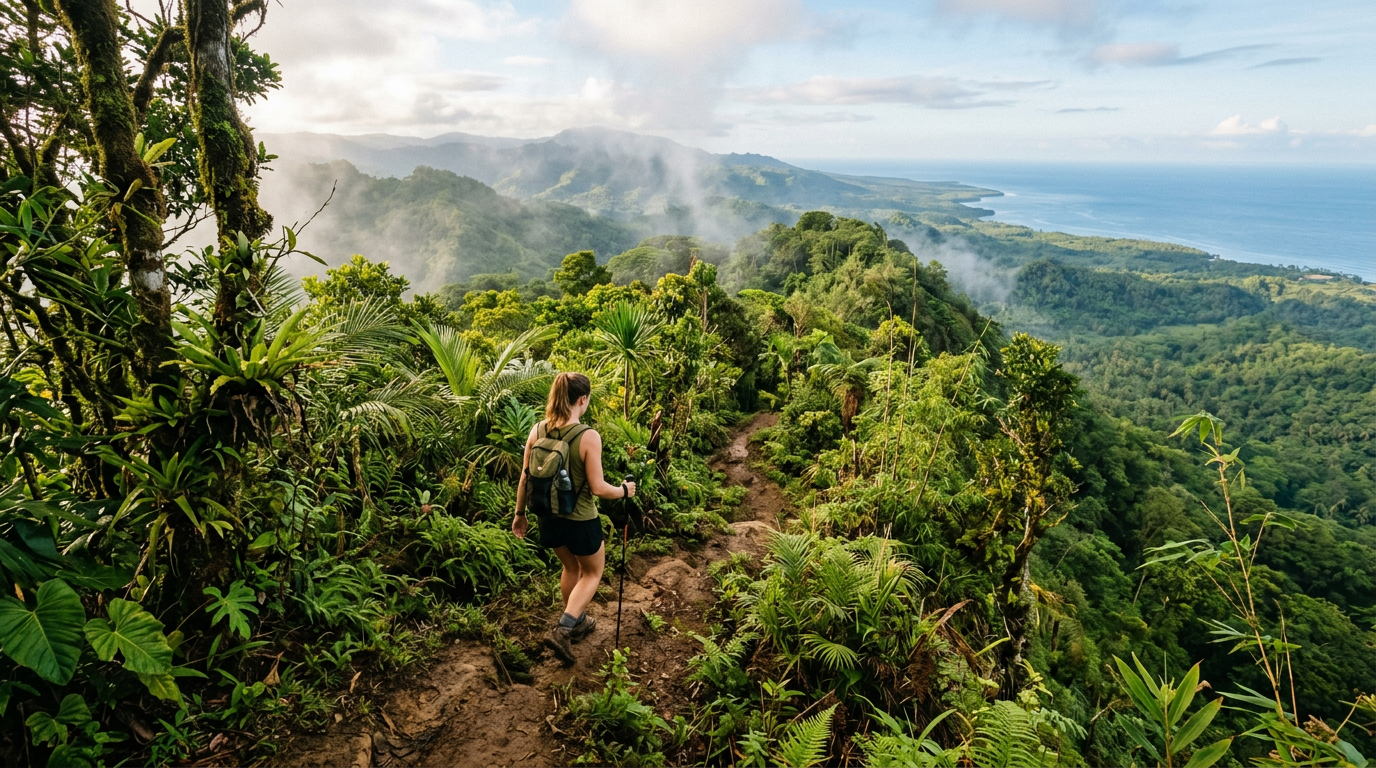
Beyond the Ring Road: Hiking Siquijor's Interior Highlands and Forest Trails
Escape the coast and explore Siquijor's lush interior highlands on foot. A complete guide to inland hiking trails, jungle paths, and elevated viewpoints across the island's mountainous interior.