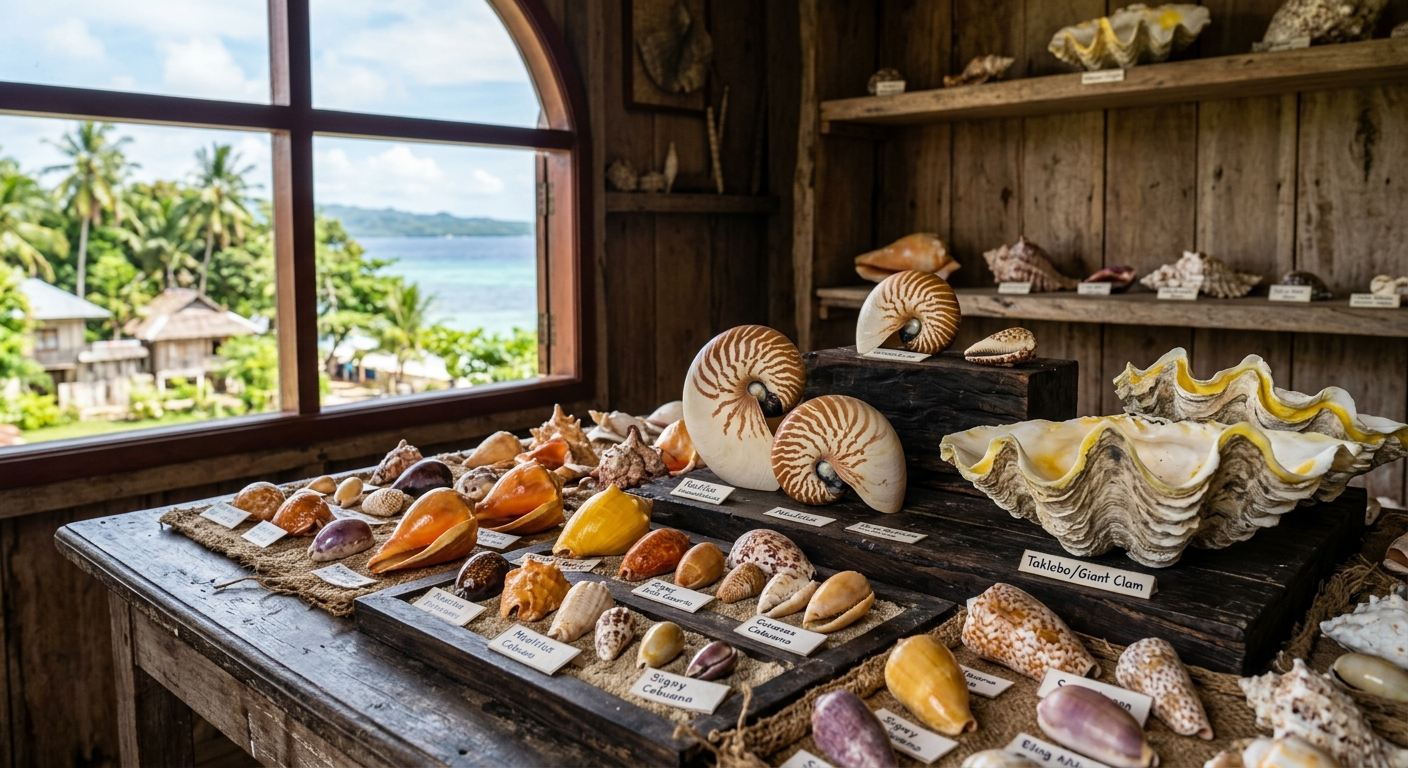
Siquijor's Seashell Museums and Marine Heritage: A Complete Visitor's Guide
Explore the fascinating world of Philippine marine shells at Siquijor's specialized museums. From rare spiral nautilus specimens to giant clam shells, discover the island's coastal heritage through expertly curated shell collections.
The Philippines contains one of the highest concentrations of marine biodiversity in the world, and Siquijor sits at the heart of this underwater treasure house. While most visitors come for beaches and waterfalls, those who dig deeper discover a cultural heritage woven into the fabric of coastal life: the tradition of collecting, studying, and celebrating marine shells.
Siquijor’s shell museums represent more than tourist attractions. They serve as windows into the complex marine ecosystems that surround the island, repositories of local knowledge about coastal species, and educational centers that foster appreciation for the ocean’s role in island life.
Marelle’s Seashell Museum: The Island’s Premier Shell Collection
The standout destination for shell enthusiasts visiting Siquijor is Marelle’s Seashell Museum, located in the barangay of San Juan near the center of the island. This privately operated museum houses one of the most extensive shell collections in the Philippines, with specimens sourced not just from Siquijor’s waters but from marine environments throughout the archipelago and across the Indo-Pacific region.
The collection features over a thousand species displayed in carefully organized cases that categorize shells by type, habitat, and rarity. Visitors move through rooms dedicated to gastropods, bivalves, cephalopods, and special exhibits highlighting rare finds. The displays include both common species that beachcombers might find themselves and extraordinary specimens that most people will never encounter in the wild.
The museum’s namesake, Marelle, spent decades accumulating the collection and developing the expertise to identify and classify each specimen. The collection includes several critically endangered species, serving as a record of marine biodiversity that exists nowhere else in a single location.
Understanding Philippine Marine Shells
The Philippines hosts approximately 10,000 identified mollusk species, with many regions still incompletely surveyed. Siquijor’s position in the Visayan Sea places it at the crossroads of marine life distributions from different regions, resulting in a diversity of shell types found nowhere else in the country.
Gastropods represent the largest group of mollusks and dominate most beach finds. These single-shelled creatures include conches, cowries, and murex snails, each with distinctive shapes and color patterns that have made certain species popular among collectors for centuries. The beautiful cowrie shells were once used as currency in parts of the Asia-Pacific region, a history reflected in their name.
Bivalves include oysters, clams, and scallops, characterized by their two-part hinged shells. The giant clam species, Tridacna, reaches sizes that have made their shells prized as garden ornaments and museum specimens alike. Siquijor’s reefs support several giant clam species, and their empty shells occasionally wash ashore after the animals die of natural causes.
Cephalopods include the chambered nautilus, whose spirally divided shell represents one of the most recognizable and collectible shell forms. Nautilus populations have declined significantly due to overharvesting for the shell trade, making museum specimens increasingly valuable as educational tools about marine conservation.
The Cultural Significance of Shell Collecting in Siquijor
Filipino coastal communities have collected shells for centuries for purposes beyond decoration. Shells served as tools, containers, and measuring devices before manufactured alternatives became available. The coconut opening tool, an island essential, traditionally used a pointed shell attached to a handle.
Children growing up on Siquijor’s coast learned to identify edible species by the shells they encountered, knowledge passed down through generations as part of survival skills. This intimate familiarity with marine shells created the foundation for the more systematic collecting practices that developed into museum collections.
The tradition of using shells in religious and ceremonial contexts also appears throughout Philippine culture. Certain shells are associated with specific rituals, and practitioners still incorporate them into healing ceremonies that blend indigenous and Christian traditions.
What You Will See at Siquijor’s Museums
Walking through the museum galleries, you encounter specimens arranged both taxonomically and thematically. Some rooms group shells by their visual appeal, placing brightly colored species together for aesthetic impact. Others organize by habitat, showing what creatures lived in reef environments versus sandy bottoms versus rocky shores.
The nautilus display typically draws particular attention. These ancient cephalopods have existed virtually unchanged for hundreds of millions of years, and their perfectly symmetrical shells demonstrate mathematical principles that fascinated scientists long before modern mathematics provided formal explanations. Watching a preserved nautilus specimen in its tank reveals the living animal that built the shell, connecting abstract museum objects to living marine life.
Giant clam shells reach impressive sizes, with some specimens requiring two people to lift. These massive bivalves grew over decades in reef environments, their thick shells providing protection from predators. Learning that giant clams can live for over a century and weigh hundreds of kilograms transforms how visitors think about timescales in marine environments.
The coral reef exhibit demonstrates how shells fit into the broader marine ecosystem. Display cases show shells alongside photographs of the living animals, explaining feeding behaviors, reproductive strategies, and predator-prey relationships. Understanding the animal behind the shell makes the collection more meaningful than viewing shells as mere objects.
Planning Your Museum Visit
Marelle’s Seashell Museum typically opens to visitors between 9 AM and 5 PM daily, though hours can vary seasonally. The entrance fee is modest, reflecting the museum’s mission to educate rather than maximize profits. Visitors should allow at least an hour to properly explore the collection, longer if you want to read all the informational displays.
Photography is generally permitted in most areas of the museum, though flash may be restricted near sensitive specimens. Check with staff upon arrival for current policies.
Combine your museum visit with a walk along San Juan’s coastline, where beachcombing opportunities exist to find your own shells. Remember that live shells should remain on the beach; only empty shells from already-deceased animals should be collected.
The Education Center Dimension
Beyond displaying shells, Siquijor’s museums serve educational functions that many visitors initially overlook. School groups regularly visit as part of marine science curricula, learning about biodiversity, conservation, and sustainable coastal practices through hands-on engagement with specimens.
The museums also host occasional workshops on shell identification and marine biology, typically announced through local tourism channels. These programs offer deeper engagement than standard visits and provide opportunities to learn from people with genuine expertise in Philippine marine life.
Conservation Connections
Siquijor’s shell collections exist against a backdrop of ongoing marine conservation challenges. Coral reefs worldwide face threats from climate change, ocean acidification, and direct human impacts. Several species visible in museum displays have experienced population declines that make wild encounters increasingly rare.
Museum signage typically addresses these issues directly, explaining the connection between museum specimens and the need for marine protection. The message is rarely preachy but rather informational, presenting facts and allowing visitors to draw their own conclusions.
Shell collecting as a hobby walks a fine line between education and harm. Sustainable shell collecting involves only捡拾empty shells from beaches, never disturbing living animals. Siquijor’s museums model this approach by displaying specimens sourced from dead animals or legally permitted collections, not from destructive harvesting.
Beyond the Main Museums
While Marelle’s hosts the island’s primary collection, smaller displays appear in various locations around Siquijor. Local restaurants and resorts sometimes decorate with shell collections, and some households maintain personal collections accumulated over generations.
The Saturday morning market in Dumanjug occasionally features vendors selling shells and shell crafts. These range from simple beach finds to intricately assembled decorative items. The quality varies considerably, and prices are generally negotiable.
For serious shell enthusiasts, local fishermen can sometimes arrange visits to private collections, though such opportunities require established relationships and cannot be arranged through standard tourism channels.
Connecting to Broader Marine Experiences
A museum visit pairs well with snorkeling or diving excursions that let you observe living mollusks in their natural environments. Seeing a giant clam filtering water on a reef brings museum specimens to life, while watching a nautilus glide through deeper water creates memories more lasting than any display case.
Siquijor’s marine sanctuaries, particularly around Apo Island, protect habitats where many museum species live. Responsible marine tourism supports conservation while creating opportunities for the kind of encounters that inspire museum visits in the first place.
Souvenir and Craft Considerations
Many visitors want to take home shell-based souvenirs. Siquijor’s markets offer various options, from raw shells to crafted items like wind chimes, decorative boxes, and jewelry. Not all shells in the souvenir trade were collected sustainably, so ask vendors about sourcing if this matters to you.
The Philippines has regulations protecting certain endangered species, and some shell types cannot legally be exported. When in doubt about a specimen’s status, ask at the museum or consult conservation databases before purchasing.
Why Shell Museums Matter
In an era of digital distraction and superficial tourism, shell museums represent a more deliberate approach to travel. They invite visitors to slow down, observe carefully, and develop genuine appreciation for natural complexity. The specimens on display reward patient attention with discoveries that photographs cannot capture.
For travelers with children, museum visits offer concrete opportunities to spark curiosity about marine biology. Kids who learn to identify three or four shell types at Siquijor’s museum may become adults who contribute to marine conservation or scientific research.
The traditions of shell collecting and display reflect broader human relationships with coastal environments. Understanding these traditions deepens appreciation for how island communities have lived with and understood their marine surroundings for generations.
Siquijor’s shell museums offer encounters with natural beauty that most visitors never anticipated finding on this island. Beyond the beaches and waterfalls, the museums reveal another dimension of the island’s identity, one rooted in the rich marine life that continues to sustain coastal communities throughout the Philippines.
Related Culture & History
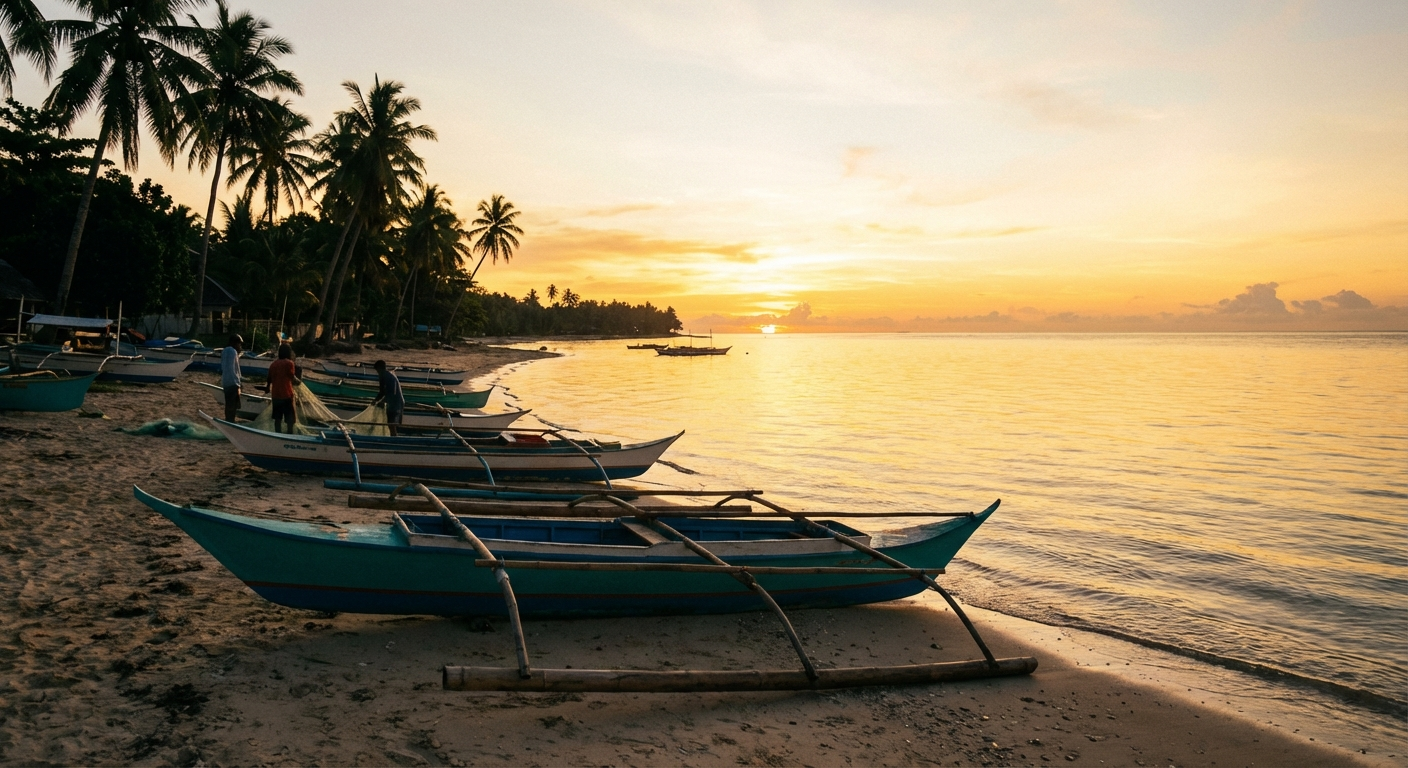
Siquijor Traditional Fishing: Ancient Methods and Coastal Heritage
Explore the traditional fishing practices of Siquijor Island, from handline fishing and fish corrals to the cultural heritage of coastal communities.
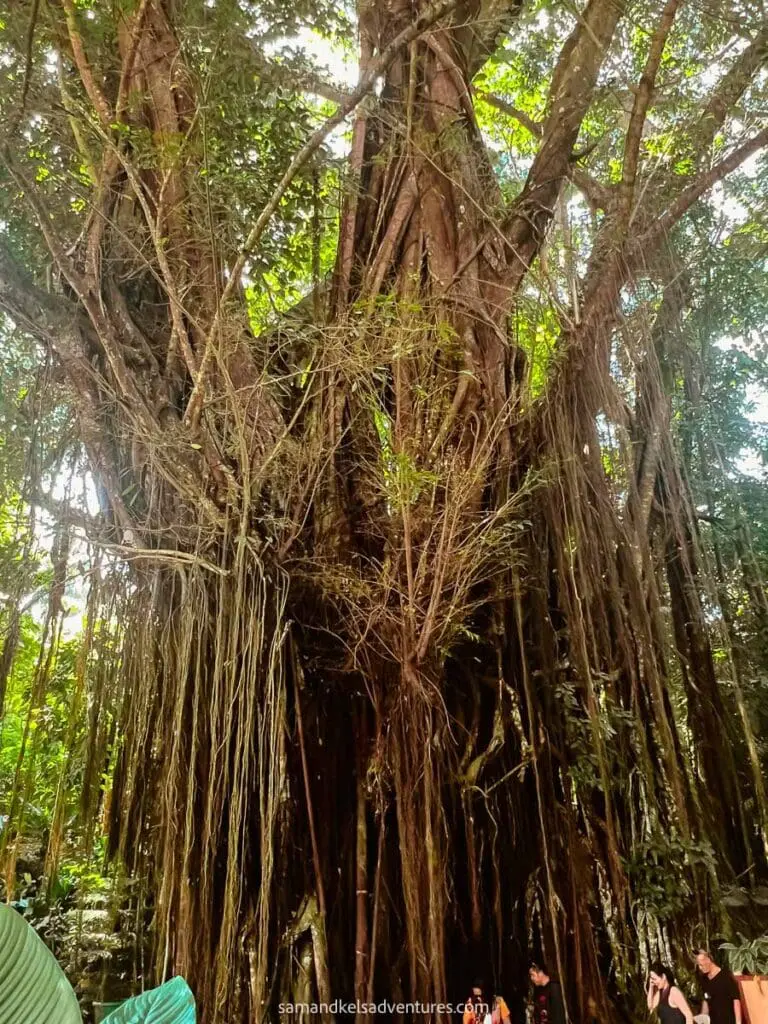
The Mystic Island: Legends & Folklore of Siquijor
Explore the fascinating myths, legends, and folklore that earned Siquijor its reputation as the Philippines' 'Island of Fire' and mystical healing center.
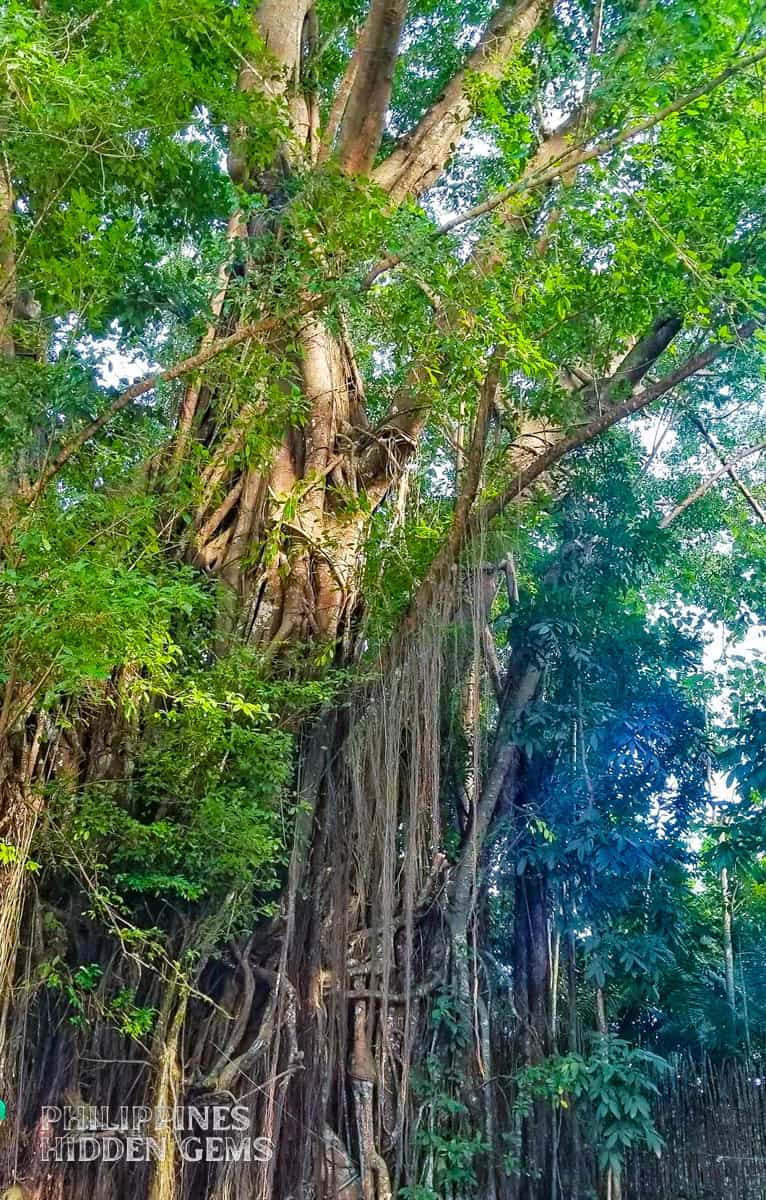
Siquijor's Mananambal: A Respectful Guide to Healing Traditions
Understanding Siquijor's traditional healers (mananambal), their practices, history, and how visitors can respectfully engage with this living cultural heritage.