Siquijor Festivals & Local Culture Guide
Experience authentic Siquijor culture through its festivals, fiestas, and daily life. From Holy Week's Aninag to local celebrations, discover the island's vibrant traditions.
The Rhythm of Island Life
Siquijor moves to its own rhythm—a blend of Catholic calendar, agricultural cycles, and deeply-rooted local traditions. Understanding this rhythm transforms a simple visit into a cultural experience.
While the island doesn’t have the massive festivals of Cebu’s Sinulog or Kalibo’s Ati-Atihan, what it offers is more intimate: community celebrations where visitors aren’t spectators but welcomed participants.
Major Festivals
Aninag Festival (Holy Week)
When: Holy Week (March/April), specifically Holy Thursday through Easter Sunday
What It Is: Siquijor’s unique healing festival, when traditional healers (mananambal) gather to collect herbs and brew medicinal oils.
Why It Matters: This is the only time when Siquijor’s healing traditions are openly practiced in public view. The festival bridges Catholic Holy Week observance with pre-colonial healing practices.
Key Events:
| Day | Activities |
|---|---|
| Holy Thursday | Healer gatherings begin, preparation |
| Good Friday | Herb collection, main oil brewing (midnight) |
| Black Saturday | Continuation, public healing sessions |
| Easter Sunday | Closing ceremonies, blessing of oils |
Where: Primarily San Antonio village, but activities island-wide
Visitor Tips:
- Book accommodation months in advance
- Approach with respect, not as entertainment
- Expect limited tourist infrastructure
- Consider a local guide for context
See our complete Aninag Festival Guide for detailed planning.
Siquijor Foundation Day
When: September 17
What It Is: Anniversary of Siquijor becoming a province in 1971.
Celebrations Include:
- Government ceremonies
- Parades and cultural shows
- Sports competitions
- Beauty pageants
- Food festivals
- Musical performances
Where: Mainly Siquijor Town (capital)
What to Expect: A multi-day celebration with the whole province participating. Less tourist-focused than Aninag but offers authentic glimpses of community celebration.
Municipality Fiestas
Each of Siquijor’s six municipalities holds an annual fiesta honoring its patron saint. These are quintessential Filipino celebrations—religious processions, street food, carnival rides, and community reunions.
Fiesta Calendar:
| Municipality | Patron Saint | Fiesta Date |
|---|---|---|
| Siquijor Town | St. Francis of Assisi | October 4 |
| San Juan | St. John the Baptist | June 24 |
| Lazi | San Isidro Labrador | May 15 |
| Maria | Sta. Maria | September 8 |
| Enrique Villanueva | St. James | July 25 |
| Larena | St. Vincent Ferrer | April 5 |
What Happens:
- Morning mass at the parish church
- Procession of the patron saint
- Street dancing and performances
- Food stalls and vendors
- Evening entertainment (live music, contests)
- Family reunions
Visitor Tips:
- Join in! Filipinos love sharing fiestas with visitors
- Bring appetite (food is shared generously)
- Dress neatly for church events
- Photography usually welcomed (ask for processions)
Other Celebrations
Flores de Mayo (May) Month-long Marian devotion with flower offerings. Daily prayers at churches, culminating in Santacruzan processions with beautiful gowns.
Pista ng mga Patay (All Saints’ Day, November 1-2) Filipinos visit cemeteries to honor deceased family. Cemeteries transform with candles, flowers, and families camping overnight. A moving experience.
Christmas Season (December) The Philippines has the world’s longest Christmas celebration (September to January). Expect:
- Simbang Gabi (dawn masses)
- Parol (lantern) decorations
- Carol singing
- Community parties
Daily Cultural Life
What to Observe
Beyond festivals, Siquijor culture reveals itself in daily life:
Morning:
- Church bells calling the faithful (6 AM mass)
- Fishermen returning with catch
- Children in uniforms heading to school
- Markets coming alive
Midday:
- Siesta culture (things slow down 12-2 PM)
- Family lunches at home
- Town plazas quiet in heat
Afternoon:
- Basketball games (national obsession)
- Children playing in streets
- Markets busier again
Evening:
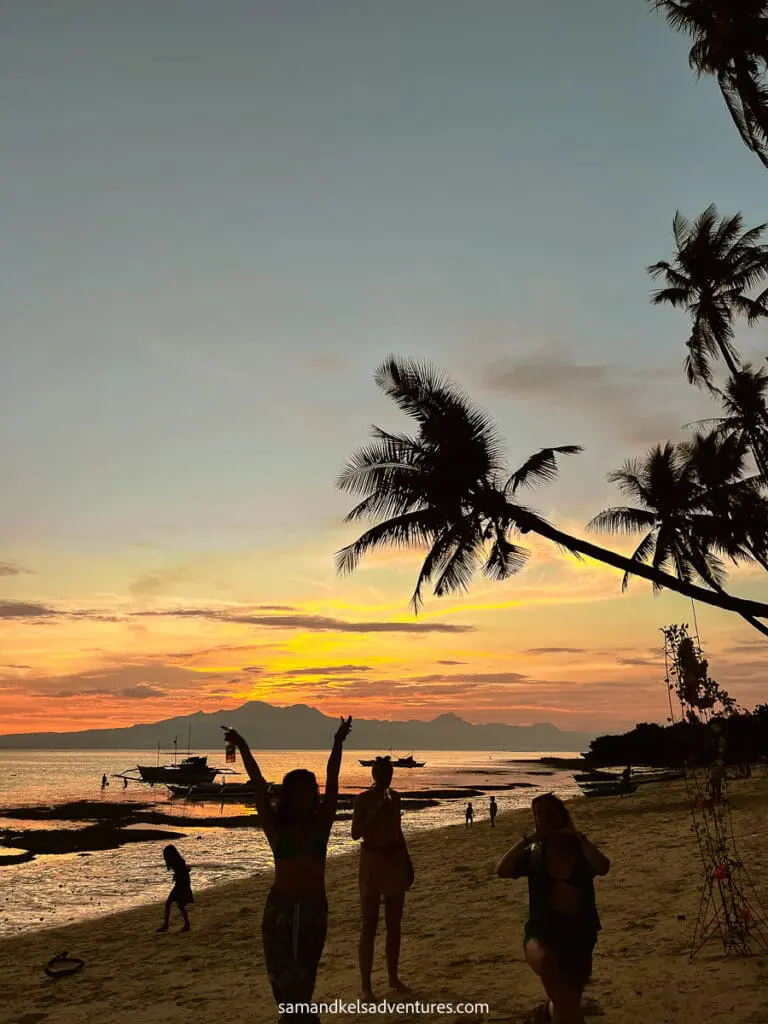
- Sunset gatherings at beaches/promenades
- Family dinners at home
- Karaoke (inevitable!)
- Early bedtimes (island life)
Local Customs
Hospitality:
- Guests are always offered food
- “Kain na!” (Let’s eat!) is constant invitation
- Refusing food is mildly offensive
- Accept at least a small portion
Respect for Elders:
- “Po” and “Opo” used to show respect
- Mano (blessing by touching elder’s hand to forehead)
- Elders served first at meals
- Deference in conversation
Church Etiquette:
- Cover shoulders and knees
- Silence during mass
- Stand when others stand
- Donations appreciated but not required
General Politeness:
- Soft voices preferred
- Public displays of anger taboo
- Indirect communication is common
- Patience valued
Traditional Practices
Faith and Folk
Siquijodnon spirituality blends Catholicism with older beliefs:
Catholic Practices:
- Sunday mass attendance (high)
- Fiesta devotion to patron saints
- Sacraments as life markers
- Daily rosary in some households
Folk Beliefs:
- Respect for environmental spirits (engkanto)
- Traditional healing alongside medicine
- Holy Week rituals
- Protective prayers and amulets
This syncretism isn’t contradiction—it’s integration that has evolved over centuries.
Food Culture
Staple Foods:
- Rice (every meal)
- Fish (daily, being an island)
- Pork (special occasions)
- Vegetables (local varieties)
Local Specialties:
- Kinilaw (raw fish in vinegar)
- Sinugba (grilled fish)
- Tinolang isda (fish soup)
- Latik (coconut caramel)
Meal Patterns:
- Breakfast: Light (pandesal, coffee) or heavy (tapsilog)
- Lunch: Main meal of the day
- Merienda: Afternoon snack (important!)
- Dinner: Often lighter than lunch
Drinking Culture:
- Tuba (coconut wine) - local specialty
- Tanduay (rum) - national brand
- Beer - San Miguel, Red Horse
- Drinking often social/communal
Language & Communication
Languages Spoken
Cebuano/Bisaya: Primary local language Tagalog/Filipino: Understood, used in media/government English: Widely spoken, especially younger generation
Useful Cebuano Phrases
| English | Cebuano | Pronunciation |
|---|---|---|
| Hello | Kumusta | koo-MOOS-tah |
| Thank you | Salamat | sah-LAH-mat |
| Delicious | Lami | LAH-mee |
| Beautiful | Gwapa/Gwapo | GWA-pah/GWA-poh |
| How much? | Pila ni? | PEE-lah nee |
| Yes | Oo | oh-OH |
| No | Dili | DEE-lee |
| Excuse me | Palihug | pah-LEE-hoog |
Using even a few words of Cebuano earns enormous goodwill.
Music & Entertainment
What You’ll Hear
Traditional:
- Harana (serenade songs)
- Folk songs during fiestas
- Church hymns
Modern:
- OPM (Original Pilipino Music)
- International pop
- K-pop (very popular with youth)
Karaoke Culture
Karaoke is not a joke—it’s a national institution.
Where:
- Home machines
- Beach bars
- “Videoke” bars (karaoke establishments)
- Sometimes randomly in public
Etiquette:
- Everyone expected to sing
- Polite to clap after every performance
- Frank Sinatra, Air Supply, ballads are classics
- Don’t critique singing ability
Sports
Basketball: National obsession. Courts in every barangay. Games happen daily.
Cockfighting: Legal and widespread. Not for everyone, but culturally significant.
Boxing: Manny Pacquiao made every Filipino a fan.
Engaging Respectfully
Do’s
- Accept hospitality graciously
- Show interest in local life
- Dress modestly for religious sites
- Learn a few Cebuano words
- Join activities when invited
- Respect healing traditions
- Support local businesses
Don’ts
- Photograph people without asking
- Discuss politics aggressively
- Dismiss beliefs you don’t share
- Rush or show impatience
- Public displays of strong negative emotion
- Compare unfavorably to “better” places
- Dress revealingly at religious events
Best Times for Culture
Peak Cultural Experiences
| Time | What’s Happening |
|---|---|
| Holy Week | Aninag Festival |
| May | Flores de Mayo, Lazi Fiesta |
| June | San Juan Fiesta |
| September | Foundation Day |
| October | Siquijor Town Fiesta |
| November 1-2 | All Saints’ Day |
| December | Christmas celebrations |
Quiet but Authentic
January-February: Post-holiday calm, normal daily life, good for seeing authentic routines.
July-August: Rainy season, quieter tourism, more local interactions.
Taking Culture Home
Meaningful Souvenirs
From Healers:
- Healing oil (lana)
- Herbal remedies
- Prayer cards
From Markets:
- Woven products
- Coconut crafts
- Local foods (dried fish, sweets)
From the Experience:
- Photos (with permission)
- Journal entries
- Connections made
- Stories to tell
Final Thoughts
Siquijor’s culture isn’t performed for tourists—it’s lived by residents who have welcomed outsiders for centuries. The festivals, the daily rhythms, the blend of faith and folk practice—these are genuine expressions of a community that has maintained its identity through colonial periods, modern development, and the pressures of tourism.
Engage with open eyes and an open heart. Ask questions. Accept invitations. Stumble over Cebuano phrases. Sit in churches and watch fishermen and eat food you don’t recognize.
That’s when Siquijor becomes more than a destination—it becomes a place you’ve genuinely experienced.
Plan your festival visit with our Aninag Festival Guide or explore the island’s spiritual side with Legends and Folklore.
Related Culture & History
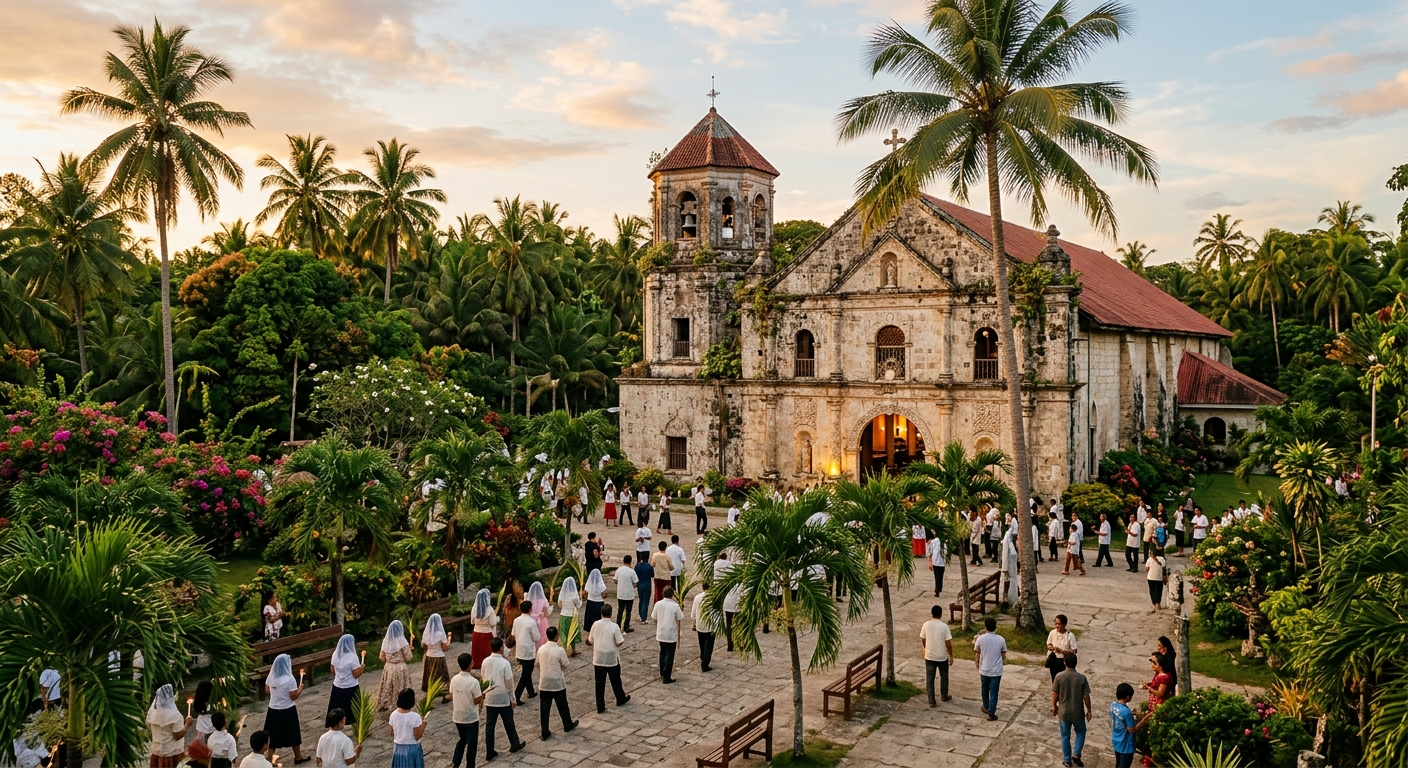
Holy Week in Siquijor 2026: Easter Traditions, Healing Rituals and Travel Tips
Plan your Holy Week visit to Siquijor Island with this guide to Easter traditions, healing festivals, church schedules, and practical travel tips for April 2026.
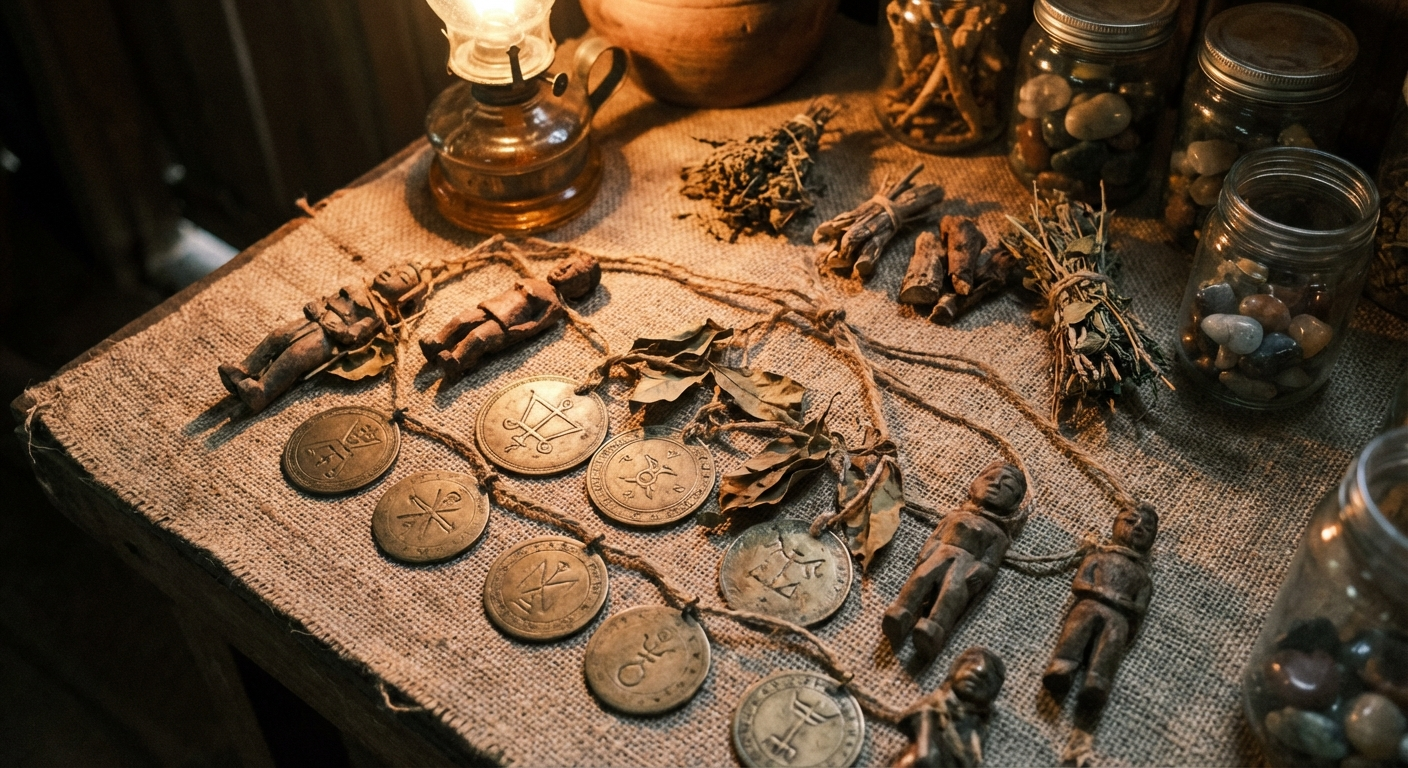
Siquijor Anting-Anting: The Island's Tradition of Protective Amulets and Talismans
Explore the deep-rooted tradition of anting-anting in Siquijor. From protective amulets to handcrafted talismans, discover how this practice shapes island culture and belief.
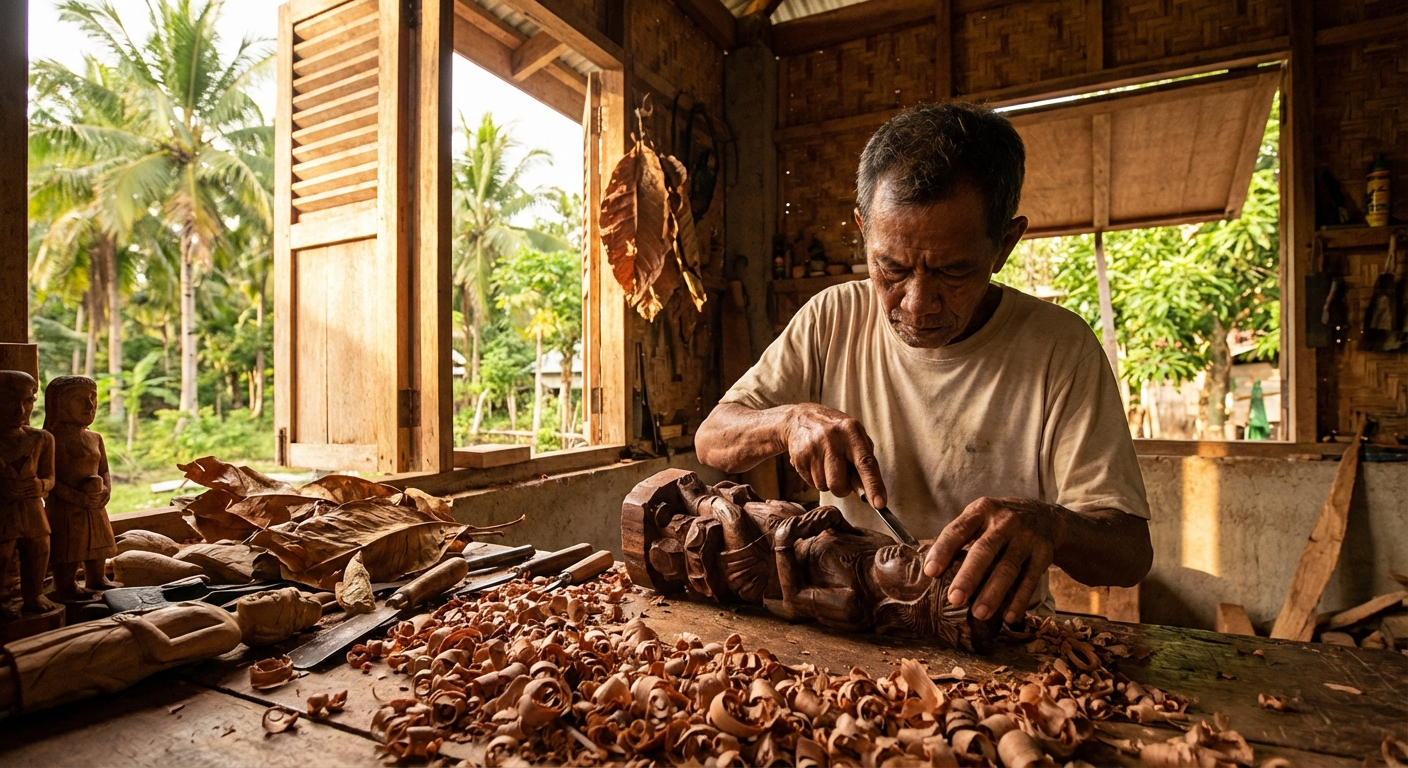
Siquijor Woodcraft and Traditional Artisans: The Island's Hidden Creative Heritage
Discover the woodcarving traditions, skilled artisans, and handcrafted souvenirs that reveal Siquijor's lesser-known creative heritage beyond its mystical reputation.