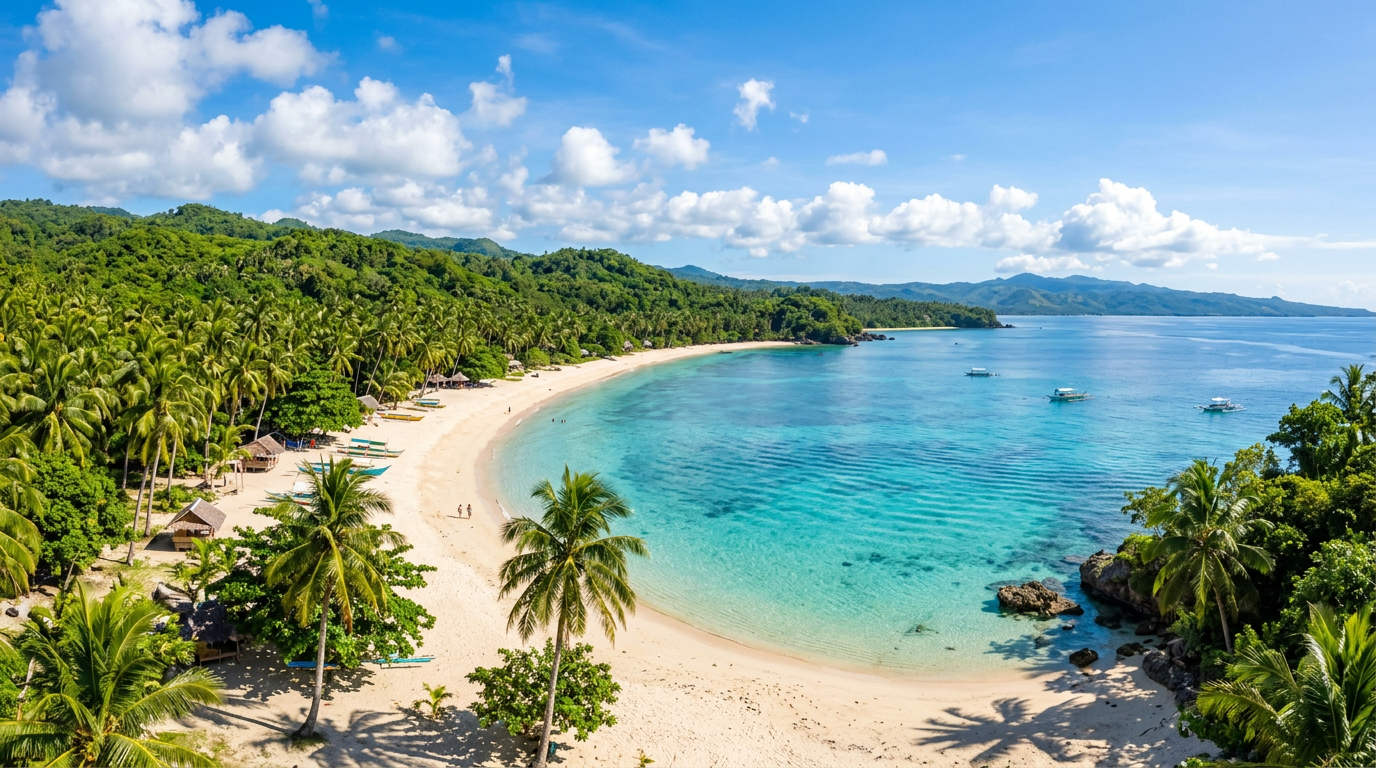
Siquijor Safety and Health Tips: A Complete Guide for First-Time Visitors
Everything you need to know about staying safe and healthy in Siquijor Island. From medical facilities and water safety to road tips and common hazards, this practical guide covers it all.
Siquijor is one of the safest islands in the Philippines. Violent crime against tourists is virtually unheard of, the local population is welcoming, and the island’s small size means help is never far away. That said, every destination has its practical considerations. Understanding the health and safety landscape before you arrive will help you relax and enjoy the island without unnecessary worry.
This guide covers medical facilities, road safety, water hazards, wildlife concerns, food and water hygiene, and emergency contacts. It is written for first-time visitors but contains updated information that returning travelers will find useful as well.
General Safety Overview
Siquijor has a population of approximately 105,000 people spread across six municipalities. The island measures roughly 340 square kilometers, and the main coastal road that circles it is only 75 kilometers long. This compact size contributes directly to safety: communities are tight-knit, strangers are noticed, and word travels quickly.
Petty theft is rare but not impossible. Use the same common sense you would apply anywhere: do not leave valuables unattended on the beach, lock your accommodation when you leave, and keep cash in a secure place. Most resorts and guesthouses have safes or lockboxes available.
The island has no reported issues with organized crime, scams targeting tourists, or aggressive touts. Siquijor remains refreshingly free of the high-pressure sales tactics that can wear on travelers in more developed Philippine destinations.
Medical Facilities and Pharmacies
Siquijor has one provincial hospital, the Siquijor Provincial Hospital in Siquijor town, which serves as the main medical facility for the entire island. It handles general consultations, minor surgeries, emergency care, and basic laboratory work. For serious medical emergencies requiring specialized treatment, patients are typically transferred to Dumaguete City in Negros Oriental, which is accessible by ferry in approximately one hour.
Each of the six municipalities also has a Rural Health Unit (RHU) that provides basic medical services, vaccinations, and consultations during regular office hours. These are staffed by municipal health officers and nurses.
Private clinics operate in San Juan and Larena, offering consultations and basic treatments. Some resort areas also have on-call doctors or nurses who can make house visits for common ailments.
Pharmacies are available in the main town centers of Siquijor, Larena, and San Juan. Mercury Drug, the national pharmacy chain, has a branch in Siquijor town. Smaller independent pharmacies in the other municipalities carry basic medications including antibiotics, antihistamines, pain relievers, and anti-diarrheal medication.
What to bring from home: If you take prescription medication, bring enough for your entire trip plus a few extra days. Specialized medications may not be available on the island. Also consider packing a basic travel medical kit with bandages, antiseptic, motion sickness medication, oral rehydration salts, and insect repellent.
Road Safety
Motorcycles are the primary mode of transportation in Siquijor, both for locals and tourists. The main coastal road is paved and generally in good condition, but interior roads leading to waterfalls, mountain trails, and remote beaches can be rough, narrow, and unpaved.
Renting a Motorcycle
Most visitors rent a scooter (typically 110cc to 125cc) for 300 to 500 pesos per day. Before renting, check the brakes, lights, horn, tires, and mirrors. Take photos of any existing damage before you ride away.
An International Driving Permit (IDP) is technically required for foreign visitors riding motorcycles in the Philippines. In practice, enforcement on Siquijor is inconsistent, but having one protects you in case of an accident or a checkpoint. Philippine driver’s license holders should carry their license with the appropriate motorcycle restriction.
Riding Tips
The coastal road is shared by motorcycles, tricycles, trucks, pedestrians, dogs, goats, and the occasional carabao. Drive defensively and keep your speed moderate. The common speed on the island is 30 to 40 kilometers per hour, and there is rarely a reason to go faster.
Road hazards include potholes (especially on secondary roads), loose gravel on curves, wet leaves during the rainy season, and speed bumps at barangay entries that are sometimes unmarked. Be especially cautious at night, as many sections of road have no street lighting and pedestrians and animals are difficult to see.
Helmets are required by law for both driver and passenger. Rental shops usually provide helmets, but the quality varies. If safety is a priority, consider bringing your own or purchasing one in Dumaguete before crossing to Siquijor.
Habal-Habal and Tricycles
If you prefer not to drive yourself, habal-habal (motorcycle taxi) drivers are available throughout the island. Agree on the fare before departing. Tricycles operate mainly within town centers and for short distances. Both are generally safe, though the experience can be hair-raising for first-time riders.
Water Safety
Swimming
Siquijor’s beaches range from calm, shallow bays to exposed stretches with currents and wave action. The western coast (San Juan area) tends to have calmer water, especially during the amihan (northeast monsoon) season from November through May. The eastern coast can experience stronger currents and choppier conditions.
Always assess conditions before entering the water. If waves look larger than expected or you notice a strong pull, stay on shore. Rip currents are uncommon but not impossible, particularly at beaches with narrow channels between reef formations.
There are no lifeguards stationed at public beaches in Siquijor. Salagdoong Beach, which charges an entrance fee, sometimes has attendants near the cliff jumping area, but dedicated lifeguard coverage is not guaranteed.
Cliff Jumping
Salagdoong Beach is famous for its cliff jumping platforms at approximately five and ten meters high. Injuries occur when jumpers land incorrectly or when conditions are rough. Check the water depth before jumping, never jump headfirst, and avoid jumping if you have consumed alcohol. The lower platform is recommended for first-timers.
Waterfalls
Cambugahay Falls and other waterfalls on the island involve walking on wet, slippery rocks. Wear shoes with good grip, not flip-flops. The rope swings at Cambugahay are popular but have caused injuries from awkward landings. Check the rope condition and water depth before swinging. If the water level looks low, skip the swing.
Snorkeling and Diving
Siquijor’s marine sanctuaries offer excellent snorkeling and diving with generally mild currents. However, boat traffic near popular sites like Tubod Marine Sanctuary means you should always use a dive flag or stay close to your guide. Fire coral, sea urchins, and lionfish are present on Siquijor’s reefs. Avoid touching anything underwater, and wear reef shoes or fins for protection.
If you are diving, use a reputable dive shop that maintains its equipment and follows safety protocols. Ask to see their certifications and check recent reviews. Never dive alone or beyond your certification level.
Sun and Heat
Siquijor sits close to the equator, and the tropical sun is significantly stronger than what most visitors from temperate climates are accustomed to. Sunburn can occur in as little as fifteen minutes of unprotected exposure, especially between 10:00 in the morning and 3:00 in the afternoon.
Apply sunscreen with SPF 30 or higher, and reapply every two hours or after swimming. Wear a hat and sunglasses. Stay hydrated by drinking water throughout the day, even if you do not feel thirsty. The recommended minimum is two to three liters of water per day, more if you are physically active.
Heat exhaustion symptoms include dizziness, nausea, headache, and excessive sweating. If you or a companion experience these symptoms, move to shade immediately, drink water with electrolytes, and rest. Seek medical attention if symptoms worsen or include confusion or loss of consciousness.
Food and Water Hygiene
Tap water in Siquijor is not safe to drink. Use bottled water for drinking and brushing teeth. Bottled water is inexpensive and widely available at sari-sari stores, convenience shops, and restaurants throughout the island. Refilling stations offering purified water for about five pesos per liter are also common.
Street food and local eateries (carinderias) serve safe, freshly cooked food in the vast majority of cases. Filipino cooking typically involves thorough heating, which kills most pathogens. Exercise normal caution: choose stalls where food is cooked to order rather than sitting out, and wash your hands before eating.
Travelers with sensitive stomachs may want to ease into local cuisine gradually. The most common cause of traveler’s digestive discomfort in the Philippines is not contaminated food but rather the adjustment to unfamiliar spices, oils, and ingredients.
Fresh seafood is a highlight of Siquijor dining. Fish, squid, and shrimp are usually caught the same day and served grilled or in a sinigang (sour soup). If you buy seafood at the market to cook yourself, ensure it is properly refrigerated or cooked within a few hours of purchase.
Wildlife and Environmental Hazards
Mosquitoes and Dengue
Mosquitoes are present year-round in Siquijor, with higher populations during the rainy season from June through October. Dengue fever, transmitted by the Aedes mosquito which bites primarily during the day, is a concern throughout the Philippines.
Protect yourself by using insect repellent containing DEET or picaridin, wearing long sleeves and pants during dawn and dusk, and sleeping under a mosquito net if your accommodation does not have screens or air conditioning. There is no vaccine widely available for all dengue strains, so prevention through bite avoidance remains the primary strategy.
Sea Creatures
Sea urchins are common on rocky shores and reef flats. Their spines can puncture skin and cause painful wounds. Wear reef shoes when walking in shallow water over rocky or coral-covered surfaces.
Jellyfish are occasionally present, particularly during the wet season months. Box jellyfish, while rare in Siquijor waters, have been reported in other parts of the Visayas. If stung, rinse with vinegar (not fresh water), remove tentacles with tweezers, and seek medical attention for severe reactions.
Dogs
Stray and semi-owned dogs are common throughout the Philippines, including Siquijor. Most are docile, but avoid approaching unfamiliar dogs, especially mothers with puppies. Rabies exists in the Philippines, and a dog bite should be treated as a medical emergency. Wash the wound thoroughly with soap and water and seek medical attention immediately for post-exposure prophylaxis. Consider a pre-travel rabies vaccination series if you plan an extended stay.
Snakes
Siquijor has a small population of snakes, most of which are non-venomous. The Philippine cobra is present in the Visayas region but encounters are extremely rare on Siquijor. Stick to cleared trails when hiking, wear closed shoes in forested areas, and use a flashlight at night.
Money and Valuables
ATMs are available in Siquijor town and Larena. BDO and LandBank machines are the most reliable. However, ATMs occasionally run out of cash, especially on weekends and holidays. Bring sufficient cash from the mainland as a backup.
Credit cards are accepted at some resorts and higher-end restaurants, but the majority of businesses on the island are cash-only. GCash and Maya (digital wallets) are increasingly accepted, particularly at larger establishments and some market vendors.
Keep your cash distributed across multiple locations: some on your person, some in your accommodation safe, and an emergency reserve in your luggage. This way, losing one stash does not leave you stranded.
Emergency Contacts
Keep these numbers saved in your phone before arriving in Siquijor:
- Philippine National Emergency Hotline: 911
- Siquijor Provincial Hospital: (035) 377-2056
- Philippine National Police (Siquijor): (035) 480-9030
- Philippine Coast Guard (Siquijor): 0917-724-3682
- Bureau of Fire Protection (Siquijor): (035) 344-0911
For medical evacuations to Dumaguete, coordinate with your accommodation or the Provincial Hospital. Ferry companies can arrange priority boarding for medical emergencies.
If you are a foreign national and experience a serious incident, contact your country’s embassy or consulate in Manila or Cebu. The Department of Tourism also operates a 24-hour tourist assistance hotline at 1-800-1-868-7386 (1-800-1-TOURIST).
Travel Insurance
Travel insurance is strongly recommended for any trip to Siquijor. Ensure your policy covers motorcycle riding (many standard policies exclude this unless you specifically add it), medical evacuation, and trip cancellation. Keep a digital and printed copy of your policy details with you.
In the event of a medical emergency requiring evacuation to Dumaguete or Cebu, costs can escalate quickly. A good travel insurance policy will coordinate and cover these expenses, giving you peace of mind during your stay.
Staying Connected
Mobile signal coverage on Siquijor is generally good along the coastal road and in town centers, with Globe and Smart being the two major networks. Signal can be weaker in mountainous interior areas. Purchase a local SIM card in Larena or Siquijor town upon arrival for affordable data and calls.
Having a working phone with mobile data ensures you can access maps, call for help in an emergency, and communicate with your accommodation. Download offline maps of Siquijor before your trip as a backup.
Final Thoughts
Siquijor is a remarkably safe destination by any standard. The greatest risks most visitors face are sunburn, minor motorcycle scrapes, and the occasional upset stomach from adjusting to new food. By taking basic precautions, respecting the environment, and using common sense, you can enjoy everything the Mystic Island offers with confidence.
The island’s small size means that help, whether from locals, your accommodation, or medical facilities, is always close at hand. Siquijor’s people are among the most hospitable in the Philippines, and their willingness to assist visitors in need is genuine and immediate. Relax, explore, and let the island work its magic.
Related Travel Guides

Siquijor in April 2026: Complete Late Dry Season Travel Guide
Everything you need to know about visiting Siquijor in April 2026. Best activities, weather conditions, Holy Week events, accommodation tips, and what makes late dry season the ideal time to visit.
Siquijor for Senior Travelers: A Comfortable Island Guide for Older Visitors
A practical guide for senior travelers visiting Siquijor Island, covering accessibility, comfortable accommodations, gentle activities, and health tips.
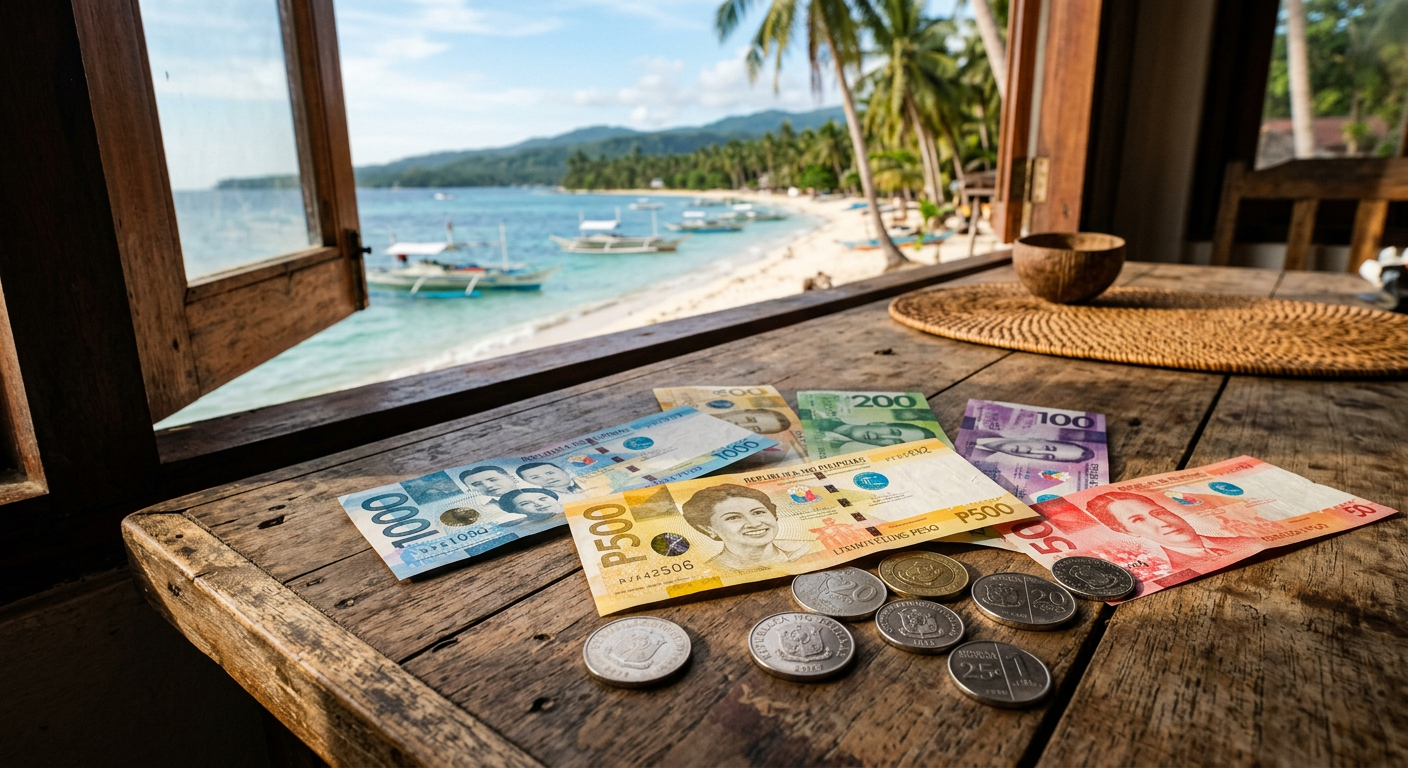
Siquijor ATM, Banks and Money Guide: Cash Tips for Island Travelers
Complete guide to managing money in Siquijor - ATM locations, bank branches, GCash availability, credit card acceptance, and how much cash to bring to the island.