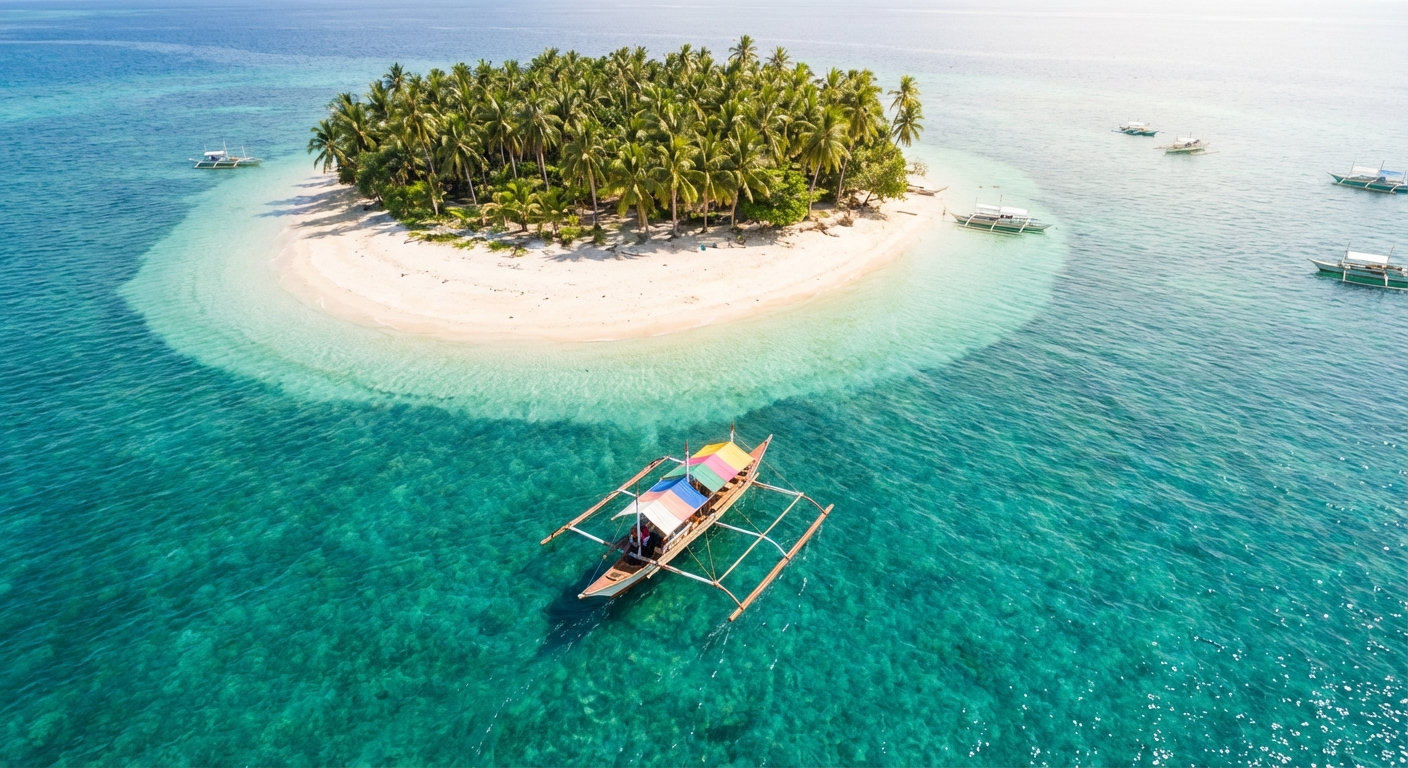
Siquijor Island Hopping: Complete Guide to Nearby Islands and Day Trips
Plan the perfect island hopping adventure from Siquijor. Covers Apo Island, Three Kings Islands, Gilutungan sandbar, boat charters, costs, and practical tips for exploring the waters around Siquijor.
Siquijor sits at the center of one of the most biologically diverse marine corridors in the Philippines. While the island itself offers world-class snorkeling and diving, the surrounding waters hold even more to discover. From the legendary turtle encounters at Apo Island to the barely-visited sandbars that emerge at low tide, island hopping from Siquijor opens up a dimension of the Visayas that most visitors never experience.
This guide covers every island hopping option available from Siquijor, with current pricing, logistics, and practical advice for planning your maritime adventure.
Apo Island: The Crown Jewel
Apo Island is the most popular day trip from Siquijor and for good reason. This 72-hectare volcanic island, located roughly 25 kilometers south of Siquijor’s coast, hosts one of the most successful community-managed marine sanctuaries in the world.
What Makes Apo Island Special
The marine sanctuary surrounding Apo Island has been protected since the 1980s, making it one of the longest-running community-based conservation projects in the Philippines. Decades of protection have produced extraordinary results: the coral coverage is dense and healthy, fish populations are abundant, and green sea turtles frequent the shallow waters in numbers that few other Philippine sites can match.
On a typical visit, you can expect to see between five and twenty sea turtles while snorkeling. The turtles at Apo Island are habituated to human presence and will often swim within a few meters of snorkelers, grazing on sea grass beds in water shallow enough to stand in.
Beyond the turtles, the coral walls on Apo Island’s southern face drop steeply into deep blue water, creating a habitat for reef sharks, schools of jackfish, barracuda, and the occasional manta ray during the right season.
Getting to Apo Island from Siquijor
There are two primary ways to reach Apo Island from Siquijor:
Organized day tours. Most resorts and tour operators in San Juan and along Siquijor’s southern coast offer Apo Island day trips. These typically depart between 6:00 and 7:00 AM from the coast near Maite or San Juan, take approximately 45 minutes to an hour by motorized outrigger, and return by early afternoon. Prices range from 1,500 to 2,500 PHP per person depending on group size and whether snorkeling gear is included.
Private boat charter. For more flexibility, you can charter a private bangka. This costs between 3,500 and 6,000 PHP for the boat (fitting four to six passengers) and lets you set your own schedule. Private charters are ideal if you want to spend more time in the water or combine the Apo Island trip with other stops.
Costs at Apo Island
Upon arrival, you will pay the following fees:
- Environmental fee: 100 PHP per person
- Marine sanctuary fee: 300 PHP per person for snorkeling, 500 PHP for diving
- Guide fee: Mandatory, usually 200-400 PHP per group
Bring cash. There are no ATMs or card payment facilities on Apo Island.
Best Time to Visit
The calmest seas for the crossing occur from February through May during the dry season. The current month of February is ideal: clear skies, minimal wind, and excellent underwater visibility reaching 20 meters or more.
During the habagat (southwest monsoon) season from June through October, crossings can be rough or cancelled entirely. Always check conditions with your boat operator the day before.
Three Kings Islands (Tres Reyes)
The Three Kings Islands are a group of three uninhabited islets located off the southeastern coast of Siquijor, near the municipality of Maria. Named by Spanish colonizers, the three islets are Bitaog, Pook, and the largest, which locals call simply “Tres Reyes.”
Why Visit
These islands receive a fraction of the tourist traffic that Apo Island sees, making them an excellent choice for travelers seeking solitude. The snorkeling around the islets is good, with healthy coral gardens and clear water, though marine life is not as concentrated as at Apo Island.
The real appeal is the Robinson Crusoe atmosphere. White sand fringes the islets, coconut palms provide shade, and on most days you will have the beaches entirely to yourself. It is an ideal spot for a half-day escape with a packed lunch.
Getting There
Boat charters to the Three Kings Islands depart from the coast near Maria. Expect to pay between 2,500 and 4,000 PHP for a bangka, depending on the number of islands you want to visit and how long you want to stay. The crossing takes approximately 30 to 45 minutes.
There are no organized tours to the Three Kings with set departure schedules. You will need to arrange a private boat through your accommodation or by visiting the Maria waterfront and negotiating directly with boat operators.
What to Bring
There are no facilities whatsoever on the Three Kings Islands. No shade structures, no toilets, no fresh water, no vendors. Bring everything you need:
- Drinking water (at least two liters per person)
- Food and snacks
- Snorkeling gear
- Sun protection (reef-safe sunscreen, hat, rash guard)
- A dry bag for electronics
- Trash bags to carry out all waste
Sandbars and Shallow Reefs
Several sandbars emerge around Siquijor during low tide, creating temporary islands of white sand surrounded by turquoise shallows. These are not permanent features and their exact location and extent change with the tides and seasons.
Where to Find Them
The most reliable sandbar formations occur off the northern coast of Siquijor, between Larena and Enrique Villanueva. Local fishermen know the exact locations, which shift over time. Your best approach is to ask at the waterfront in Larena or hire a local boatman who can take you to whatever sandbar is currently accessible.
Sandbars are best visited during spring low tides, which occur around the new and full moon. Check a tide chart before planning your visit. The sandbar may be underwater at high tide and only emerge for a few hours.
Cost
A short boat ride to a nearby sandbar typically costs 500 to 1,500 PHP for the boat, depending on distance and negotiation. These are casual, informal arrangements rather than organized tours.
Sumilon Island
While technically closer to Cebu’s southern coast than to Siquijor, Sumilon Island is reachable as a long day trip from Siquijor’s northern ports. The island is famous for its shifting sandbar, which changes shape and position with the seasons, and for the whale shark watching at nearby Oslob.
The Logistics
Getting to Sumilon from Siquijor requires taking a ferry to Liloan port on Cebu’s southern coast (approximately one to two hours depending on the vessel), then traveling by land to Oslob or Tan-awan, and finally taking a short boat ride to Sumilon.
This is a full-day commitment and works best if you plan to combine it with other southern Cebu activities. Most travelers who visit Sumilon from Siquijor make it part of a broader itinerary rather than a stand-alone day trip.
Cost Considerations
Between ferry tickets, land transportation, Sumilon Island resort fees (the island is operated by Bluewater Resort), and food, expect to spend 2,000 to 4,000 PHP per person for this excursion, not including the whale shark watching activity if you choose to do it.
Planning Your Island Hopping Trip
Choosing the Right Boat
All island hopping from Siquijor is done by bangka, the traditional Filipino outrigger boat. These vessels range from small fishing boats that fit four people to larger tourist bangkas that can carry twelve or more.
When chartering a boat, check the following:
- Life jackets. Ensure there are enough for all passengers. This is non-negotiable.
- Engine condition. A well-maintained engine means a smoother, more reliable crossing.
- Shade. Longer crossings under the tropical sun without shade are miserable. Larger bangkas usually have a canopy.
- Communication. Ask if the operator has a mobile phone in a waterproof case. In case of engine trouble, you want the ability to call for assistance.
What to Wear and Bring
For any island hopping trip from Siquijor, pack the following:
- Swimwear and a rash guard for sun protection
- Reef-safe sunscreen (mineral-based with zinc oxide)
- Snorkeling mask and snorkel (rentals are available but your own gear fits better)
- Waterproof bag or dry bag for phone, wallet, and camera
- Drinking water and snacks
- Cash in small denominations for fees
- A towel and change of clothes
- Motion sickness medication if you are prone to seasickness
Booking and Negotiation
Prices for boat charters in Siquijor are not standardized. Different operators charge different rates, and prices can vary based on fuel costs, season, and how busy the operator is.
A few tips for fair negotiation:
Ask your accommodation first. Most hotels and guesthouses have relationships with reliable boat operators and can arrange charters at fair prices. They also handle the logistics, which saves you time.
Get the price in writing. Before departing, confirm the total price, what it includes (fuel, waiting time, number of stops), and the expected return time. Misunderstandings about pricing are the most common source of friction in boat charters.
Do not haggle aggressively. The boat operators are working people supporting families. A few hundred pesos difference matters more to them than to you. Pay a fair price, and if the service was good, tip generously.
Safety on the Water
The waters around Siquijor are generally calm during the dry season, but conditions can change. Keep these safety points in mind:
- Always wear a life jacket during the crossing, even if you are a strong swimmer.
- Check weather conditions before departure. If your operator suggests postponing due to weather, listen to them. They know these waters.
- Bring a waterproof phone case. In an emergency, your phone is your lifeline.
- Apply sunscreen before boarding. The combination of sun, wind, and water reflection on an open boat creates intense UV exposure.
- Stay seated while the boat is moving. Standing in a bangka at speed is a recipe for falls and injuries.
Combining Island Hopping with Siquijor Activities
The best island hopping experiences combine well with other Siquijor activities. Here are some natural pairings:
Morning island hop plus afternoon waterfall visit. Return from Apo Island or the Three Kings by early afternoon, then spend the rest of the day at Cambugahay Falls or Lugnason Falls. The cool freshwater is a perfect contrast to the saltwater morning.
Sunrise snorkeling plus sandbar lunch. Depart early for snorkeling at a nearby reef, then anchor at a sandbar during low tide for a packed lunch. Return by midday, leaving the afternoon free.
Multi-day marine exploration. If you are a serious diver or snorkeler, dedicate two to three days to marine activities: one day at Apo Island, one day at the Three Kings, and one day exploring Siquijor’s own marine sanctuaries at Tubod and Paliton.
Responsible Island Hopping
The islands and marine environments around Siquijor are fragile ecosystems. Practice responsible tourism during your island hopping trips:
- Do not touch, stand on, or break coral.
- Maintain a respectful distance from sea turtles and other marine life.
- Carry out all trash. Leave nothing behind on uninhabited islands.
- Use reef-safe sunscreen exclusively.
- Do not collect shells, coral, or other natural souvenirs.
- Respect fishing zones and marine sanctuary boundaries.
Quick Reference: Island Hopping Costs from Siquijor
| Destination | Boat Cost (PHP) | Fees Per Person (PHP) | Travel Time |
|---|---|---|---|
| Apo Island (tour) | Included in 1,500-2,500/person | 400-600 | 45-60 min |
| Apo Island (private) | 3,500-6,000/boat | 400-600 | 45-60 min |
| Three Kings Islands | 2,500-4,000/boat | None | 30-45 min |
| Nearby sandbars | 500-1,500/boat | None | 10-20 min |
| Sumilon Island | Ferry + land transport | Resort fees vary | Half day |
Prices are current as of February 2026 and may vary based on fuel costs, group size, and season.
Final Thoughts
Island hopping from Siquijor transforms a beach vacation into a maritime adventure. Whether you are swimming alongside sea turtles at Apo Island, lounging on a deserted sandbar, or exploring the untouched Three Kings, the waters surrounding Siquijor offer experiences that rival any island destination in Southeast Asia.
The key to a great island hopping experience is preparation. Book your boat in advance during peak season, bring everything you need for the day, and choose calm weather windows for the best conditions. The dry season months of February through May offer the most reliable conditions, with February and March being particularly ideal for underwater visibility.
Start planning your maritime day trip, and discover the Siquijor that exists beyond the shoreline.
Related Travel Guides
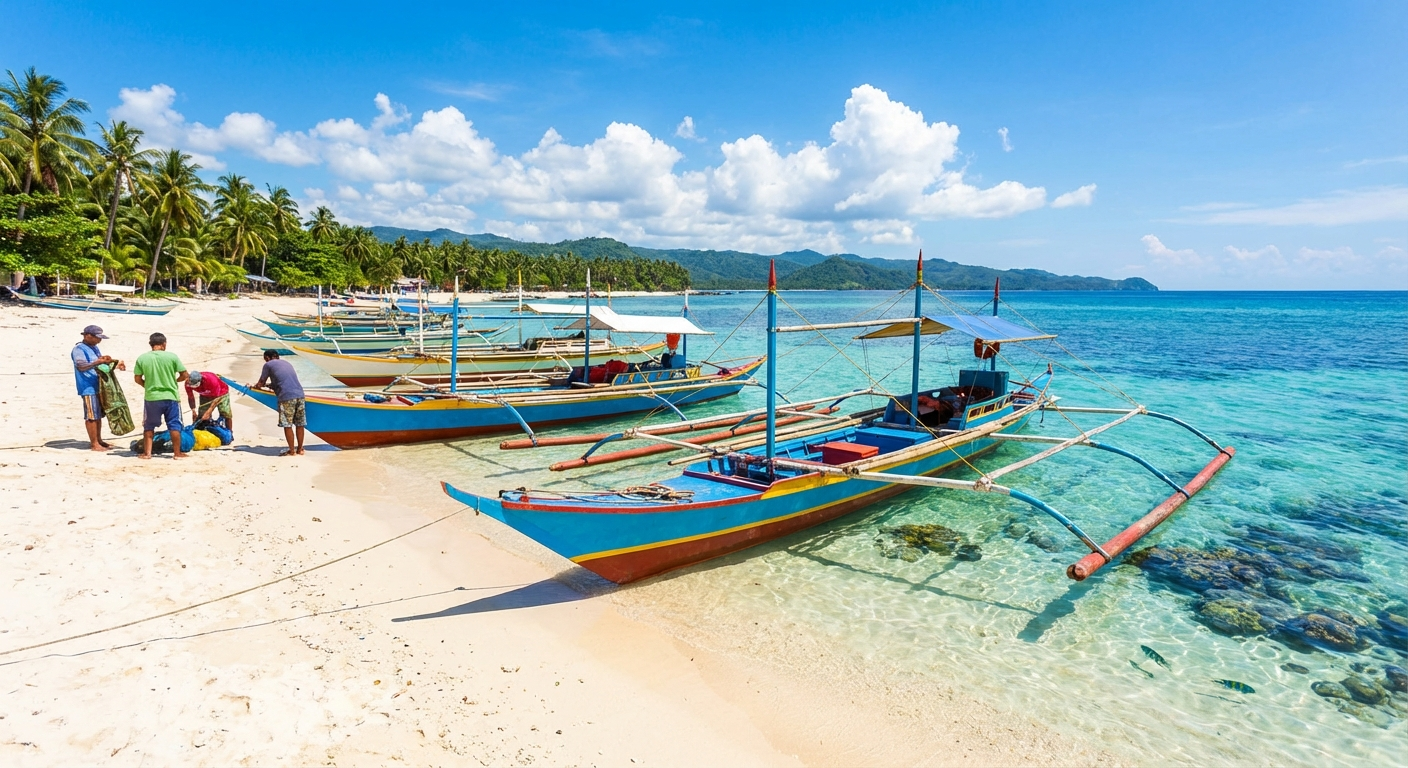
Island Hopping from Siquijor: Ultimate Day Trip Guide to Nearby Paradise Islands
Complete guide to day trips from Siquijor Island. Explore Apo Island Marine Sanctuary, Negros Oriental beaches, Bohol attractions, and hidden island gems via boat tours.
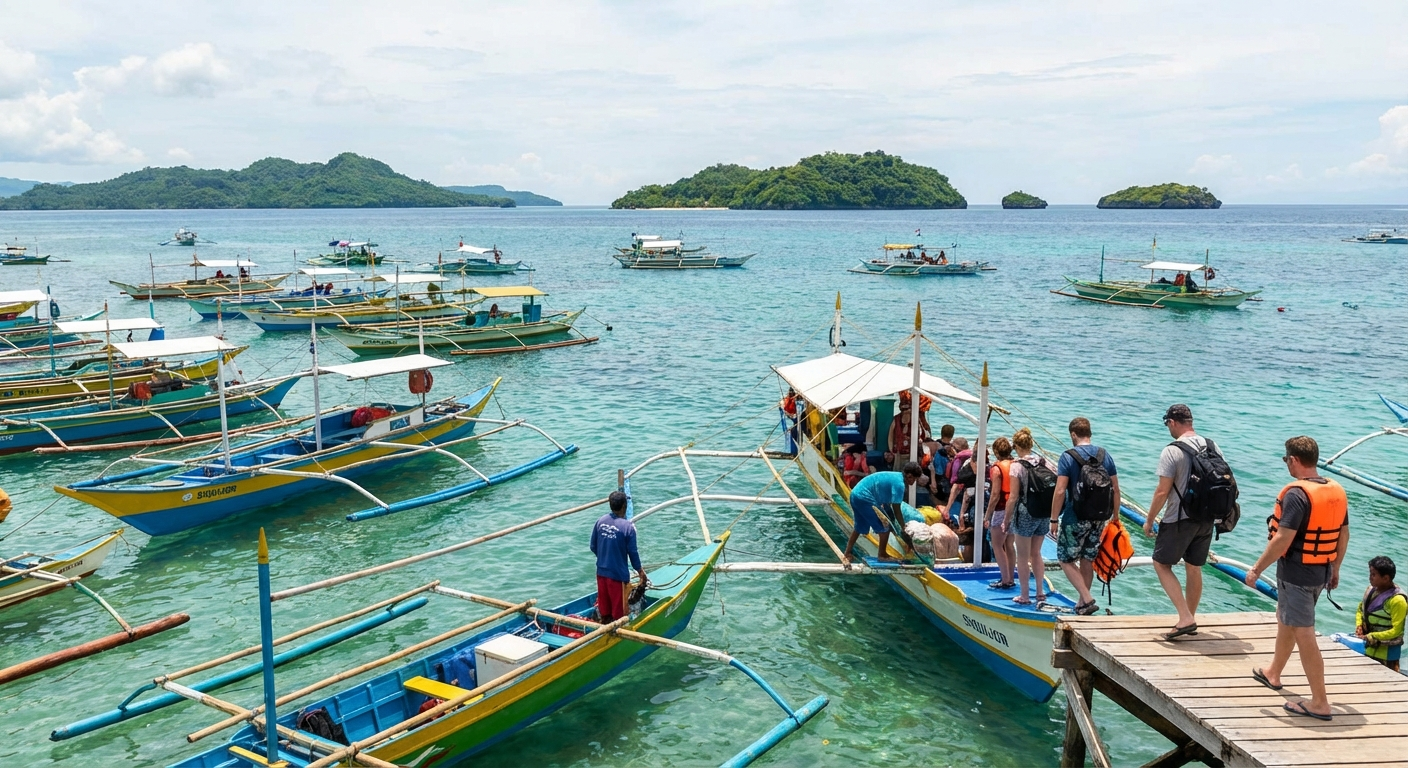
Island Hopping from Siquijor: Complete Guide to Apo Island, Sumilon & Dumaguete Day Trips
Master the art of island hopping from Siquijor with detailed guides to Apo Island, Sumilon Island, and Dumaguete. Complete schedules, costs, and insider tips for 2026.

Beach Camping in Siquijor: Complete Guide to Sleeping Under the Stars
Everything you need to know about beach camping in Siquijor Island. From established campgrounds to wild camping spots, essential gear, permits, and the best beaches for an overnight under the stars.