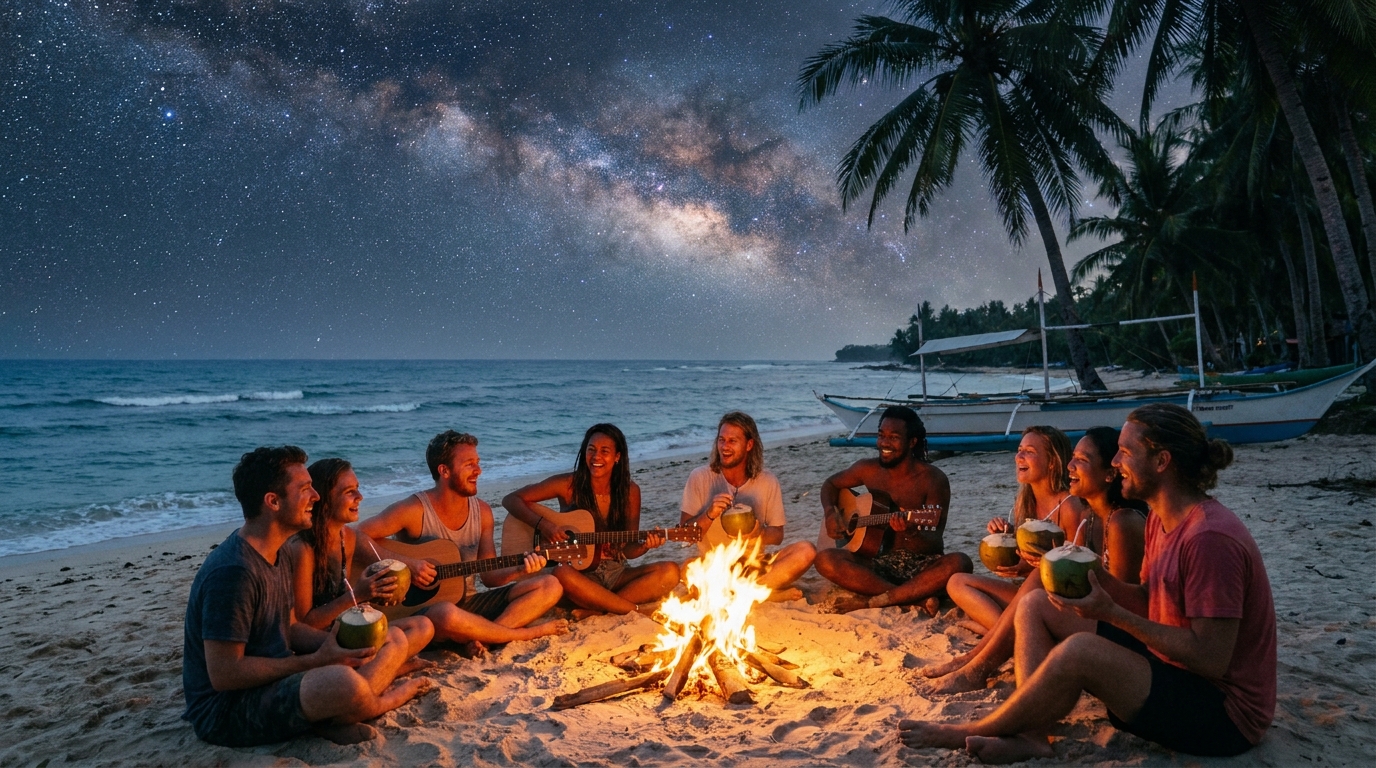
Beach Bonfires and Campfire Experiences in Siquijor: A Complete Guide
Everything you need to know about beach bonfires, campfire experiences, and evening beach gatherings in Siquijor. Find the best beaches for fires, safety guidelines, local customs, and how to organize an unforgettable evening by the sea.
Few experiences capture the magic of island life quite like a beach bonfire. The crackle of flames against the sound of waves, the warmth against the evening breeze, the intimacy of good company against a darkening sky. Siquijor’s beaches offer some of the most memorable settings for this simple pleasure, and for travelers willing to seek them out, the island delivers campfire experiences that rival any in Southeast Asia.
Why Siquijor is Made for Beach Bonfires
The island’s relatively low tourist volume means many beaches remain peaceful after dark. Unlike the crowded beach clubs of Boracay or Palawan, Siquijor’s shores offer space, privacy, and an authenticity that mass-market tourism has not yet homogenized.
The dry season from March through May provides the most reliable weather for evening bonfires, with clear skies and calm seas. Even during the wetter months from June to October, nights are often clear enough for fires, though it is wise to check with your accommodation about current conditions.
The social culture in Siquijor naturally accommodates evening beach gatherings. Local communities have always used fire for cooking and warmth, and there is no strong cultural resistance to visitors enjoying fires on the beach - provided sensible precautions are followed.
Best Beaches for Bonfires in Siquijor
Paliton Beach stands out as the most popular option. The wide stretch of white sand provides ample space for groups, and the shallow nearshore area means waves are generally gentle at night. Several resorts along Paliton can arrange fire pits or allow guests to build their own in designated areas. The beach’s westward orientation makes it ideal for watching the sun sink into the Visayan Sea while fire preparations get underway.
San Juan Beach - particularly around the Solangon area - offers another excellent option. The municipality has been developing its beach infrastructure, and several resorts have permanent fire pit areas. The community atmosphere here is welcoming, and it is often possible to hire a local cook to prepare a barbecue dinner by the water.
Camp Calico in the Lazi area has earned a reputation among scooter-based travelers as a wild camping spot. While technically requiring landowner permission, the area’s secluded nature and expansive beach make it one of the more atmospheric fire locations on the island. Bring your own supplies and leave nothing behind.
Tubod Beach near the capital provides a more structured option, with some resorts offering bonfire packages that include wood, food, and even music. This is the easiest option if you prefer not to arrange things independently.
Salagdoong Beach offers a dramatically different setting. The cliffs that frame the beach create a natural amphitheater effect that amplifies the atmosphere of a fire gathering. Note that access to certain areas may be restricted after dark by the resort management, so check before setting up.
Safety Guidelines and Legal Considerations
Bonfires on any beach require thoughtfulness and preparation. The following guidelines apply across Siquijor:
Check fire restrictions before your visit. During periods of extreme drought or strong wind, local authorities may impose fire bans. These are rare but do occur, and violating them creates genuine risk - both legal and safety-related. Your accommodation host or a local tourism office can confirm current conditions.
Choose a spot away from vegetation and dry grass. The fire should be at least 10 meters from any vegetation and preferably on sand rather than on dead plant matter. Clear away any debris within a 3-meter radius around the planned fire site.
Never leave a fire unattended. Assign one person as fire monitor at all times. A fire that seems controlled can quickly spread if wind shifts or if hot embers roll toward dry material.
Keep water and sand nearby. A bucket of seawater and a pile of sand within arm’s reach provides a quick extinguishing capability. Never pour water on a wood fire if you are in an area with coral offshore - the sudden temperature change and mineral content can damage nearby reef systems.
Extinguish fires completely. This cannot be overstated. Drown the fire with water, stir the ashes, drown again. Your hand should not feel any warmth before you walk away. Embers buried in sand can stay hot for hours and have caused unexpected fires.
Avoid glass containers. Broken glass on beaches is a genuine hazard for bare feet. Use metal or ceramic containers for food and drinks.
What to Bring for an Independent Bonfire
Organizing your own bonfire requires some preparation. Siquijor’s towns have markets where basic supplies can be purchased, but specialized items are harder to find.
Fire-starting materials should include a lighter or matches, some kindling (dry coconut fronds work well and are plentiful), and firewood. Buying firewood from local vendors supports the community and ensures you are not cutting live vegetation. Expect to pay around 200 to 400 PHP for a bundle of dried coconut wood.
Food and drinks can be prepared in advance or bought from local restaurants. Many travelers opt to combine a beach bonfire with a barbecue, and several resorts offer to cook meat and seafood for guests at the fire site for a reasonable fee.
Music and lighting enhance the atmosphere. A portable speaker adds a lot to the experience, but keep volume levels respectful of other visitors and nearby residents. Battery-powered lanterns provide safe lighting for paths between the fire and the water.
Seating is often overlooked. Sand becomes uncomfortable after a while, and bringing mats, blankets, or low folding chairs makes a significant difference to comfort levels.
Bonfire Experiences Offered by Resorts and Tour Operators
For travelers who prefer not to arrange their own fire, several options exist:
Beachfront resorts in San Juan and Lazi regularly offer bonfire packages that include wood, basic food, and sometimes live music. These typically cost between 1,500 and 4,000 PHP depending on group size and what’s included. Booking through your accommodation is usually the simplest approach.
Sunset sailing tours often include a beach stop with a bonfire component. These combined experiences give you ocean views during the day and fire time in the evening. Prices for full-day sailing packages with bonfire stops start around 3,500 PHP per person.
Private tour operators in Siquijor town can arrange bonfires at remote beaches with transport, food, and fire equipment included. This is the most effortless option and works well for groups of four or more where the per-person cost becomes reasonable.
Environmental Responsibility and Leave No Trace
Siquijor’s beaches remain beautiful precisely because the island has not yet been overwhelmed by tourism. Keeping it that way requires every visitor to act responsibly.
Take all trash with you. Glass bottles, plastic packaging, and food waste left on the beach harm wildlife and degrade the experience for everyone who comes after. Carry a bag specifically for waste and sort recyclables from organic material.
Avoid using heavily treated wood or pallets as fire fuel. These often contain chemicals that release toxic fumes and leave behind contaminated ash. Stick to local dried wood or coconut shell charcoal.
Do not build fire rings or permanent structures unless you have explicit permission from the landowner. Rocks arranged around a fire pit can remain for months and alter the natural appearance of a beach.
Local Customs and Cultural Notes
Beach fires are not traditionally part of Siquijor’s cultural landscape in the way they are in some Western countries. However, the island is welcoming to visitors and generally accepts fire gatherings as a tourism activity.
There is a strong sense of community ownership over beaches. If a local resident expresses concern about your fire - particularly if you are near a fishing village or someone’s home - be respectful and prepared to move or extinguish the fire. A friendly conversation usually resolves any tension quickly.
Noise carries differently at night. Keep music at reasonable levels and avoid loud shouting or activities that could disturb nearby residents, especially if you are fire-gathering near the main town areas.
Best Time of Year for Bonfire Experiences
March through May offers the most dependable conditions. Skies are clear, rain is rare, and the warm daytime temperatures make the contrast of fire warmth more appealing.
June through October brings occasional rain but also fewer visitors. Bonfires can feel more intimate and special with fewer people on the island. Monitor weather forecasts and be flexible.
November through February are cooler months, and the fire warmth is genuinely welcome in the evening. This is also when seas can be rougher, which affects access to some beaches but adds to the atmospheric quality of others.
Costs and Budget Considerations
Organizing your own bonfire on Paliton Beach can cost as little as 500 PHP for wood, food, and drinks for a group of four. Having a resort arrange everything typically costs 2,000 to 5,000 PHP depending on the level of service. Private beach bonfire tours with transport, food, and full setup range from 3,500 to 7,000 PHP per group.
The island’s affordability means that even premium bonfire experiences remain accessible by regional standards.
Combining Bonfires with Other Evening Activities
Many visitors pair their bonfire with an evening swim in bioluminescent waters. The nearby areas around San Juan and Enrique Villanueva have seasonal bioluminescence, and combining the two experiences - swimming in glowing water followed by fire warmth on the beach - makes for a perfect evening sequence.
Stargazing from the beach while the fire burns down is another natural combination. Away from the main town areas, light pollution is minimal, and the Milky Way is often clearly visible.
Final Recommendations
Siquijor’s bonfire culture is understated but real. The island does not market beach fires as a signature experience, but those who discover them consistently rank them among their most treasured memories.
The key to a great bonfire is simplicity and awareness. A modest fire on a beautiful beach with good company beats an elaborate setup on a crowded shore every time. Pack thoughtfully, fire responsibly, leave no trace, and let the island do the rest.
Have questions about organizing a bonfire during your Siquijor visit? Accommodation hosts and the local tourism information center in Siquijor town can provide current advice on beach access, fire regulations, and operator recommendations.
Related Travel Guides

Valentine's Day in Siquijor: 12 Romantic Experiences for Couples
Celebrate Valentine's Day on Siquijor Island with these romantic experiences, from private beach sunsets and waterfall swims to candlelit seafood dinners and couples wellness rituals.
Siquijor for Couples: Romantic Getaway Guide
Plan the perfect romantic escape to Siquijor Island — sunset spots, intimate dinners, couples massages, and dreamy accommodations.
Siquijor Street Food and Night Market Guide: Where to Eat After Dark on the Mystic Island
Complete guide to Siquijor's best street food stalls, night markets, and evening dining experiences. Discover local delicacies, budget-friendly meals, hidden food spots, and practical tips for eating well on the island after sunset.