
Siquijor Sunrise Spots: 7 Places Worth Waking Up For
Discover Siquijor's most stunning sunrise locations — from quiet east-coast beaches to mountain viewpoints with panoramic dawn views.
Why Siquijor Sunrises Deserve Your Alarm Clock
Everyone talks about Siquijor sunsets. Paliton Beach at golden hour is practically the island’s unofficial logo. But here’s the thing about sunrises: almost nobody shows up for them. And on an island this beautiful, that means you’ll have the best light of the day entirely to yourself.
Siquijor’s east coast faces the open Bohol Sea, giving you unobstructed views of the sun climbing out of the water. The island’s western shore gets the sunset crowds; the eastern shore gets silence, pink skies, and the kind of peace that makes you understand why people fall in love with this place.
Sunrise on Siquijor typically happens between 5:30 and 6:00 AM year-round (the Philippines is close to the equator, so times don’t vary much). Set your alarm for 5:00 AM, and you’ll have time to get in position. Here are seven spots that make the early wake-up absolutely worth it.
1. Larena Port Pier
The Easy One
Why it’s special: You don’t need a scooter, a hike, or any planning. If you’re staying in Larena — perhaps arriving the night before on a late ferry — just walk to the port pier at dawn. The long concrete pier extends into the Bohol Sea, facing almost directly east. The fishing boats anchored in the harbor create beautiful silhouettes against the rising sun.
What to expect:
- Fishermen returning with the morning catch
- Local vendors setting up stalls
- The ferry port slowly coming to life
- The sun rising over the open ocean with Bohol’s mountains faintly visible on the horizon
The experience: This isn’t a secluded, romantic sunrise — it’s an atmospheric one. The combination of working harbor, fishing boats, and golden light feels real and grounded. Grab a cup of coffee from an early-opening bakery nearby and watch the day begin.
Getting there: Walk to the Larena ferry terminal. Access is open. Coordinates: 9.2422°N, 123.5721°E Best months: Year-round. Clear mornings from November to May are most reliable. Cost: Free
2. Sandugan Beach
The Quiet Beauty
Why it’s special: Sandugan is a small, crescent-shaped beach on Siquijor’s northeast coast that most tourists never visit. It faces east-northeast, perfectly positioned for sunrise. The beach is lined with coconut palms and a few modest homes, and the water is shallow and calm in the morning.
What to expect:
- A gentle, pastel sunrise — pinks and golds reflected in the still water
- The beach essentially to yourself (local residents may be fishing)
- Warm, knee-deep water perfect for a dawn swim
- The quiet sound of waves on fine coral sand
The experience: Sandugan delivers the postcard sunrise. Wade into the warm, shallow water and watch the colors shift from deep blue to gold. The combination of palm tree silhouettes, calm water, and empty beach makes this the most photogenic sunrise on the island.
Getting there: From Larena, head east along the coastal road for about 5 minutes. Watch for the small Sandugan Beach sign. Park at the road and walk down. Coordinates: 9.2489°N, 123.5894°E Best months: November to May for clear skies. The beach faces slightly north of east, so the sun rises over water year-round. Cost: Free Tip: Bring a towel and swimsuit. A pre-breakfast swim in empty, sun-warmed water is a transformative way to start the day.
3. Mount Bandilaan Viewpoint
The Panoramic One
Why it’s special: At 628 meters, Mount Bandilaan is Siquijor’s highest point. From the summit viewpoint, you can see the sunrise over the Bohol Sea to the east while simultaneously watching the morning light creep across the entire island below you. On very clear mornings, you can see Bohol, Cebu, and even the peaks of Mindanao.
What to expect:
- The sky lightens first — you’ll see the glow long before the sun appears over the distant ocean
- Mist rising from the valleys below, catching the first light
- A 360-degree view of Siquijor’s coastline and interior forests
- Significantly cooler temperatures (22–25°C at dawn)
- Birdsong from the forest as the day begins
The experience: This is the most dramatic sunrise option, but it requires the most effort. You’ll need to drive up the mountain road in the dark (30–40 minutes from San Juan). The road is paved but steep and winding — take it slowly on a scooter. Bring a headlamp and warm layer.
Getting there: From the ring road, take the mountain road toward Bandilaan Nature Center. Follow signs to the summit. The last stretch is a short walk from the parking area. Coordinates: 9.2033°N, 123.4928°E Best months: February to April for the clearest skies. During rainy season, clouds often obscure the view at summit level. Cost: Free (the Nature Center charges entry during business hours, but pre-dawn arrivals generally aren’t charged) Bring: Jacket, headlamp, hot coffee in a thermos, snack. It’s cool and you’ll want to linger.
4. Lazi Church & Convent
The Cultural One
Why it’s special: The San Isidro Labrador Church in Lazi, built in 1884, is one of the oldest and most beautiful churches in the Visayas. The church and adjacent convent face east, and watching the sunrise illuminate the coral stone facade is a genuinely moving experience — the warm light transforms the centuries-old building into glowing amber.
What to expect:
- The church bells may ring at 6:00 AM for morning mass
- The massive convent (the largest in Asia) catches the light beautifully
- A few early-rising locals heading to church or market
- The town plaza is quiet and peaceful at dawn
The experience: Stand across the plaza from the church as the sky brightens behind it. The combination of Spanish colonial architecture, tropical vegetation, and golden light creates a scene that connects you to the island’s 400+ years of history. If morning mass is happening, the sound of hymns drifting through the open doors adds an unforgettable layer.
Getting there: Lazi is on the southern coast, about 30 minutes from San Juan. The church is in the town center, impossible to miss. Coordinates: 9.1289°N, 123.5617°E Best months: Year-round. The church faces slightly south of east, so sunrise light hits the facade most directly from November to January. Cost: Free (donations welcome if you enter the church) Photography tip: The warm light on the coral stone facade is best captured 10–20 minutes after the sun clears the horizon, when the light is golden but not yet harsh.
5. Enrique Villanueva Coastline
The Undiscovered One
Why it’s special: The municipality of Enrique Villanueva, on Siquijor’s east coast, has long stretches of rocky coastline with tidal pools and natural platforms that face directly into the sunrise. Almost no tourists come here — it’s local fishing territory, and the raw, undeveloped coast has a rugged beauty that the manicured beaches elsewhere can’t match.
What to expect:
- A wider, more dramatic sunrise over open ocean
- Tidal pools reflecting the sky colors
- Fishermen casting nets in silhouette
- Rocky outcrops that make natural viewing platforms
- No facilities, no vendors, no other tourists — just you and the sea
The experience: This is for travelers who want something raw and unpolished. Drive the coastal road through Enrique Villanueva and find a spot where the road runs close to the shore. Pull over, walk to the rocks, and sit. The sound of waves on rock, the salt air, and the enormous sky make this feel like the edge of the world.
Getting there: From Larena, head south along the east coast road. The best viewpoints are between Larena and Lazi, in the Enrique Villanueva section. Several pull-off spots provide access to the rocky shore. Coordinates: 9.1920°N, 123.5867°E (approximate — explore the coastline) Best months: Year-round. The coast faces directly east. Cost: Free Safety note: Rocks can be slippery, especially when wet. Wear shoes with grip.
6. Capilay Spring Park
The Tranquil One
Why it’s special: Capilay Spring Park in San Juan centers around a crystal-clear natural spring pool surrounded by huge old trees. The park opens early, and in the first light of morning, the spring water catches the dawn light and glows an ethereal blue-green. It’s not an ocean sunrise — it’s a forest sunrise, quiet and intimate.
What to expect:
- Shafts of golden light filtering through the tree canopy
- The spring pool catching and reflecting the morning light
- Cool, fresh air (the spring water keeps the surrounding area a few degrees cooler)
- Birdsong and the sound of water
- A few local joggers or early swimmers
The experience: Arrive as the park opens (around 5:30–6:00 AM). Walk to the edge of the spring pool and find a bench. The combination of ancient trees, clear water, and dappled morning light creates an almost spiritual atmosphere. If you’re brave, slip into the spring — the water is cool (around 25°C) and refreshingly clear.
Getting there: Central San Juan, well-signed from the main road. Coordinates: 9.2001°N, 123.5102°E Cost: ₱20 entry fee Tip: Come on a weekday. Weekends see more local visitors even in the morning.
7. Tulapos Marine Sanctuary Viewing Area
The Secret One
Why it’s special: The area around Tulapos, between Siquijor town and Larena, has a small elevated viewpoint near the marine sanctuary that very few people know about. It overlooks a stretch of reef and open ocean, facing east. At dawn, the shallow reef waters shift from dark blue to turquoise as the sun rises, and you can sometimes see sea turtles surfacing in the calm morning water.
What to expect:
- A gradual, beautiful color shift in the reef waters below
- Possible sea turtle sightings (they surface to breathe more frequently in calm morning conditions)
- The sun rising over the Bohol Sea with no obstructions
- Complete solitude — this spot is essentially unknown to tourists
The experience: You’ll need to ask locals for directions to the viewpoint near Tulapos. It’s not signed or maintained as a tourist spot — just a natural vantage point that locals use. The reward is a private, elevated view of the sunrise with a living reef below you.
Getting there: Between Siquijor town and Larena, ask locally for the Tulapos viewpoint. The turnoff from the main road is unmarked. Coordinates: 9.2165°N, 123.5501°E (approximate) Best months: November to May for calm seas and best reef visibility. Cost: Free Note: The marine sanctuary has entry fees and hours for snorkeling, but the viewpoint above is always accessible.
Practical Tips for Sunrise Chasing
Timing
Sunrise times in Siquijor by month:
- January: ~6:15 AM
- March: ~6:00 AM
- June: ~5:30 AM
- September: ~5:45 AM
- December: ~6:10 AM
Arrive 30 minutes before sunrise for the best light show. The pre-dawn colors (deep blues, pinks, and purples) are often more dramatic than the sunrise itself.
What to Bring
- Phone or camera — Even a smartphone captures beautiful sunrise colors
- Light jacket or long sleeves — Early mornings can be cool (25–27°C), especially at elevation or on the water
- Insect repellent — Mosquitoes are active at dawn
- Water and a light breakfast — Bakeries and markets open early; grab pandesal (bread rolls, ₱2–5 each) and coffee on your way
- Headlamp or flashlight — For pre-dawn navigation, especially on mountain roads or rocky coastlines
Scooter Safety Before Dawn
If you’re riding a scooter in the dark:
- Headlight on — Obviously, but check that it works before heading out
- Go slowly — Dogs, potholes, and unlit obstacles are real hazards
- Wear closed shoes — Better grip and protection than flip-flops
- Stick to the ring road — Interior mountain roads in the dark require experience and confidence
Photography Tips
- Shoot in the 20 minutes before and after sunrise for the best color
- Include foreground elements — Palm trees, boats, rocks, or buildings add depth and context
- Use HDR mode on your phone to capture detail in both sky and foreground
- Face away from the sun occasionally — the warm light illuminating the landscape behind you can be just as beautiful
- Panoramic shots work wonderfully for wide ocean horizons
- Silhouettes — Position a coconut palm, person, or boat between you and the sun for dramatic silhouette shots
A Sunrise Week: One Spot Each Day
If you’re staying a week, here’s a progression from easy to adventurous:
| Day | Spot | Effort Level | Wake-Up Time |
|---|---|---|---|
| Day 1 | Your resort’s beach | None | 5:30 AM |
| Day 2 | Larena Port Pier | Easy walk | 5:15 AM |
| Day 3 | Sandugan Beach | Short drive | 5:00 AM |
| Day 4 | Capilay Spring Park | Short drive | 5:15 AM |
| Day 5 | Lazi Church | 30-min drive | 4:45 AM |
| Day 6 | Enrique Villanueva coast | 20-min drive | 5:00 AM |
| Day 7 | Mount Bandilaan | 40-min drive | 4:15 AM |
By the end of the week, you’ll have experienced Siquijor’s dawn from ocean level to mountaintop, from urban harbor to wild coastline. And you’ll understand why the morning people have been right all along.
Why It Matters
There’s a practical reason to watch the sunrise on Siquijor: the morning hours are the best time to be outdoors. The light is soft, the air is cool, the sea is calm, and the popular spots are empty. By catching sunrise, you naturally align yourself with the best conditions for snorkeling, beach time, and sightseeing.
But the real reason is simpler than that. Sitting on a quiet beach at dawn, watching the sky turn from black to blue to gold to white, with warm water at your feet and no one else around — that’s the kind of experience that stays with you long after you leave. It costs nothing. It requires nothing but a willingness to set an alarm.
Siquijor’s sunsets are famous for a reason. But the sunrises? They’re the island’s best-kept secret.
Set your alarm. You won’t regret it.
Related Attractions
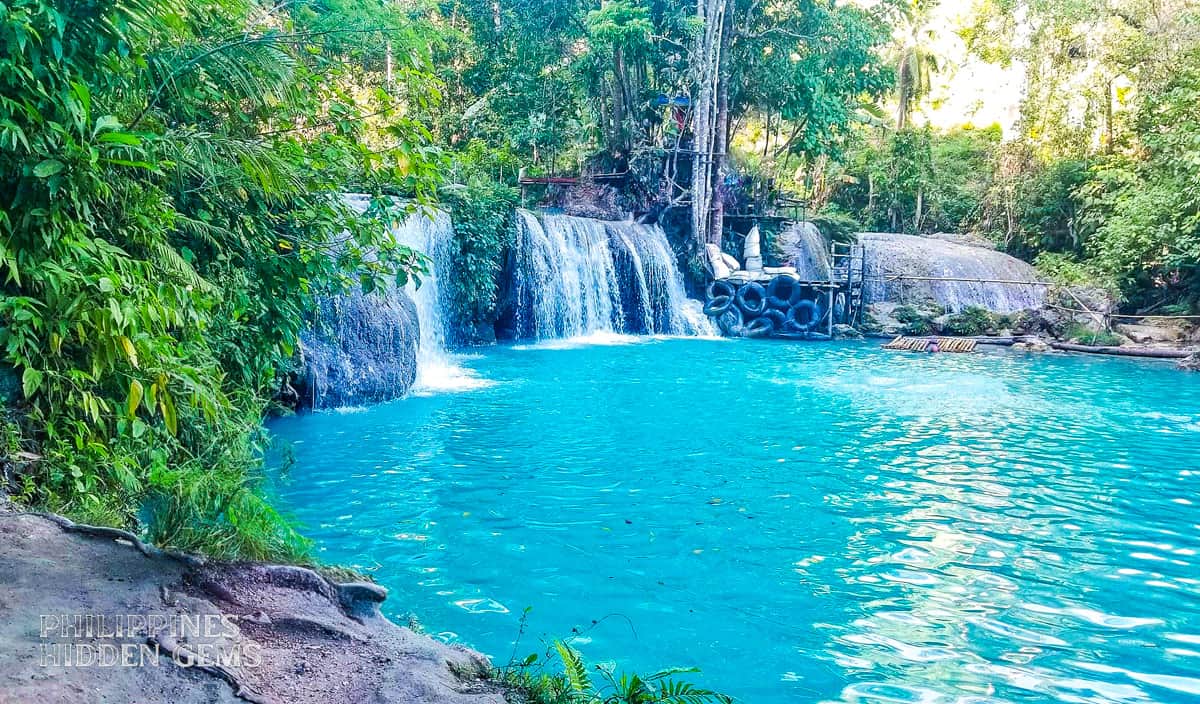
Cambugahay Falls: Siquijor's Most Beautiful Waterfall
Complete guide to visiting Cambugahay Falls - Siquijor's crown jewel featuring three tiers of turquoise water, rope swings, and natural pools.

Mount Bandilaan National Park & Butterfly Sanctuary Guide
Explore Siquijor's highest peak at Mount Bandilaan National Park. Discover the Butterfly Sanctuary, healing traditions, panoramic viewpoints, and the annual Healing Festival.
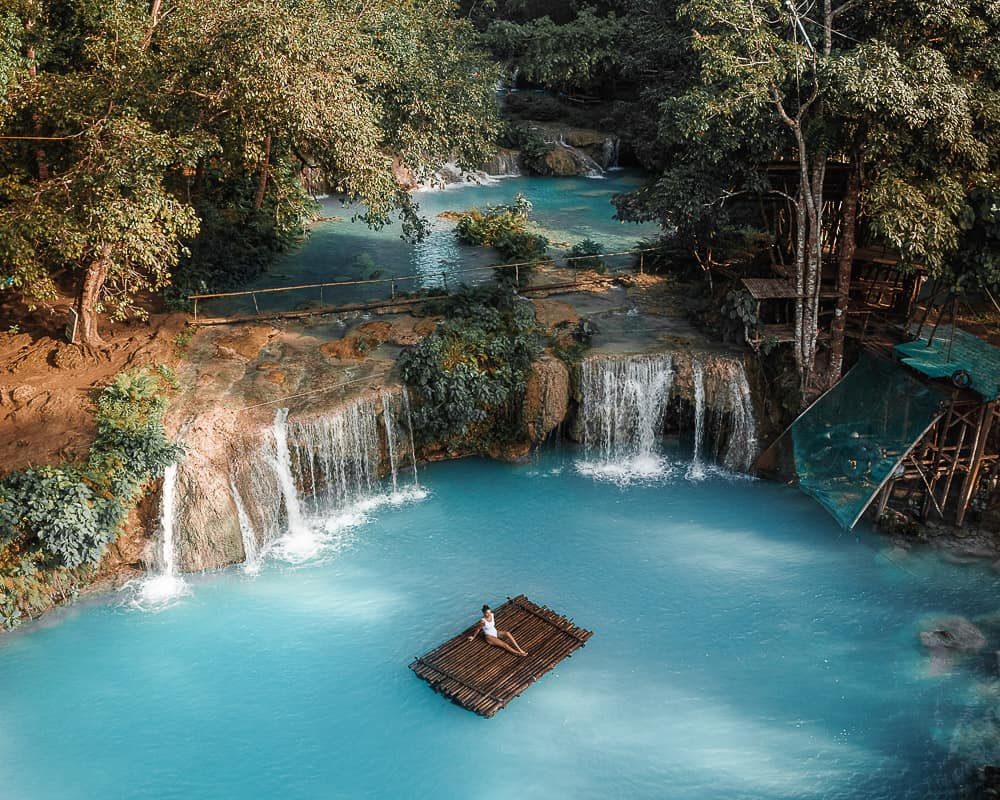
Siquijor Waterfalls Guide: From Cambugahay to Hidden Cascades
Explore all of Siquijor's waterfalls including Cambugahay Falls, the 12-Zodiac Falls at Lugnason, Lagaan Falls, and Locong Falls. Complete guide with locations, fees, and tips.